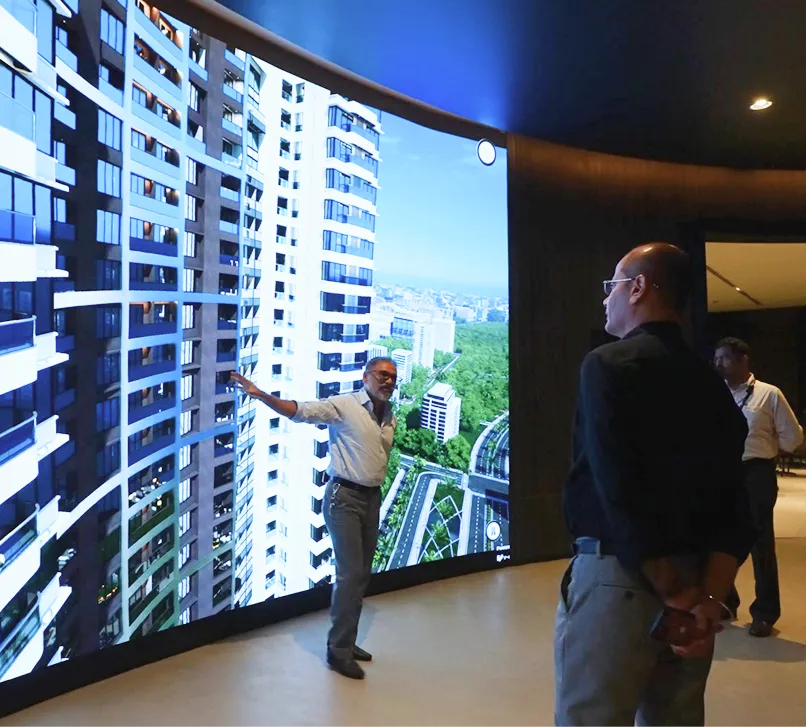
Modern real estate marketing breaks down when buyers are asked to imagine outcomes that directly affect their everyday lives.
Layouts, natural light, views, amenities, and surroundings decide whether a home truly works. When these are shown only through static photos or brochures, buyers hesitate. When they can experience them interactively, decisions become clearer and faster.
Across Indian residential launches, interactive property showcases are no longer optional. They have become a practical requirement. Not because they look impressive, but because they reduce uncertainty, scale clarity, and shorten sales cycles.
This shift is visible across affordable, premium, and luxury housing—and the impact is measurable.
Creating Meaningful Buyer Engagement Through Interactive Real Estate
Buyer engagement improves when exploration replaces explanation.
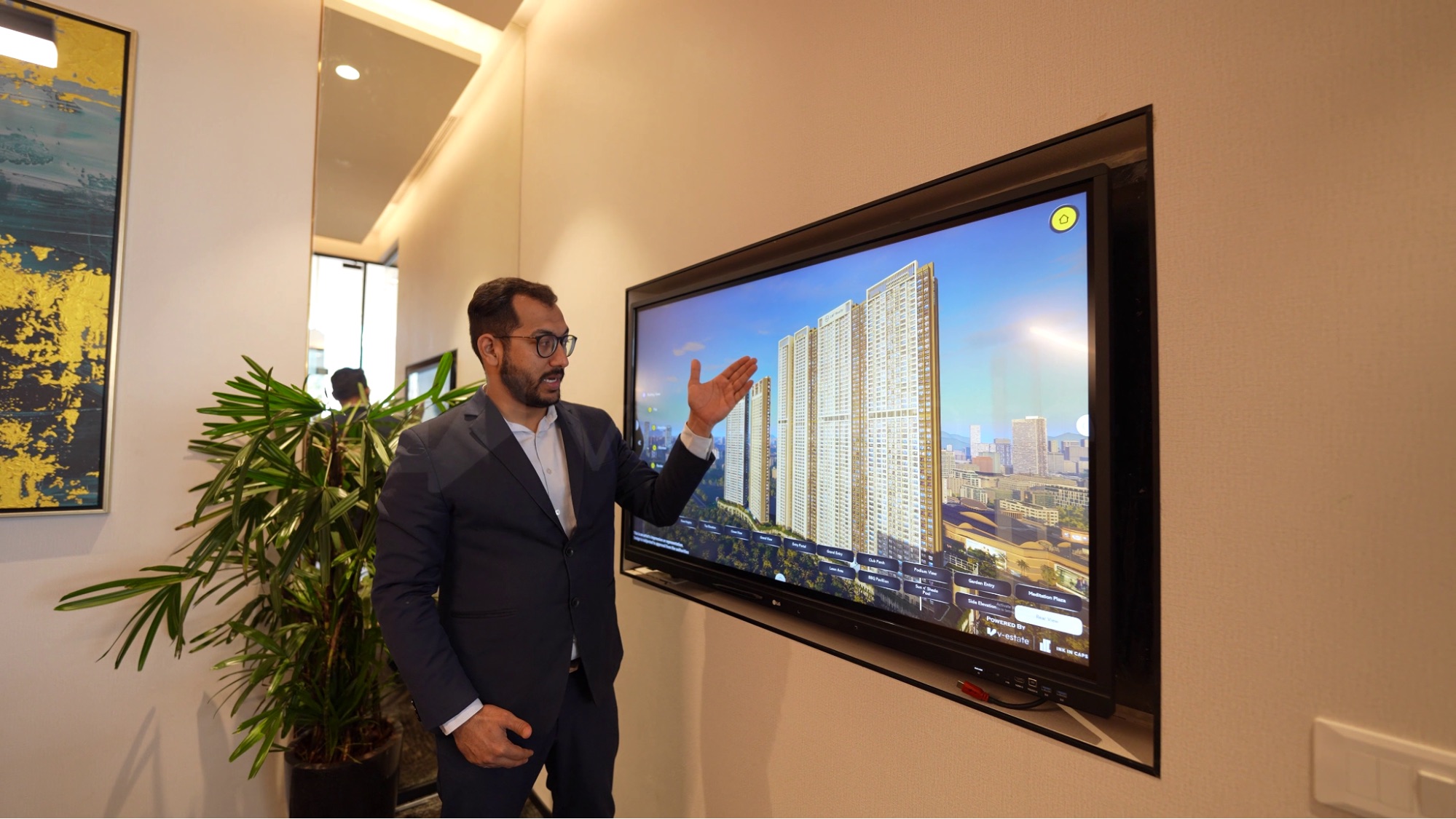
Interactive real estate environments allow buyers to move through a home at their own pace. They can understand room sizes, circulation, views, and relationships between spaces without depending on sales narratives. This sense of control builds early confidence.
Instead of repeatedly explaining layouts or amenities, sales teams guide buyers through interactive walkthrough real estate systems where information is absorbed visually and intuitively.
When buyers interact with a property, they process information faster and trust what they see. Conversations shift from basic clarification to serious evaluation.
Expanding Reach with Interactive Sales Solutions in Real Estate
Demand is no longer limited by geography. It is shaped by access.
Interactive sales solutions for real estate allow developers to engage:
NRIs evaluating projects remotely
Outstation buyers with limited travel flexibility
Working professionals with short decision windows
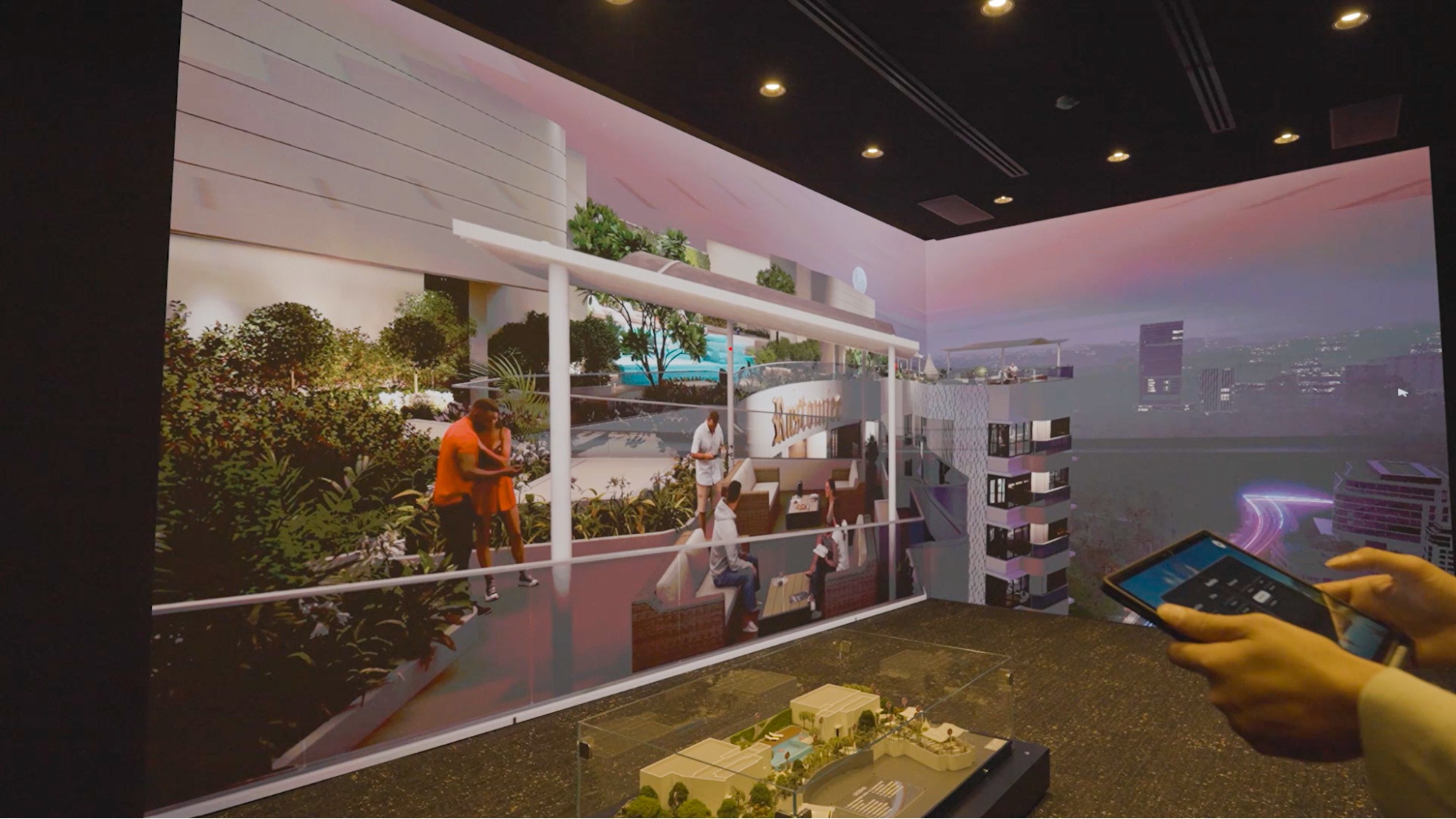
A single immersive session can communicate site context, terrain challenges, tower orientation, and amenity placement far more clearly than multiple physical visits.
The result is consistent understanding across buyers, fewer follow-up explanations, and quicker movement into commercial discussions. Interactive showcases remove distance as a barrier and replace it with shared clarity.
Market Differentiation Built on Interactive Property Showcases
Differentiation today is not about louder messaging. It is about better understanding.
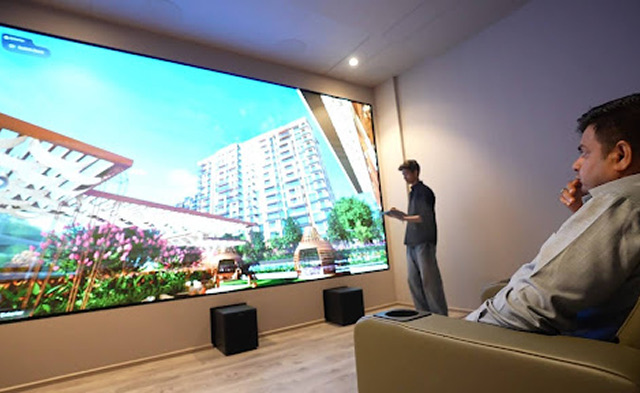
In crowded micro-markets, interactive property showcases help buyers grasp scale, planning logic, and lifestyle intent immediately. Instead of describing value, developers can show it.
Buyers spend more time exploring. They remember what they experienced. And they are better able to compare projects meaningfully.
This kind of differentiation is practical, not cosmetic. It helps buyers see why a project is different, not just hear that it is.
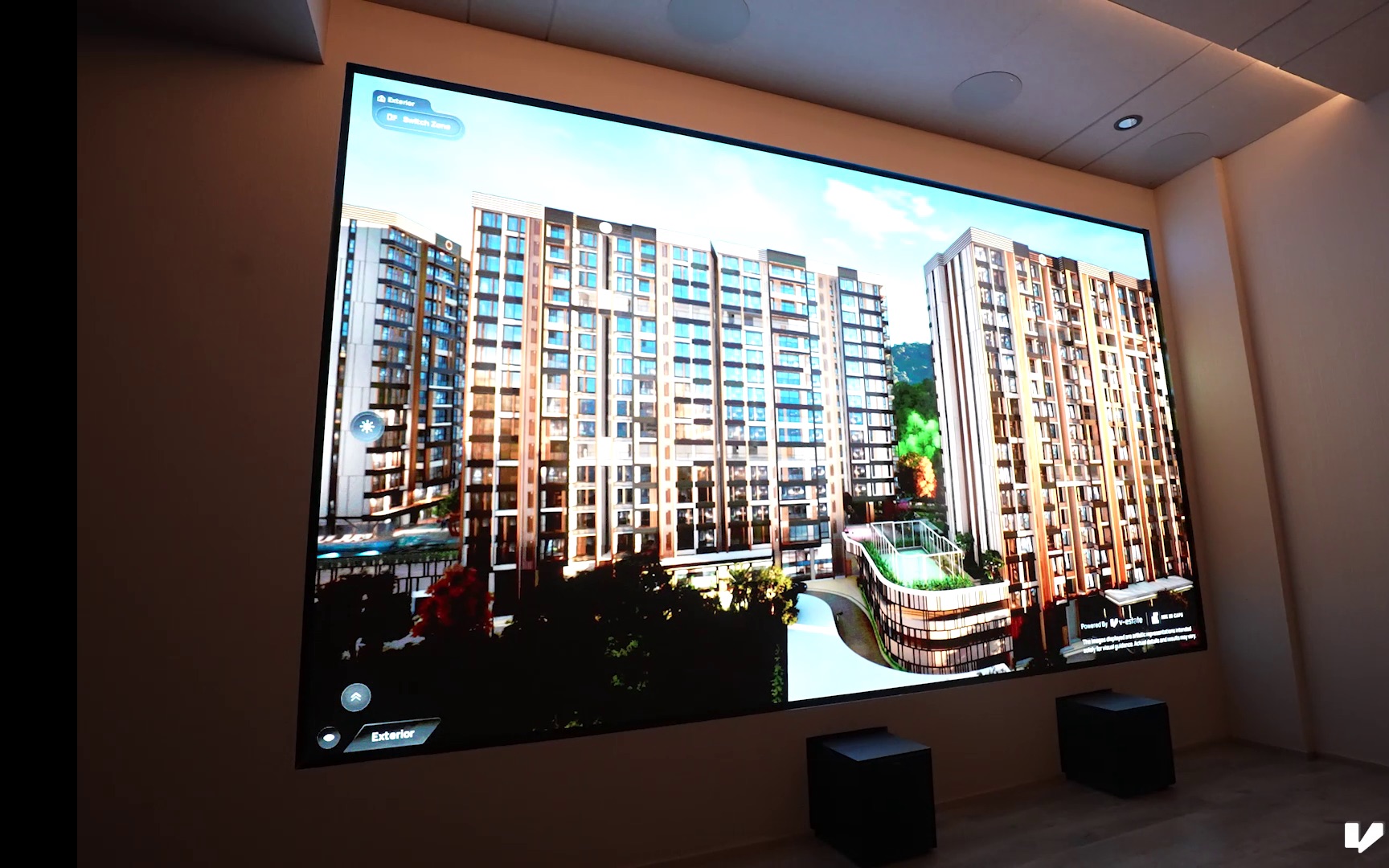
Cost Efficiency Achieved Through Real Estate Interactive Content
Interactive property showcases do more than engage buyers. They improve operational efficiency.
Traditional sales setups rely on:
Physical mock-up apartments
Frequent print updates
Repeated site visits by low-intent leads
With real estate interactive content, buyer intent is qualified earlier. High footfall can be managed without proportional increases in staffing or infrastructure.
Interactive systems scale well during launch phases and can be reused across projects with minimal modification. This reduces long-term costs while maintaining consistency.
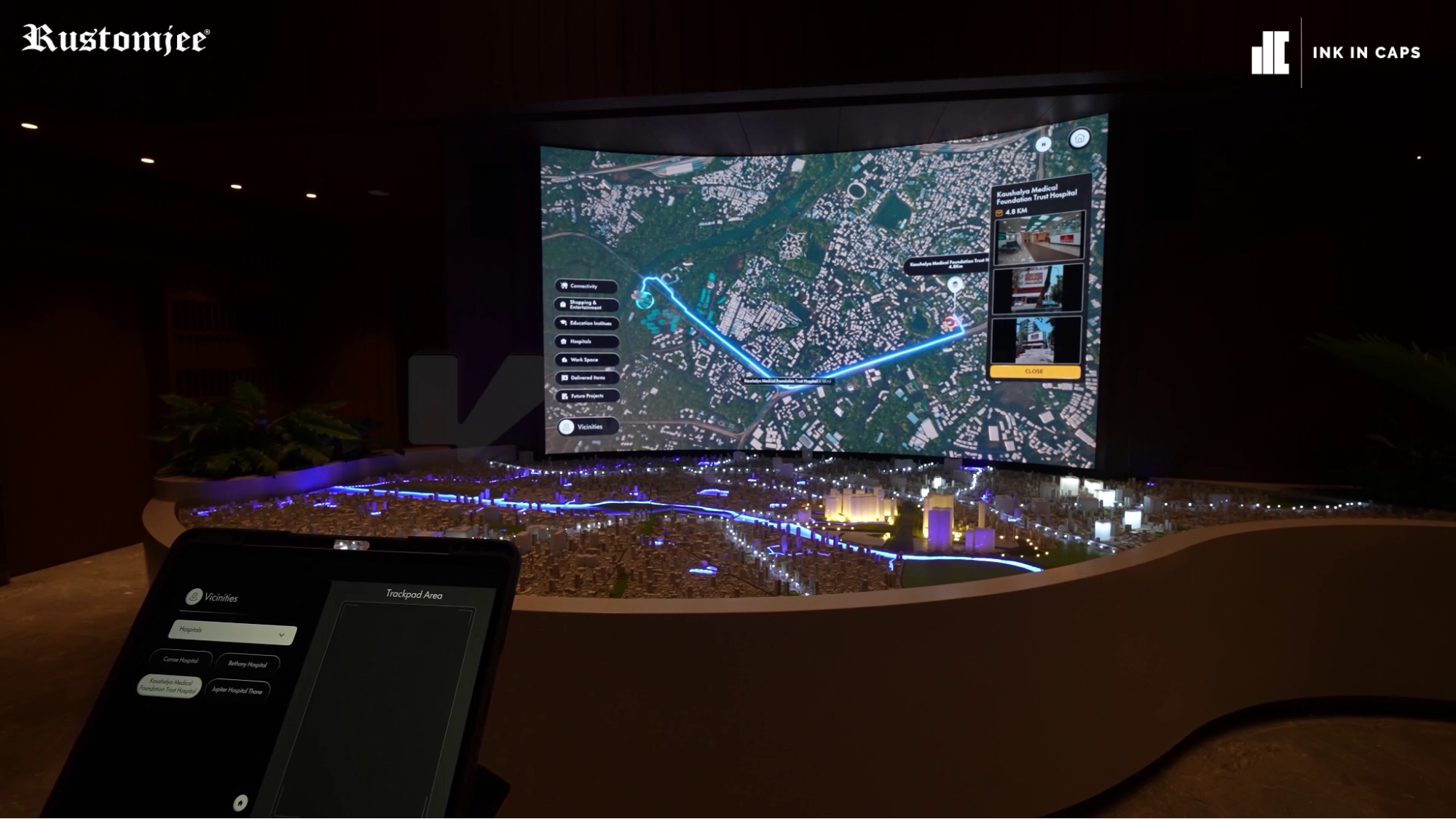
Actionable Buyer Intelligence Enabled by Interactive Real Estate Systems
Interactive systems generate insight that static marketing cannot.
Interactive systems generate insight that static marketing cannot.
When buyers explore digitally, teams can see:
Which amenities hold attention
Which layouts are explored the longest
Where buyers pause, compare, or return
On platforms like vestate, these interaction patterns help sales and marketing teams refine walkthroughs, adjust messaging, and improve follow-ups.
Marketing decisions move from assumption-based to evidence-led, improving both buyer experience and internal alignment.
Short Case Study: Learning from Buyer Behavior
A mid-sized developer noticed buyers repeatedly revisiting balcony views and master bedroom layouts during interactive walkthroughs. Sales teams adjusted their conversations to focus on ventilation, privacy, and daily usability rather than just pricing. As a result, site visit-to-booking time reduced, and buyer confidence improved without additional incentives.
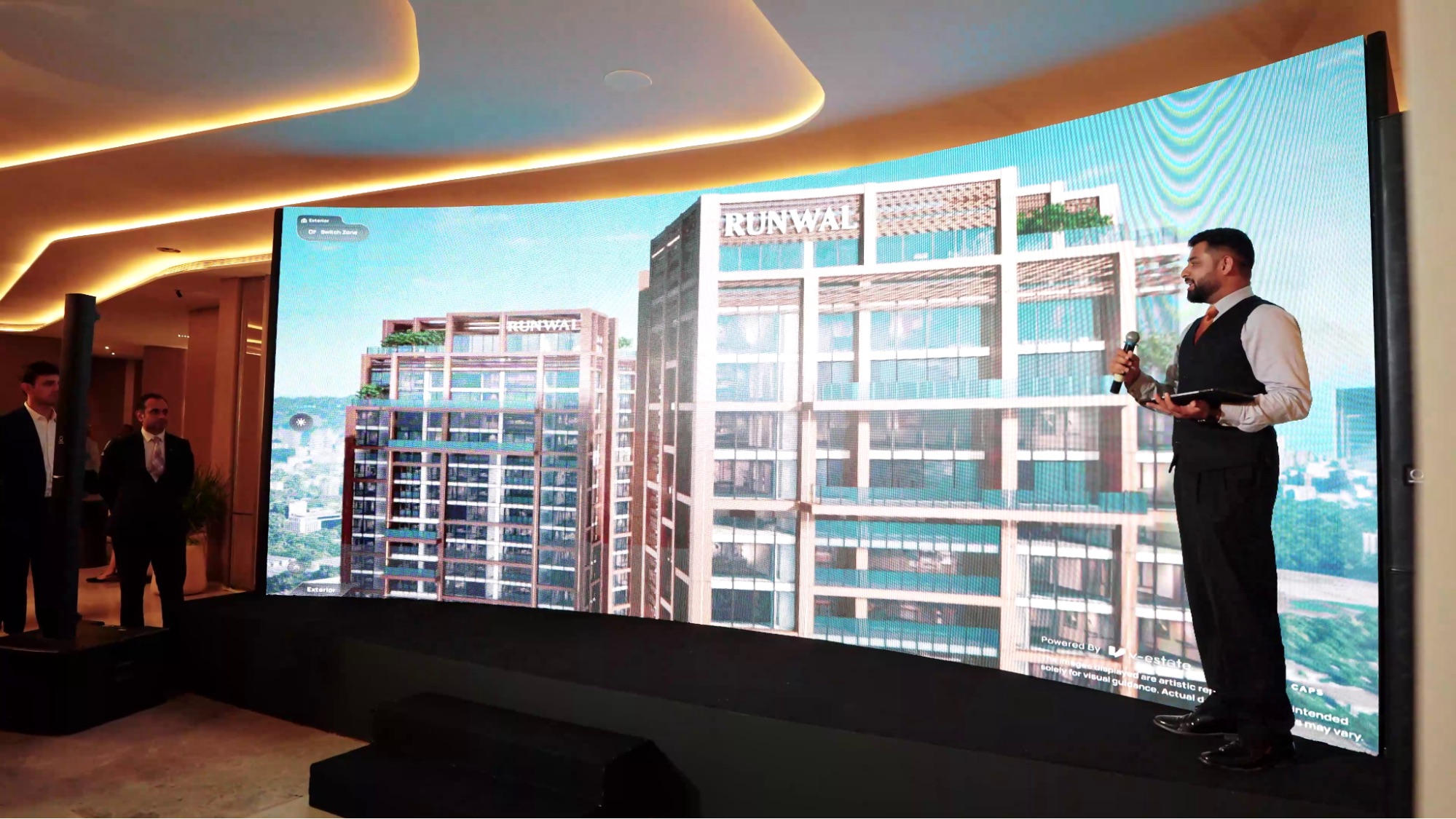
The New Marketing Standard in Interactive Real Estate
Interactive property showcases have moved from innovation to expectation.
Today’s buyers expect:
Control over how they explore
Clear visibility into layouts and views
Context around location and amenities
Visual confirmation before committing
Developers delivering this experience see shorter decision cycles, higher conviction, and stronger trust. Those who rely only on static assets often lose momentum early.
The Bottom Line
Modern real estate marketing works when buyers clearly understand what they are committing to.
Interactive real estate—through walkthroughs, project models, and real estate interactive content—removes guesswork and replaces it with clarity. This leads to faster decisions, better-qualified leads, and scalable sales operations.
If your marketing still depends on static images and verbal explanation, you are operating at a disadvantage.
Explore solutions. Request a demo. Learn how interactive property showcases can help buyers decide with confidence.