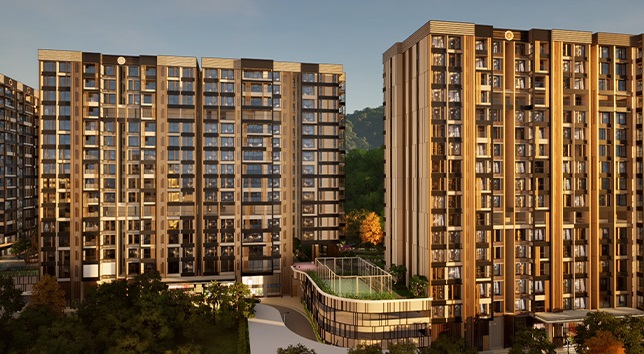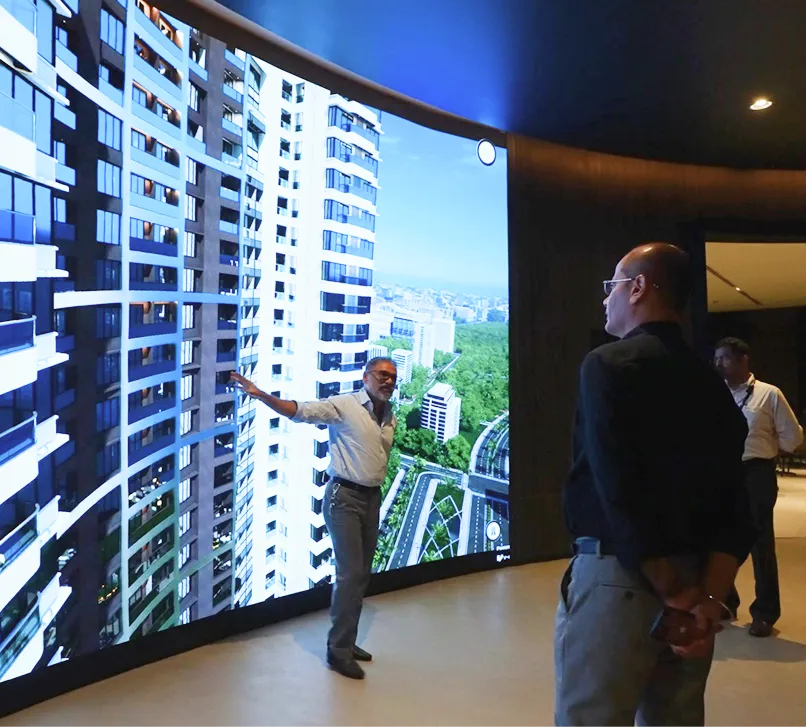
Real estate is a sector which, like several other industries, has become overly competitive in the last few years. This is not only because buyers want to know as much as possible about the property they are about to buy, but also because the right technology exists to provide that information. Thus, property marketers, brokers, and channel partners have no reason to rely solely on brochures. They can use them to get them interested in the property. But if they are looking to actually improve sales conversion and sell properties faster, 3D architectural walkthrough tools are what they need.
What are 3D Architectural Walkthroughs?
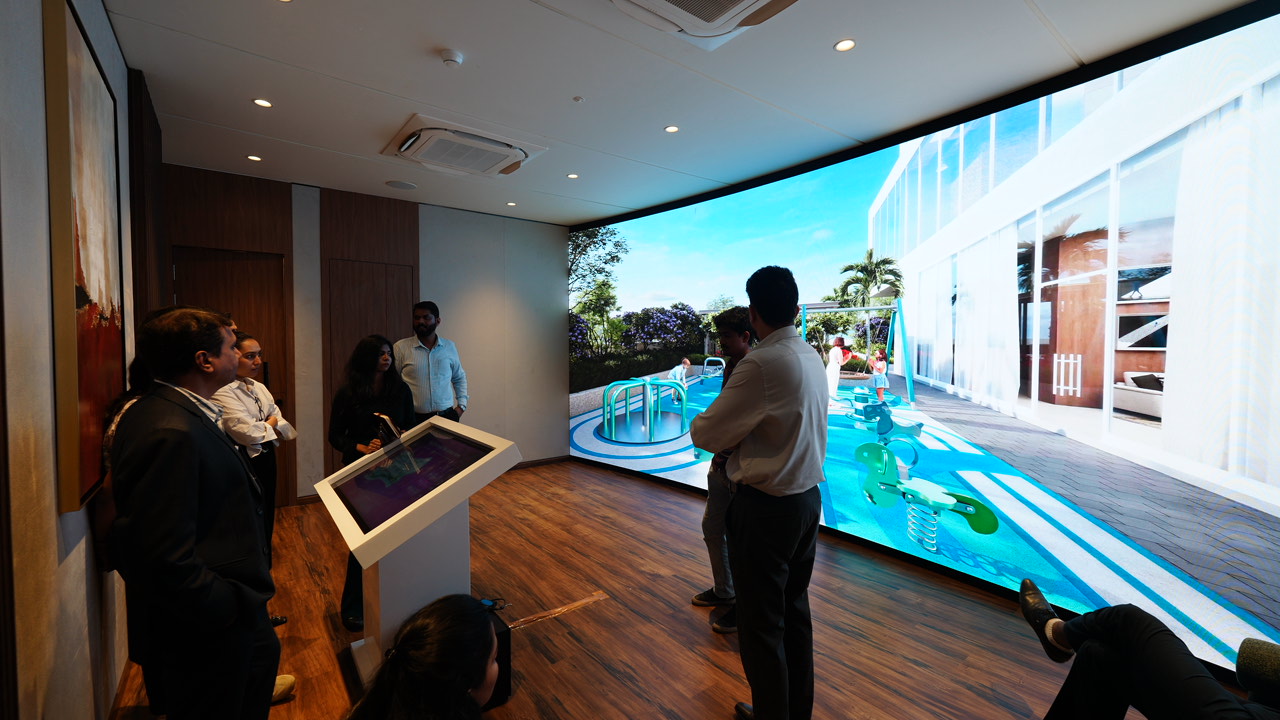
A 3D architectural walkthrough is a virtual tour achieved through simulations that allows the user to explore a property by moving around in the digital environment while getting an experience similar to as if they were walking in the real physical world. These walkthroughs have several perks, from better visualization for the buyer to allowing the sales team to give remote presentations.
The reason developers often use these tools, or should start using them, is because they can help out through the different stages of a property's lifecycle and be used by different teams. For example, when it comes to presales, the sales teams can use 3D visualization instead of brochures to give the buyers a better idea of the project. Or developers can use these walkthrough tools to run simulations that can help them verify the structural integrity of their designs, saving them time, energy, resources, and money on construction, as they won't have to demolish and rework an already built section of the project. These are just 2 examples; there are several more instances where 3D architectural walkthroughs can be useful.
Different Technologies Used in 3D Architectural Walkthroughs
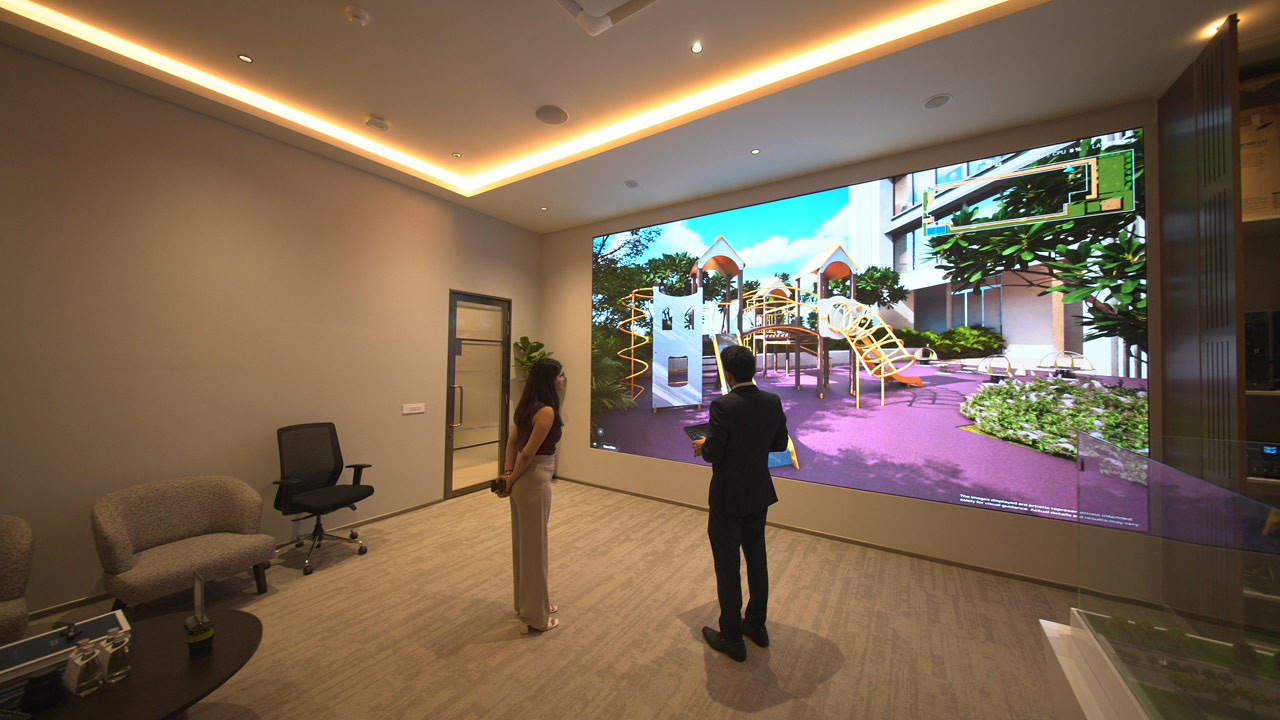
Since 3D architectural walkthroughs are capable of providing sales teams a means to let buyers explore the property, they use a variety of technologies to ensure that the right solutions are used that work best for the project. However, these are some common technologies that are used in most such experiences:
- 3D Modelling: This is probably the most important technology when it comes to creating a 3d architectural walkthrough. Through 3D modelling, developers get to create detailed digital replicas of buildings, interiors, landscapes, furniture, and surrounding environments.
- 360-degree Virtual Tour: When a buyer goes for a 360-degree virtual tour, they get to control their exploration journey. Thus, it allows them or the salesperson- basically, the one using the sales tool to move around the property virtually and check out the different features at their own pace.
- Photorealistic Visualization: Another technology that makes architectural walkthroughs valuable is photorealistic visualization. Modern ArchViz solutions even offer 4K render options that allow the salesperson to show the detailed structure of the property without compromising on the quality.
- Digital Twins: A digital twin is typically a digital recreation of the project. Thus, it not only helps visualize the property, but developers can also regularly update it with the project's data to ensure that both the digital twin and the project are synced. This is useful for both property managers and buyers as they can access the most relevant and latest information about the property.
How do 3D Architectural Walkthroughs Benefit Real Estate Developers

When a developer integrates a 3D architectural walkthrough solution into their project, they can benefit in several ways, but the most effective use of it is in communicating the project's vision to stakeholders, buyers, or any interested parties.
Improves Remote Sales and Pre-Sales
Sales teams benefit from 3D architectural walkthroughs as they don't have to wait for the construction of the project to be over for them to start pitching units. An interested buyer can schedule a virtual appointment, and they can be given 360-degree virtual tours to help them understand the property better. Additionally, since these solutions don't rely on physical sites, they can even be pitched to clients internationally. They can access the property from anywhere, saving buyers time and money on an in-person visit.
Buyers Get Better Understanding
With 3D architectural walkthroughs, buyers can explore a property's interiors, exteriors, amenities, vicinity, important landmarks near their home, and more, all through a single software. They can use interactive floor plans to get both a dollhouse top-down view of their apartment while being able to visit each individual room and interact with the different touchpoints, like the balconies, to simulate different window views. All of these features ensure that the buyer knows exactly what they are buying.
Faster Sales
Since 3D architectural walkthroughs improve visualization for buyers, they get a clear understanding of the property. Thus, it reduces their doubts about the project's features, and they are more focused on comparing the different units and getting the perfect deal for the flat they are interested in. It leads to reduced sales cycles and increased sales conversion.
In conclusion, 3D architectural walkthroughs are the future of real estate marketing, and it is no longer something optional that developers can skip while setting up their project. It helps them make visualization easier for buyers, reduces the sales cycles for the brokers while increasing conversion, and when paired with something like an IoT-integrated scale model, property managers could use it for predictive maintenance. Thus, it has several advantages, and the only thing a developer needs to worry about is finding the right 3d ArchViz service for their projects. Fortunately, we at V-Estate have just the perfect 3d architectural walkthrough software for you with Spaci. With Spaci, you can give buyers a high-fidelity 4K digital twin of your project, which allows them to experience your vision for the project in its best version. Contact us to book a demo now!