In real estate, two apartments can have the same layout, carpet areas, and even specifications, yet they are priced differently. The apartment on the higher floor costs more, and the practice of developers deciding the prices is known as floor rise monetization or elevation-based pricing. While it gives developers a chance to earn more revenue, it isn't easy to convince buyers to pay more just because they quote a higher price. Buyers need to find the worth in the additional features a unit is offering just by being built on a higher plane.
What is Floor Rise Monetization in Real Estate?
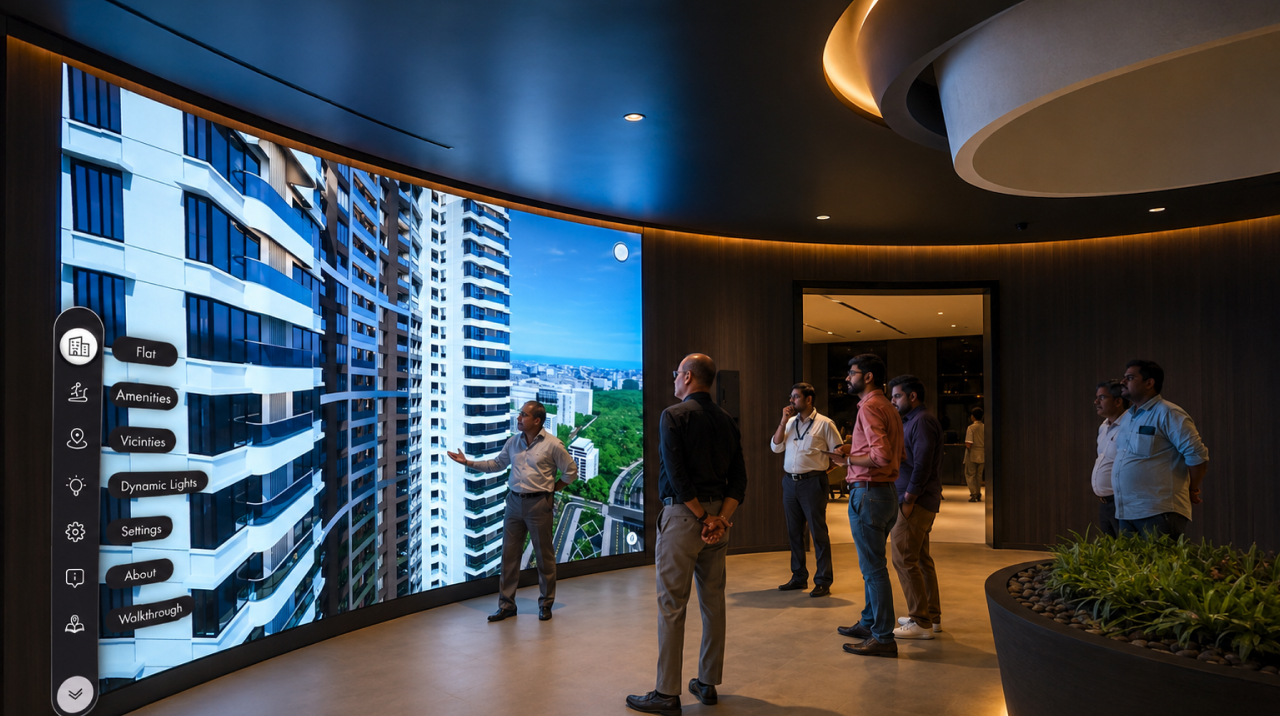
As mentioned before, floor rise monetization in real estate refers to the practice of charging an extra premium on units that are located on higher floors of a residential development. These premiums exist because apartments on higher floors offer better value by giving extra features like better views, increased privacy, reduced street-level noise, improved natural light, and more.
The pricing structure for floor rise monetization is typically decided by either price per sq ft or a fixed additional amount for every successive floor. The benefit of having such a monetization method is that it can significantly contribute to the project's overall revenue. But the catch is that it only works when buyers view these extra benefits as premiums. Thus, if they find that these features are actually worth paying extra for, only then will they actually go for such apartments.
Different ArchViz Tool Features that Help Developers Quantify Elevation-Based Pricing
Window View Simulation
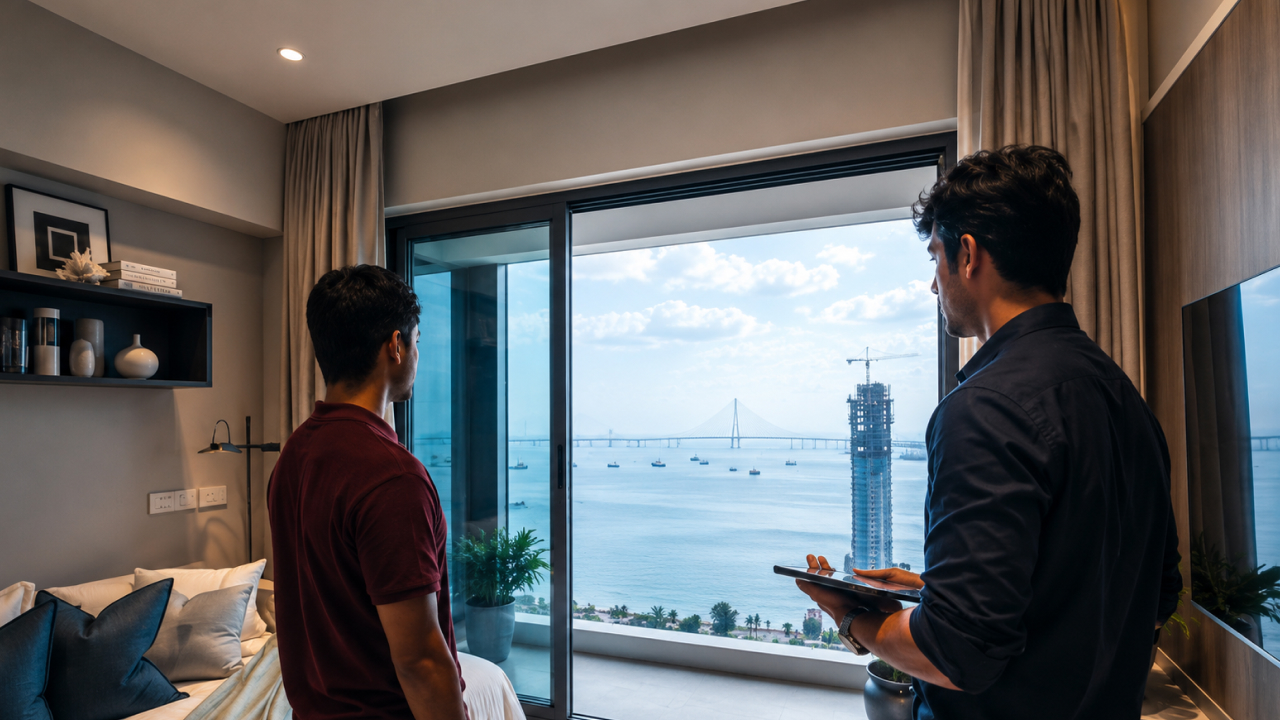
When it comes to showing buyers the value of higher floor units, window view simulation is the go-to feature that developers need in their architectural visualization software. As its name suggests, window view simulation simulates the different views a buyer can see from outside their balconies or windows. Now, when it comes to justifying elevation-based pricing, it shows buyers just how much more of the city they can see when they buy an apartment situated on higher floors. Additionally, not only can they check how their view looks during different weather conditions, but also how the city around them would look.
Floors, Units, and Towers Switching
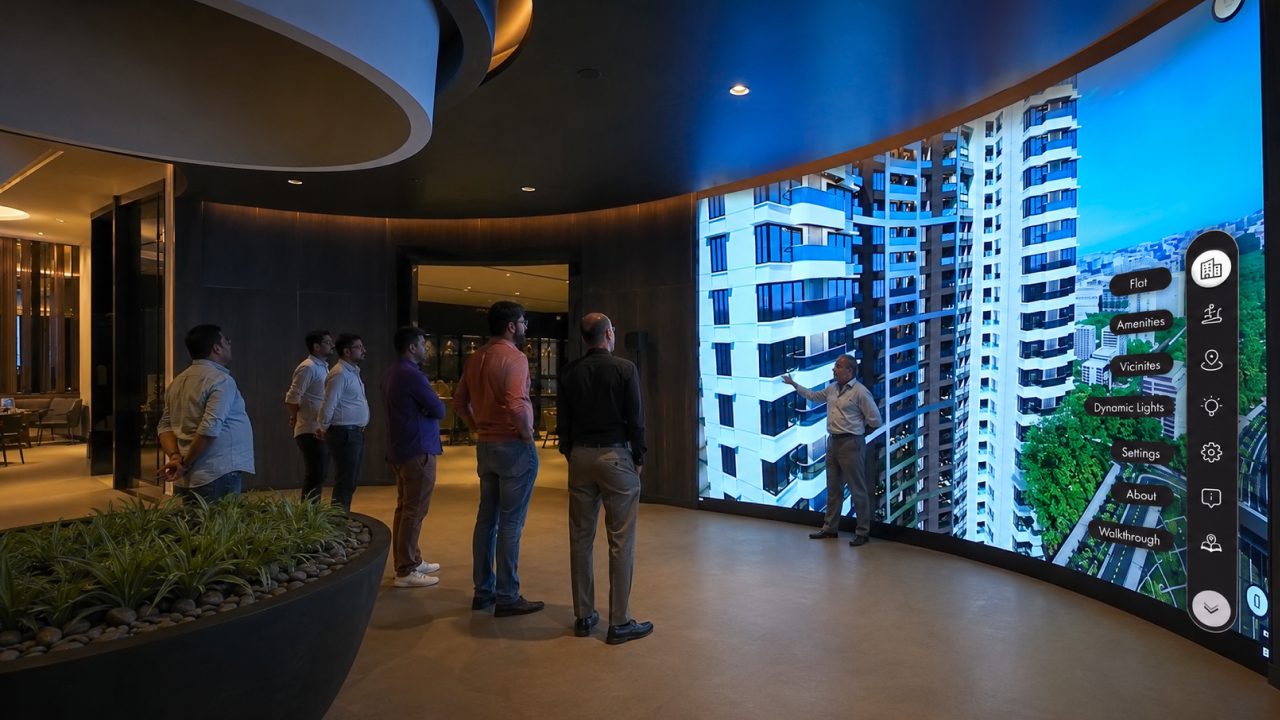
This is a feature that often goes hand in hand with window view simulation. While the former shows the outside views, with floors, units, and towers switching, buyers can easily compare the views. For example, if a buyer is confused between two apartments, one in Tower A on the 7th floor and the other in Tower B on the 12th floor. Through this feature, the buyer can easily switch between the different units that are on two separate floors and towers. They can see exactly what direction the windows face in each apartment, how different the views are on both floors, and thus decide whether the apartment in Tower B is worth paying the extra premium.
How Our Client Used Spaci to Justify Floor Rise Monetization
L&T Ahana - Malad
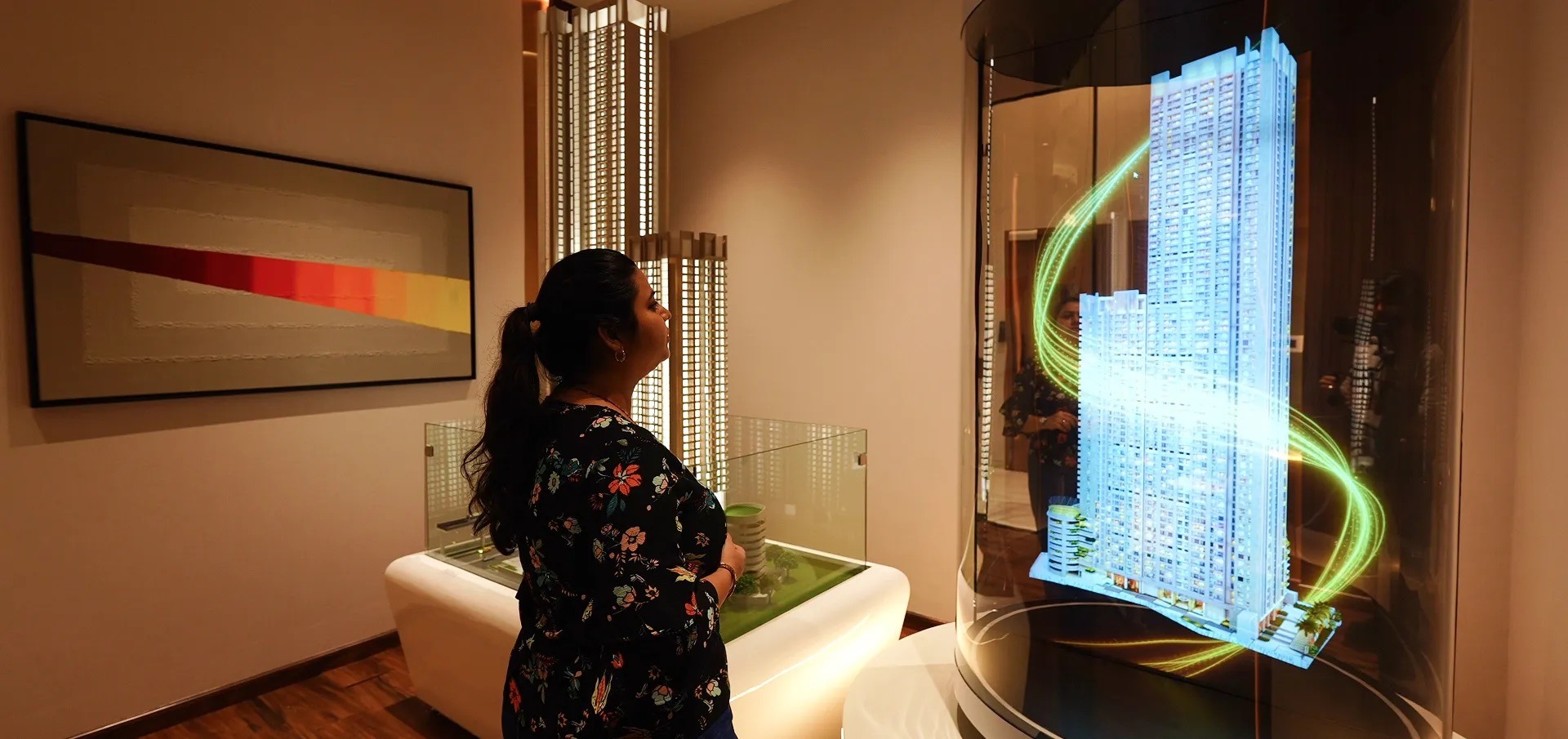
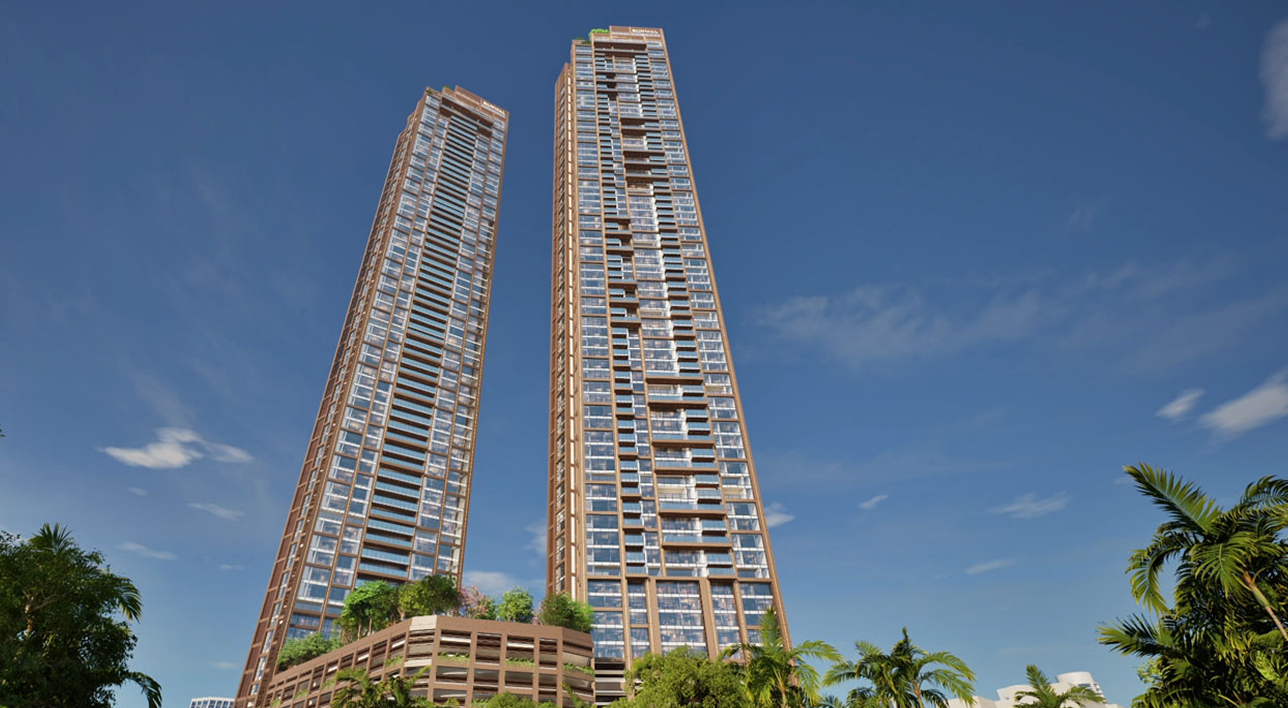
L&T Ahana is L&T Realty's latest project in Malad. It has some really strong selling points, be it the premium 2, 3, and 4BHK residences, its strong connectivity with the neighborhood as it is located near the Western Express Highway and Kurar Metro station, or how it aims to improve its residents' quality of life with over three levels of amenities. Thus, to help buyers understand their project and vision completely, they worked with us to create a fully digitalized experience center. Here, the user journey wasn't just experienced through technology-led touchpoints but was also interactive and immersive.
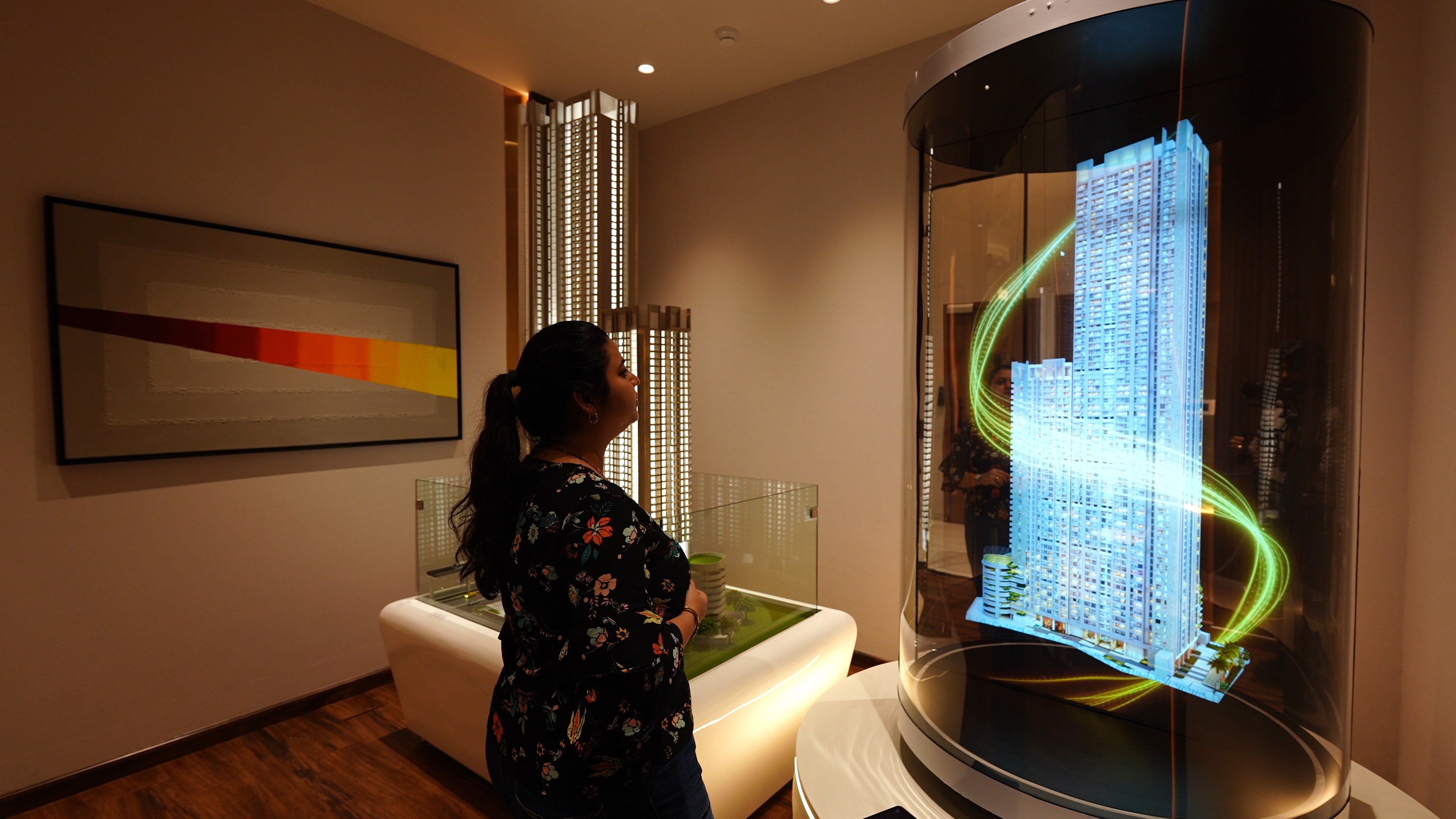
We offered 3 solutions: a Holographic architecture visualization installation to replace the physical scale model. It lets buyers check out the project's complete facade while also getting a clear understanding of the ground-floor, podium, and podium-level indoor amenity views. After the holographic installation, the buyers could check out the immersive motion posters. The buyers got to experience the 15 key amenities in a large format made of cinematic visuals.
However, the major highlight of this experience center was the VR Show Flat Experience. Here, the buyers got to understand the scale, depth, and spatial experience of an apartment. What made this zone extra useful was that it let buyers check the four directional views to get a better picture of what the different apartments would look out towards. Thus, the buyers could simulate the window views of different units on different floors, allowing them to easily decide whether the floor-rise monetization by the developers is justified for the higher floors. The project resulted in:
- 100+ VR demos over opening weekend
- 100% VR adoption
- 0 physical show flat requirement
- Over 30 minutes of buyer engagement
- 15+ amenities visualized
Rustomjee 180 Bayview - Matunga
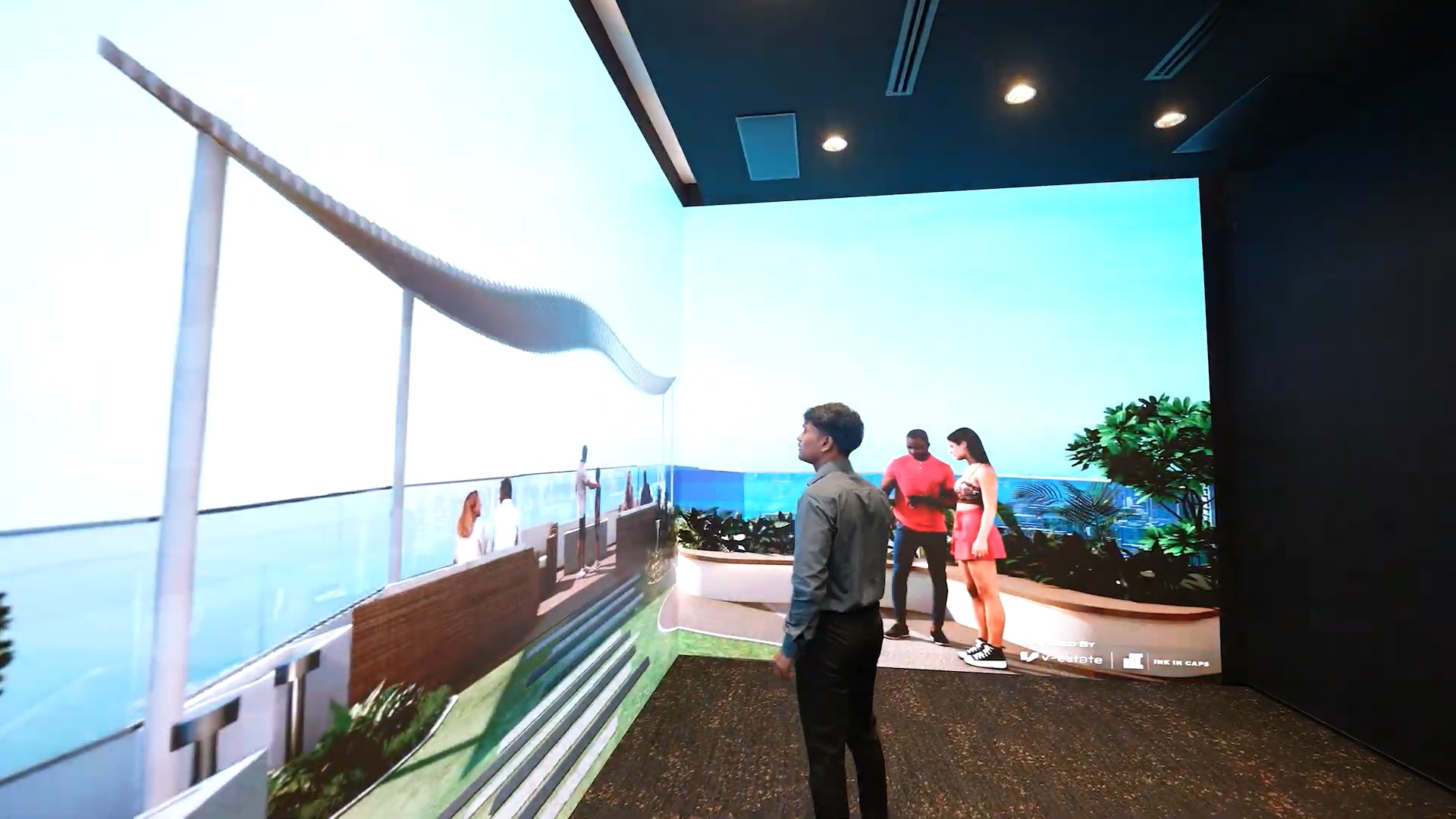
For Rustomjee 180 Bayview in Matunga, Rustomjee wanted to change how the buyer got to experience a property. They wanted to move away from a more traditional sales journey and instead integrate more interactive technologies to give buyers an immersive experience. To achieve this, we divided the user journey into 4 zones.
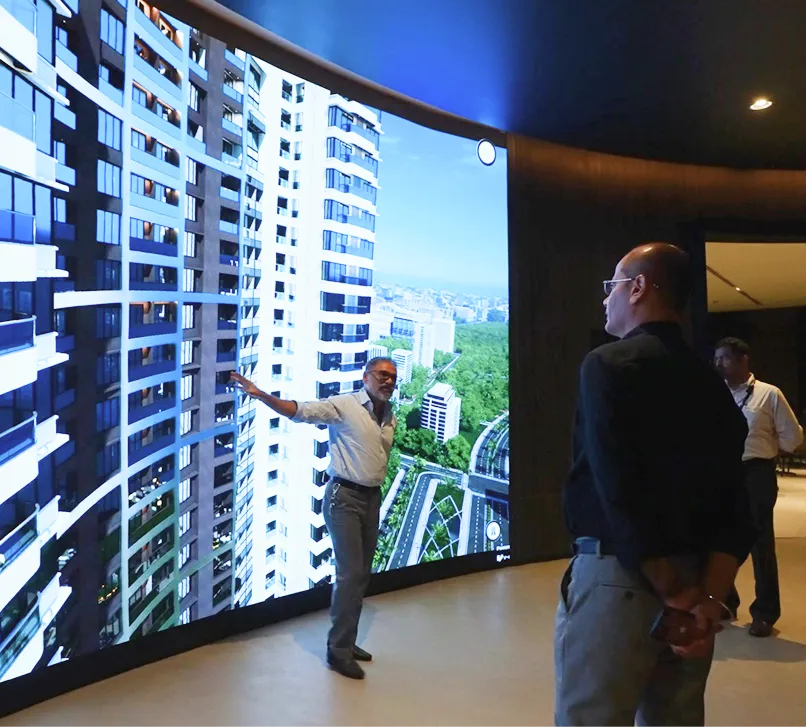
The first zone focused on the exterior visualization; we used a curved LED panel to show the building elevation and different viewing perspectives. And an IoT scale model connected with our software to help buyers visualize the project's planning, final appearance, and the views they would enjoy from their apartments. The second zone was designed to highlight the project's amenities. We used a 36ft × 10ft L-shaped LED panel displaying amenities at a 1:1 scale, covering all offerings within the project.
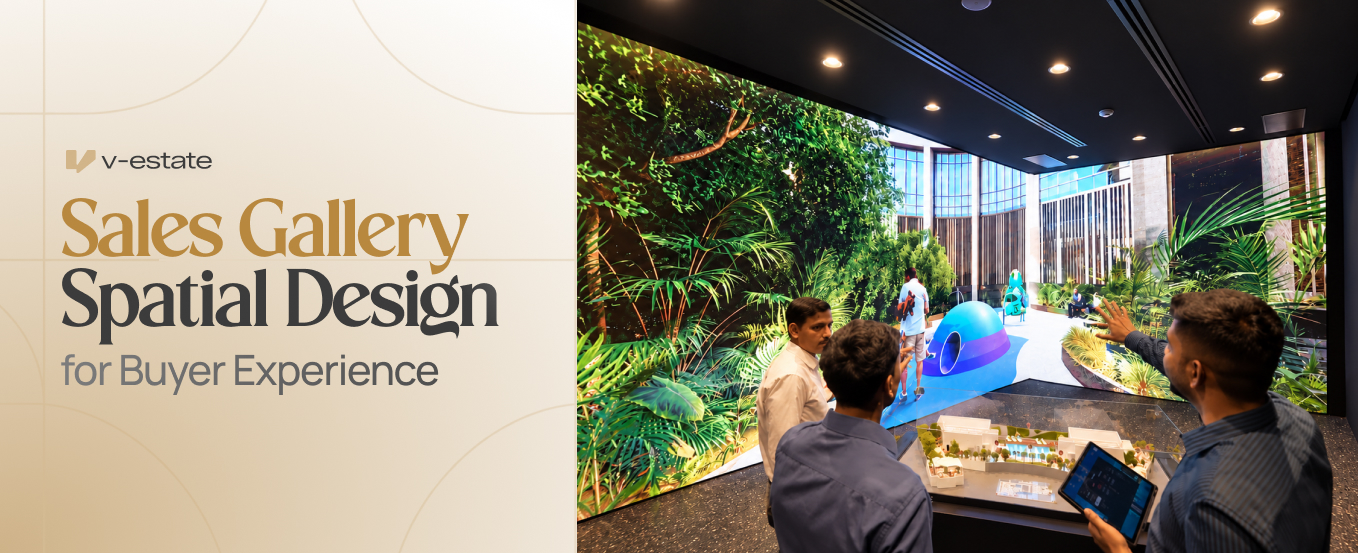
Next, for the third zone, we have the "Enhanced Sample Flat". Here we installed a large 42ft × 10ft LED panel; this zone used Spaci to simulate window views while also giving buyers the ability to compare the different units. Finally, for the fourth zone, we had the smart discussion room. The buyers could fully experience all of the features of the project in depth using Spaci.
The enhanced sample flat is what helped developers justify the prices of the apartments on the elevated floors. The project resulted in:
- Over 700 demos being conducted
- Average engagement time for luxury projects increasing from 20 minutes to over 50 minutes.
- 75% reduction in printed marketing materials.
In conclusion, floor rise monetization in real estate is about developers charging a premium price for apartments on higher floors of the building. This premium exists because of the extra features these units offer, like better city views, more privacy, less road noise, and more. But these features aren't easy to justify to everyone, which is why developers make use of ArchViz software to explain the extra cost for elevation-based pricing. Typically, it makes use of features like window view simulation, and floors, units, and towers switching to let buyers compare the different apartments. This lets buyers make informed decisions.
Looking for an ArchViz solution to sell your top floors faster?
V-Estate has the perfect answer for you with Spaci. This is our own custom-made software that we offer clients to help them sell their properties faster. The reason we recommend using Spaci over competitor options is that we offer window view simulations that are rendered in 4K. Thus, your buyers get the city view from the highest floors, in the best light possible. Book a demo now!