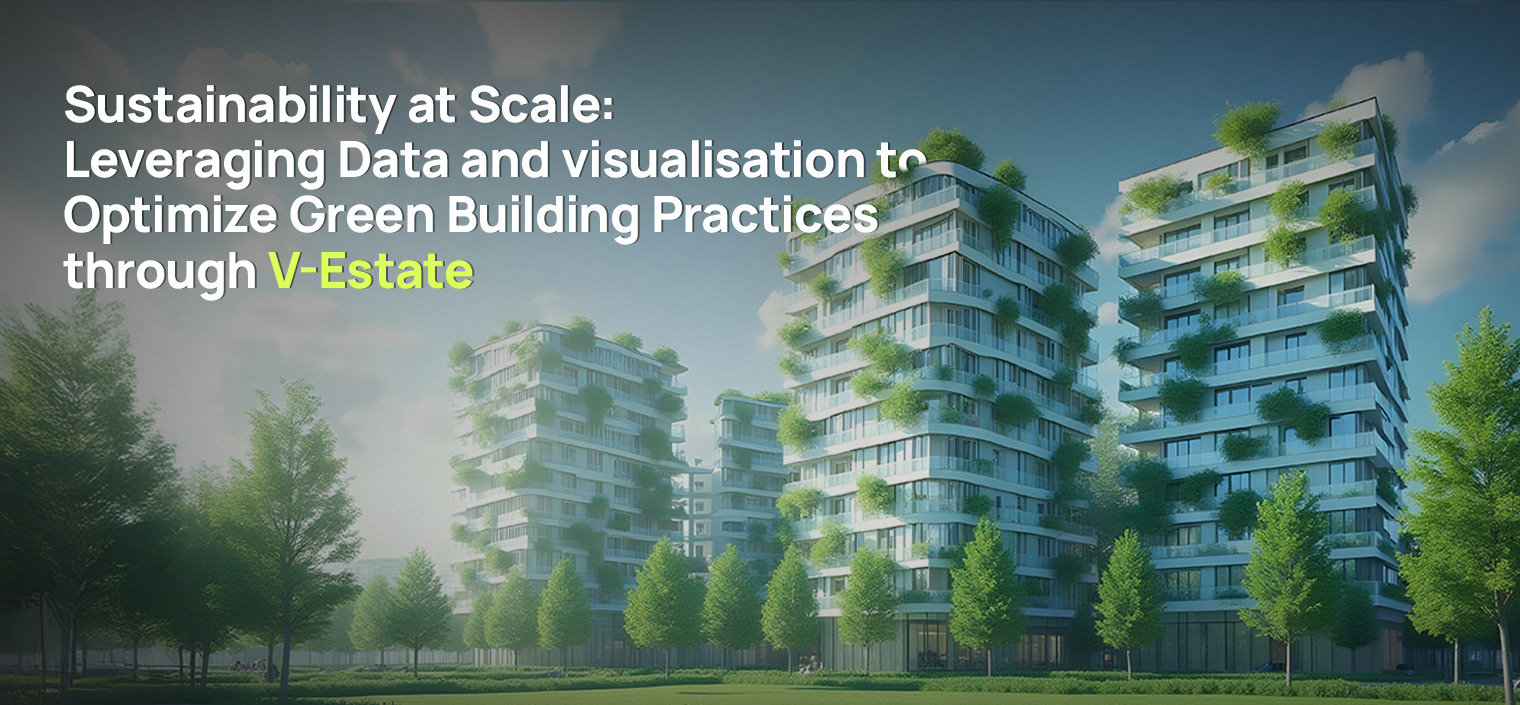
Gone are the days when sustainable construction meant simply adding solar panels or using recycled materials. Today's market demands a sophisticated, scalable approach to green building—one that balances environmental responsibility with bottom-line results. The stakes couldn't be higher: our industry accounts for 40% of global energy-related CO2 emissions, putting us squarely at the forefront of climate action.
The Current State of Green Building Implementation
Let's face it—implementing sustainable practices at scale has been our industry's Achilles' heel. While the will is there, the way hasn't always been clear. Real estate developers are caught in a complex dance of balancing environmental imperatives with market demands and profit margins. Yet, this challenge has sparked an innovation revolution in how we approach sustainable development.
What's fascinating is how this pressure has pushed us toward smarter, more integrated solutions. I've seen projects transform from concept to completion in half the time it took five years ago, all while achieving higher sustainability standards. The secret? It's in the data—and more importantly, how we visualize and act on it.
The Power of Data: Beyond the Numbers
Remember when we used to make decisions based on last year's energy reports and educated guesses? Those days are behind us. Today's successful developers are diving deep into real-time data streams that tell us exactly how our buildings perform across every sustainability metric imaginable.
Think about energy efficiency—no longer a vague goal but a precise science. We're now tracking energy consumption patterns down to individual zones within a building, identifying inefficiencies before they become problems, and optimizing systems in real time. LEED-certified projects using these approaches consistently show 20-30% better energy performance than their traditional counterparts.
But here's what really matters: this data isn't just sitting in spreadsheets. It's being transformed into actionable insights that drive decisions at every stage of development.
Visualization: Making the Invisible Visible
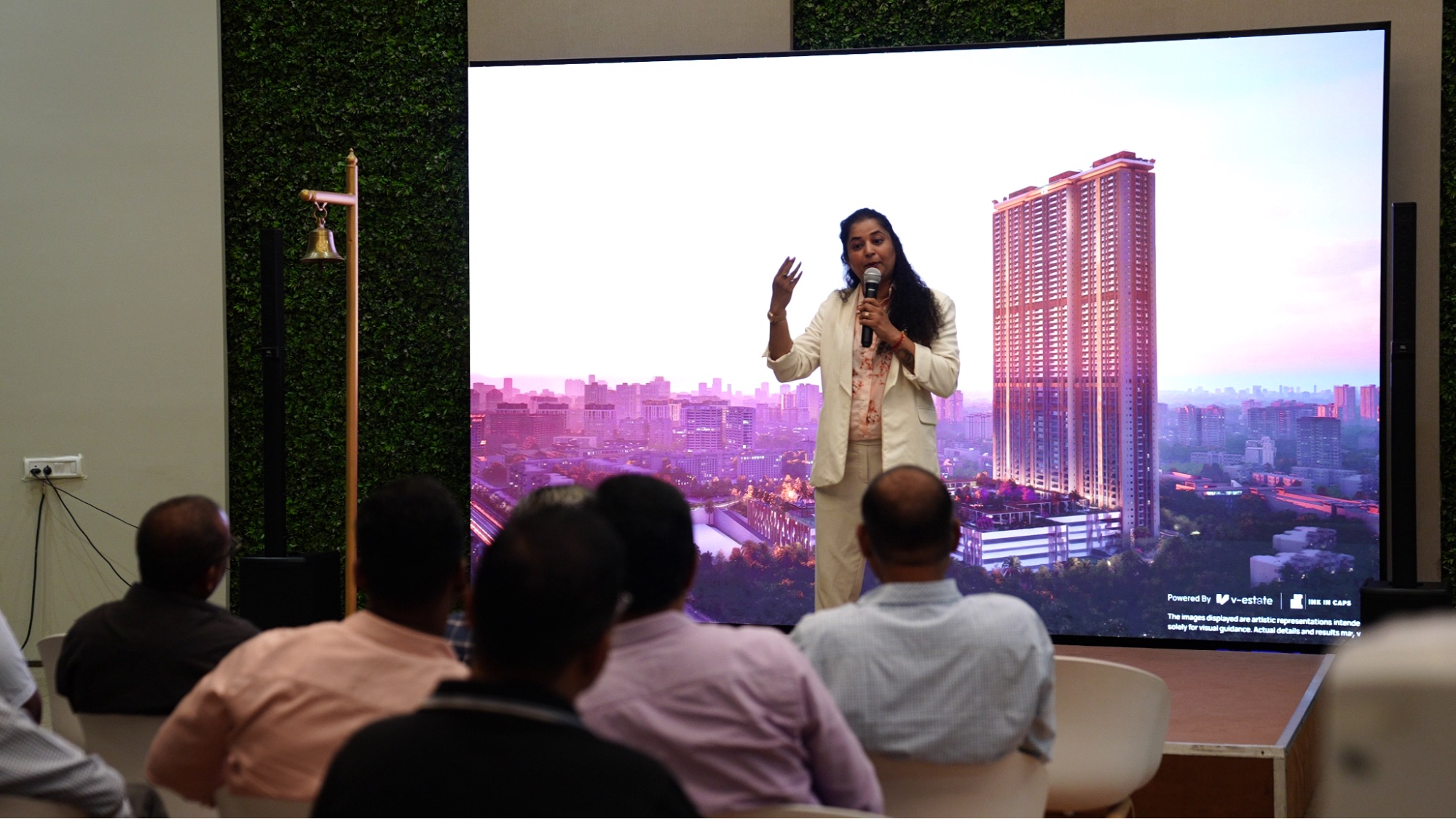
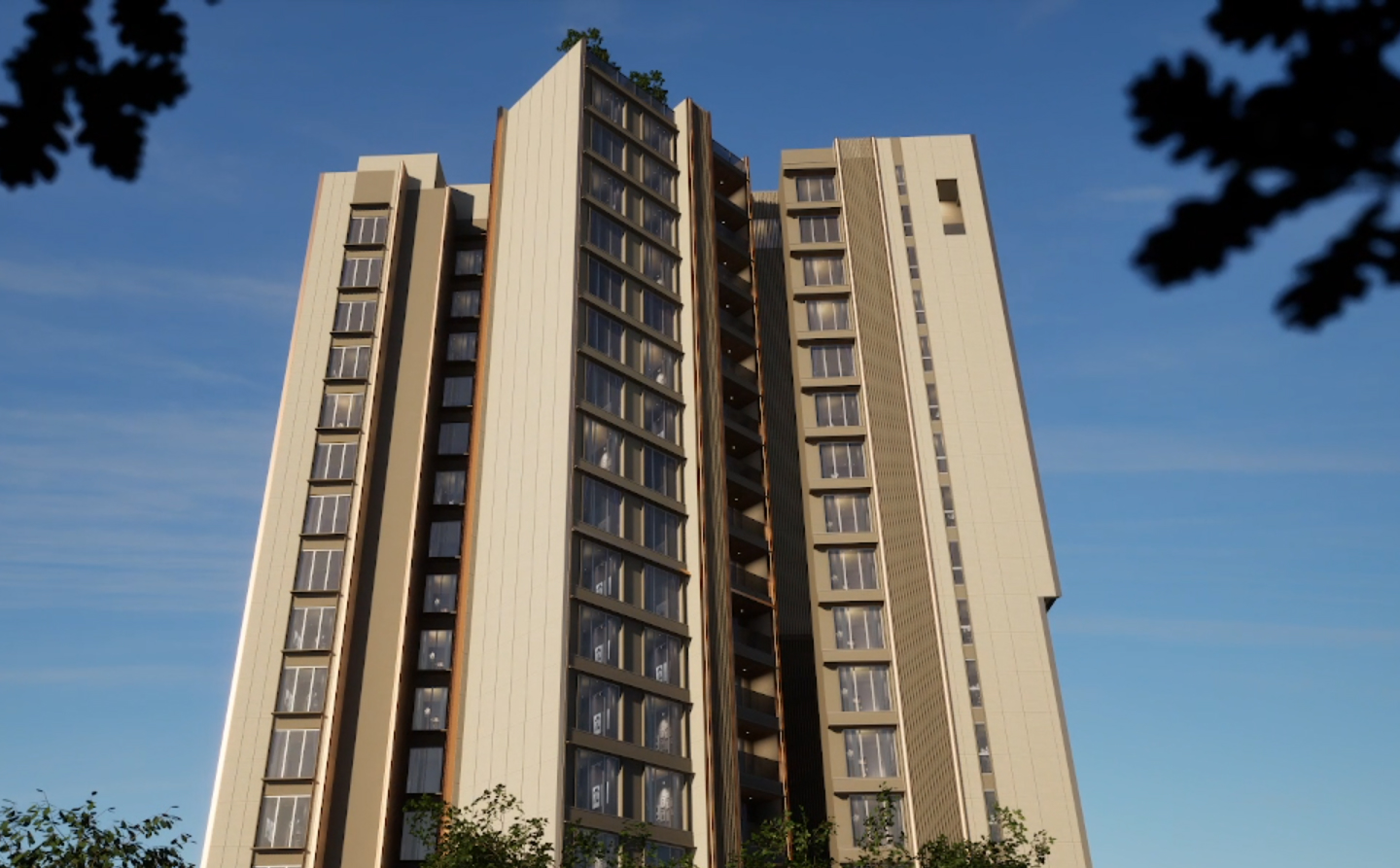
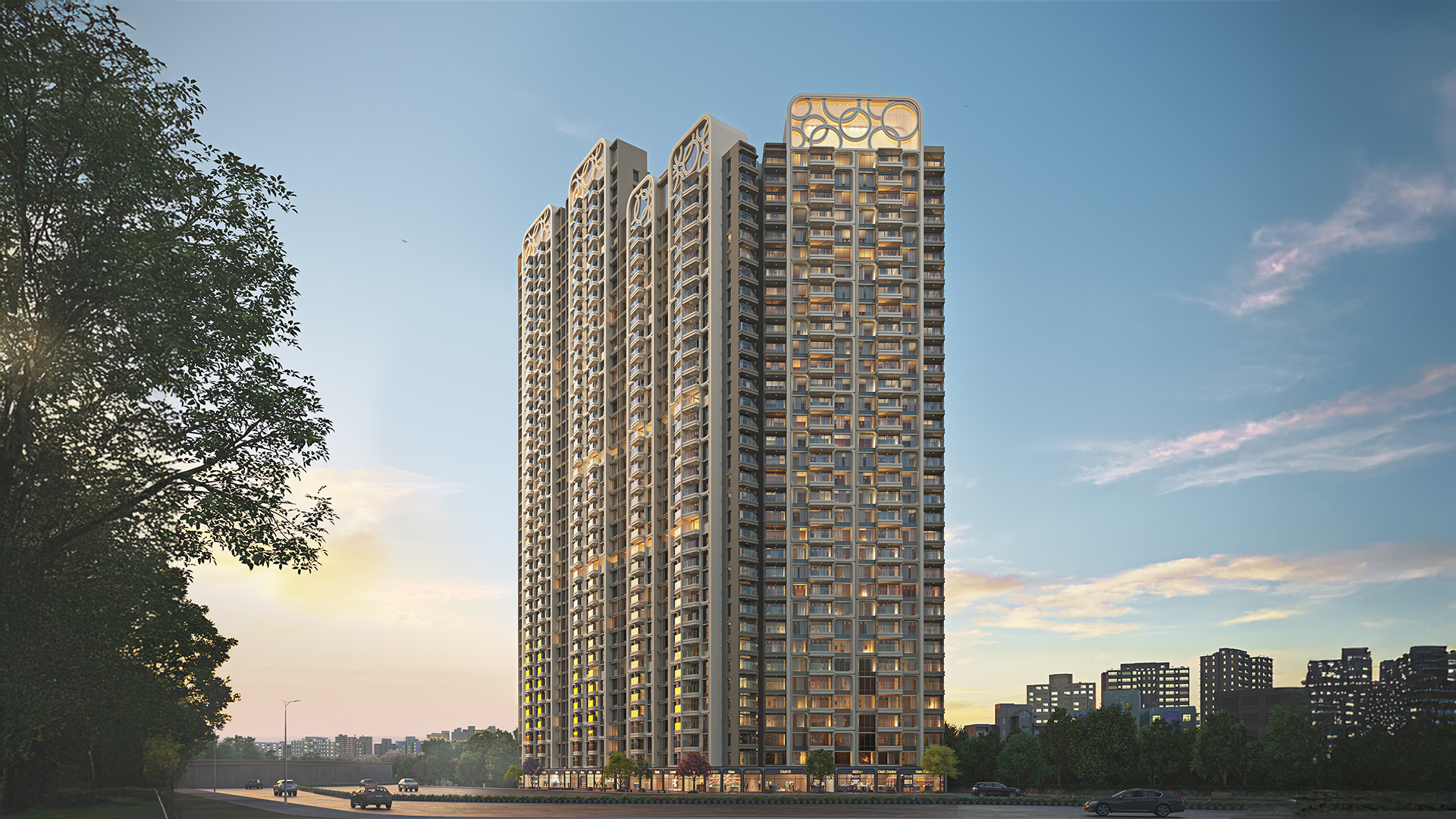
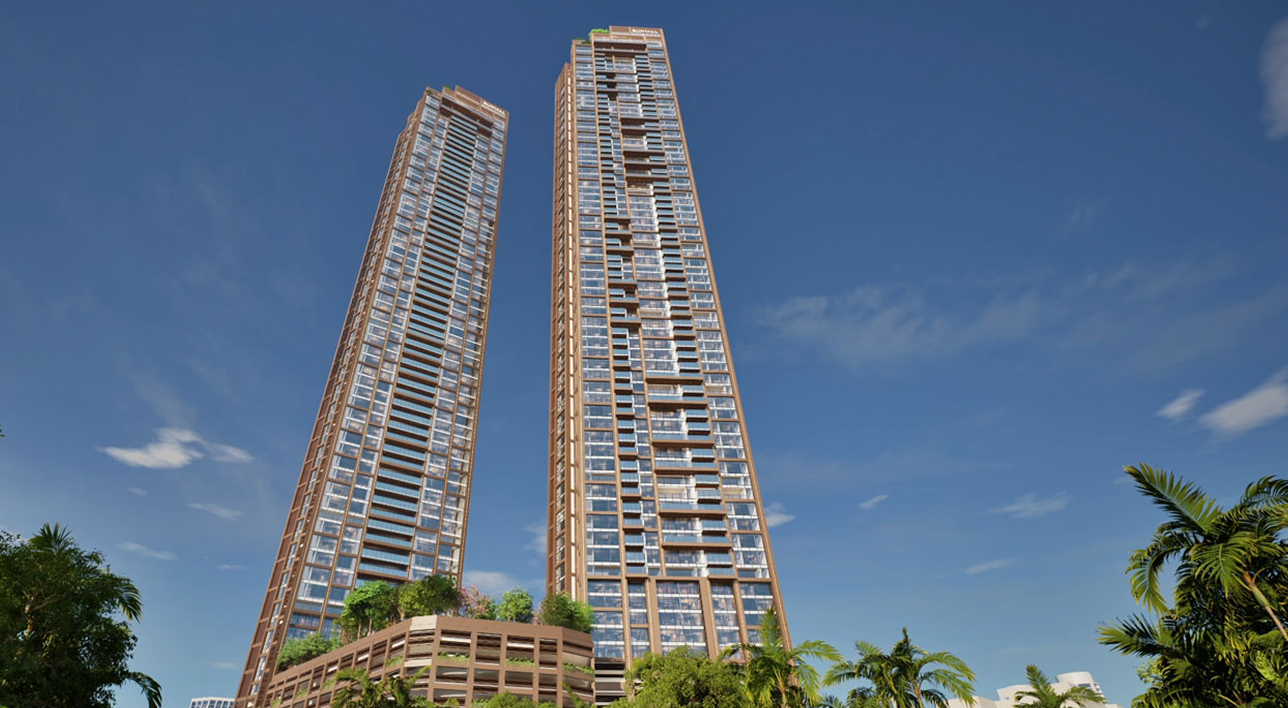
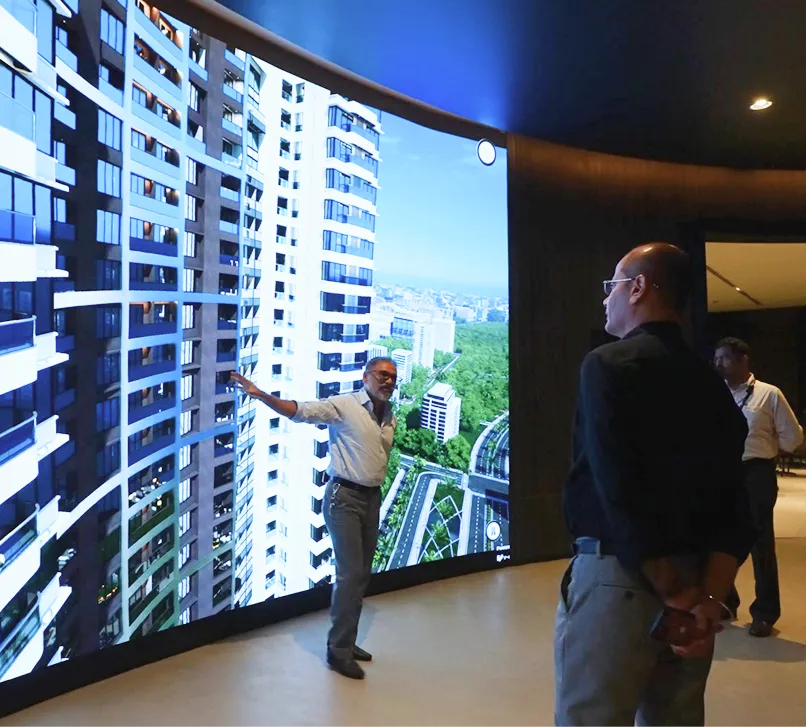
Here's where things get exciting. Modern visualization technologies have become our industry's secret weapon in scaling sustainable practices. Imagine being able to see—really see—how your building will perform before breaking ground.
Through advanced 3D modeling and digital twin technology, we can now:
- Run sophisticated environmental impact simulations that account for everything from solar gain to natural ventilation patterns
- Test different sustainable materials and systems under various climate conditions
- Demonstrate the long-term value of green investments to stakeholders in compelling, visual ways
Daylight and Solar Exposure Visualization

3D visualization can help teams understand how daylight and shadows change across a building throughout the day. Sun-path and time-of-day simulations make it easier to communicate how orientation, surrounding buildings and façade design affect natural light inside different spaces.
Thermal Comfort and Passive Design
Thermal comfort depends on factors such as orientation, glazing, shading, solar exposure and ventilation. When verified building-performance data is connected to a 3D environment, these conditions can be communicated spatially instead of remaining only in technical reports.
Energy and Resource Performance
Sustainability information such as solar-energy systems, water-management infrastructure, landscape areas and other resource-efficiency measures can be presented as visual layers across the development. This helps stakeholders understand where these systems sit within the larger project.
How Visualization Supports IGBC and LEED Project Discussions
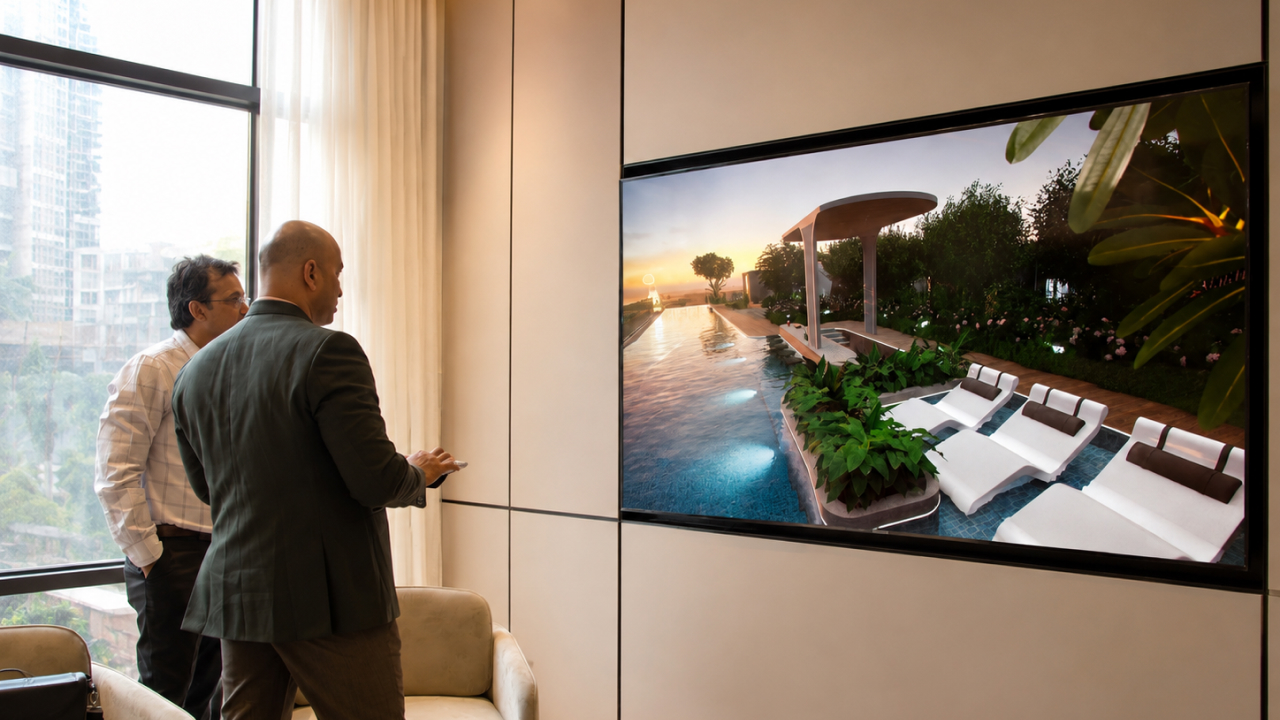
Green-building certifications depend on measurable project performance, documentation and formal assessment. Visualization does not replace those calculations, but it can make approved sustainability strategies easier for project teams, investors and other stakeholders to understand.
Daylight Performance
Visualization can show changing sunlight, shadow patterns and daylight conditions across different parts of a project. This helps teams communicate how orientation, façade design and surrounding structures influence natural light inside occupied spaces.
Thermal Comfort
Verified thermal-performance information can be connected to spatial visualization to explain how orientation, glazing, shading, ventilation and solar exposure relate to indoor comfort.
Energy Efficiency
Energy-efficiency measures such as solar systems, efficient building envelopes, lighting strategies and other resource-saving systems can be shown within the wider project instead of remaining only in technical documentation.
Occupant Health and Well-Being
Daylight, outdoor views, thermal comfort and indoor environmental quality can also be communicated visually, helping stakeholders understand how sustainable design contributes to the everyday experience of the building.
Scaling Success: The Integration Imperative
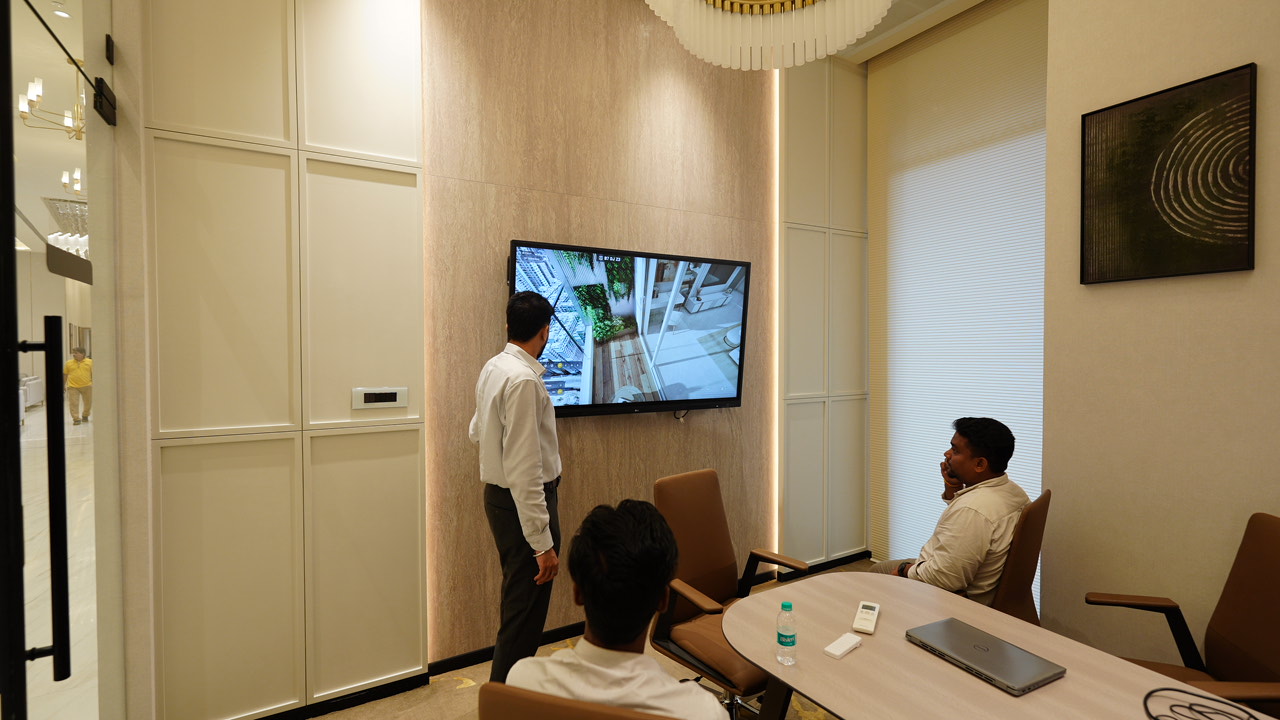
The real breakthrough comes when we integrate these tools into a cohesive system. This isn't about adding more technology—it's about making technology work smarter for sustainable development.
What does this integration look like in practice? Consider a recent project where we implemented a digital framework that:
- Standardized sustainable practices across multiple development sites
- Provided real-time performance monitoring and optimization
- Enabled rapid response to environmental changes and system inefficiencies
- Reduced implementation risks through predictive modeling
The results were remarkable: 35% reduction in energy consumption, 40% less water usage, and a significant decrease in construction waste—all while maintaining project timelines and budgets.
Charting the Course Forward
As we look to the future of sustainable development, several priorities emerge:
Immediate Actions for Developers
- Invest in comprehensive data collection systems that integrate with existing workflows
- Adopt visualization tools early in the planning process
- Build partnerships with technology providers who understand real estate development
- Create standardized frameworks for implementing green practices at scale
Long-term Strategic Considerations
The most successful developers will be those who view sustainability not as a checkbox but as a core driver of innovation and value creation. This means:
- Developing in-house expertise in sustainable technologies
- Creating feedback loops between data collection and implementation
- Establishing clear metrics for measuring sustainable impact
- Building flexibility into development plans to accommodate emerging technologies
The Bottom Line
Let's be clear: the transition to sustainable development at scale isn't just an environmental imperative—it's a business opportunity. The developers who master the integration of data analytics and visualization technologies will find themselves leading the market, not following it.
The tools are here. The technology is proven. The question isn't whether to embrace these changes, but how quickly we can implement them to create value for our stakeholders while contributing to a more sustainable future.
As we move forward, remember that every development decision we make today shapes the environmental legacy we leave tomorrow. By leveraging data and visualization technologies effectively, we can ensure that legacy is one of innovation, responsibility, and sustainable success at scale.