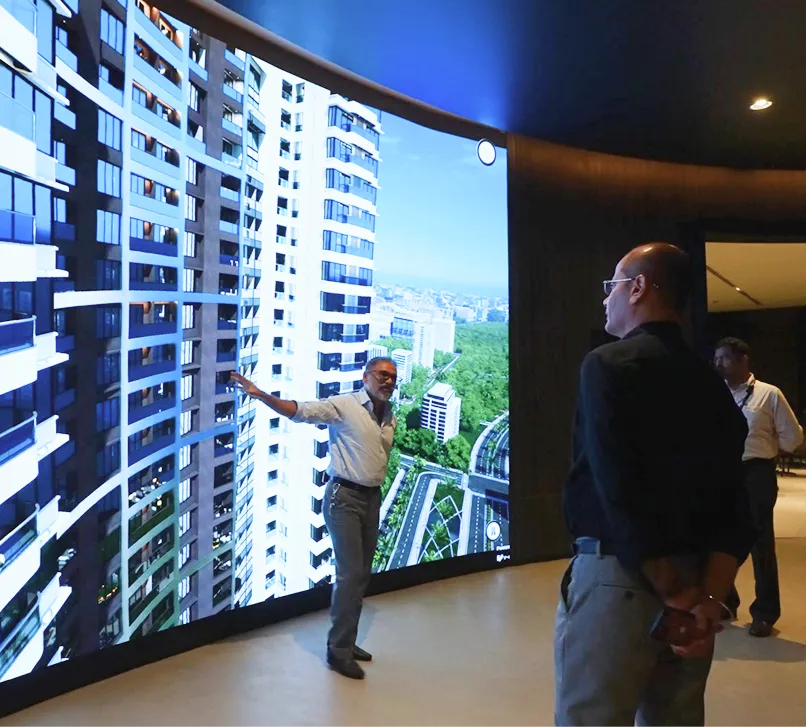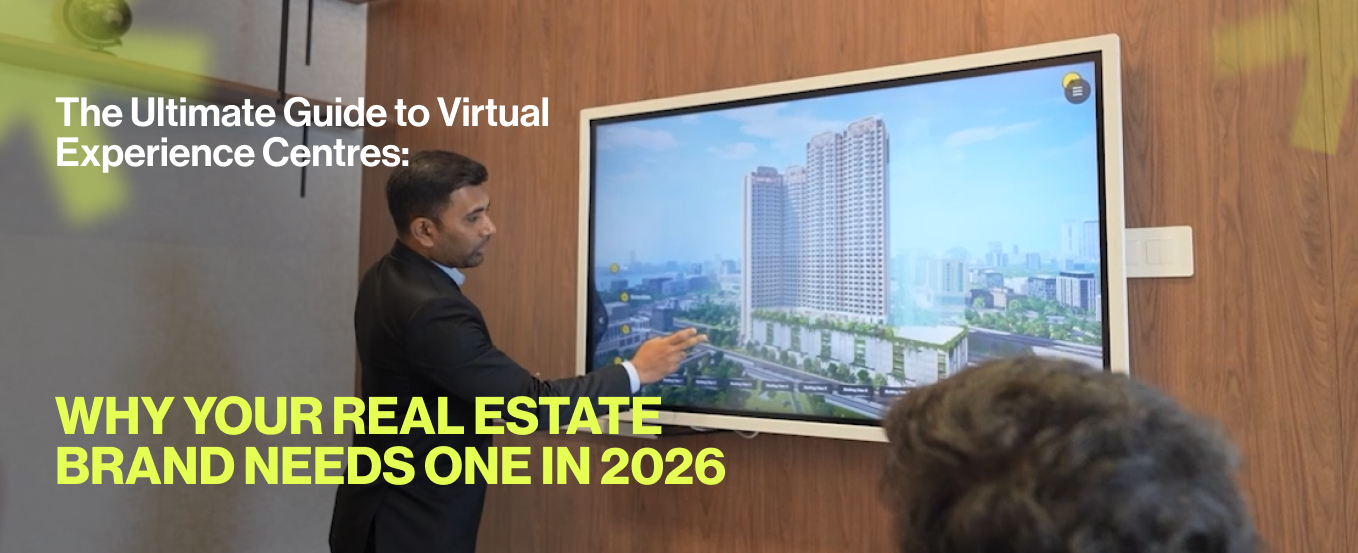
Not getting the results from traditional brochures, which previously worked wonders? Virtual Experience Centres are here to help not just you but even your future customers!
Technology is something that never stops evolving, and Real Estate is one of the many industries that has grown and changed a lot with it, especially in the last decade. Gone are the days when you could simply take your clients on a site visit, hand out a brochure highlighting the potential of your project, explain the unit's features, and close the deal.
The majority of your clientele now comprises Gen X, Millennials, and some even Gen Z. Just relying on your brand's reputation or previous projects isn't enough anymore. People nowadays want to be sure of what they are purchasing, and since homes aren't something you buy every day, it further justifies all of their concerns.
But how do you solve all of their queries when your project is still in development? The answer lies with Virtual Experience Centers (VEC). This isn't really a new technology, and all of the major realtors are already using it, but if you aren't, especially in the year 2026, then you are losing out to them big time. So, to help you not lag behind the competition, here is what Virtual Experience Centres are, how they work better than static tools, their importance, and why you should start using them.
What is a Virtual Experience Centre?
A Virtual Experience Centre is an environment or a space that is digitally powered and uses various technologies like 3D Modelling, Augmented Reality (AR), and Virtual Reality (VR), to name a few. These technologies are selected based on your project's needs and are created to give potential buyers an interactive experience of what they can expect from their dream home.
The reason it is better than static brochures, blueprints, or floor plans is that it gives buyers the ability to explore their apartments virtually to give them a better idea of what they are getting. Some of the features it provides include letting them:
Walk through their entire apartments.
Experience day/night lighting in different rooms.
Explore amenities.
Experience shadows and how they interact with your balcony or furniture.
Experience the neighbouring vicinity in real time.
These are just a few of the basic but essential examples of what the buyers may want to experience before making a decision. But what makes them so useful is that these virtual experience centers don't always have to be physical; they can also be digital only or a hybrid of both.
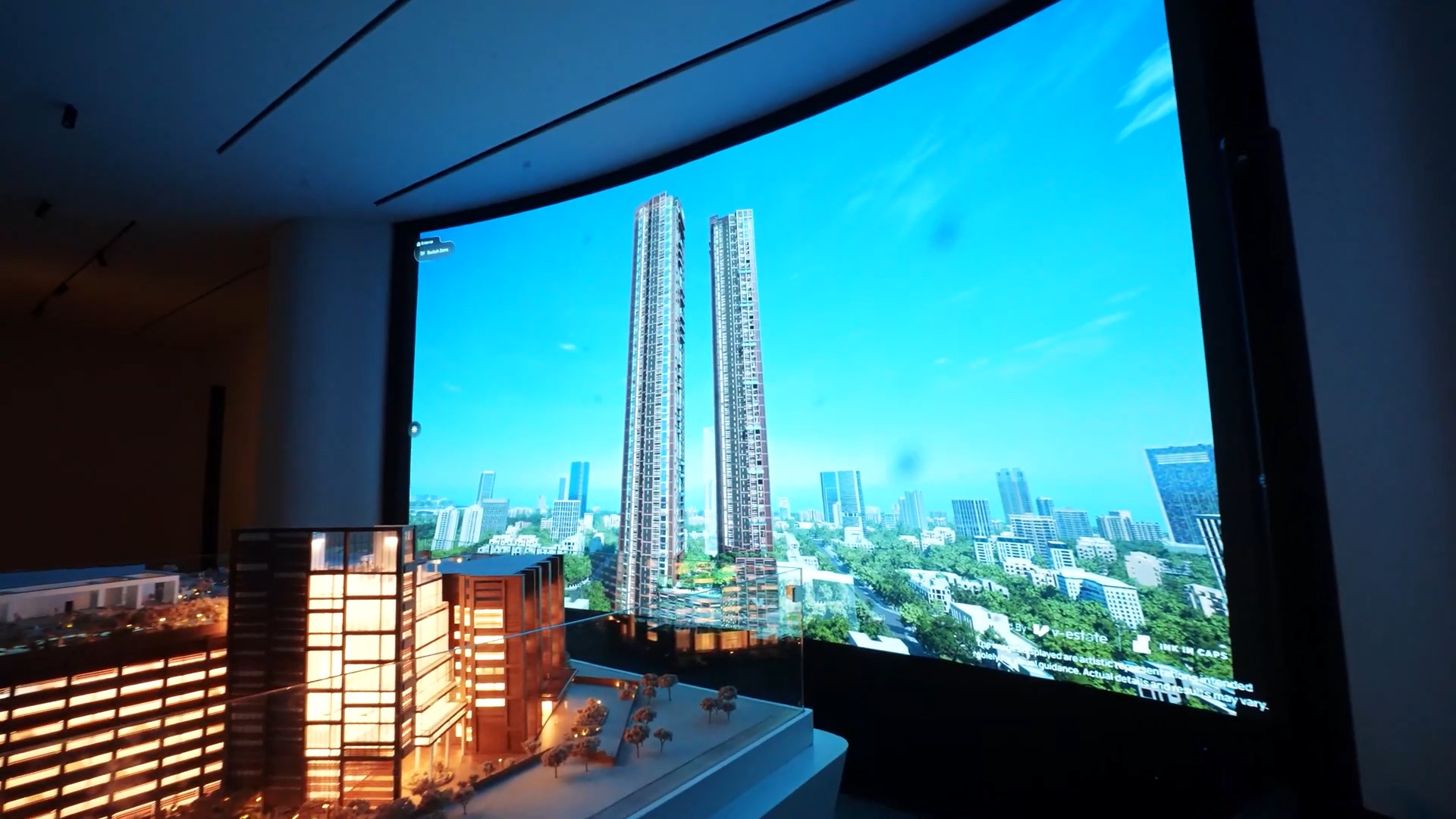
Why Static Tools and Traditional Marketing in Real Estate aren't Enough Anymore
The biggest problem with traditional marketing, or when you only rely on static tools like brochures or floor plans, is the lack of clarity. As such, it comes down to the buyer's imagination. So, if they understand your vision and it aligns with them, it may convert into a sale.
However, when it doesn't, you end up having to repeatedly explain the same things, use incomplete units for site visits, or rely on your previous projects and reputation to make the buyer believe that their new home will have everything that your brochures offer.
Fortunately, with Virtual Experience Centers, this friction reduces several-fold. Most of the doubts the buyers have can be solved almost instantaneously by showing it to them. This not only reduces friction but also makes the experience more immersive for them, which in turn makes your brand more reputable and trustworthy.
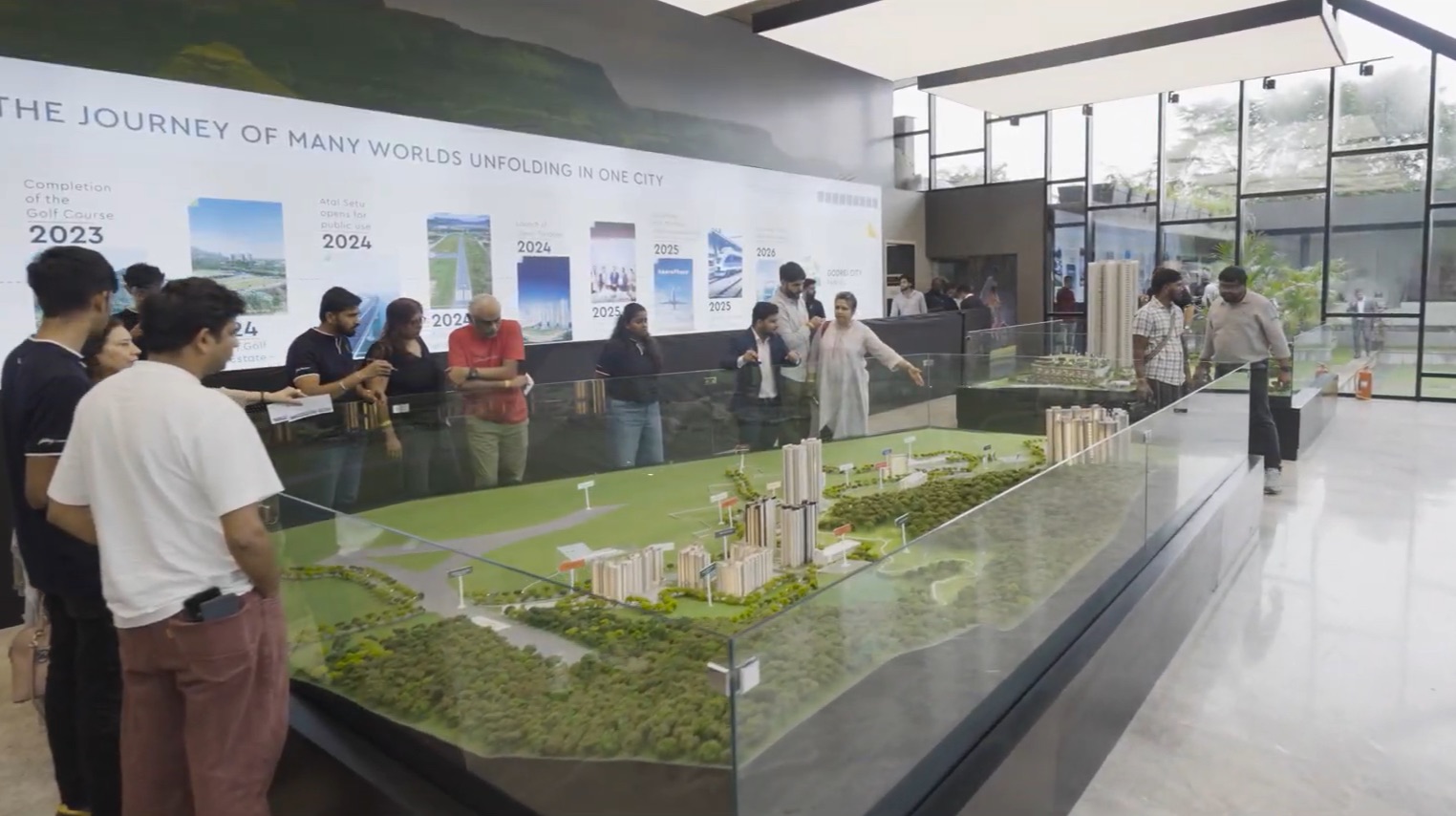
Importance of VECs and Why You Need One in 2026
In today's day and age, Virtual Experience Centers are practically a necessity as not having one not only makes your brand look outdated, but also harms you in more ways than one:
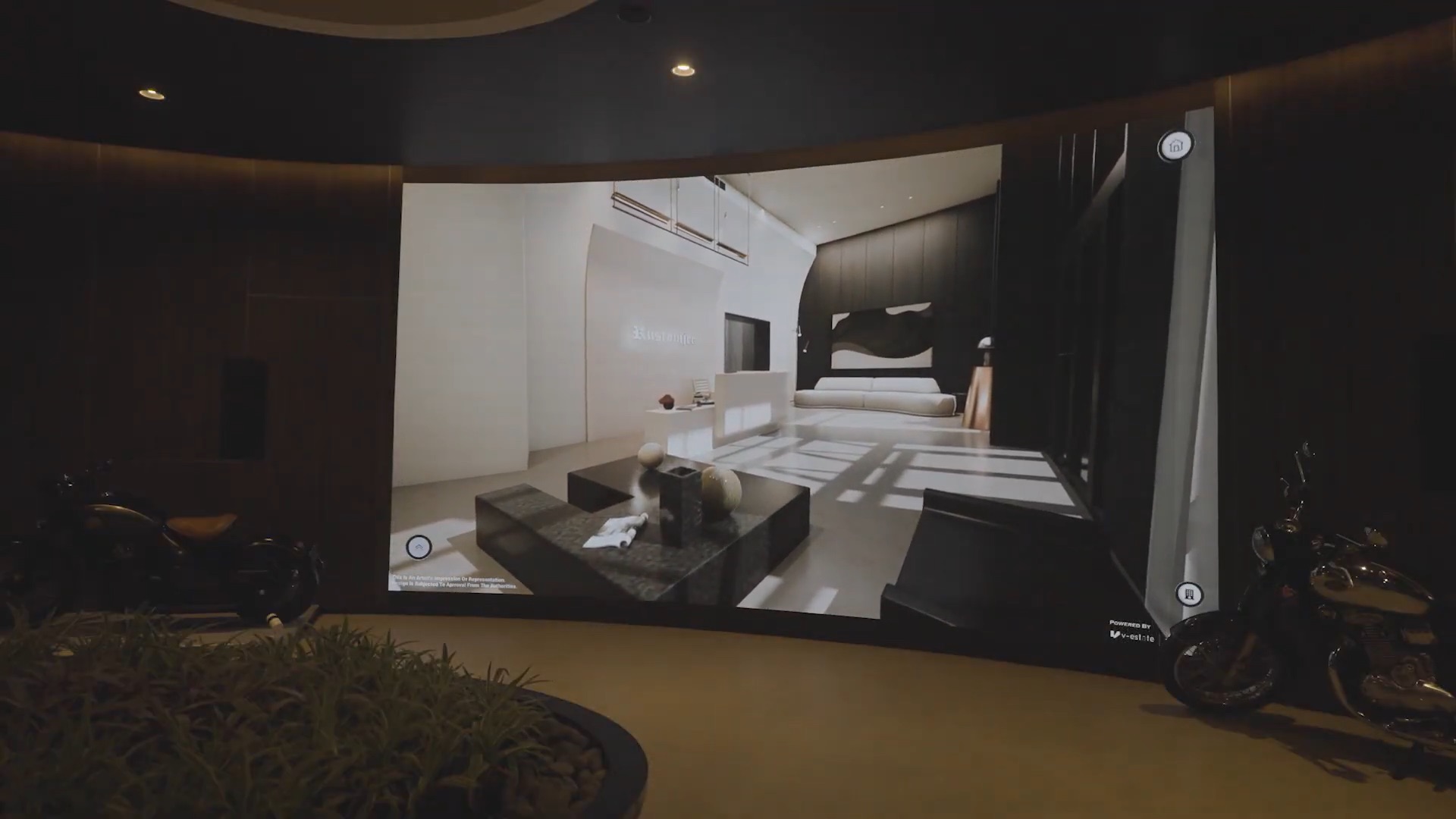
Poor Brand Image: People will view you as less innovative when compared to your competitors. Realtors like Rustomjee, JP Infra, Godrej, and more are already using it, which shows that they are keeping up with the current industry trends.
Unclear expectations: Since customers only get views of your project through static brochures, the end result may leave a bad impression on them, as it didn't meet the final image they had in their mind.
Missing out on Behavioural data: One of the biggest advantages of a VEC is that you get to learn about the user's behavioural pattern. This means you can learn more about the models that interested them, what features they used, and more. Meanwhile, physical site visits offer very limited data in comparison.
But on the flip side, when you do use a VEC, you get the benefits of:
Faster Sales Cycles: Interactive demos make it easier to access information, which reduces friction and makes decision-making easier.
Increased Engagement: With a Virtual Experience Centre, the buyer doesn’t have to rely overly on the salesperson, instead they can choose to explore the units at their own pace. This significantly increases the engagement rate, and in many cases, often doubles it. For example, Rustomjee saw engagement time increase to 50 minutes from 20, which was more than double.
Improved Conversion Rate: When clients have better clarity of the project, it vastly improves the chances of them going ahead with their purchase. This leads to a better conversion rate.
Immersive and Interactive Experience: A VEC gives the power to the buyer as it lets them interact with their potential new home in ways that give them a feeling of already owning it. Not only is it a memorable experience for them but it also leaves a positive image for your brand in their minds.
24/7 Available and Globally Accessible: Unlike a physical showroom, which can only be visited for a certain duration of the day. A VEC is available to you and your users 24/7, and the best part is, if it is digital only, it also becomes globally accessible. Saving your potential clients from a physical visit.
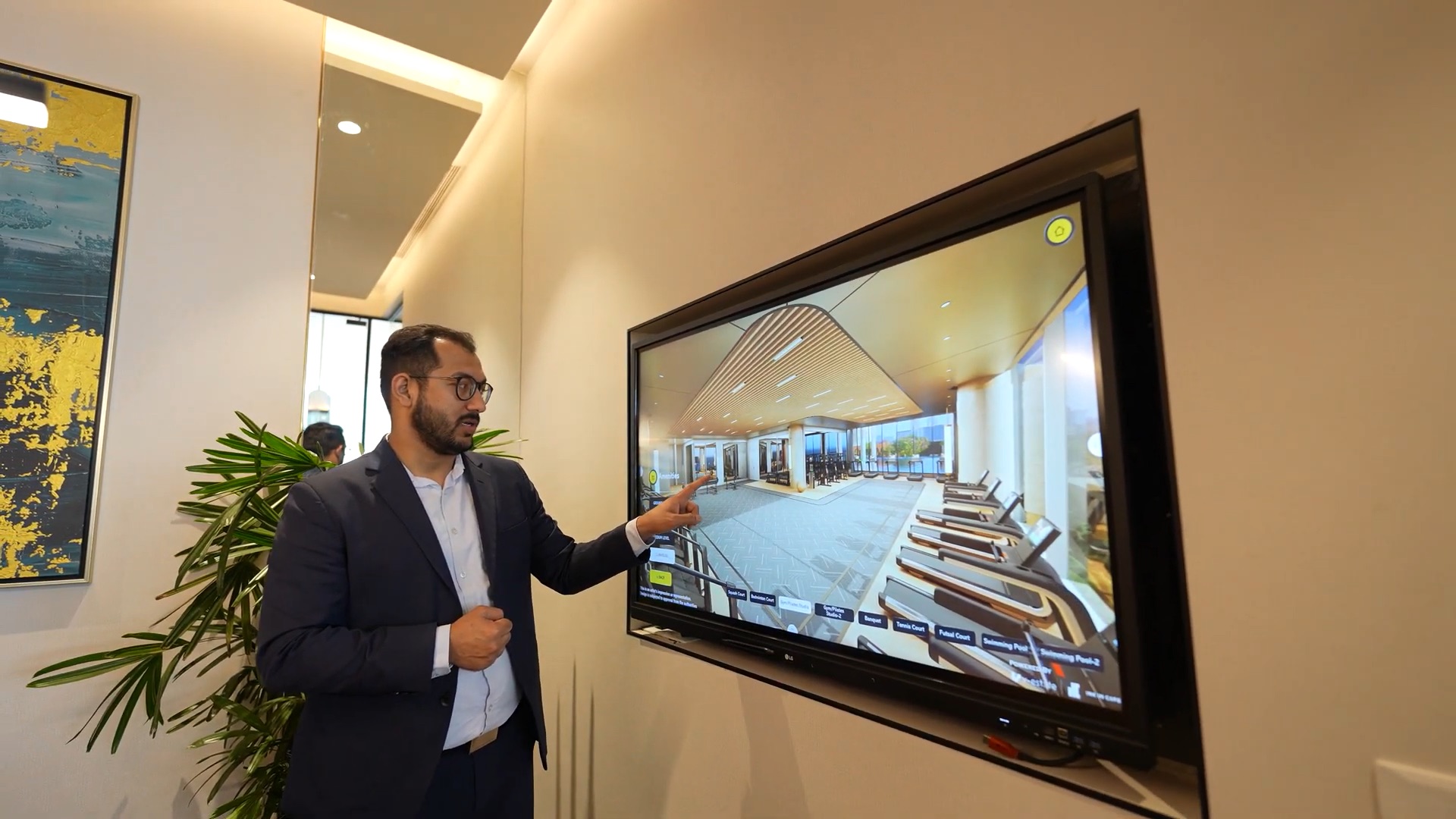
Real World Examples where Virtual Experience Centres Made a Difference
At V-Estate, we don't just build a VEC that only looks impressive. Our goal is to drive engagement, shorten sales cycles, and give your audience a reason to stay, explore, and convert. But don't just take our word for it, some of the biggest leading realtors in the industry choose to work with us, and we have the results to show for it:
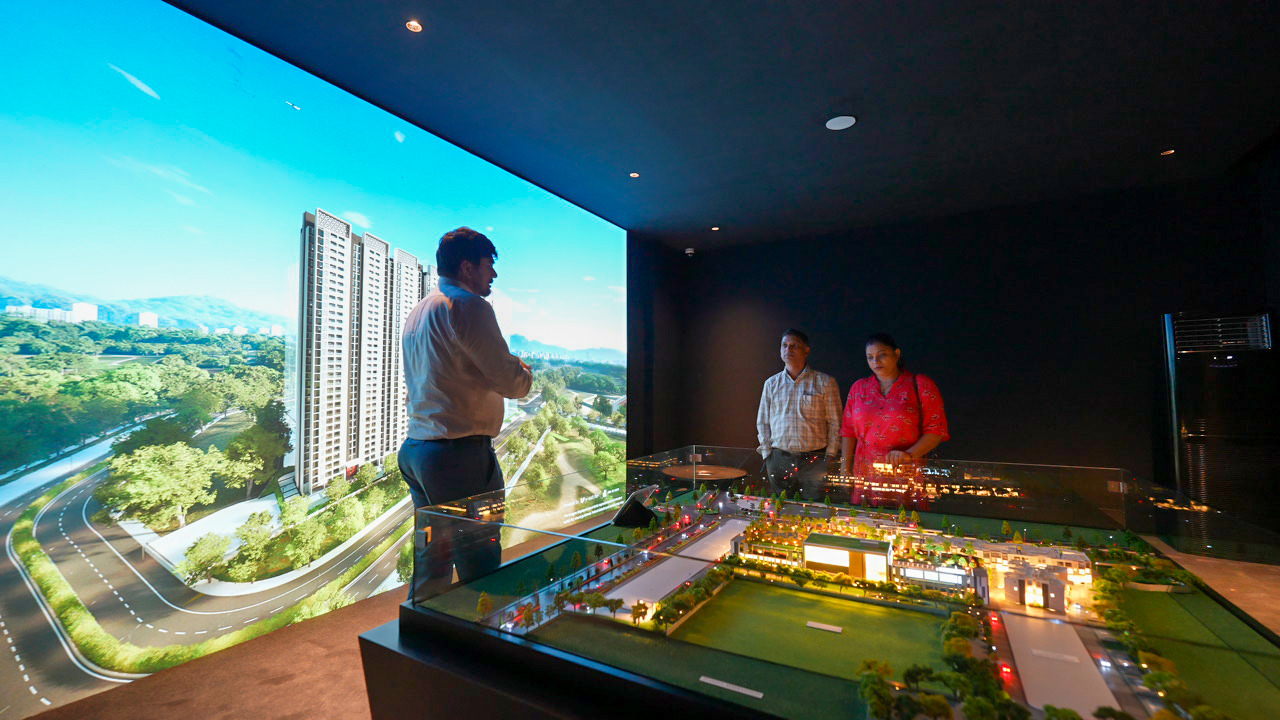
We created a modern 4-zone immersive experience centre. That answered the viewer's every query from the building perspective to what the sample flats would look like.
This led to over 700 demos, 75% reduction in marketing materials, and, most importantly, all 4BHK variants being successfully sold through the interactive software.
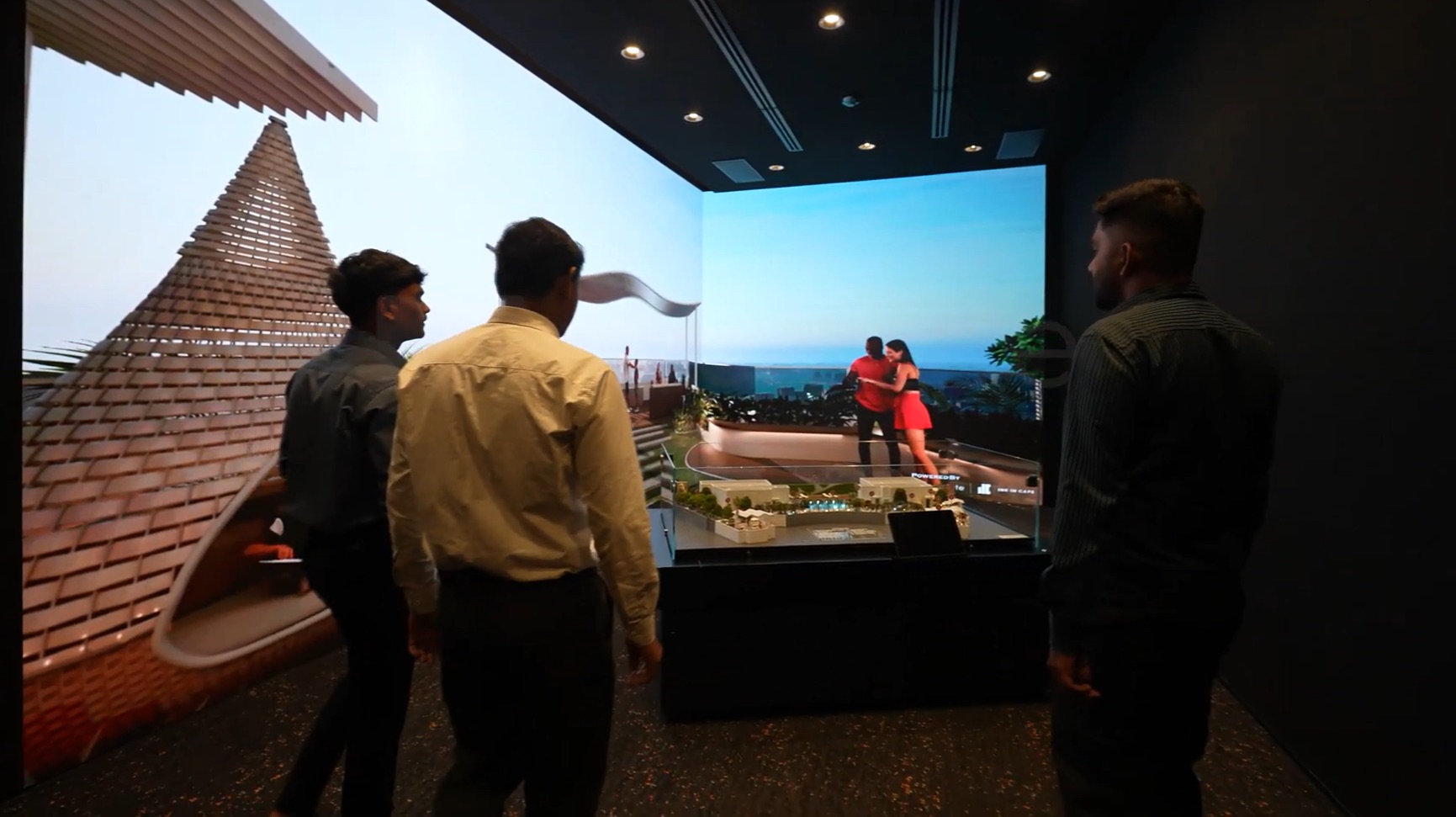
We used large screens, IoT scale models, and texture boards to showcase the Raaya’s architectural identity. From bronze façades to sea-facing decks, all of it was achieved in a tangible and believable way.
The project ended up having blockbuster sales on launch day. It was such a hit that it positioned Runwal Realty as a pioneer, setting new standards for luxury real estate sales experiences in India.
Not Too Late To Adapt Yet
Much like every other industry, Real Estate is no exception when it comes to keeping up with and adopting new technologies. Virtual Experience Centres are a must now more than ever because they:
Replace imagination and vagueness with interactive immersion and clarity.
Turn a boring site visit into a futuristic, memorable experience.
Give insightful data on how viewers go about their visits and what they look for.
Becomes accessible to a wider audience and converts them into sales.
Is your brand ready to create an experience that your buyers won't forget? Book a demo with our experts and let's create a Virtual Experience Centre that you need and your buyers want.