Imagine a prospective buyer sitting in a high-end real estate experience centre. They are considering a multi-million-dollar penthouse. The sales director steps forward, opens a meticulously designed, velvet-bound brochure, and points to a two-dimensional floor plan, describing the majestic double-height ceilings and the panoramic ocean views.
The disconnect is immediate. The developer is attempting to sell a highly sophisticated, multi-million-dollar spatial experience using a flat, static piece of paper.
In the high-end real estate market, the quality of the asset must be matched by the quality of the pitch. Affluent buyers no longer respond to rehearsed sales scripts or static architectural renderings. They expect clarity, transparency, and a deep understanding of the space they are purchasing. To sell successfully in this tier, developers and sales teams must adopt a new vocabulary—one built not on adjectives, but on interactive, visual evidence. This is the new language of premium property presentation.
The Buyer’s Perspective: The Need for Spatial Certainty
High-net-worth individuals are accustomed to precision. When purchasing premium real estate, they are not merely buying square footage; they are investing in a specific lifestyle, privacy, and architectural quality.
However, from the buyer's side of the table, traditional presentation methods create a heavy cognitive load. Translating a 2D floor plan into a 3D mental model is difficult, even for experienced investors. A buyer looking at a static master plan will inevitably ask questions that paper cannot answer: How close is the neighbouring tower? Does the afternoon sun reach the master bedroom? What exactly will I see from the balcony on the 34th floor?
When buyers are forced to guess, they hesitate. They struggle to visualize the flow from the formal living area to the private dining space. They cannot feel the volume of a vaulted ceiling or gauge the scale of the master suite. If the presentation leaves room for ambiguity, the buyer’s confidence wanes, and they often defer their decision. For the premium buyer, certainty is a prerequisite for a signature on a contract.
The Sales Perspective: The Struggle to Sell Invisible Value
For real estate sales teams and channel partners, selling premium, unbuilt property is a unique challenge. They are tasked with selling invisible value.
Developers spend considerable capital on premium architectural details—imported materials, specific sightlines, intricate landscaping, and complex amenity layouts. Yet, sales professionals often find themselves struggling to articulate these nuances. Describing a "breathtaking view" or a "seamless indoor-outdoor transition" sounds hollow if the buyer cannot see it.
Furthermore, high-end buyers are naturally inquisitive and detail-oriented. If a salesperson has to constantly pause a presentation to find a specific rendering, flip through pages of a brochure to locate a site map, or simply say, "You just have to imagine how beautiful this will look," the momentum of the sales conversation is lost. The traditional presentation toolkit limits the sales team's ability to fluidly navigate the buyer's specific interests and objections.
How Presentation Impacts the Sales Equation

The method of premium property presentation directly impacts the underlying economics of the deal. When the perceived value of a property is unclear due to poor presentation, price becomes the primary focus of the negotiation.
If a buyer fully comprehends the exact orientation of a luxury villa, the privacy it affords, and the premium nature of its layout, they understand why it commands a premium price. The value is justified visually. Conversely, if a buyer cannot differentiate a premium unit from a standard one because both are represented by similar-looking floor plans, they will naturally push back on the asking price.
Poor presentation lengthens the sales cycle. It requires multiple follow-up meetings, additional explanations, and prolonged deliberation periods. A sophisticated presentation, on the other hand, compresses the decision-making timeline by answering complex spatial questions immediately and authoritatively.
Speaking the New Language: Interactive and Visual
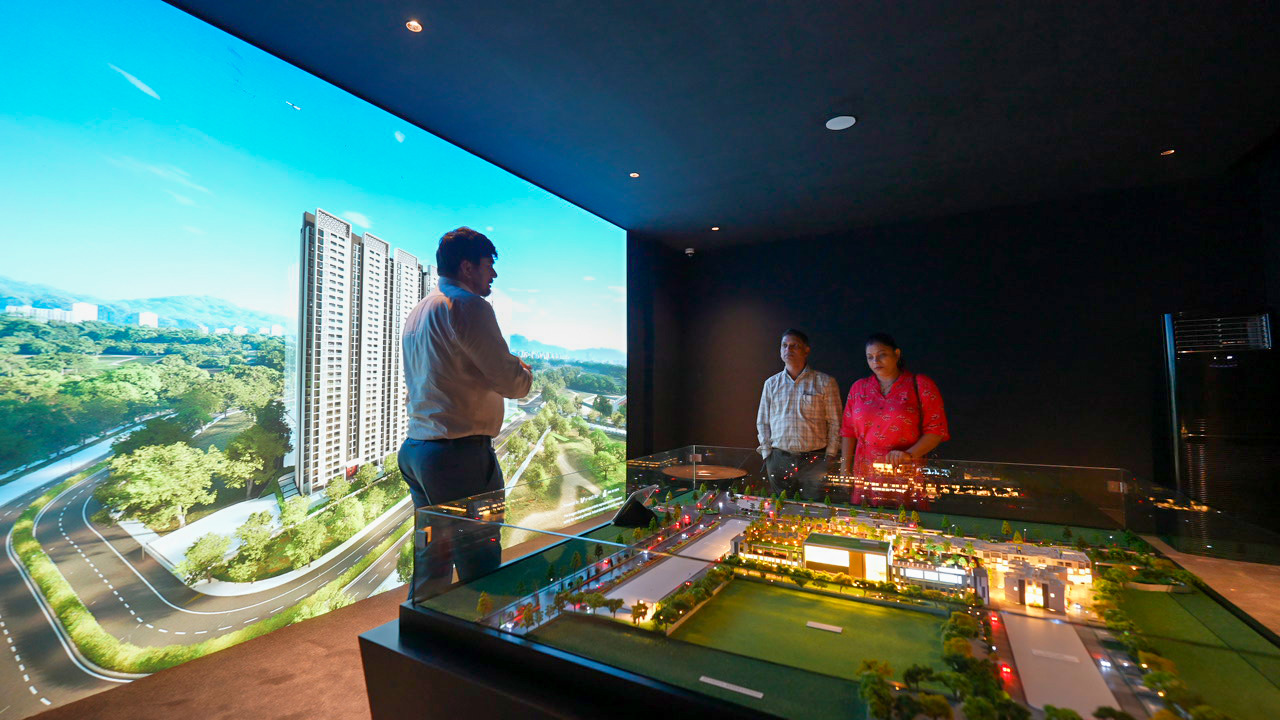
To bridge the gap between the developer's vision and the buyer's understanding, the industry is shifting toward a highly interactive visual language. This approach relies on spatial computing and visual technologies to replace imagination with demonstration.
Interactive Property Walkthroughs
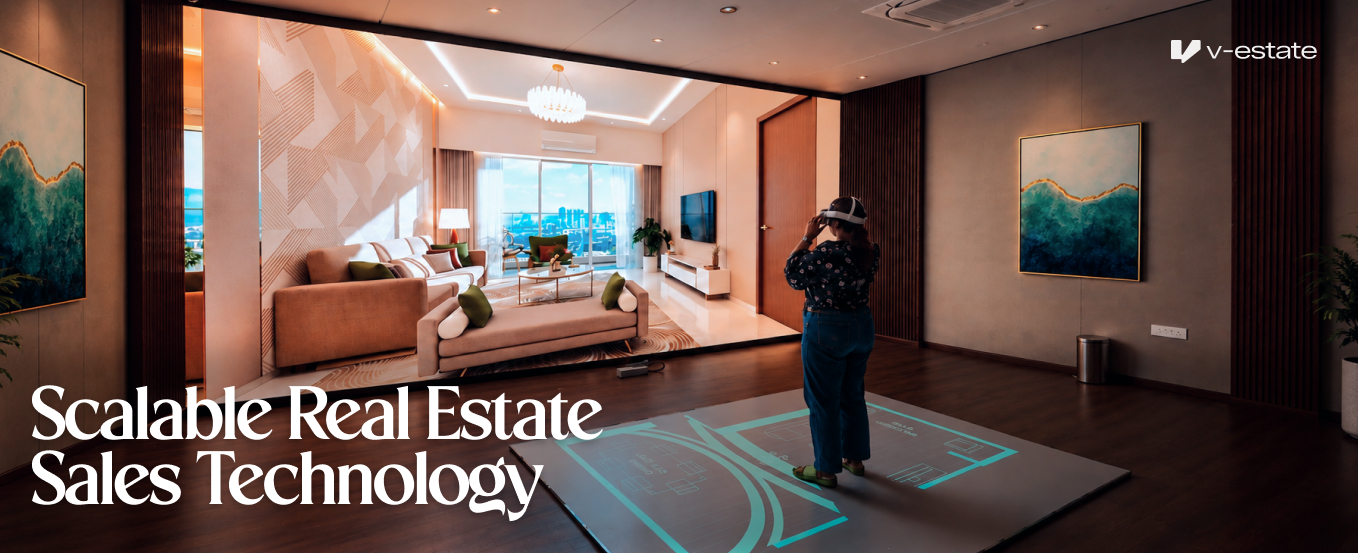
Instead of pointing at a static rendering of a living room, sales teams can now guide buyers through a digital model of the home. Interactive property walkthroughs allow buyers to navigate the space as if they were walking through it physically. They can stand in the kitchen, look toward the living area, and understand the true scale and flow of the residence. This interactivity shifts the buyer from a passive observer to an active participant in the presentation.
Floor and View Visualisation
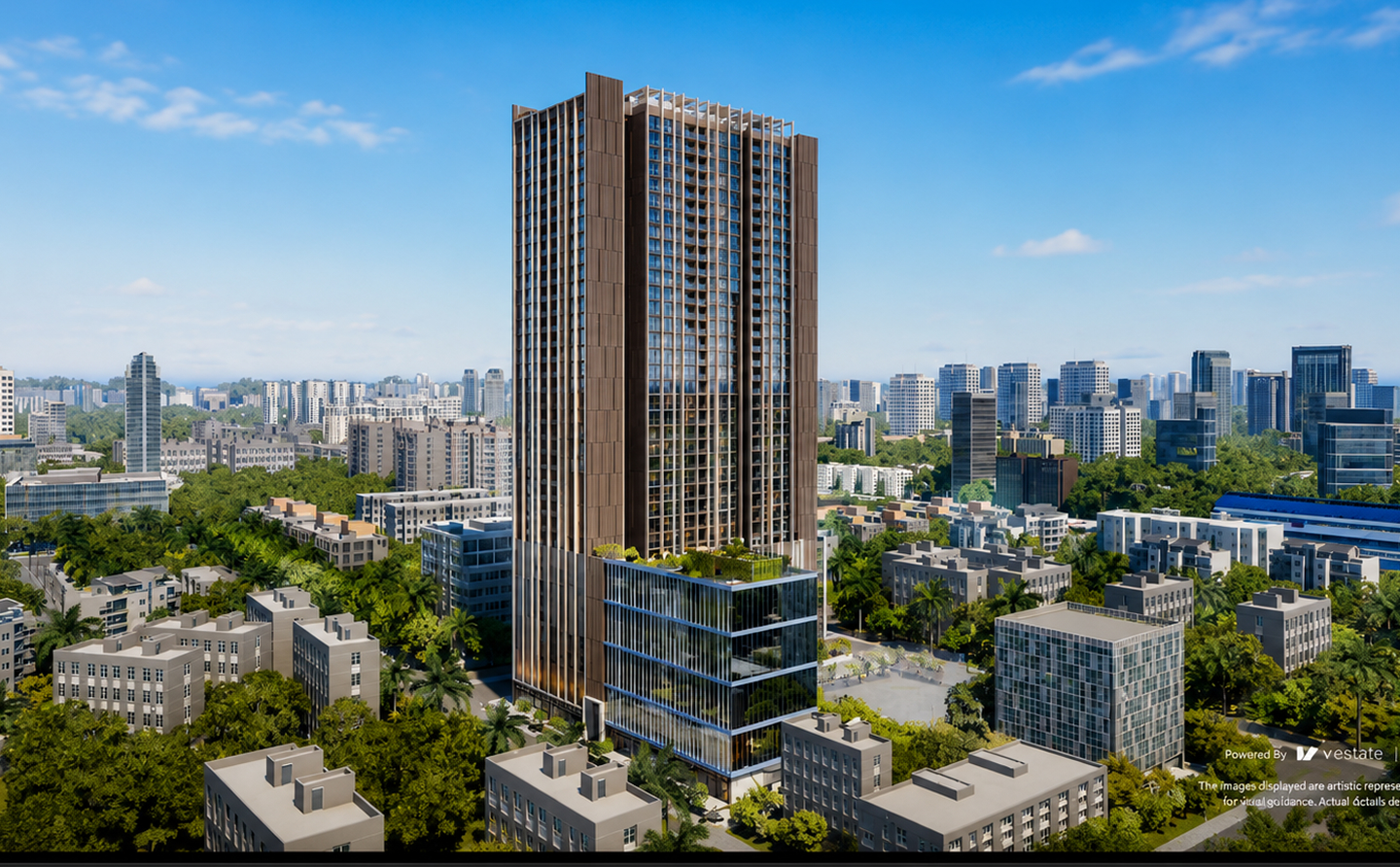
For high-rise developments, the view is often the most expensive component of the property. The new standard of presentation involves exact view visualisation. Using drone-captured panoramas integrated into digital twins, sales teams can show buyers the exact line of sight from a specific floor. The conversation changes from, "You will have a city view," to, "This is exactly what you will see from your balcony at sunset on the 22nd floor."
Real-Time Configuration
Premium buyers often want to understand their customization options. Interactive presentation tools allow sales teams to switch material finishes, swap flooring types, or change cabinet colors instantly during the pitch. This real-time configuration keeps the buyer engaged and allows them to take mental ownership of the space as they customize it to their preferences.
Interactive Master Plans and Connectivity Mapping
For large luxury estates or mixed-use developments, buyers need to understand their home's context within the wider community. Interactive maps allow sales teams to zoom out, showing the property's proximity to clubhouses, green spaces, entry gates, and external connectivity points like major highways or business districts.
Upgrading the Experience Centre Conversation
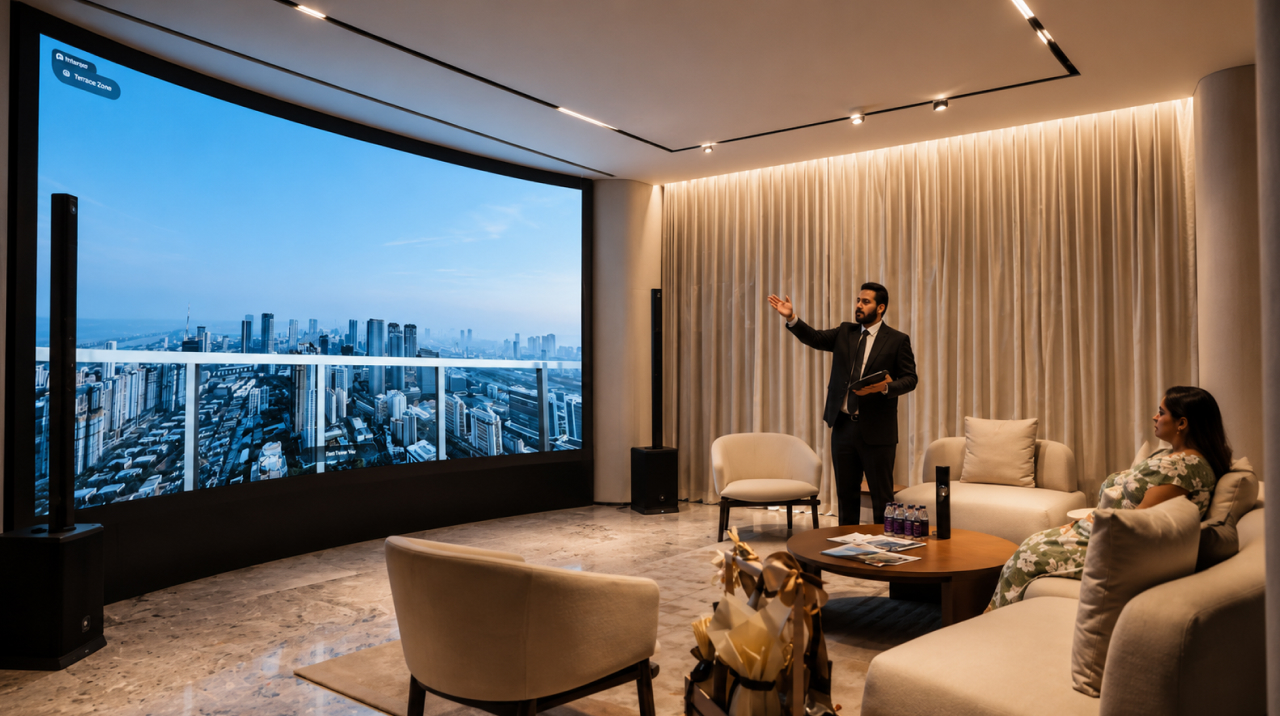
The physical space where these conversations happen—the experience centre—must also evolve to support this new language. The days of buyers crowding around a small printed book or an unchangeable physical scale model are fading.
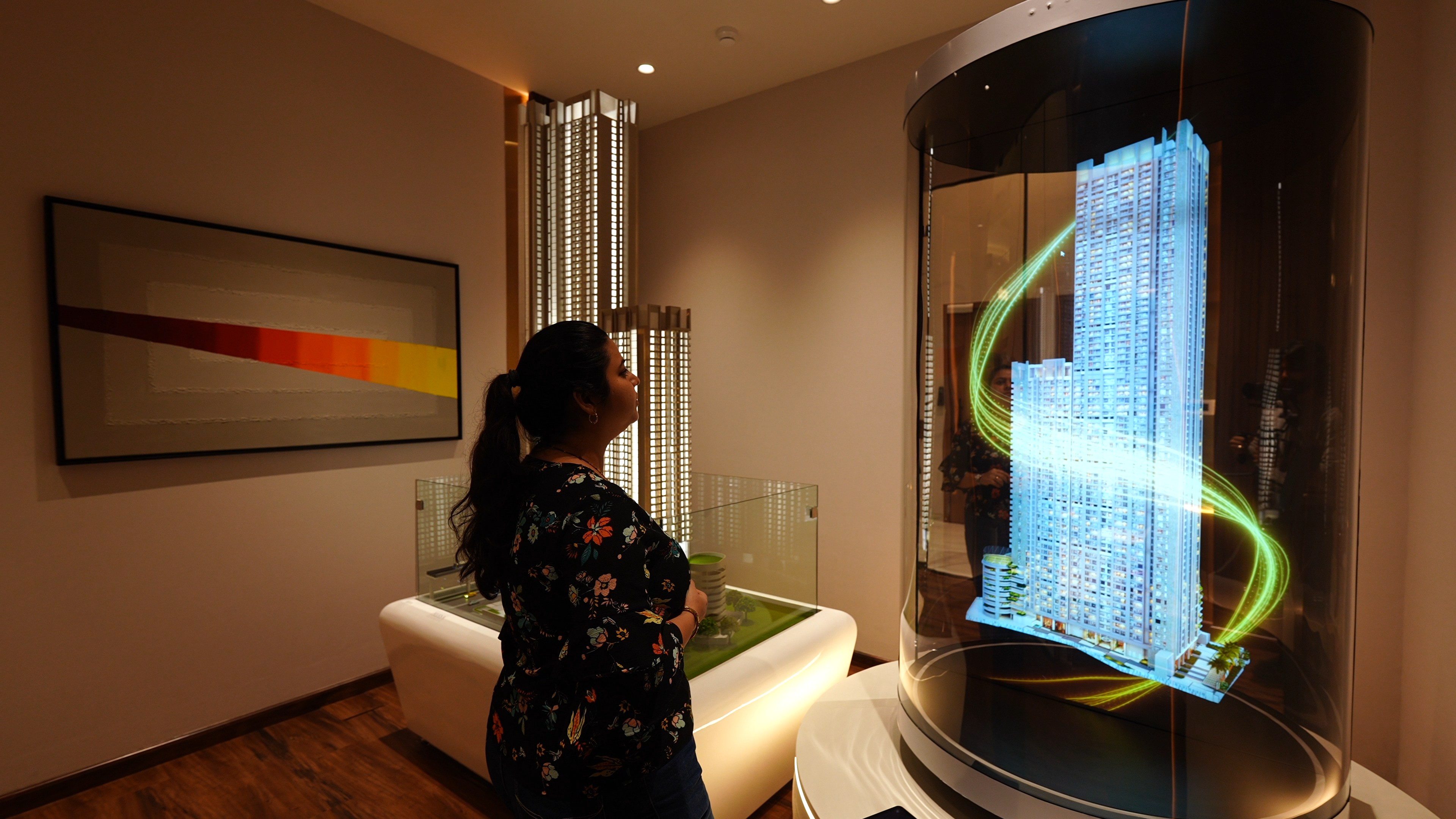
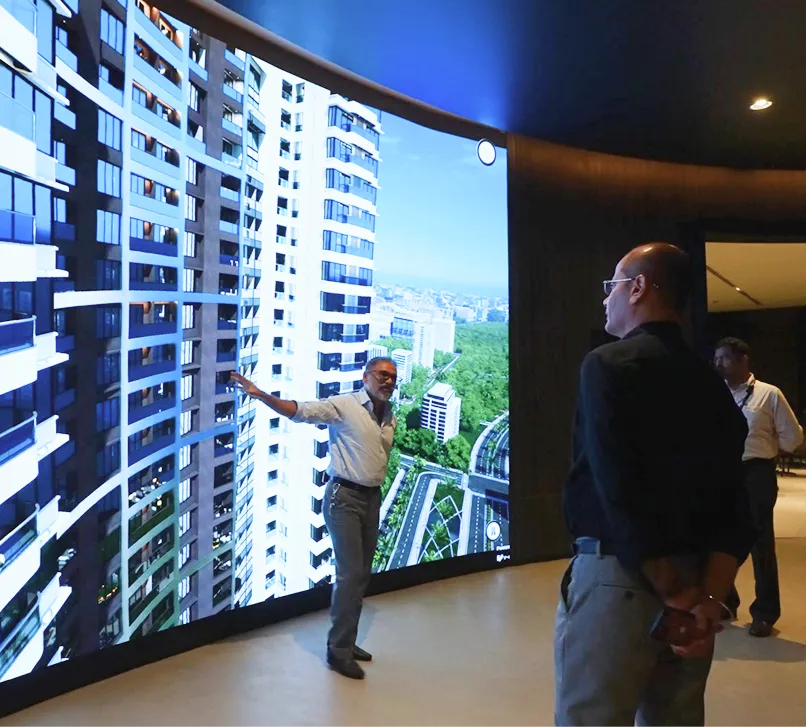
Modern experience centres use large touchscreens or interactive display walls. The screen acts as a digital canvas, becoming the focal point of a collaborative conversation. A broker or sales director can stand shoulder-to-shoulder with the buyer, navigating through a highly detailed 3D environment, pulling up floor plans, analyzing views, and answering questions in real-time with visual proof.
This is where specialized platforms become essential. For developers looking to equip their sales teams with these capabilities, V-Estate provides the necessary digital architecture. By transforming complex architectural files into smooth, interactive 3D presentations, V-Estate enables sales teams to conduct fluid, high-fidelity property presentations directly on touchscreens or tablets, ensuring the technology supports the sales narrative rather than complicating it.
Conclusion
The way a premium property is presented should reflect the quality of the property itself. High-end buyers require a sophisticated approach that respects their time, answers their detailed questions, and provides absolute clarity before they commit to a purchase. By abandoning static, outdated methods and adopting the new language of interactive, visual presentation, real estate developers and sales teams can build deeper buyer confidence, elevate their brand perception, and facilitate smoother, more decisive sales conversations.
If your sales team is still relying on 2D plans and static brochures to sell luxury real estate, it may be time to upgrade your presentation toolkit. Consider exploring how interactive 3D platforms like V-Estate can help your team articulate the true value of your premium developments.