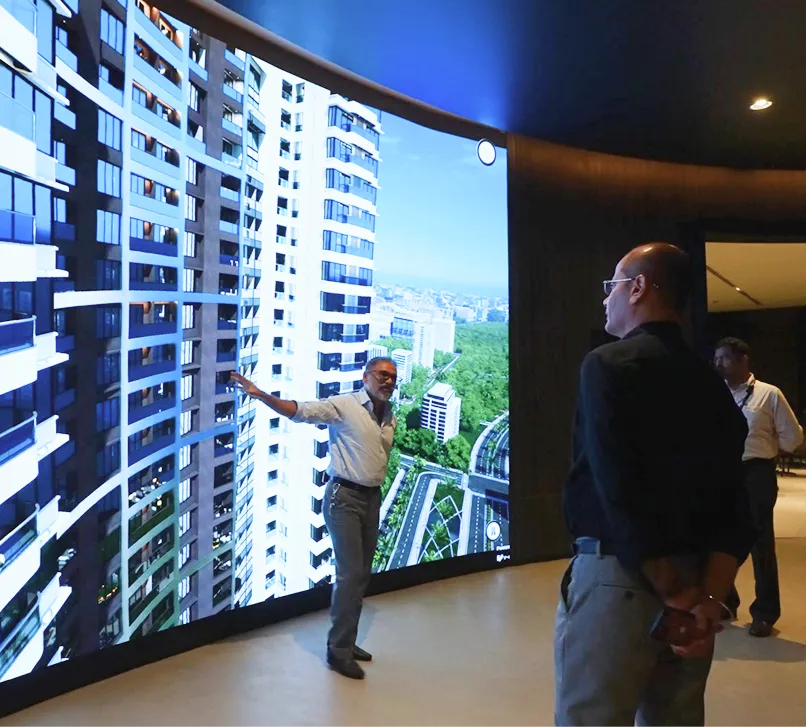
Property developers face a persistent challenge: how do you truly understand what drives a buyer's decision when they're exploring your developments? The traditional approach of static brochures and scheduled site visits often leaves gaps in understanding genuine buyer interest and intent.
The real estate landscape has evolved dramatically. Today's buyers expect immersive experiences that allow them to explore properties on their own terms, diving deep into details that matter most to them. This shift has created both an opportunity and a necessity for developers to rethink how they engage with potential buyers.
The Hidden Language of Buyer Behavior
Every click, every pause, every interaction tells a story. When a prospective buyer spends fifteen minutes exploring a particular floor plan, they're communicating something vital about their preferences. When they repeatedly return to view the same property's amenities, they're revealing their priorities. These digital footprints form a comprehensive map of buyer intent that traditional sales methods simply cannot capture.
Understanding buyer intent isn't about reading minds—it's about recognizing patterns in behavior that indicate where someone stands in their decision-making process. A buyer who downloads multiple floor plans is likely in a different stage than someone who's customizing interior layouts or checking sunrise views from specific windows.
Decoding the Three Stages of Property Buyer Intent
The journey from curious browser to committed buyer unfolds in distinct phases, each requiring different approaches and content strategies.
The Awareness Stage: When Dreams Take Shape
At this initial stage, buyers are grappling with fundamental questions. They might be first-time homebuyers trying to understand what's possible within their budget, or families outgrowing their current space. Their intent signals are primarily informational—they're consuming educational content, researching neighborhoods, and trying to clarify their actual needs versus wants.
During this phase, interactive tools that help buyers visualize possibilities become invaluable. Virtual neighborhood tours, lifestyle videos, and educational content about the buying process resonate most strongly. The key is providing value without pressure, allowing buyers to explore at their own pace while gathering insights about their preferences.
The Consideration Stage: Weighing Options and Possibilities
As buyers move into the consideration phase, their behaviour becomes more comparative and analytical. They're no longer just gathering general information—t hey're evaluating specific properties against their criteria. This is where interactive property journeys become particularly powerful.
Buyers in this stage engage deeply with comparative tools, spend significant time exploring different unit configurations, and show interest in customization options. They might experiment with different interior designs, explore various view options, or repeatedly return to specific amenities. These behaviors signal serious consideration and present opportunities for targeted engagement.
The Decision Stage: Ready to Commit
High-intent buyers demonstrate clear behavioral patterns: they're requesting detailed pricing information, scheduling consultations, and engaging with sales representatives. They might spend considerable time fine-tuning customization options or exploring financing alternatives. At this stage, removing friction from the buying process becomes crucial.
The Power of Interactive Engagement Data
Modern property buyers leave digital breadcrumbs throughout their journey. Time spent on specific pages, features explored, and content consumed all provide valuable insights into buyer priorities and readiness levels. This data becomes particularly powerful when analyzed in context.
For instance, a buyer who spends significant time exploring a property's outdoor spaces might prioritize lifestyle amenities over interior finishes. Someone who repeatedly views the same unit from different angles and lighting conditions is likely visualizing themselves living there. These insights enable developers to tailor their follow-up communications and offerings accordingly.
Creating Personalized Property Experiences
The most effective interactive property journeys adapt to individual buyer behavior in real-time. When a buyer shows particular interest in a specific aspect of a property—whether it's the kitchen layout, outdoor spaces, or connectivity to local amenities—the platform can surface related content and properties that align with these preferences.
This personalization extends beyond simple recommendations. Advanced interactive platforms can modify the exploration experience based on engagement patterns, highlighting features that matter most to each individual buyer. The result is a more relevant, engaging experience that moves buyers closer to a decision.
Optimizing Touchpoints for Maximum Impact
Every interaction point in the buyer journey presents an opportunity to gather insights and provide value. The key is ensuring each touchpoint serves both the buyer's need for information and the developer's need to understand buyer intent.
Smart developers use interactive journeys to identify high-intent behaviors and respond appropriately. When a buyer spends extended time exploring a particular property, immediate follow-up with relevant information or personalized assistance can significantly impact conversion rates. Similarly, identifying when buyers are comparing multiple properties allows for targeted communications that address specific decision criteria.
Measuring Success Through Engagement Analytics
The effectiveness of interactive property journeys can be measured through various engagement metrics. Depth of exploration, time spent on specific features, return visits, and progression through different journey stages all provide insights into both individual buyer intent and overall platform effectiveness.
More importantly, these metrics help developers understand which property features generate the most interest, what concerns cause buyers to disengage, and which touchpoints most effectively move buyers toward decisions. This data becomes invaluable for refining both current offerings and future development strategies.
Building Stronger Buyer Relationships
Interactive property journeys create opportunities for deeper engagement between developers and potential buyers. By understanding buyer intent through their exploration patterns, developers can provide more relevant, timely assistance that addresses specific interests and concerns.
This approach moves beyond traditional sales tactics toward consultative relationship building. When developers can anticipate buyer questions and provide relevant information at the right moment, they build trust and demonstrate genuine understanding of buyer needs.
The Future of Property Marketing
Understanding buyer intent through interactive journeys represents a fundamental shift in how property developers approach marketing and sales. Instead of broadcasting generic messages to broad audiences, developers can now create personalized experiences that adapt to individual buyer interests and behaviors.
This approach not only improves conversion rates but also enhances buyer satisfaction by providing more relevant, engaging experiences. As buyers become increasingly comfortable with digital property exploration, developers who master these interactive approaches will have significant competitive advantages.
The real estate industry is moving toward a future where buyer intent drives every interaction, where personalization is expected, and where interactive experiences replace static presentations. Developers who embrace this evolution will find themselves better positioned to attract, engage, and convert today's sophisticated property buyers.