Brochures are not being phased out because they look outdated. They are being replaced because they fail at the most expensive moment in real estate sales: buyer evaluation.
Today’s buyers arrive informed, skeptical, and time-conscious. They do not want to be “walked through” a project. They want to explore it on their own terms, validate details visually, and reach conclusions without pressure.
Leading developers have recognized this shift. They are moving away from brochure-led marketing and toward buyer-controlled, interactive exploration systems that replace explanation with visibility and speculation with proof.
This is not a marketing trend. It is a structural change in how property decisions are made.
The End of Passive Property Marketing
For decades, real estate marketing relied on static tools: brochures, printed plans, physical models, and scripted sales narratives. These tools assumed buyers would absorb information passively and trust what they were told.
That assumption no longer holds.
Buyers today research extensively before stepping into a sales gallery. They compare projects digitally, verify claims independently, and arrive with specific questions. Static collateral cannot keep up with this behavior.
The core failure of brochures is not aesthetics. It is a lack of agency.
Brochures decide what buyers see. Modern buyers want to decide for themselves.
Why Buyers Reject Conventional Sales Materials
Buyer resistance does not come from price alone. It comes from friction in understanding.
Generic Information, No Prioritization
Traditional materials present the same information to every buyer, regardless of intent or lifestyle. A family buyer, an investor, and a downsizer receive identical narratives, forcing each to mentally filter relevance.
That filtering creates fatigue.
Visualization That Requires Imagination
Static images and floor plans demand interpretation. Buyers are asked to imagine:
How light behaves in the space
What views actually look like
How amenities connect to daily routines
Imagination introduces doubt. Doubt delays decisions.
This is where buyer-led exploration changes outcomes.
Buyer-Led Exploration Rewrites the Sales Dynamic
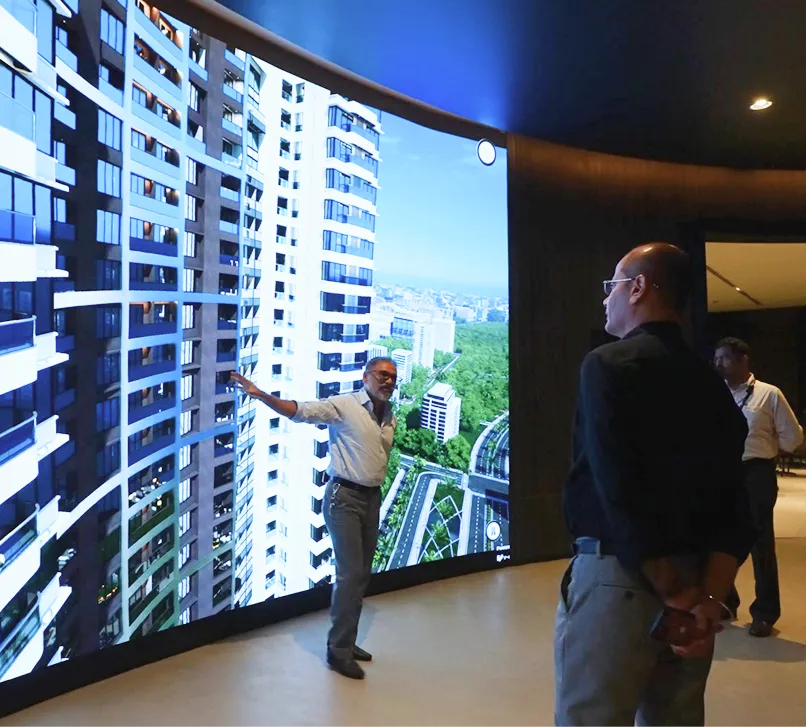
The shift is simple but powerful: give buyers control over how they explore the project.
Instead of linear sales pitches, developers are enabling non-linear, interactive journeys where buyers engage with what matters to them at their pace, in their order.
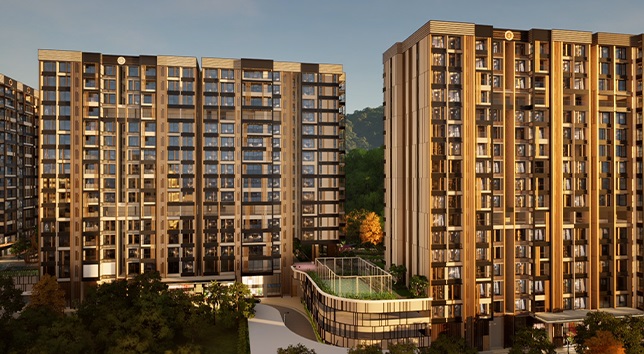
Projects like Rustomjee Urban Woods and Rustomjee Verdant Vista demonstrated this clearly. When buyers could explore layouts, views, and amenities visually, sales conversations moved from persuasion to evaluation.
That shift alone compressed decision timelines.
The Technology Making Buyer-Led Exploration Work
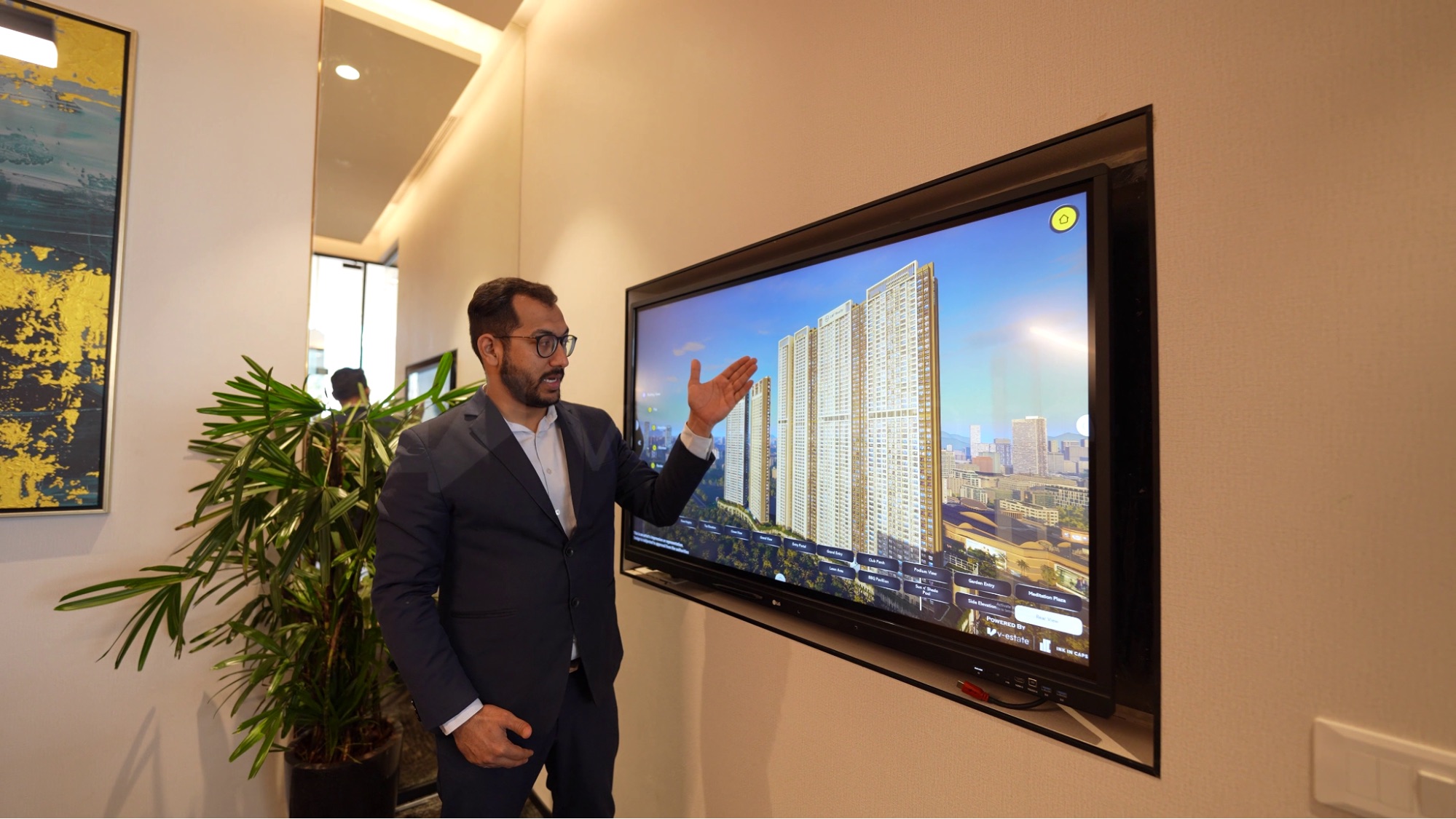
Buyer-led exploration is not about adding screens. It is about building systems that answer buyer questions visually and instantly.
High-Fidelity Virtual Property Walkthroughs
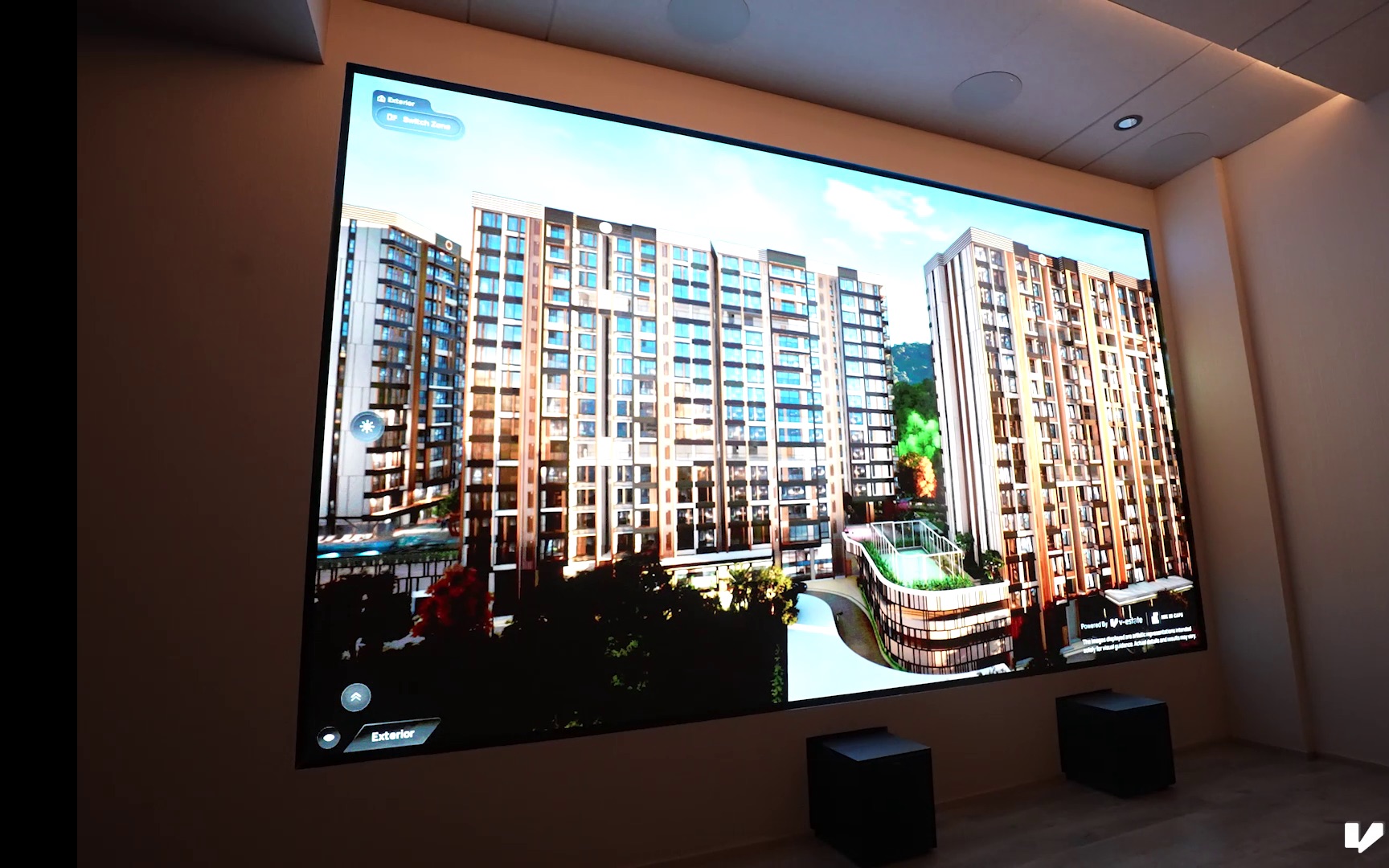
Photorealistic 3D environments allow buyers to walk through spaces virtually, understand proportions, and experience spatial flow accurately.
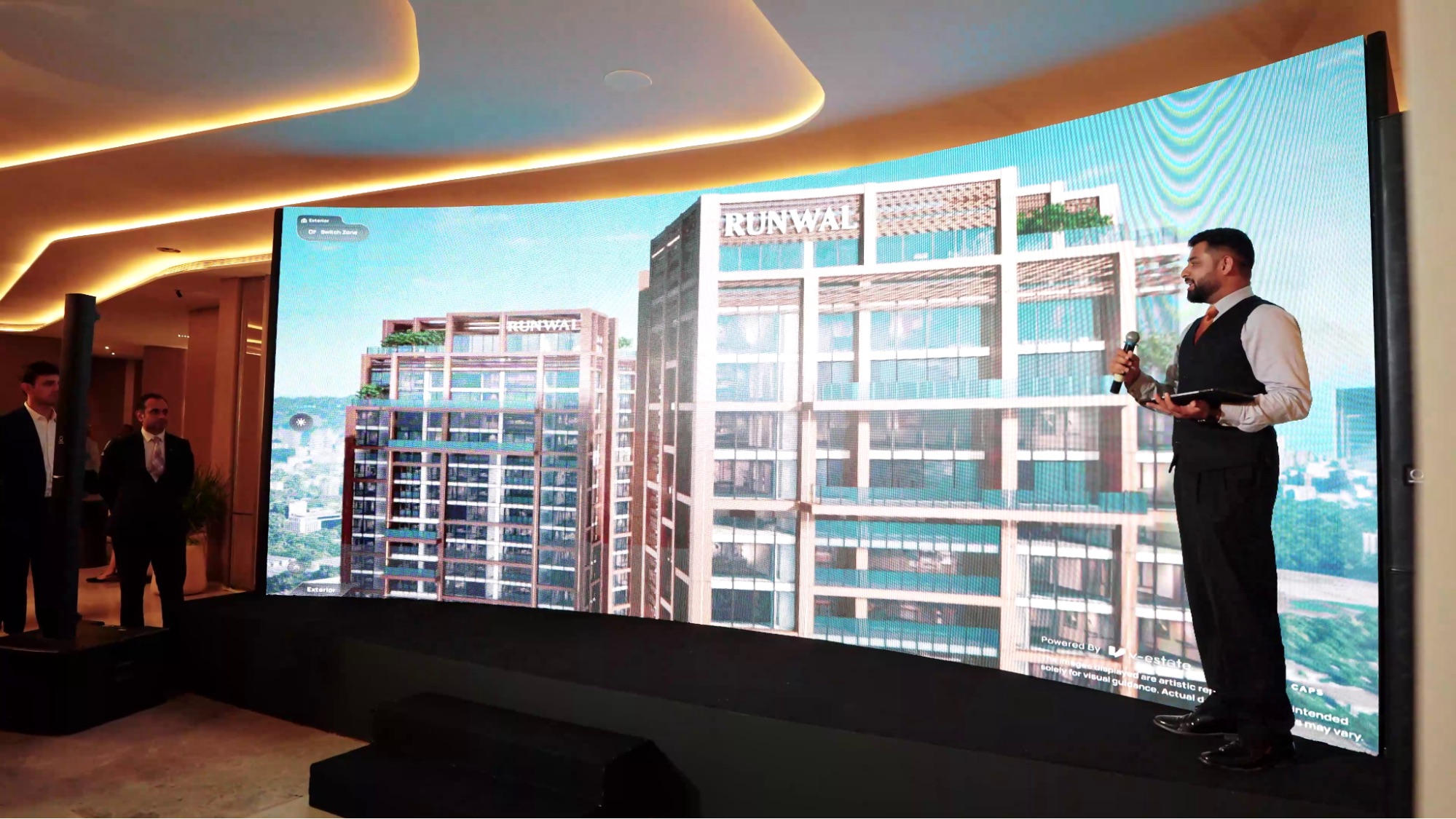
At Runwal Raaya, buyers explored podium landscapes, sea-facing decks, and tower orientation digitally—removing ambiguity before discussions even began.
Verified Views and Unit-Specific Context
One of the biggest deal breakers in under-construction sales is uncertainty around views.
At Rustomjee Urban Woods, buyers could:
Stand inside sample flats
See exact window-specific views using drone-mapped data
Compare floors and orientations instantly
This replaced reassurance with verification.
Amenity Exploration as a Lifestyle System
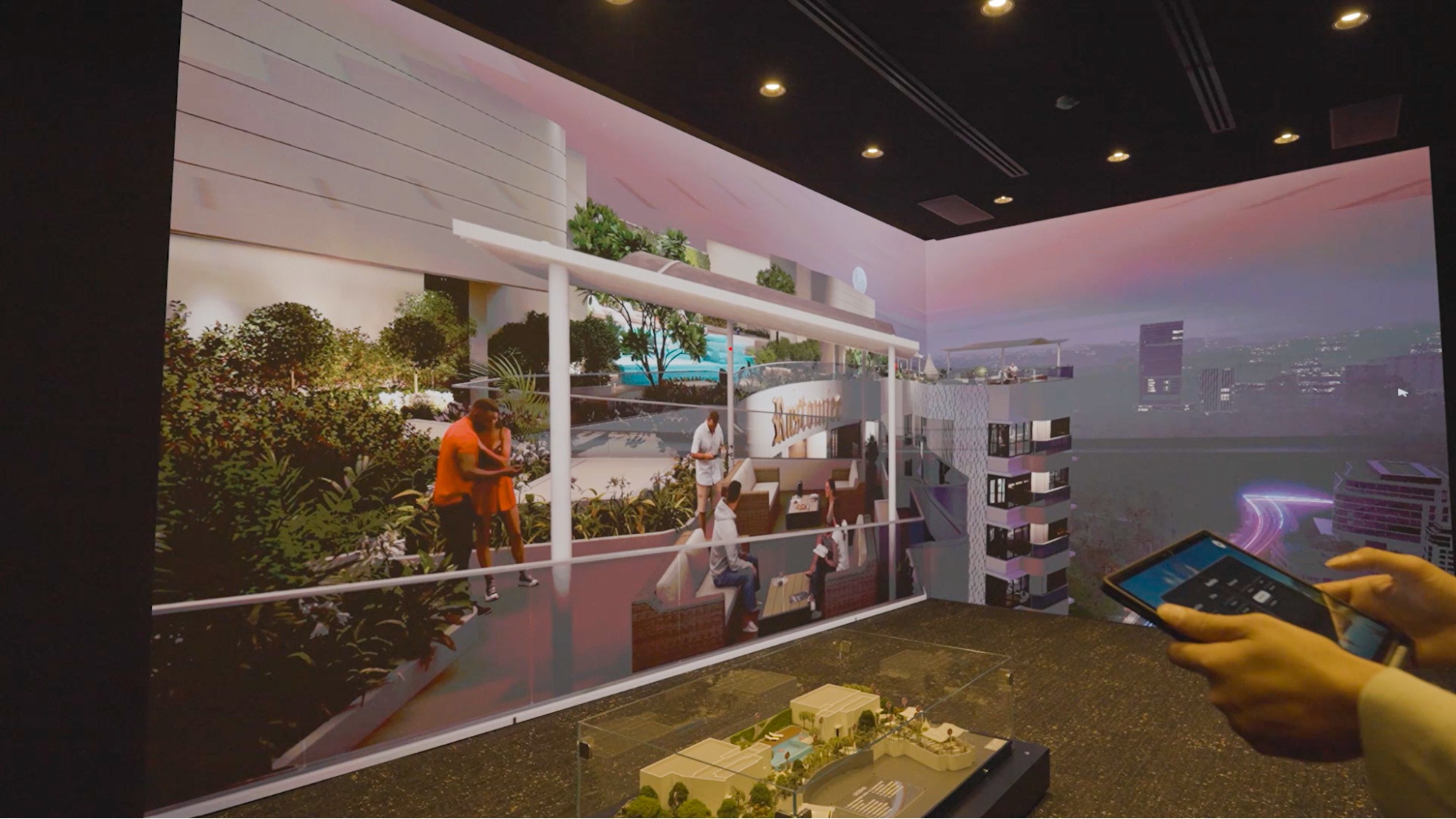
Modern projects often offer 50–75+ amenities. Lists overwhelm. Exploration clarifies.
Interactive systems allow buyers to understand:
Where amenities are located
How they are accessed daily
How privacy and community balance across the site
At Rustomjee Verdant Vista, amenities stopped being features and became lived experiences.
Customization Without Complexity
Customization has long been promised in premium real estate. It rarely survives detailed conversation.
At Kalpataru Worli One, buyer-led exploration went a step further with V-Estate’s Build Your Dream Home software.
Buyers could:
Reconfigure internal layouts in real time
Move or remove walls instantly
See spatial and lighting changes live
Save configurations during the same session
What typically takes weeks of back-and-forth with architects happened inside a single sales interaction. Customization became an enabler of conviction, not a post-sale promise.
What This Shift Delivers for Developers
Buyer-led exploration does more than improve experience. It improves sales efficiency.
Higher Quality Engagement: Buyers arrive at discussions informed and serious, reducing wasted cycles.
Shorter Time-to-Decision: Visual clarity resolves doubts early, limiting repeat visits.
Lower Marketing Overheads: Digital systems replace printing, repeated walkthroughs, and static collateral.
Stronger Market Positioning: Developers using interactive systems signal transparency, confidence, and leadership.
Across projects like Raaya and Urban Woods, sales teams fully adopted interactive tools because they made conversations faster and more precise.
How Developers Can Implement Buyer-Led Exploration
The transition does not require disruption. It requires intent.
Start with core interactive walkthroughs for units and amenities
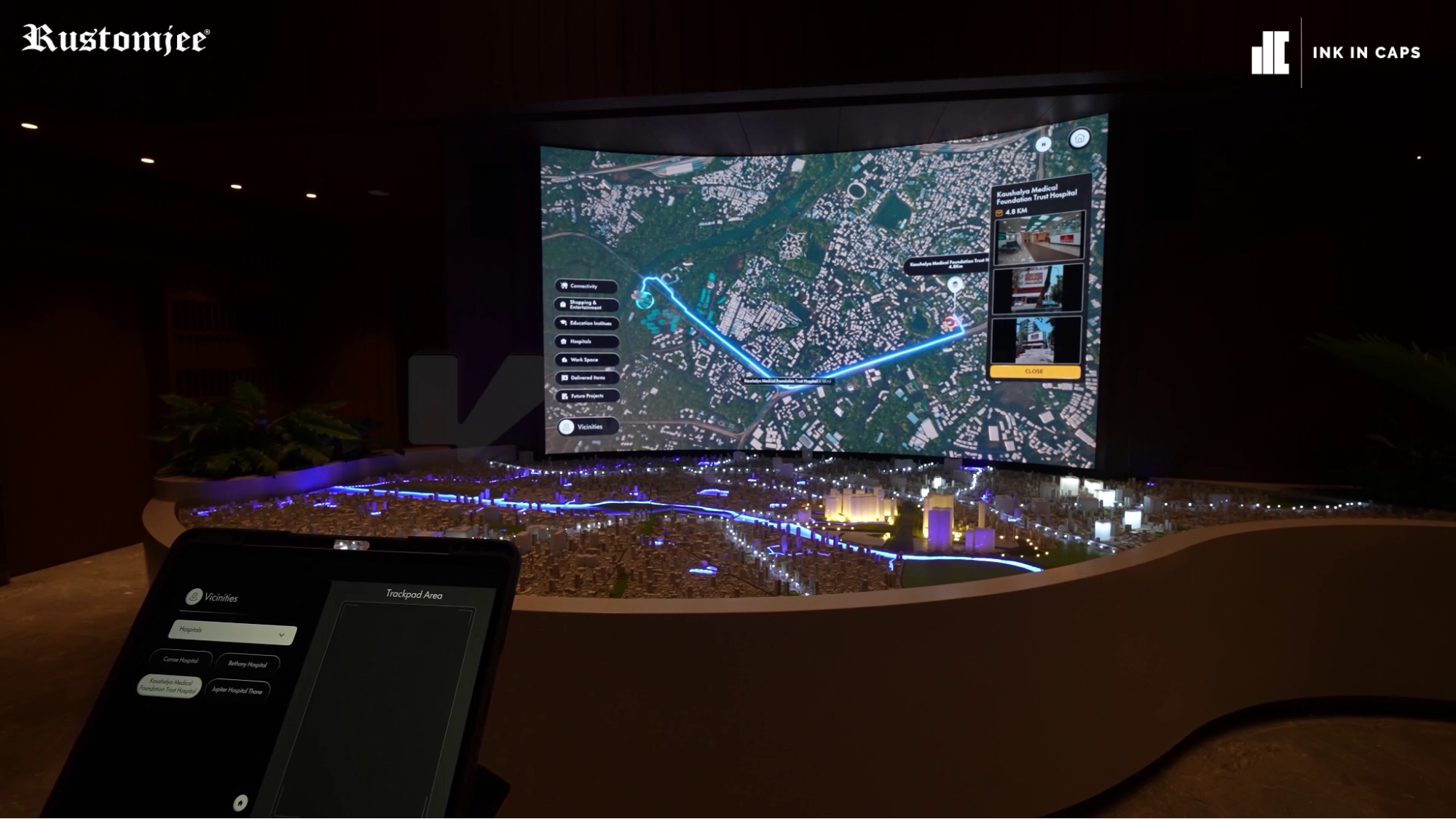
Integrate location and connectivity mapping early in the journey
Train sales teams to facilitate exploration, not deliver pitches
Measure success through decision speed, engagement depth, and conversion quality
Technology works best when it supports buyer autonomy.
The Takeaway: Buyers Decide Faster When They Lead the Exploration
Real estate sales do not slow because buyers lack interest. They are slow because buyers lack clarity.
Developers replacing brochures with buyer-led exploration are not chasing innovation. They are aligning with how decisions are actually made today—through visibility, control, and verification.
Projects that continue to rely on static narratives will lose momentum quietly. Projects that empower buyers to explore freely will earn informed, convinced decisions—without pressure.
Reach out to V-Estate to build buyer-led exploration systems that turn complex projects into clear, decisive purchase journeys.
.jpg)