.jpg)
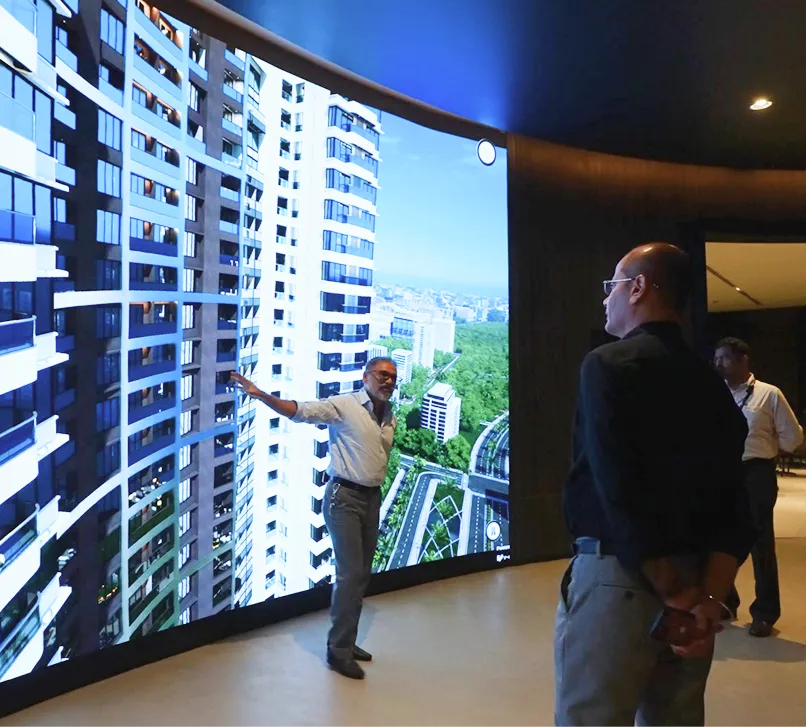
In today’s competitive market, real estate developers are moving beyond static photos. The shift toward immersive vestate solutions isn’t just about aesthetics it is a strategic financial move. Data shows that visualization technology can deliver a return on investment (ROI) ranging from 500% to over 3,600%.
By integrating these tools, developers see higher property values, shorter sales cycles, and a significant drop in marketing overhead.
.jpg)
Transforming Property Sales Through Visualization
The impact of high-quality visualization on a property’s marketability is measurable. When buyers can clearly see the potential of a space, they are more likely to commit.
Higher Sale Prices: Virtual staging can increase property values by 6% to 12%. Luxury listings see the highest gains, but even entry-level homes benefit from a polished, professional digital look.
Faster Sales Cycles: On average, virtually staged properties sell 73% faster. In many cases, this reduces the "days on market" from three months to just over three weeks.
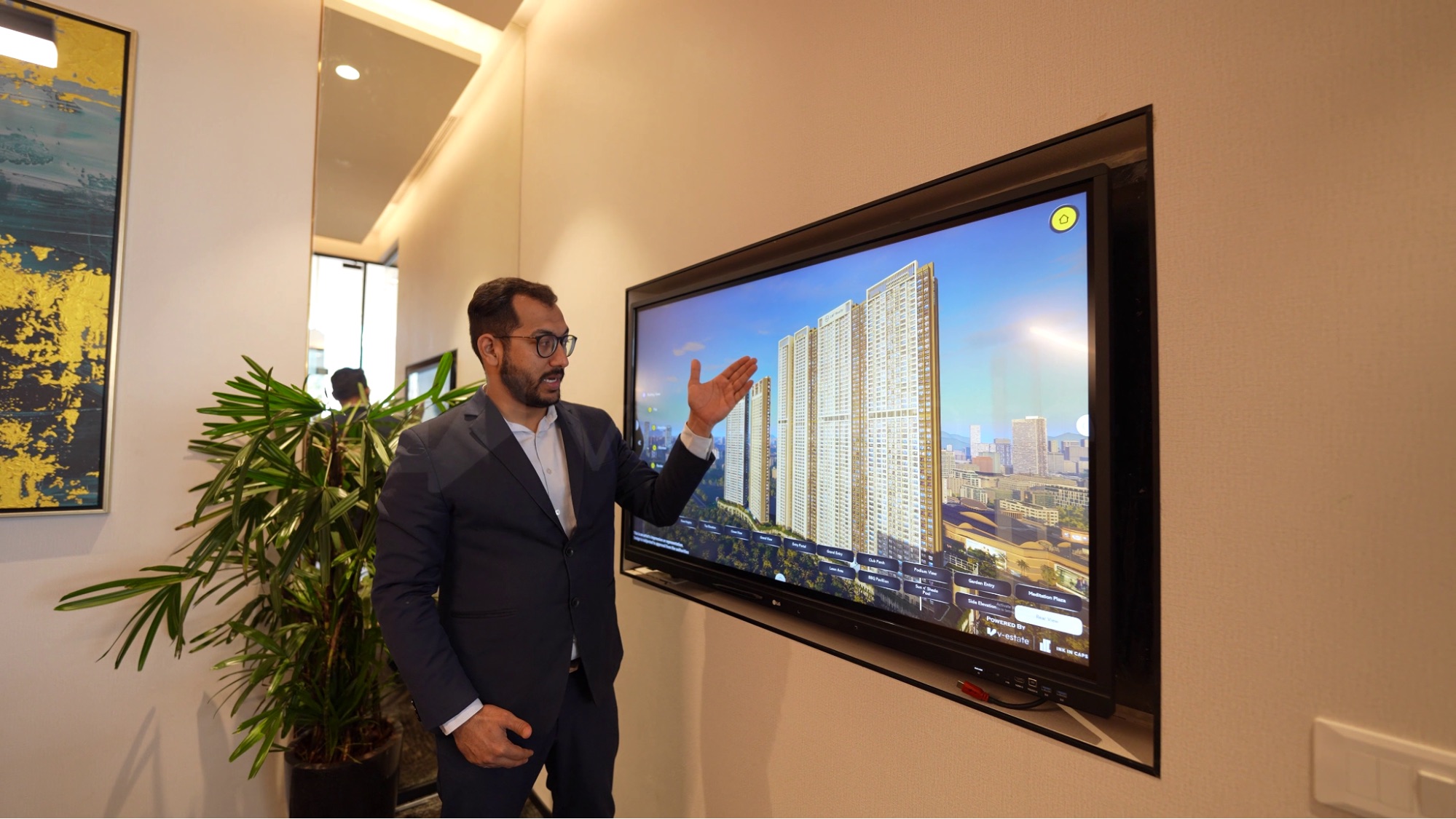
Greater Engagement: Listings with interactive technology for real estate receive 40% more online views. Features like augmented reality (AR) generate more than double the engagement of standard photography.
Cost Efficiency: A Game-Changing Factor
Traditional staging is expensive and logistically heavy. Transitioning to digital visualization removes the friction of physical furniture rental and maintenance.
Cost Comparison: Physical staging for a luxury property can cost between $8,000 and $20,000. In contrast, virtual visualization costs a fraction of that—often $30 to $100 per room—as a one-time expense.
Operational Savings: Digital tools reduce the need for physical showrooms and model units, which are costly to build and maintain. They also minimize the need for frequent site visits, saving time for both agents and prospects.
From Leads to Buyers: Improving Conversion Quality
Visualization does more than attract eyes; it qualifies leads. When a prospect interacts with a 3D floor plan or a virtual tour, they are essentially "self-touring" the property.
Case Study: The Matunga High-Rise
A developer in Mumbai faced slow pre-sales for a luxury tower still under construction. By implementing interactive technology for real estate, they allowed buyers to customize finishes virtually. This emotional connection led to a 30% increase in non-local buyers and closed 15 units in one month without a physical model flat.
By the time a lead contacts a sales agent, they have already answered their own basic questions about layout and design. This results in higher-quality conversations and better conversion rates.
Data-Driven Insights: The Hidden ROI Multiplier
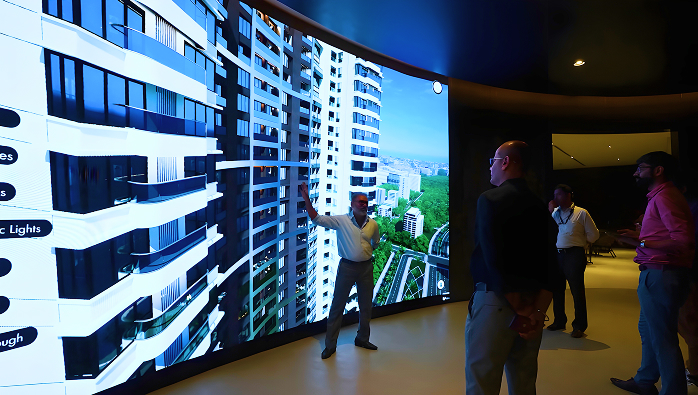
Every click on a visualization platform provides data. Developers can track which layouts are most popular or which amenities garner the most attention. This "digital footprint" allows firms to optimize future designs based on actual buyer preferences. Industry analysis suggests that integrating real estate analytics can deliver an additional 440% annual ROI through smarter decision-making.
Adapting to Evolving Market Expectations
For the modern buyer, digital transparency is a baseline expectation. 92% of buyers start their journey online, and over 75% report feeling more confident in a purchase after using visualization tools. Firms like Rustomjee and L&T Realty have already set a high standard in Mumbai by using innovative design and vestate technology to meet these global benchmarks.
Conclusion: The Bottom-Line Impact
The financial argument for visualization technology is clear. It drives value through:
Increased property valuations and rapid turnover.
Drastic reductions in staging and marketing costs.
Sharper data for future developments.
For forward-thinking developers, the question is no longer about the cost of the technology—it is about the cost of being left behind.
Ready to transform your property marketing strategy?
Explore our interactive V-Estate solutions today