When developing the immersive digital experience for Runwal Raaya, a luxury real estate project in Mumbai’s Worli district, our development team encountered material challenges that pushed the boundaries of conventional 3D texturing. These obstacles required a blend of traditional artistry, AI tools, and custom shader development.
For professionals in real-time rendering, these solutions offer a roadmap for solving complex visual problems when standard workflows fall short.
The Challenge of Scale and Authenticity
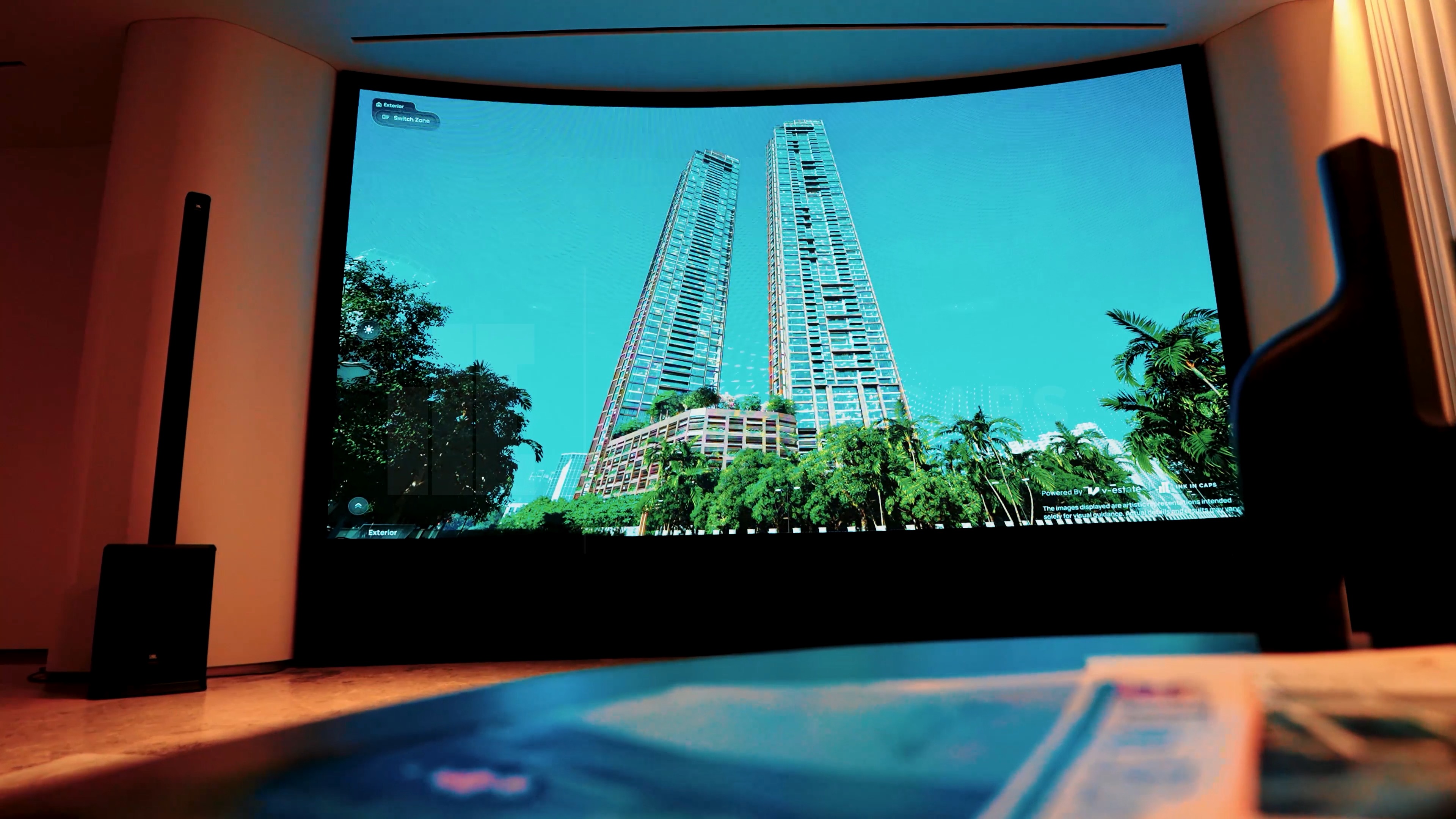
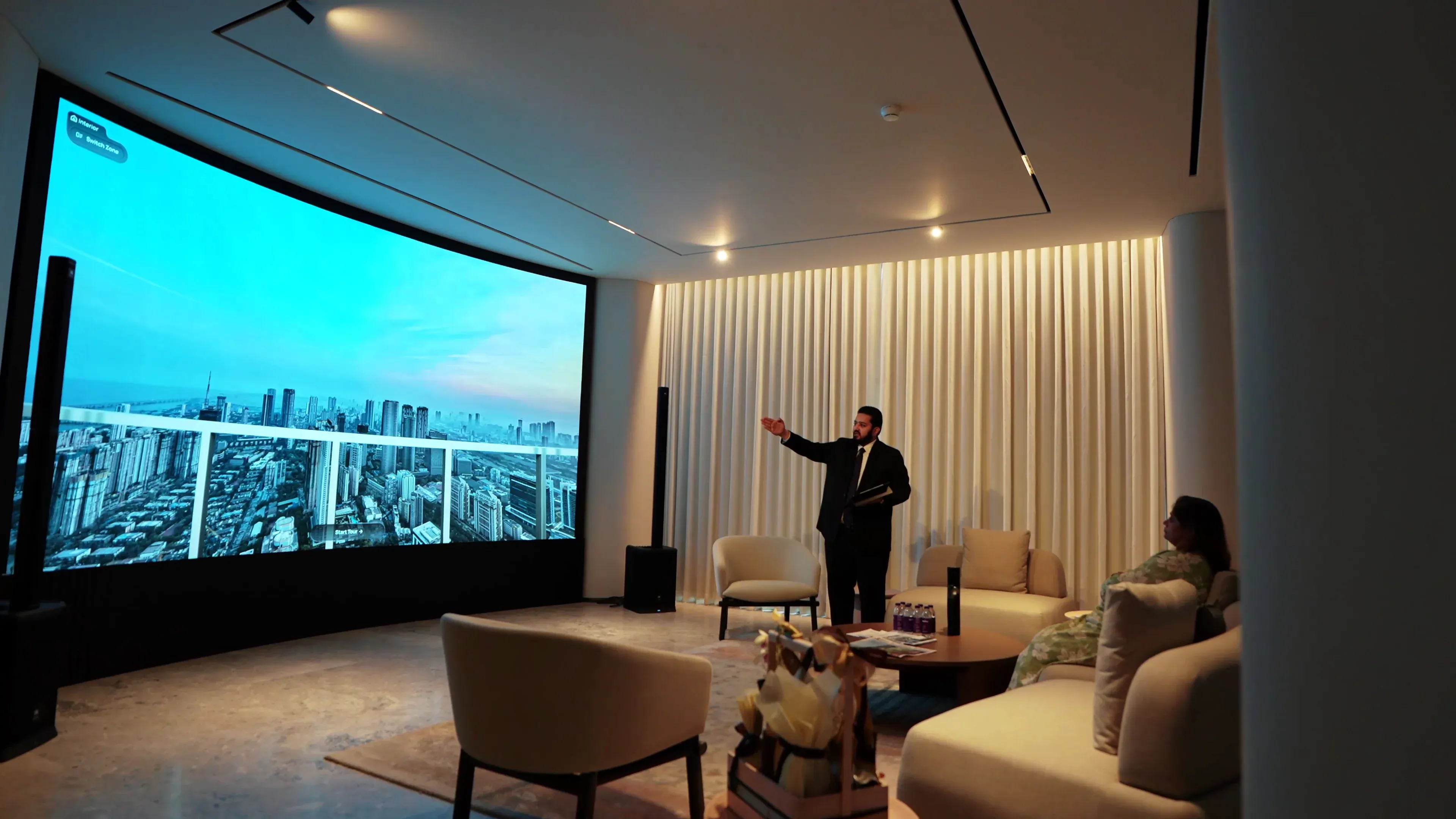
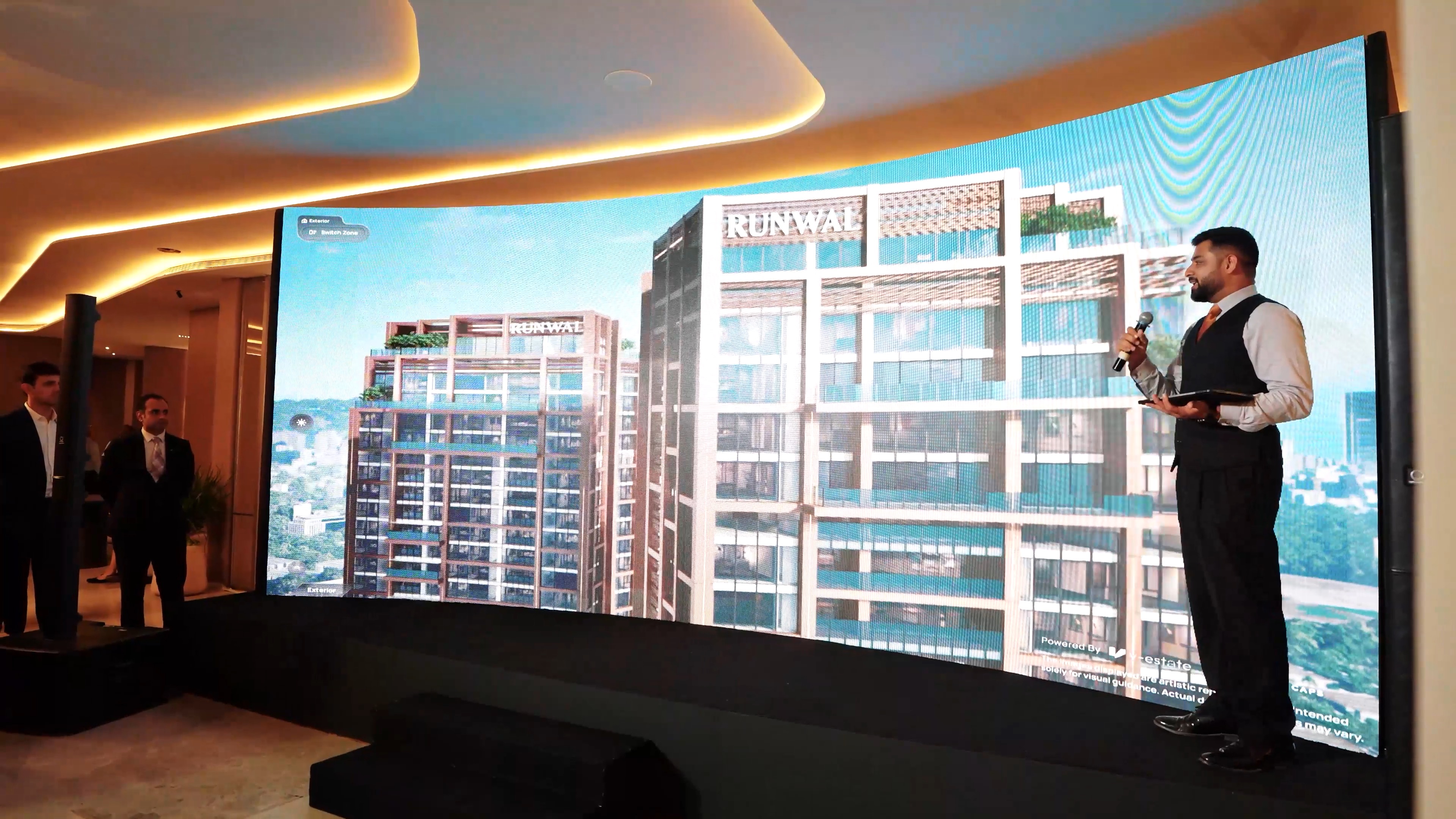
The Runwal Raaya project demanded exceptional visual fidelity across a massive scope—approximately 50 million polygons rendered in real-time using Unreal Engine 5.4. We needed to accurately represent two 64-story towers with a unique bronze façade and an intricate landscape featuring complex, curved tile patterns.
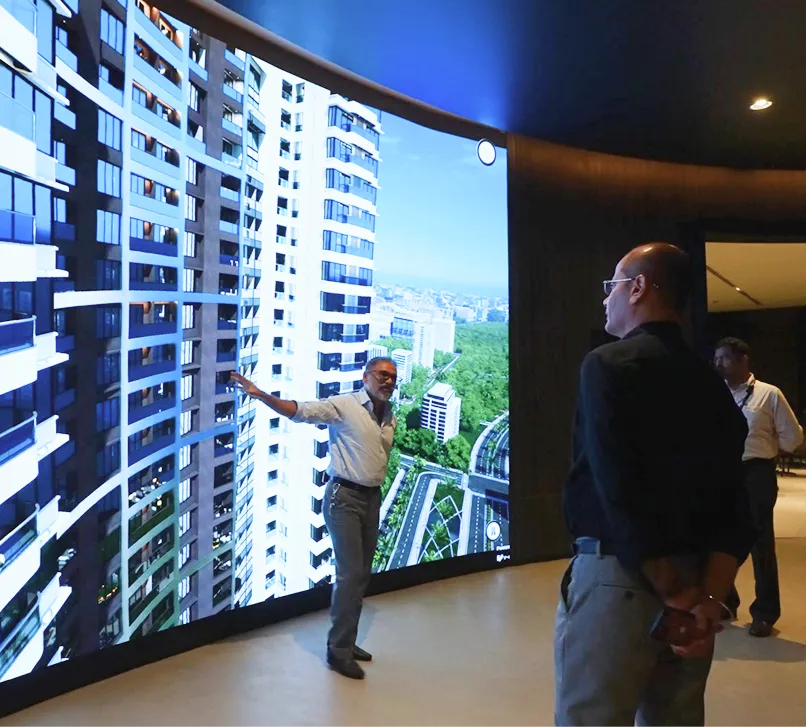
At this scale, standard textures often fail. When displayed on an 18-foot curved LED screen in an immersive showroom, any repetition or "tiling" artifacts become immediately visible to high-net-worth clients. This was not just a visualization; it was a high-stakes offline real estate sales tool where technical perfection was the only option.
The Bronze Façade Innovation: Biomimicry in Digital Materials
The building’s signature bronze façade required a fiber-like, organic pattern that would "shimmer" under sunlight. Standard metal textures looked artificial and repetitive when stretched across 64 stories.
To solve this, our team used biomimicry. We utilized high-resolution wood fiber textures as the foundation for the bronze material. By deconstructing wood grain into Physically Based Rendering (PBR) maps, we preserved organic directional patterns. We then integrated metallic properties and custom roughness maps that followed the "grain." This resulted in a bronze finish that felt natural, organic, and entirely unique.
The Landscape Tiling Nightmare: AI-Assisted Complex Surface Mapping
The second challenge involved a landscape design that merged three different tile types across organic, curved surfaces. Standard UV mapping failed; the patterns appeared stretched or compressed, and the seams between surfaces were painfully obvious.
We developed a multi-stage approach using AI and real estate sales enablement software logic to ensure continuity:
AI Texture Generation: We used AI to analyze source tiles and create seamless, tileable variations.
Geometric Decomposition: We broke the complex landscape into smaller "chunks" based on curvature analysis to minimize distortion.
Procedural Blending: Using custom shaders, we ensured the tile patterns flowed perfectly across boundaries, maintaining a consistent 60 FPS performance.
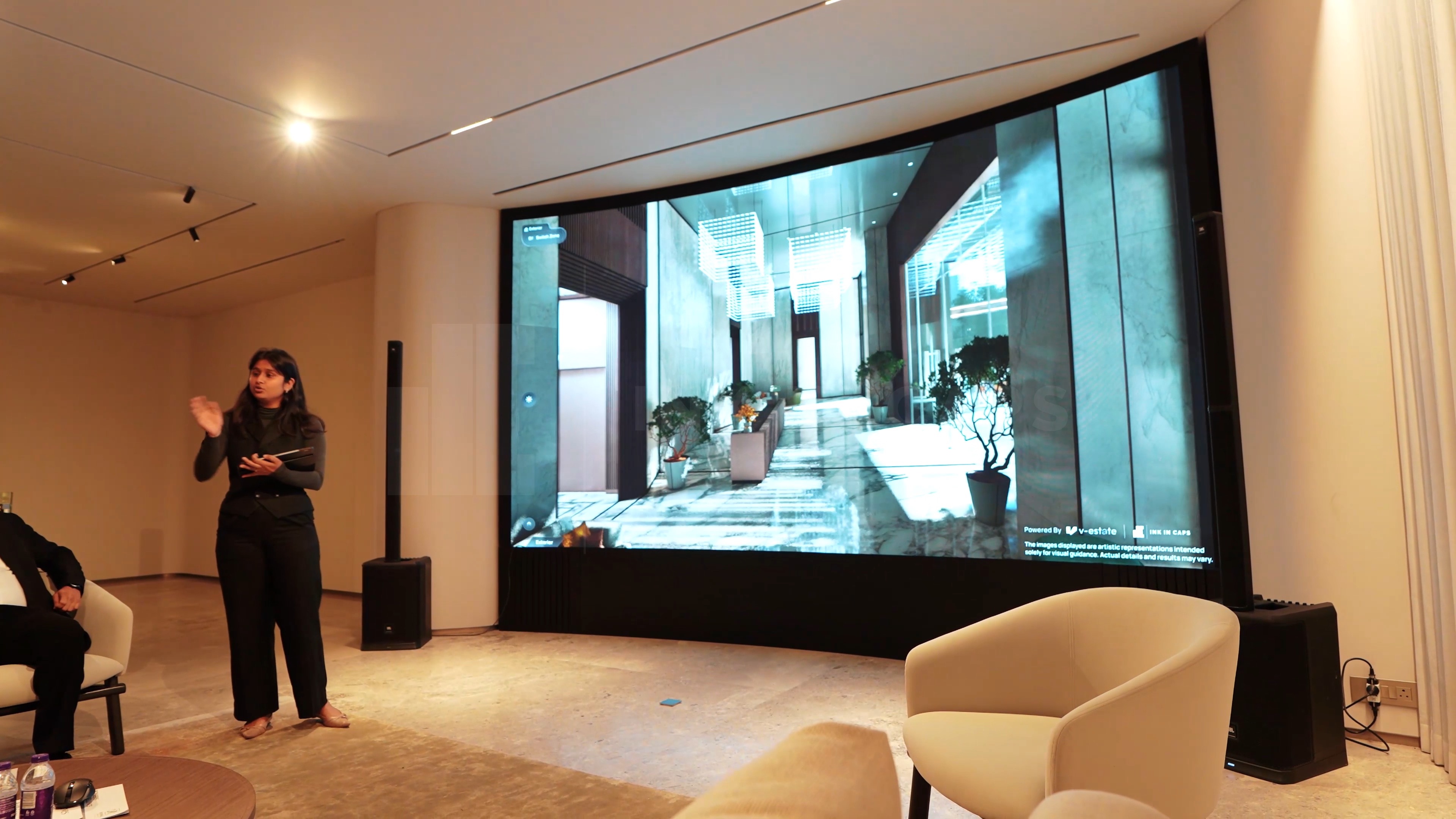
Case Study: Runwal Raaya Launch
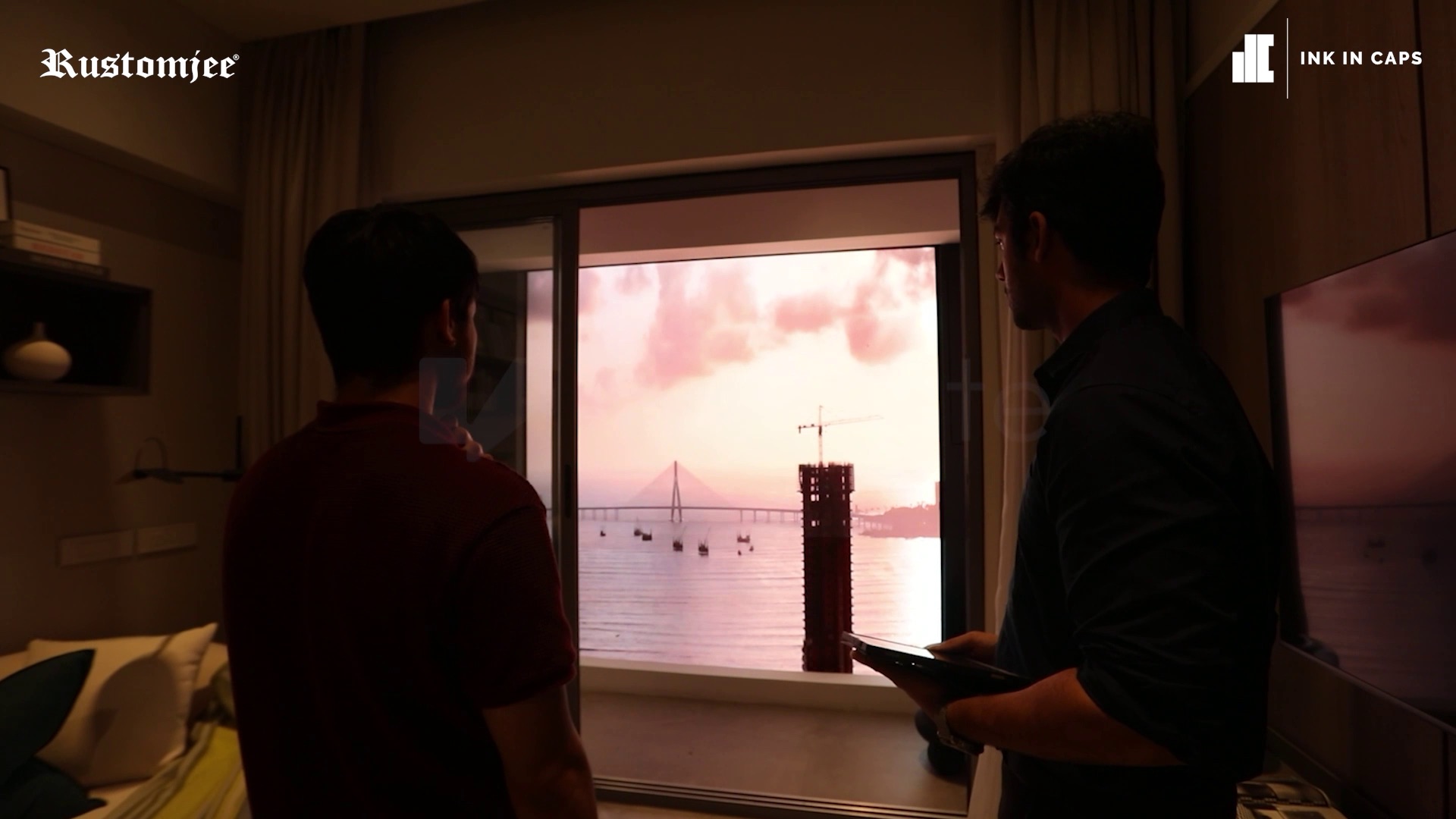
During the launch of Runwal Raaya, the technical precision of the digital twin allowed sales teams to present the project with absolute authority. By showcasing the exact shimmer of the bronze façade and the intricate landscape details through interactive sales presentations real estate buyers gained immediate confidence. This visual transparency contributed to a massive launch day success, with sales reaching ₹700 crore.
Technical Implementation Details
Both solutions required strict performance optimization to maintain a smooth experience. We implemented:
Memory Management: High-resolution texture streaming and custom mipmapping prevented "texture swimming" during camera movements.
Shader Optimization: Master materials were instanced to reduce draw calls, ensuring the system maintained 40-45 FPS at 4K resolution.
Scalable Workflows: We focused on repeatable systems rather than one-off artistic fixes, which is crucial for architectural projects of this magnitude.
Lessons for Technical Artists
The Runwal Raaya project confirms that technical innovation directly impacts business outcomes. When standard libraries fail, look to unrelated material types for inspiration. Embrace hybrid workflows that combine traditional 3D techniques with AI tools. Most importantly, always design for scale—what works on a single sphere rarely works on a 64-story skyscraper.
By using interactive real estate sales tools built on high-performance shaders, we move past "impressing" the buyer and start "informing" them, turning technical excellence into a powerful engine for trust.
Ready to see how technical innovation can accelerate your sales?
Explore V-Estate’s Solutions and discover the power of photorealistic real-time rendering.