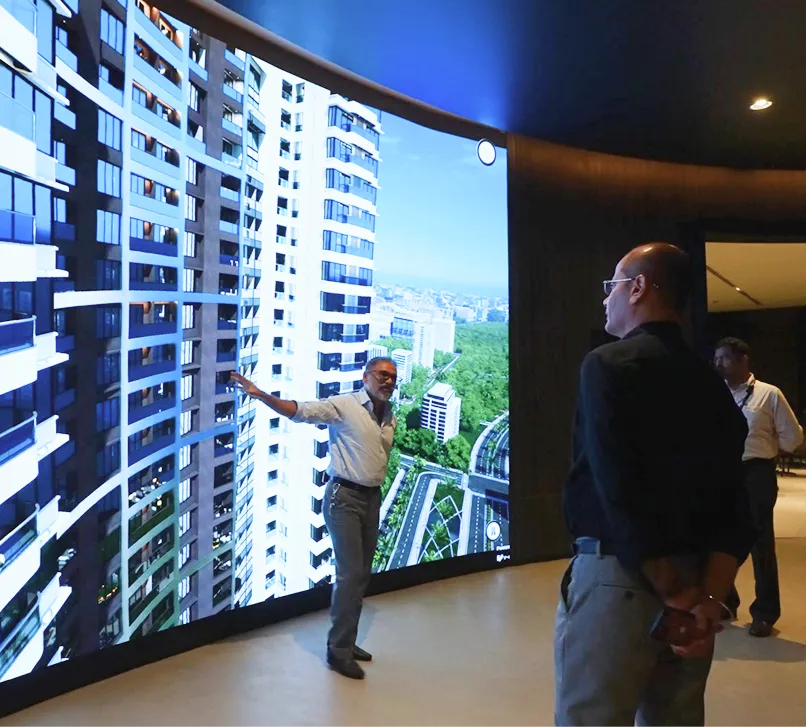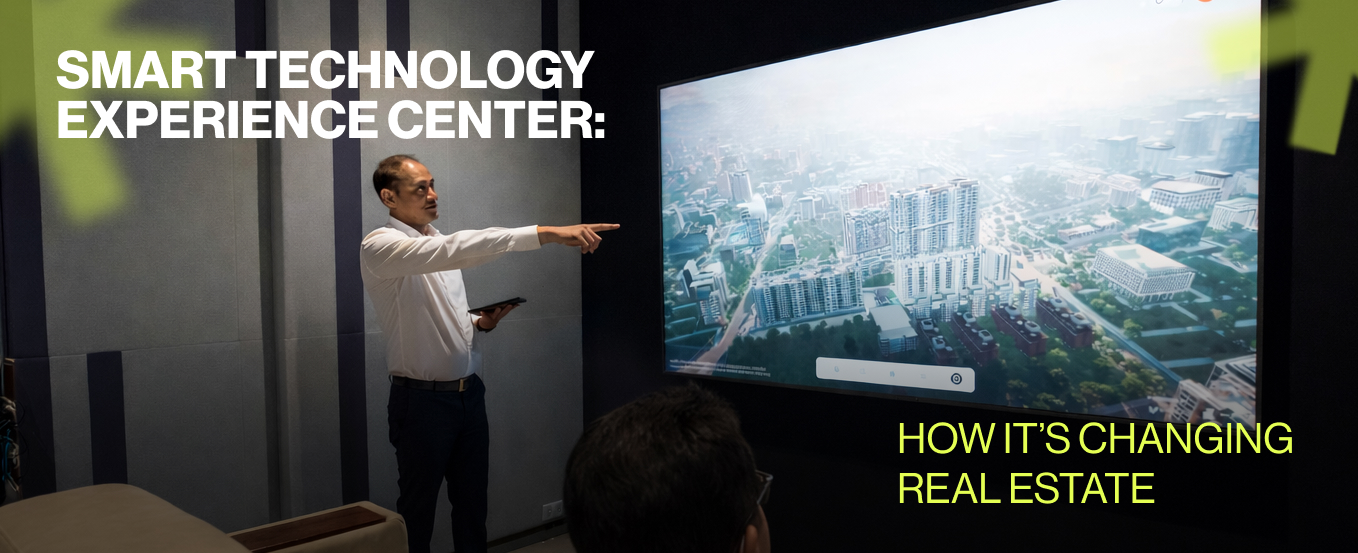
Today, everything is getting smart, what started with smartphones, quickly turned into smart TVs, fans, lights, speakers, watches, etc. But what exactly makes a device smart? While there may not be an official definition, the common property all of them share is that they are electronic devices that have the ability to connect to the internet or other devices and have some capabilities of interaction while still working autonomously.
But as technology evolves, this property of devices being smart has also entered the real estate market. Now, in the present day, we have smart homes, where the different appliances are connected to the internet, and you can even control or monitor them remotely. So, it is only natural that we also have virtual experience centers in real estate that make use of smart technology, as it is becoming the backbone of property marketing.
Buyers are no longer confident in your project if you just show them static brochures, scale models, or take them on traditional site visits. Sure, they help in getting them curious, but what's next when they start asking doubts? Normally, developers end up relying on their past projects and overall brand reputation to gain buyers' trust, which often isn't enough when the decision is as big as investing in their future home. So, here is how smart technology is changing experience centers in real estate and how it is beneficial for both buyers and developers.
What is a Smart Technology Experience Center?
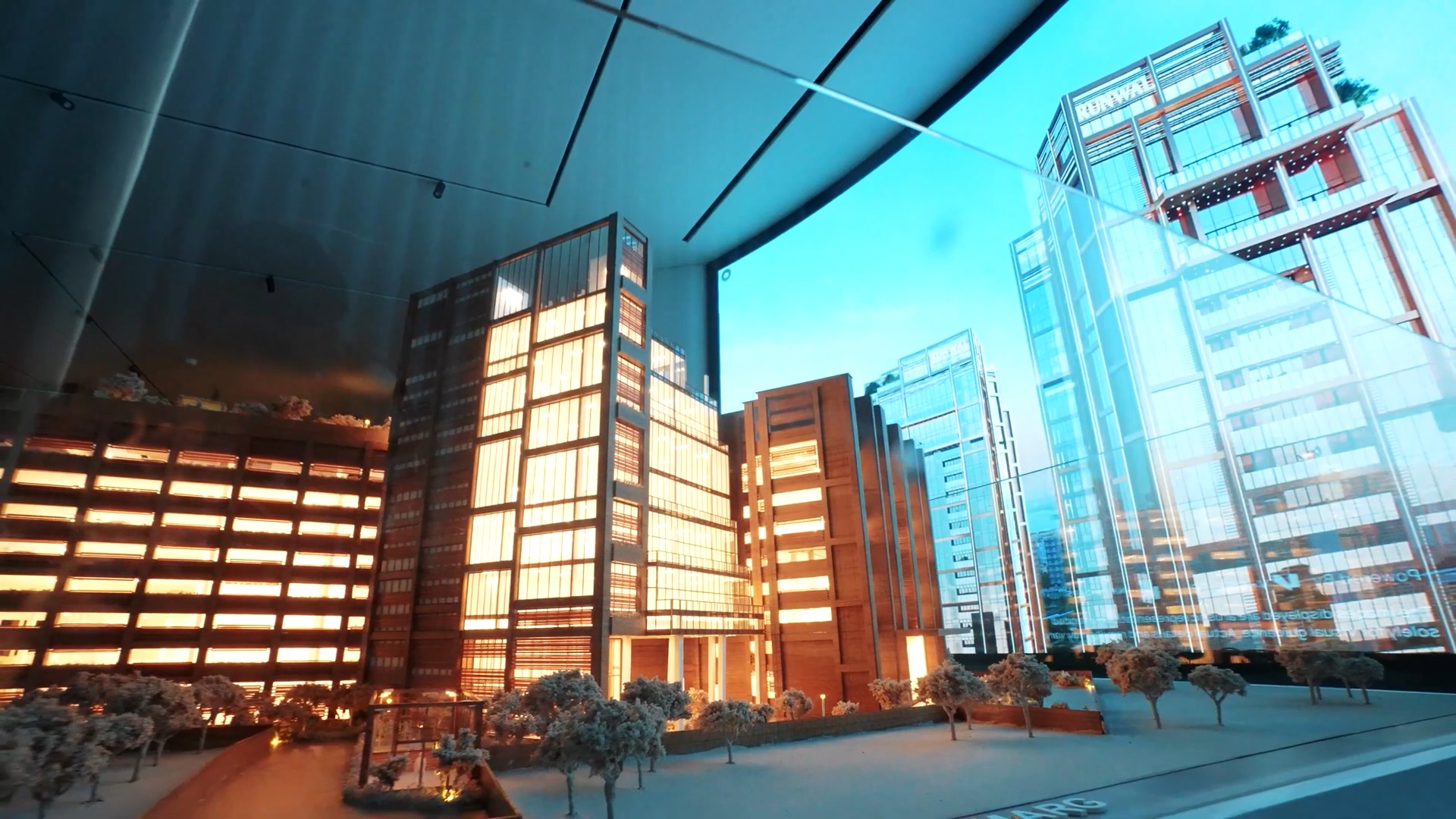
A Smart Technology Experience Center is a virtual or digital space that makes use of smart technology like sensors, Internet of Things (IoT) devices, AI, and more, to allow buyers to explore a property and its features interactively.
Unlike when you hand a brochure to a client, a smart experience center ensures that they are immersed in the experience throughout their journey. For example, with a brochure, whenever the buyer has any doubts, they have to rely on the salespeople for answers. But this changes with an experience center: instead of asking how the lighting changes from day to night, they can simply simulate it and experience it for themselves.
What Technologies are Used in Smart Experience Centers?
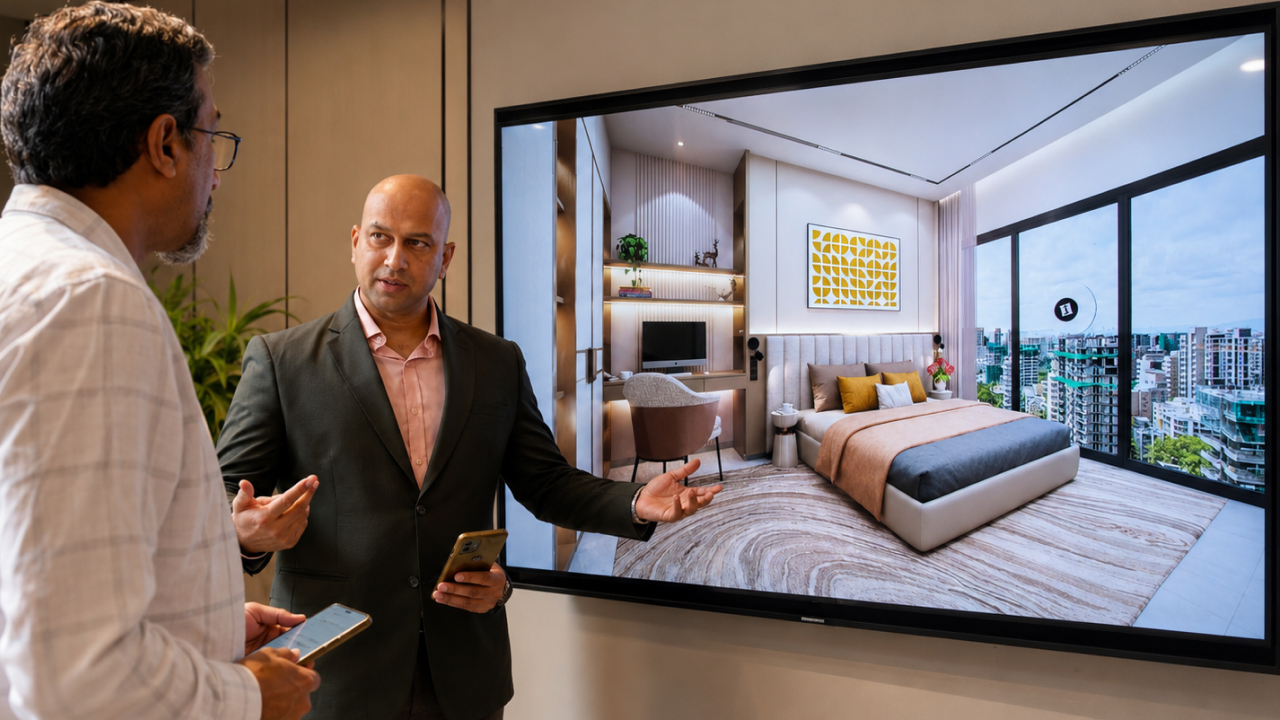
Smart Experience Centers typically make use of the following technologies:
Internet of Things (IoT) integrated Digital Twins
IoT or Internet of Things technology makes use of various sensors to let the different systems and devices connect with each other and to the internet. These are then represented to the buyers via Digital Twins, which are basically digital replicas of the project. These then allow buyers to see the benefits of smart lighting systems, locks, and surveillance, automated curtains, voice-controlled appliances, intelligent HVAC systems, and water and energy monitoring systems.
Augmented Reality (AR) and Virtual Reality (VR)
Depending on the project's needs, AR and VR technologies can both be used in experience centers. AR allows clients to see how their everyday objects would look in the real world. For example, a buyer can use their phone to virtually place objects like furniture, books, vases, etc., in different places of the room to get an idea of how they would look in real life.
Similarly, VR can help achieve similar feats either through software or with a headset. They can try out things like changing the wallpaper or the wall’s paint of their room, placing a chandelier in their living room, etc.
Artificial Intelligence (AI)
In recent years, Artificial Intelligence has seen a boom in almost every industry. For real estate, experience centers could benefit from it by making virtual assistants or AI chatbots. This way, when a salesperson isn't available, buyers can ask the virtual assistant their questions. Aside from answering basic queries, AI models could also be trained on user data to study buyers' exploring patterns and accordingly recommend to them the most relevant units that fit their preferences or needs.
The Impact of Smart Technology Experience Centers In Real Estate
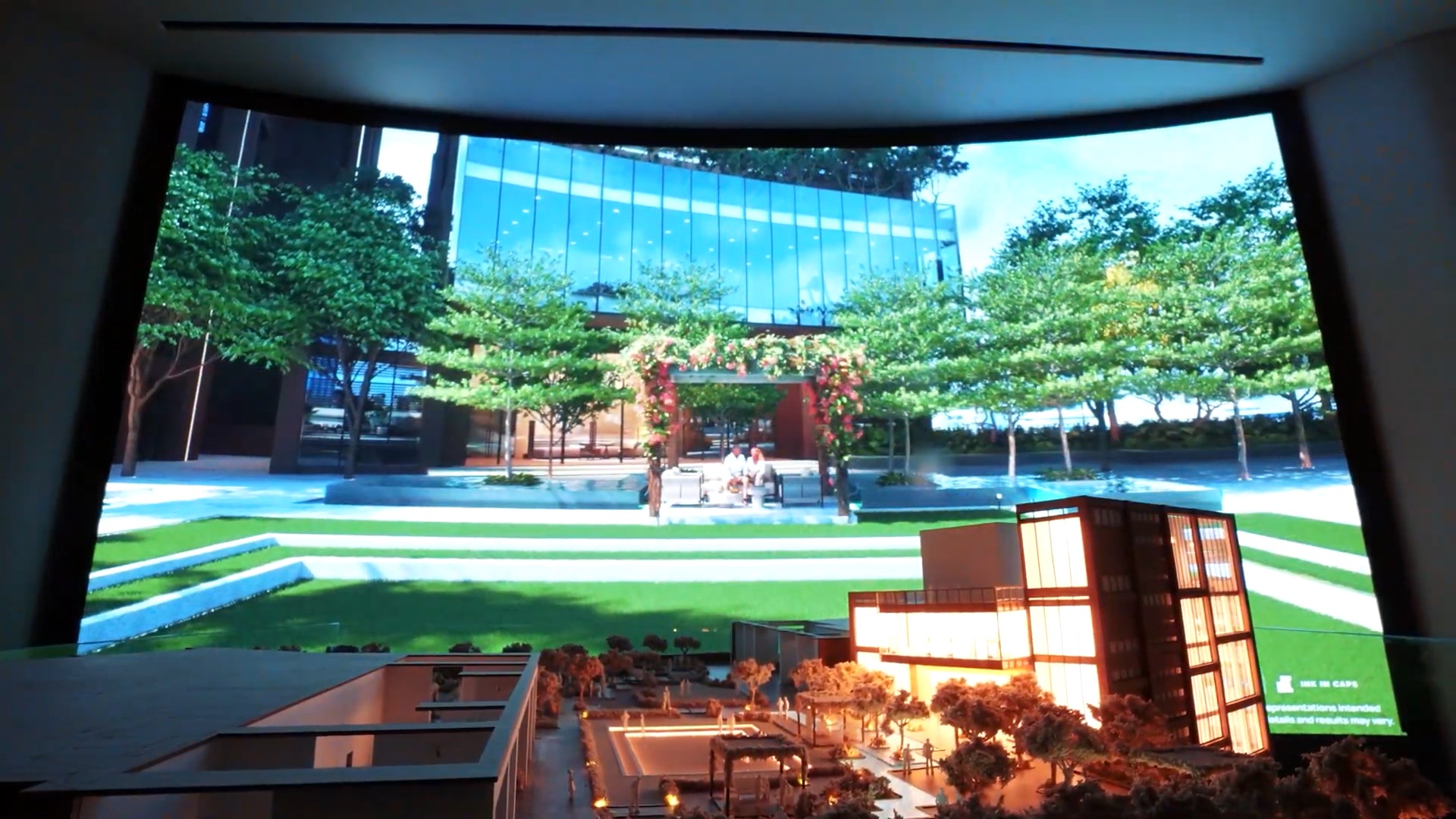
Smart Immersive Experience Centers are changing how properties are sold for the better. It helps in leaving a positive impression on the buyers and improving their image of the property and the developer. Here is how it affects the property sales:
Increases the potential audience
When real estate agents rely only on physical experience centers, or worse yet, just on site visits. They lose out on a lot of potential buyers simply due to geographical limitations. However, when they use smart virtual experience centers, that limitation gets removed because now they are not restricted to clients having to fly to your location, or them having to schedule a meeting around the location's available timings. Digital experience centers allow clients from virtually anywhere to check out a project at their convenience.
Givers buyers transparency
As mentioned before, one of the biggest challenges in selling property, especially one that is still under development, is to make the buyer understand its potential. With smart experience centers, they get this clarity better, because, through simulations and virtual tours, they get to examine layouts in detail, understand amenities, review the functionality of the smart systems, and compare customization options. This transparency builds trust, which gives buyers confidence in the project instead of feeling like taking a leap of faith.
Faster decision-making
Finally, because you remove traditional brochures or static photos of renders, there is no room for imagination or confusion. This allows buyers to make decisions faster as most of their concerns are answered through experience centers themselves. As for their other doubts, the salespeople can take care of that. This leads to reduced sales cycles and improved sales conversion.
In conclusion, smart technology experience centers in real estate are here, and they are only going to grow with time. As technologies improve, so do customers' expectations, and they aren't looking to settle for less. While such experience centers may seem optional now, they will soon become an industry standard as many big realtors are using them already.
Looking to have your very own smart experience center for your next project? Book a demo with us at V-Estate and together we can make an unforgettable experience for your future buyers!
.jpg)

.jpg)