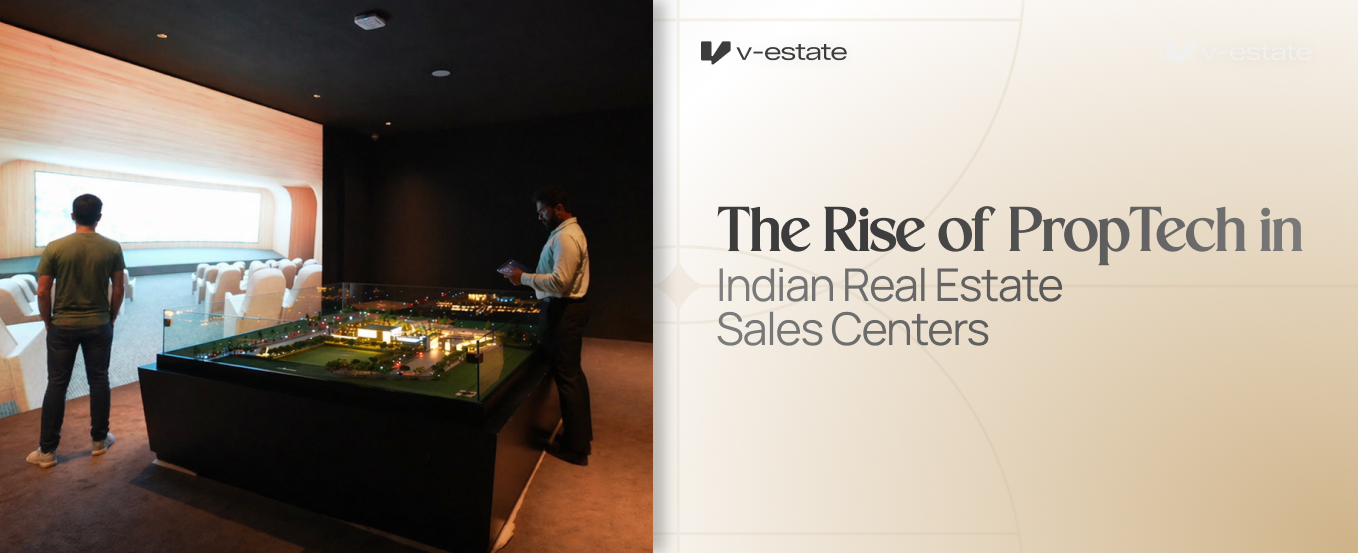
Indian real estate has spent the last decade selling something buyers cannot yet see. A flat that exists on paper. A tower that exists in a rendering. A lifestyle that exists in a brochure. For years, the industry's answer to this gap was the physical sample flat — expensive to build, slow to complete, and impossible to update once construction plans shifted.
That gap is closing fast, and PropTech is the reason.
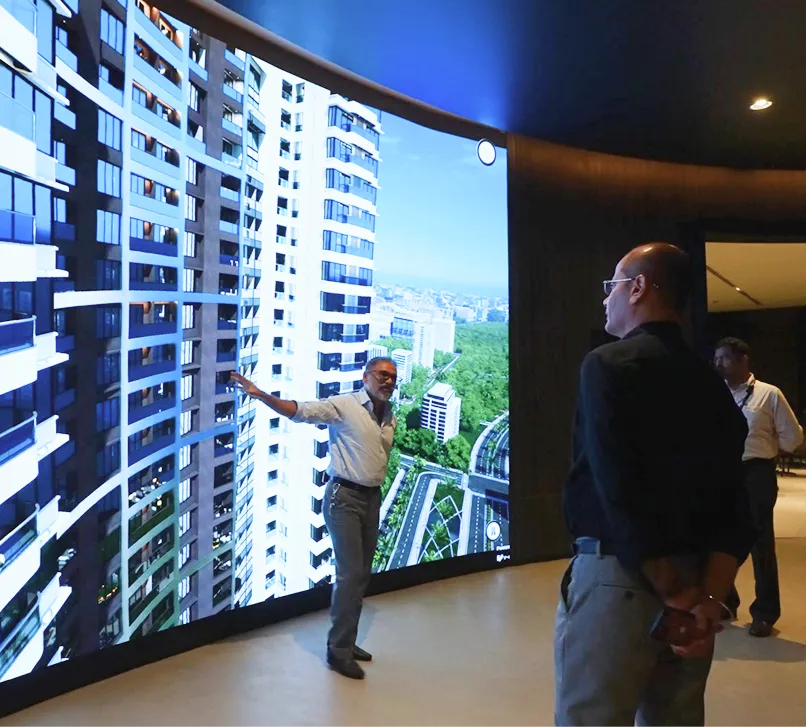
PropTech, or property technology, is the application of digital tools to how real estate is designed, marketed, and sold. In India, the most visible shift is happening inside sales centers, where developers are replacing static displays with interactive, in-centre technology that lets buyers explore a project before a single brick is laid.
Why developers are moving now
Three pressures are pushing developers toward PropTech-enabled sales centers.
Construction timelines have not gotten shorter. A typical residential tower still takes two to four years from launch to possession. Developers cannot wait that long to start selling, but a sample flat cannot be built until interiors are finalised.
Buyer expectations have gotten higher. Homebuyers today walk into a sales center after browsing dozens of polished digital experiences elsewhere — from car configurators to travel booking platforms. A printed floor plan and a scale model no longer meet that bar.
Sales teams need faster conviction cycles. Every extra site visit a buyer needs before booking is a cost. Developers increasingly measure sales center performance not just on footfall, but on how quickly footfall converts into signed bookings.
What PropTech looks like inside an experience center
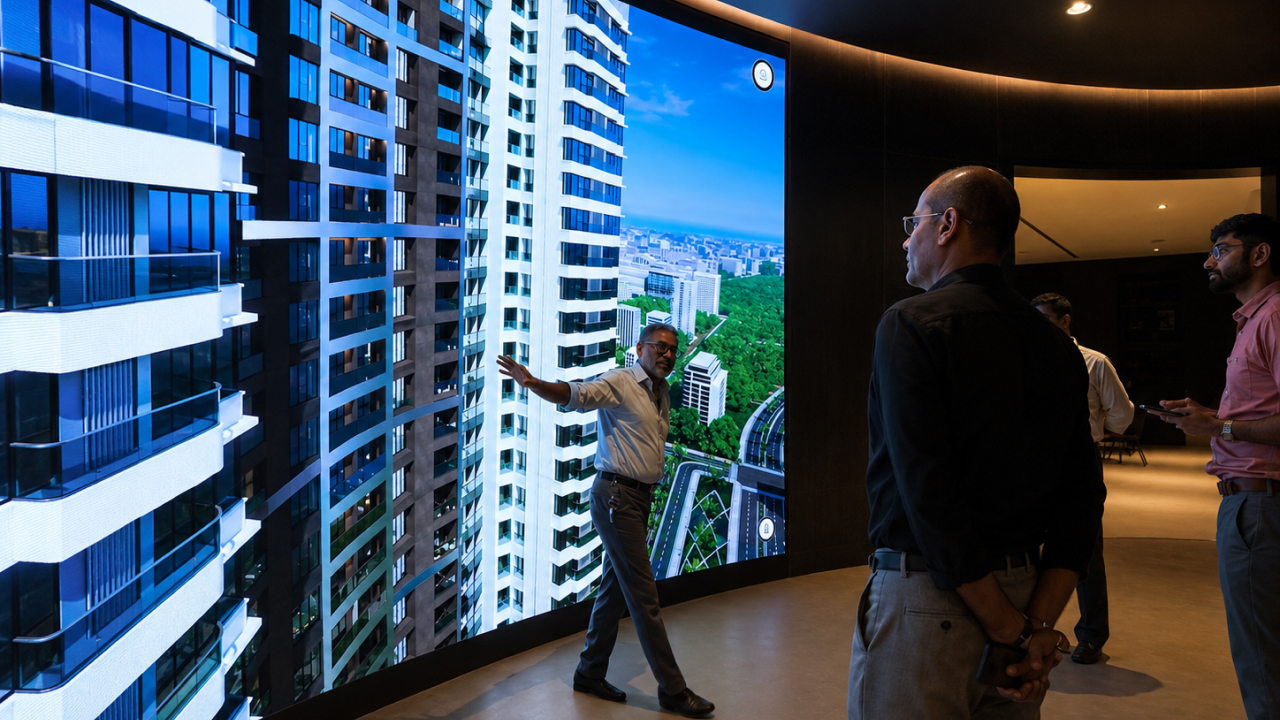
The developers leading this shift are not adding a single gadget. They are rebuilding the entire sales journey around interactive technology.
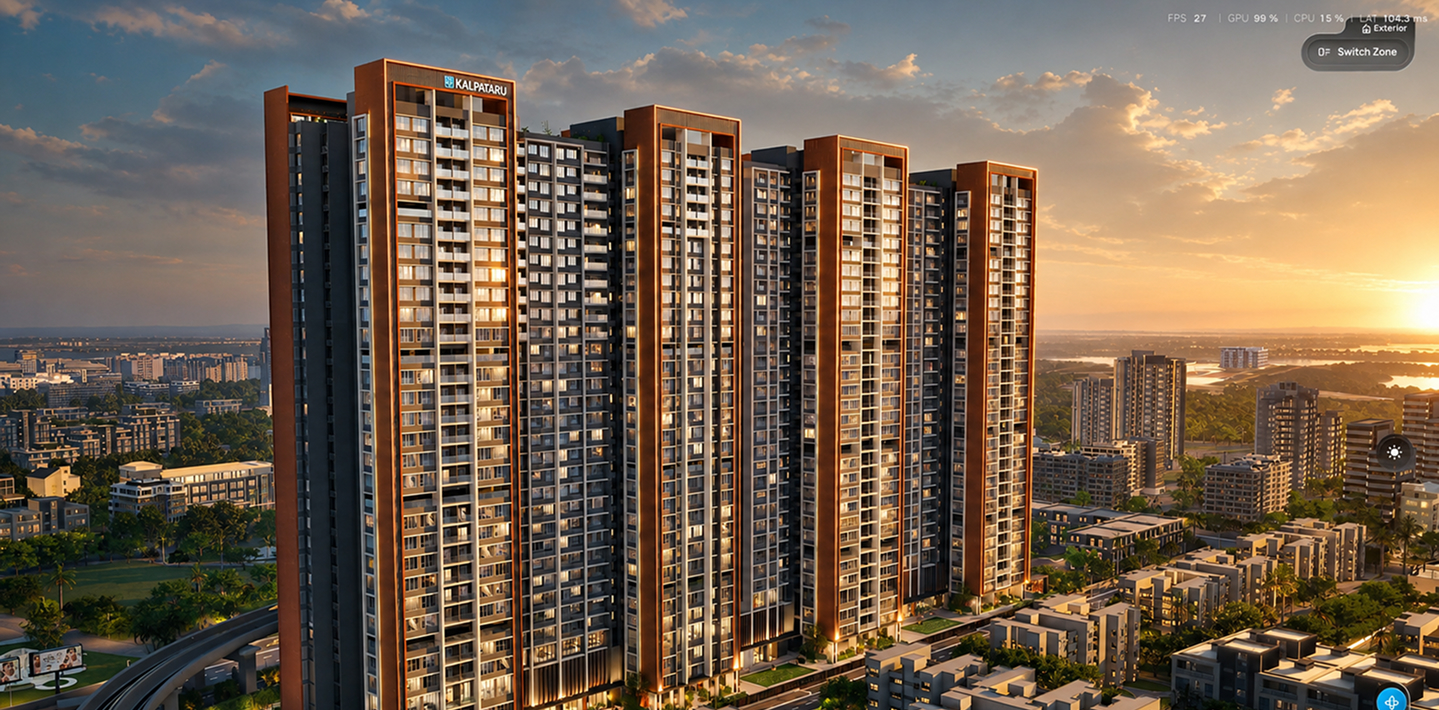
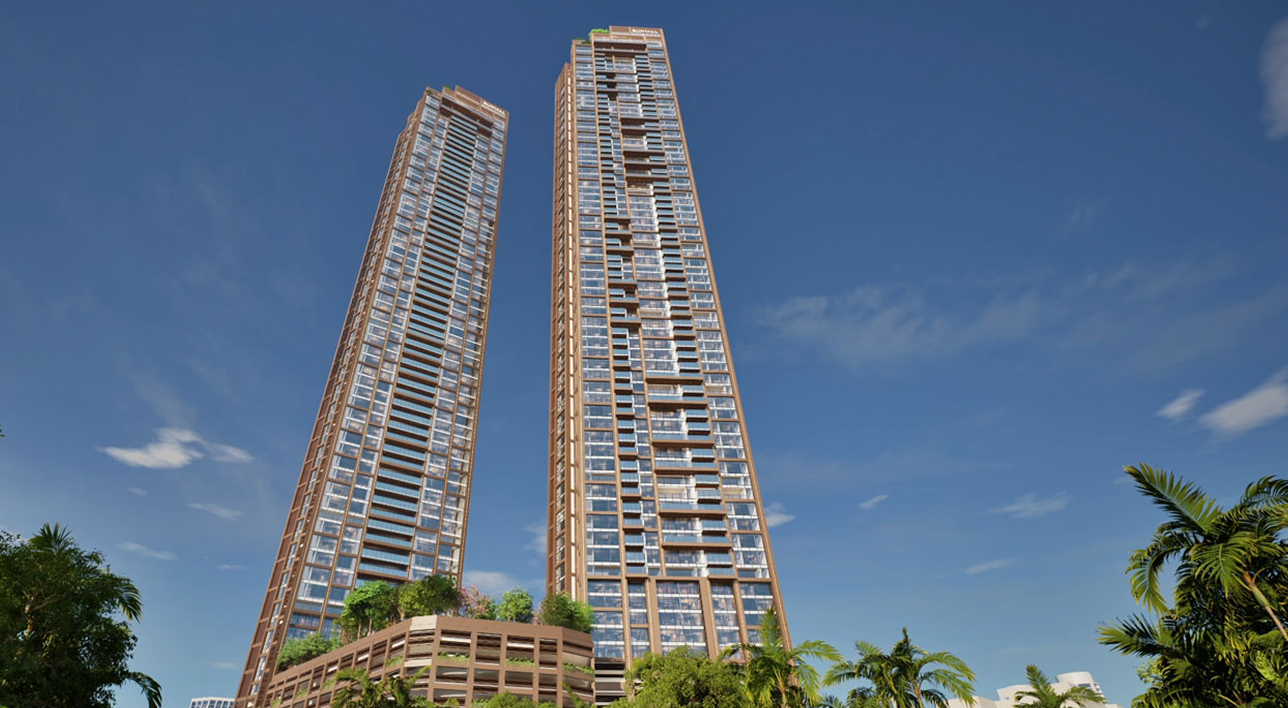
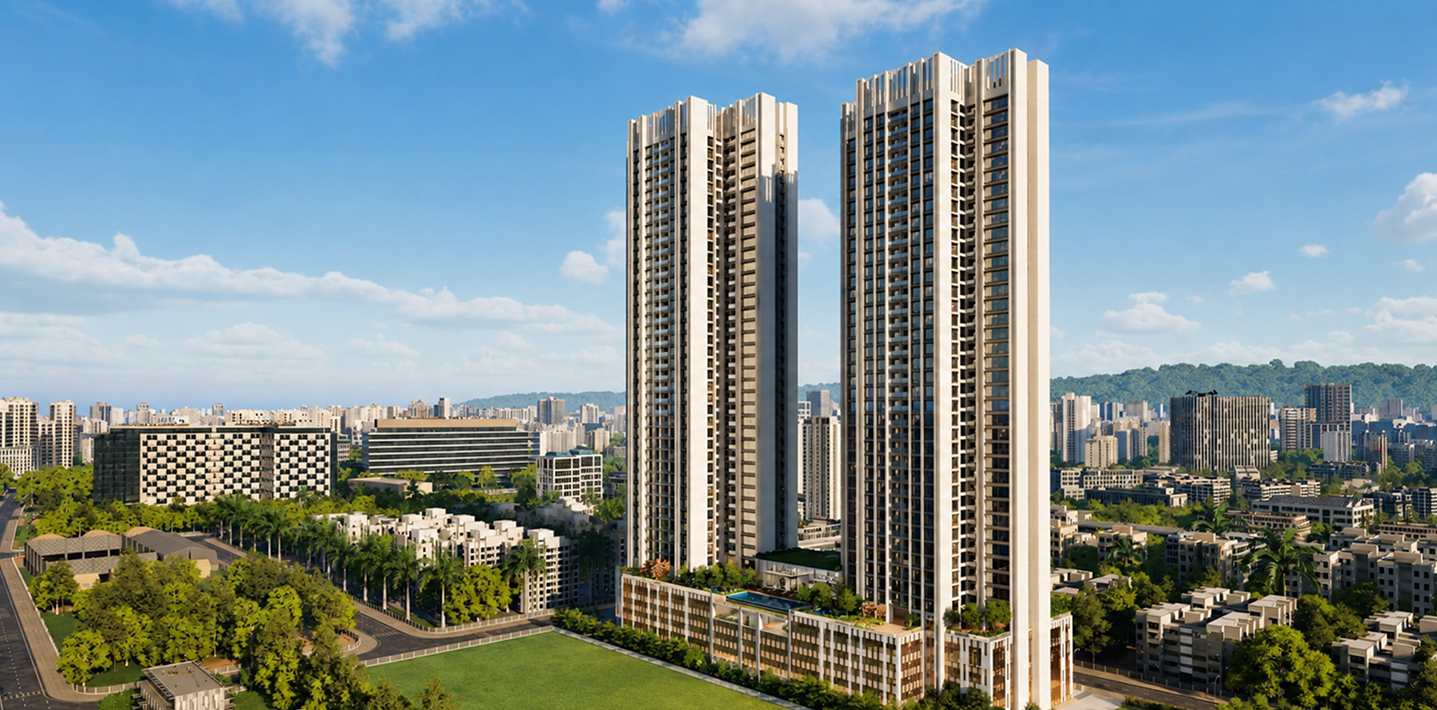
Digital twins replace static renders with navigable, photorealistic 3D models of the project, allowing a buyer to walk through a specific unit, on a specific floor, before it is built.
Interactive scale models use IoT sensors so that touching a physical building model triggers real-time information — amenities, views, connectivity — on a connected screen.
Window view simulation lets a buyer stand at a virtual window on the 14th floor and see the exact skyline they would wake up to, adjusted for time of day.
Vicinity mapping turns "close to the airport" from a claim into a visual, animated commute path a buyer can see for themselves.
This is precisely the model V-Estate has built and deployed across the country. With 57+ executions, 53+ experience centers, and 73,000+ sales closures supported to date, V-Estate has worked with developers including Godrej Properties, Rustomjee, Adani Realty, L&T Realty, House of Hiranandani, Kalpataru, and Runwal — brands that represent a meaningful share of premium residential supply in Mumbai and Bangalore.
The offline advantage
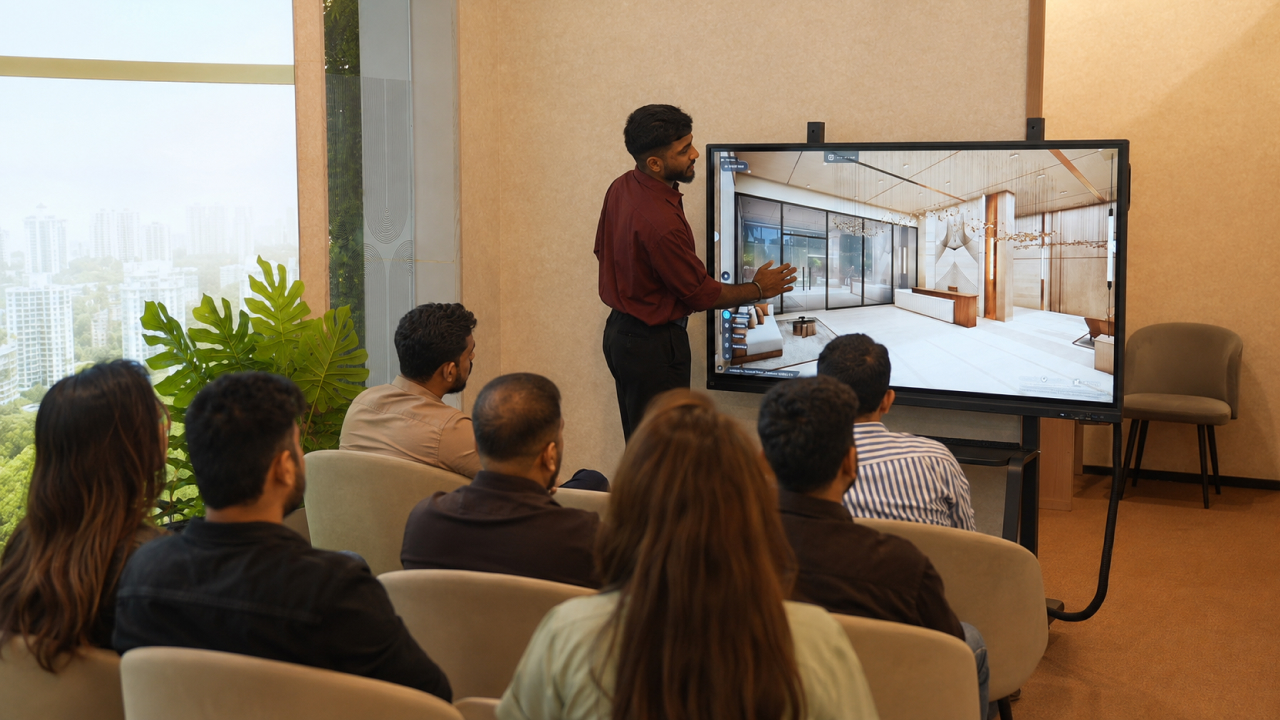
It's worth being precise about what kind of PropTech this is. V-Estate is not an online listing platform or a website-based configurator. It is an offline, in-centre activation tool, deployed physically inside a developer's sales gallery or experience center.
This distinction matters. High-ticket real estate purchases in India are still overwhelmingly closed in person, with a sales executive present, often across multiple family members and multiple visits. PropTech that lives inside that physical moment — rather than replacing it — is what actually moves a buyer from interest to conviction. A Rustomjee gallery outfitted with V-Estate's technology, for instance, didn't just look impressive; it changed how buyers understood engineering details and amenities that would otherwise have taken a sales executive several conversations to explain.
Where the category is headed
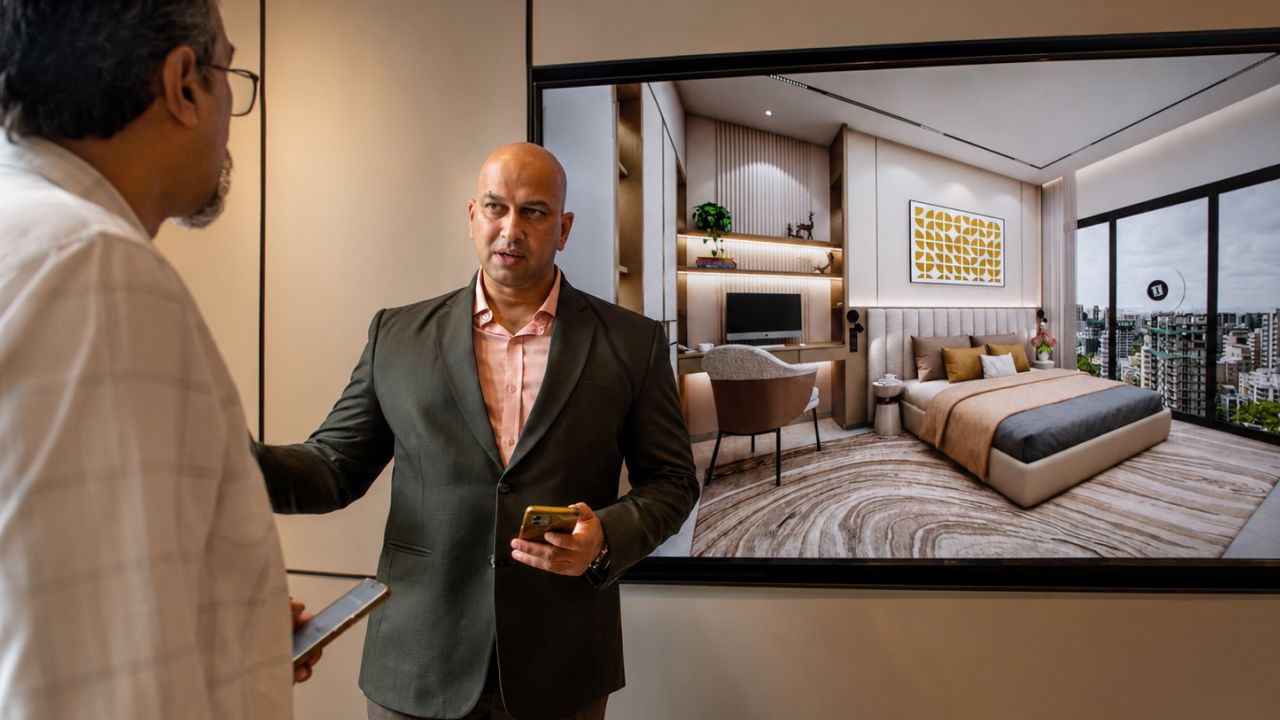
The next phase of PropTech adoption in Indian sales centers is less about adding new hardware and more about tightening the loop between physical and digital. Developers are increasingly expecting:
- Remote monitoring and AMC support, so a technology failure at a launch event doesn't cost a weekend of footfall
- Multi-city consistency, so a buyer visiting a Bangalore experience center gets the same quality of experience as one in Mumbai
- Faster deployment timelines, so experience centers can be built in weeks, not months, ahead of a launch
Developers who treat their sales center as a technology investment, not a decoration budget, are the ones seeing measurably faster sales cycles.
If you're a developer planning your next launch and want to see how an interactive experience center could shorten your sales cycle, book a live demo with V-Estate to explore what's possible for your project.