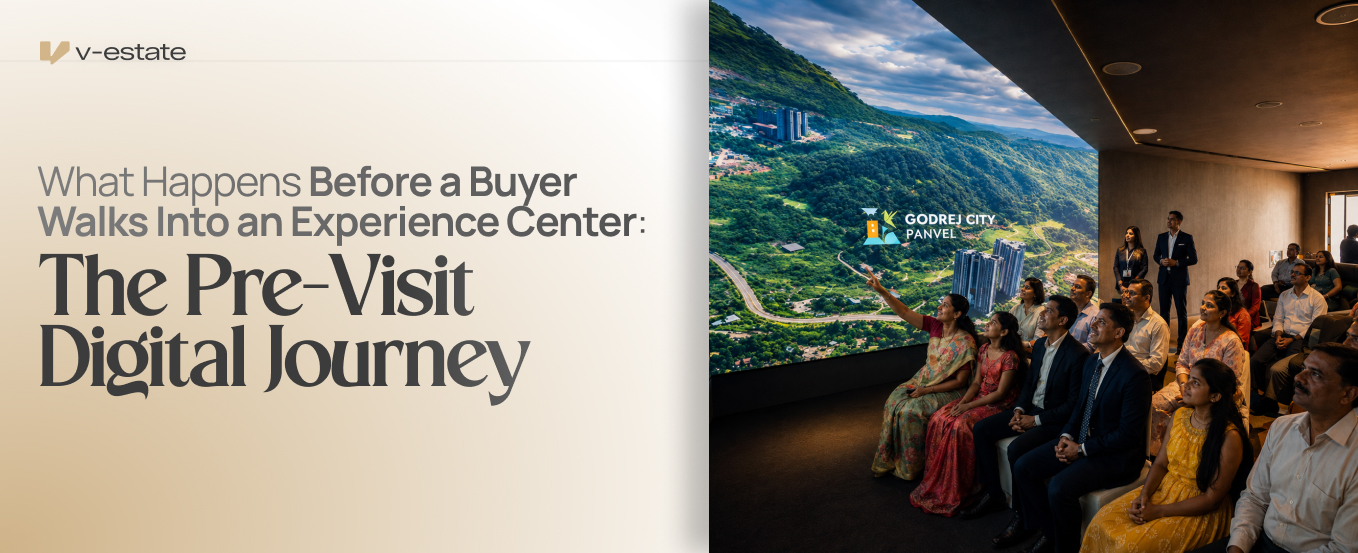
Developers often measure experience center success starting from the moment a buyer walks through the door. But by the time that buyer arrives, they've usually already made several decisions that shape how the visit will go — which project to shortlist, which developer to trust, and what they expect to see once they're inside. Understanding what happens before the visit is just as important as designing the visit itself.
The research phase most developers underestimate
Today's real estate buyer rarely walks into a sales gallery cold. Before booking a site visit, most prospective buyers have already:
- Compared multiple projects online based on location, price, and configuration
- Watched video content about the developer's past projects and reputation
- Formed expectations about what "premium" or "modern" should look like, often shaped by other industries entirely — travel booking platforms, car configurators, retail apps
This means a buyer arriving at an experience center is not a blank slate. They're arriving with a set of expectations that the physical visit either confirms or disappoints.
Where the developer's digital presence fits in
The marketing and website layer — project pages, case study content, testimonial videos — plays a specific role in this journey: it earns the appointment. A well-built digital presence convinces a buyer that a particular project is worth the drive, the time, and the family discussion that a physical visit requires.
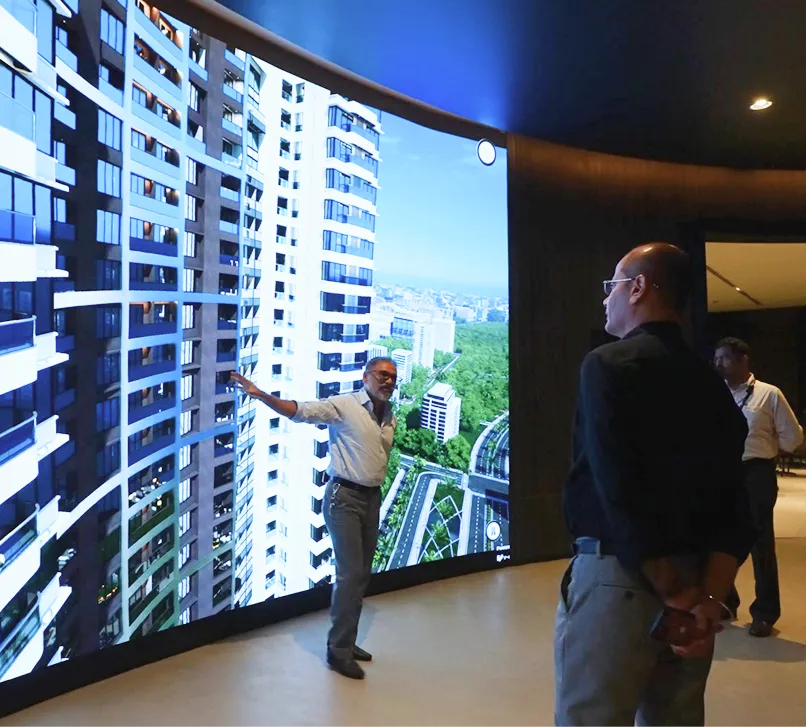
But it's important to be precise about where V-Estate fits into this journey. V-Estate is not a pre-visit digital tool. It is an offline, in-centre interactive sales system, deployed physically inside the experience center itself. The pre-visit digital journey — website content, project imagery, video walkthroughs used for early-stage research — is a separate layer of the funnel that sits before a buyer ever reaches the gallery door.
Where the two connect is in expectation management. A buyer who has seen polished digital content about a project arrives expecting the in-person experience to match or exceed what they saw online. If the gallery experience is a step down from the digital marketing that brought them there — static models, dated brochures, a sales executive reciting numbers off a printed sheet — the visit underperforms the expectation the marketing created.
Godrej Panvel: a case in expectation and delivery
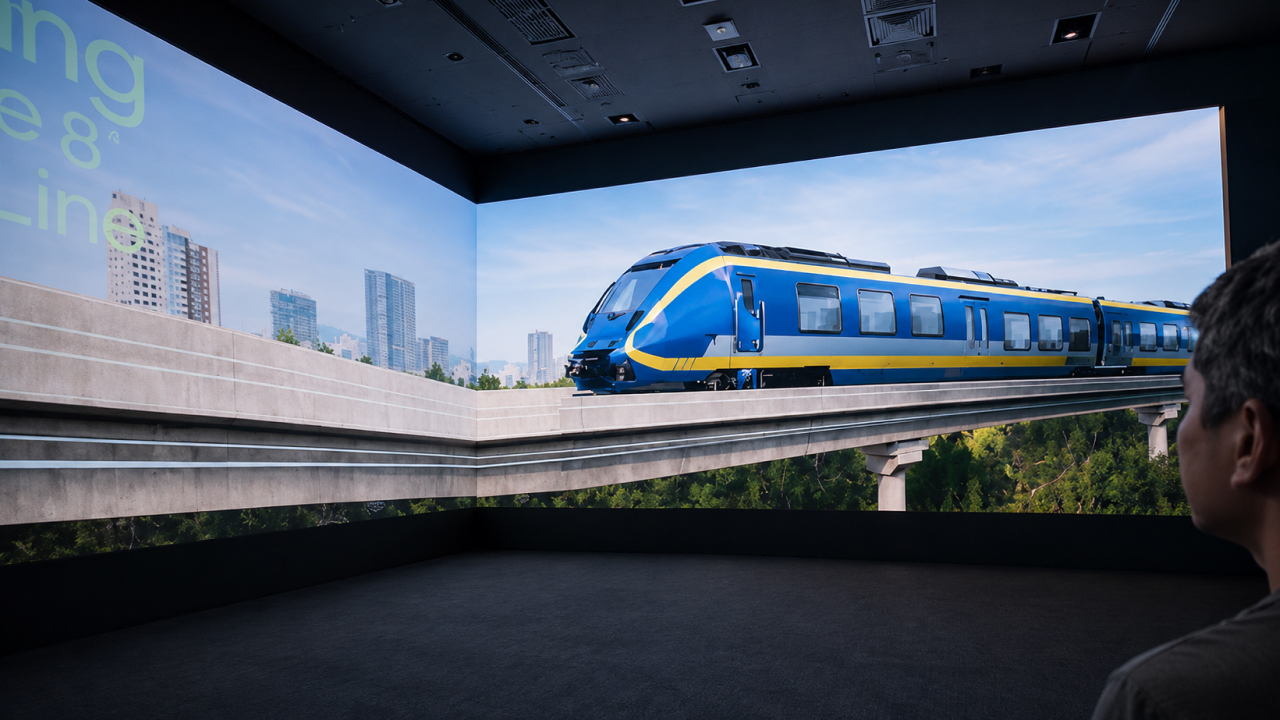
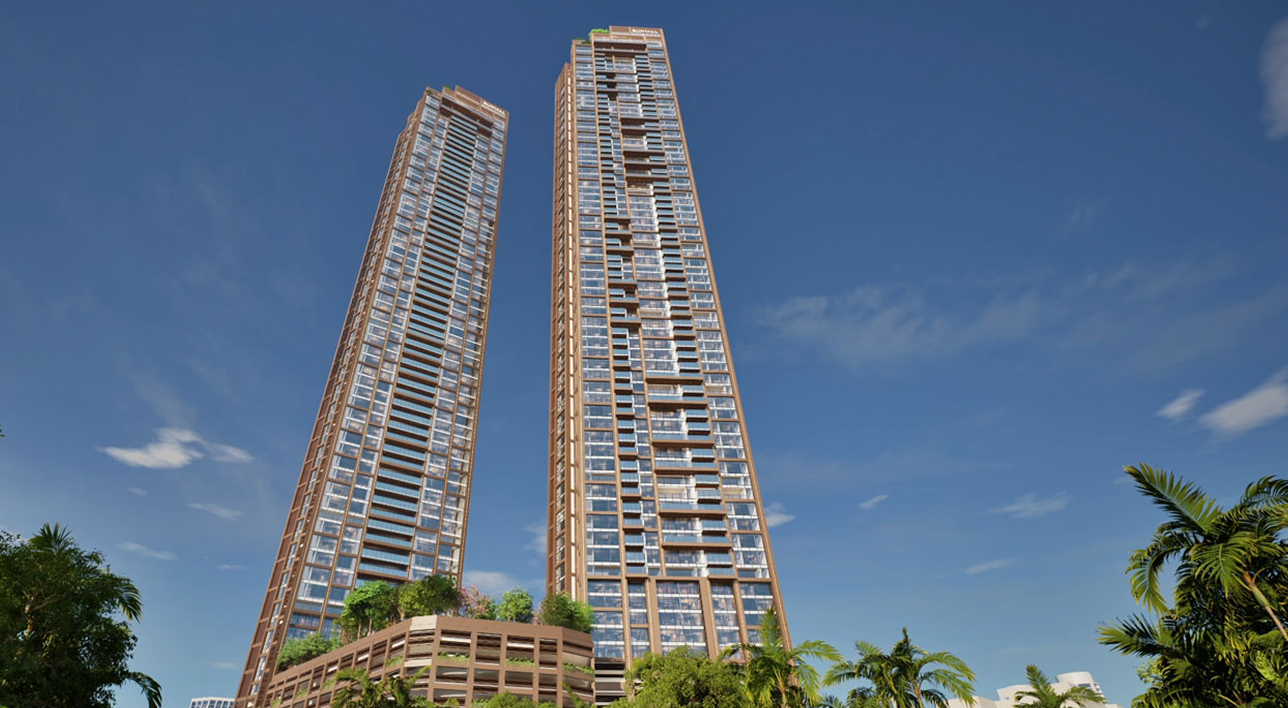
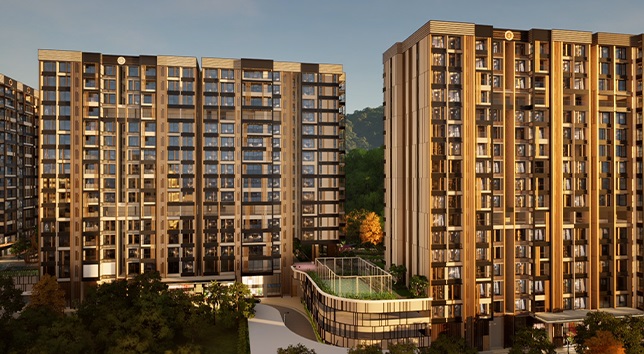
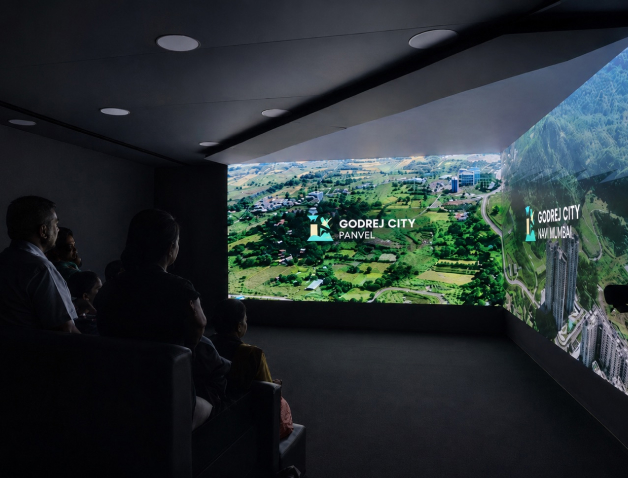
One instructive example is Godrej Properties' Panvel project, which drew over 5,400 monthly walk-ins on the strength of its marketing and reputation. That volume of footfall creates a specific challenge: converting a high volume of curious visitors, most of whom arrived with only a surface-level understanding of the project, into buyers who leave with genuine conviction.
The solution wasn't more marketing. It was closing the gap between what buyers expected walking in and what they experienced once inside — using an in-centre engine designed to build understanding and conviction within a compressed window of just a few minutes per visitor group. This is precisely the function an offline, in-centre PropTech tool is built for: not attracting the visit, but making the visit count once it happens.
Designing the handoff
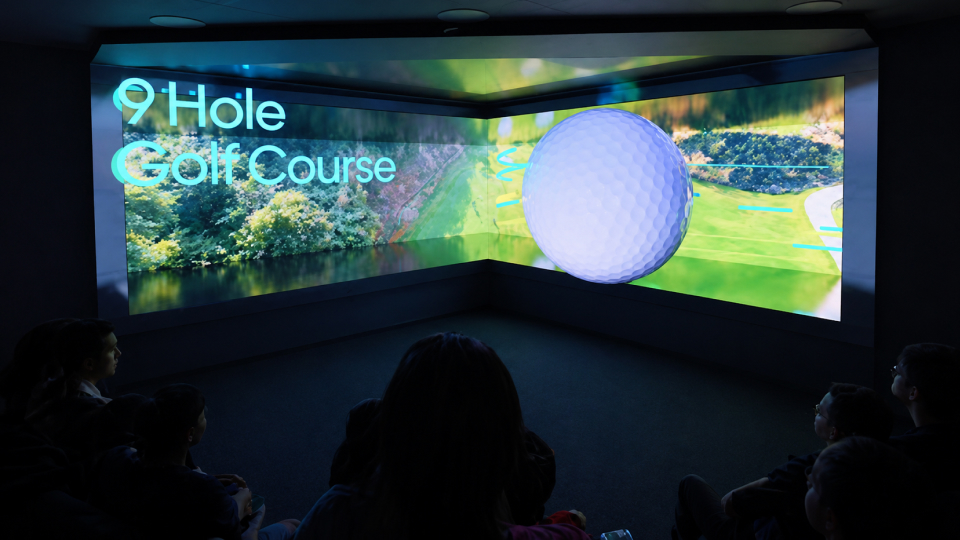
For developers, the practical takeaway is to think of the buyer journey as two distinct systems that need to be designed together, even though they operate separately:
The pre-visit system — website, digital marketing, social content, video walkthroughs — is responsible for generating qualified footfall and setting accurate expectations.
The in-centre system — the experience center itself, powered by tools like V-Estate — is responsible for converting that footfall into booked units, by delivering an experience at least as compelling as what the buyer saw online.
When these two systems are designed independently, without coordination, buyers frequently arrive with expectations the physical gallery cannot meet. When they're designed together, the visit becomes the moment where digital promise turns into physical conviction.
If your marketing is driving footfall but your gallery isn't converting it, book a demo with V-Estate to see how an in-centre system can close that gap.
If your marketing is driving footfall but your gallery isn't converting it, book a demo with V-Estate to see how an in-centre system can close that gap.
.jpg)