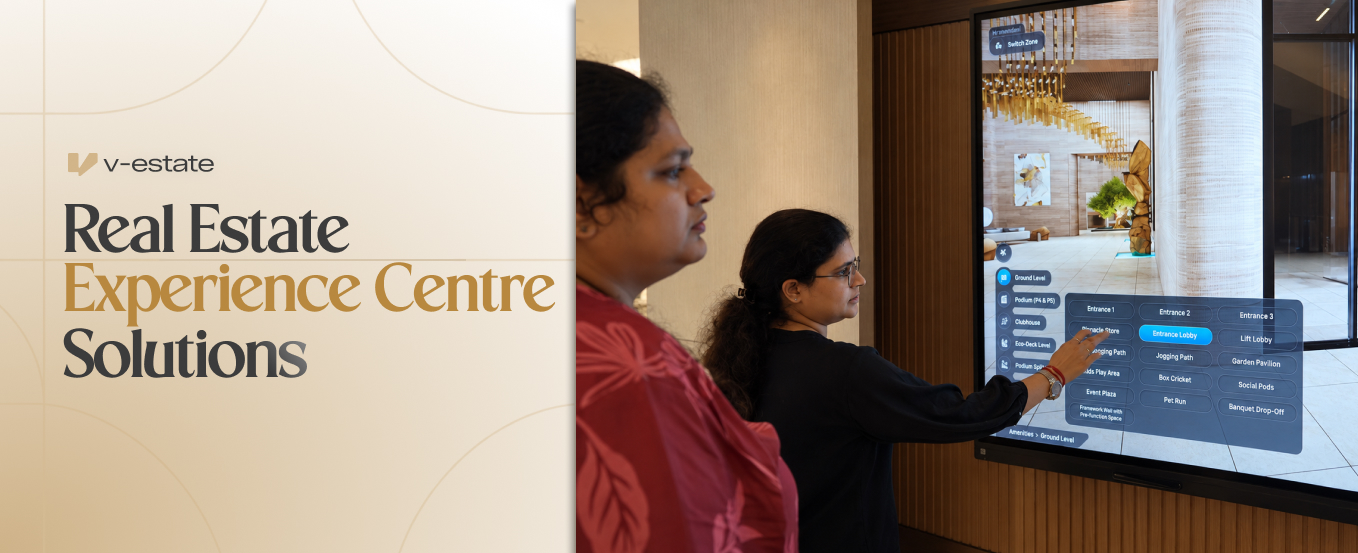
A property value is determined by three things: the brand’s credibility, the location value, and the lifestyle it promises to deliver to its residents. Yet, all these elements are communicated through static presentations, printed maps, and brochures. This leaves the buyers to connect these dots to understand the complete value proposition of the project.
For developers this creates a major communication gap between what the projects offer and what the prospects actually understand. There are several loopholes about communicating an entire lifestyle proposition, location potential value, and brand legacy and credibility all within one sales journey to win buyers' trust.
Hence, to create one connected buyer journey, a well-designed real estate experience center has become an absolute necessity for today’s developers. By combining brand storytelling, location intelligence, and immersive property experience under one roof, experience centers help translate the project’s value into a cohesive proposition that buyers can explore, evaluate, and understand properly.
What is a real estate experience center?
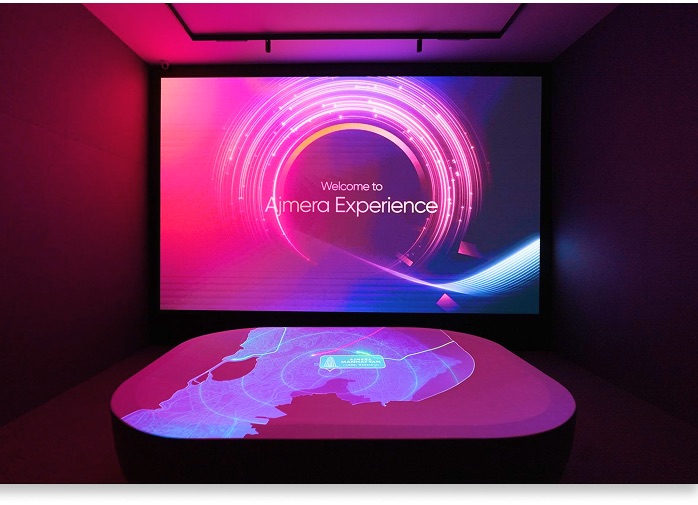
A real estate experience center is a sales environment that is tech-enabled and that allows buyers to explore the entire property, location, and brand value through interactive and immersive formats.
Its role extends far beyond property visualization. It brings together:
- Amenities and lifestyle
- Interactive property sales tools
- Project scale and master plan
- Virtual property tours and immersive walkthroughs
- Brand heritage and developer credibility
- Location and connectivity intelligence
- Architectural vision
The objective of an experience center is to create a logical progression using interactive property sales tools from trust → context → product → decision.
Why the Sales Story Needs to Convey Brand, Location, and Lifestyle Values
A luxury residential project doesn’t exist in isolation. Its perceived value is communicated to the buyers when the sales story is shaped by the brand behind it, the location around it, and the lifestyle it promises.
Brand Authority Is The First Layer Of Trust
A developer's reputation matters a lot when it comes to high-value purchases. CBRE, the firm that is a global leader in real estate services, recognizes Indian developer reputation and track record among the evolving housing market and the factors influencing residential purchase decisions.
Hence, if a developer creates a strategic experience center for the sales for the flagship projects or luxury developments, that can help them enhance brand authority and credibility into an engaging narrative for their buyers rather than a static corporate timeline and conventional methods.
Location Value Is Far Beyond A Static Map
A static map can give a basic representation of connectivity, major landmark lists, and its distance from the project.
But through interactive vicinity mapping in an experience center, developers can showcase how the project actually connects to the wider city, what the upcoming infrastructure is, and how the neighborhood is going to evolve around the development.
This makes the location a visual sales asset rather than just being supporting information.
Lifestyle Spaces Become Easy To Comprehend
If the developer chooses to have an amenity-led sale, then it would have greater value only when buyers would get the exact context about how they would fit into everyday living.
Interactive formats in experience centers allow sales consultants to understand the interests of buyers and let them respond according to the buyers' requirements.
This makes interactive property sales tools extremely important when multiple decision-makers are evaluating the same property.
Inside The Ajmera Manhattan Experience Center: 500+ Families A Month Experiencing Brand Legacy, Location, And Lifestyle
The objective was to create a differentiated digital experience in the experience center, rather than using conventional sales methods, giving customers a new experience of the real estate buyer journey to explore brand, location, and product through interactive and immersive formats.
The larger intent also was to create an immersive technology-led experience that could convey the scale, ambition, and New York and Manhattan-inspired vision of the project, strengthening the brand positioning and customer’s conviction.
The entire experience center had to bring:
- Sion-Wadala’s transformation and connectivity, helping customers understand the location’s existing and emerging infrastructure, including key developments such as Atal Setu.
- Ajmera’s 58+ years of legacy and evolution, establishing the brand story and its journey from its origins in Wadala to its present-day vision.
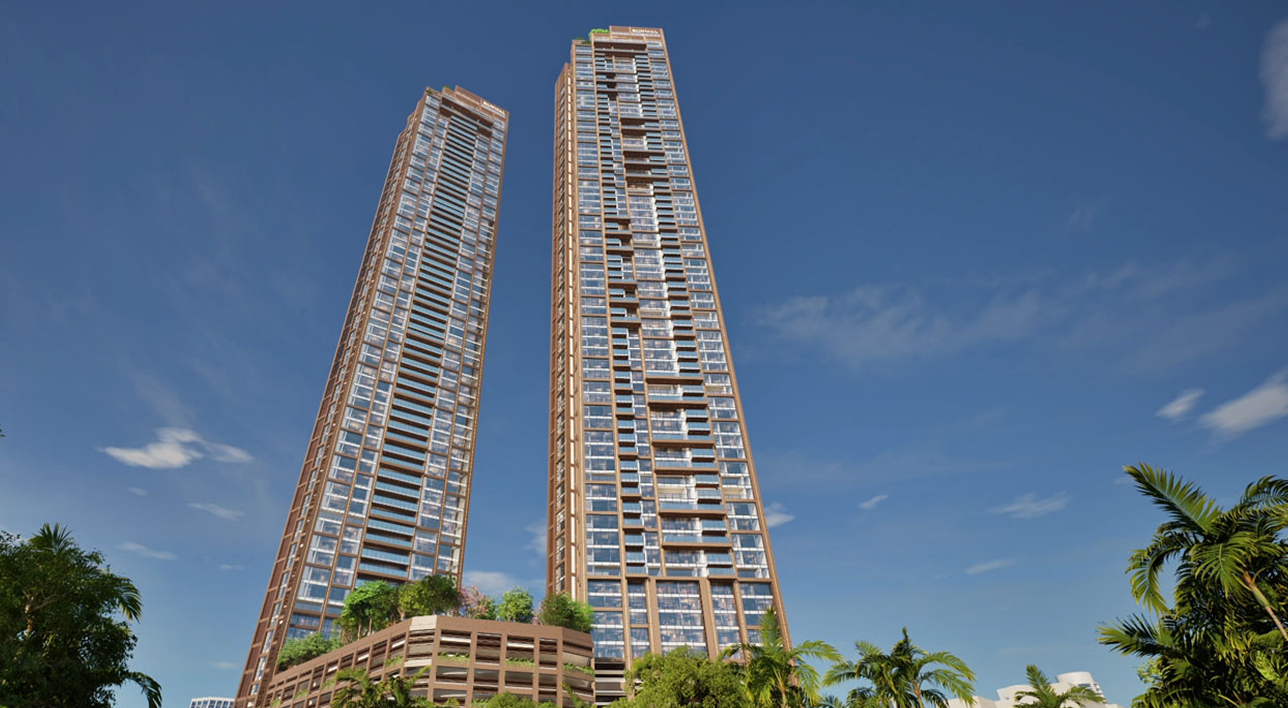
- The scale of the development, with six towers connected by a seven-acre unified podium.
- The project’s lifestyle proposition, spanning architecture, amenities, wellness, sustainability, community, and quality of life.
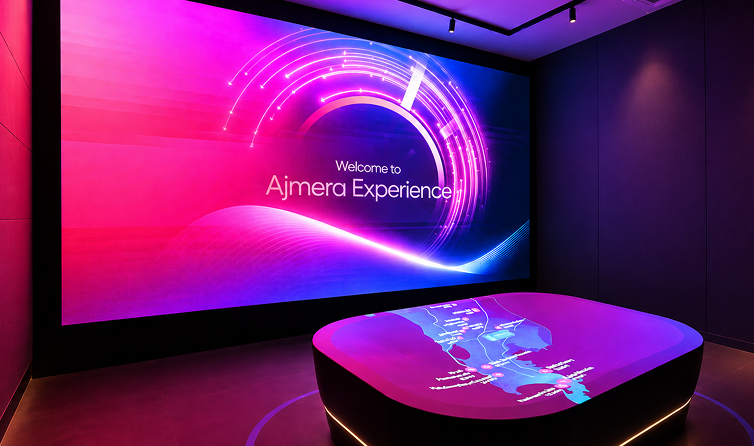
V-Estate created an immersive technology-led experience center, divided into 2 zones to convey all this together via one connected buyer journey.
Zone 1: Ajmera Legacy & Location Experience
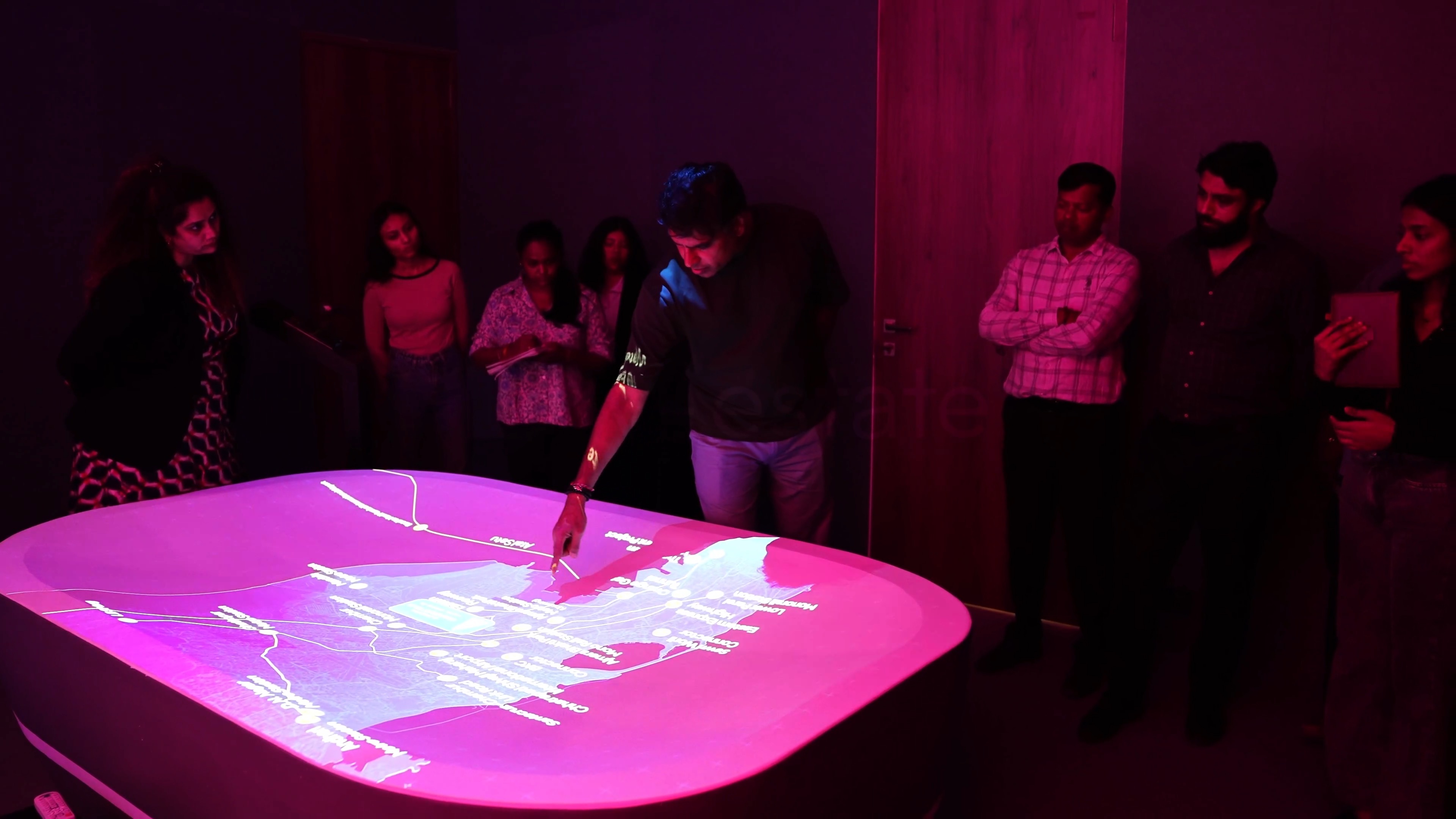
The first zone combined Ajmera's history with Sion-Wadala's transformation from 1968 to the present as a well-connected urban ecosystem. It also showcased the Manhattan-inspired architectural vision by Hafeez Contractor and Bobby Mukherjee.
The legacy story was created using researched archival material, newspaper references, and period imagery, moving beyond a conventional timeline into a contemporary animated brand narrative.
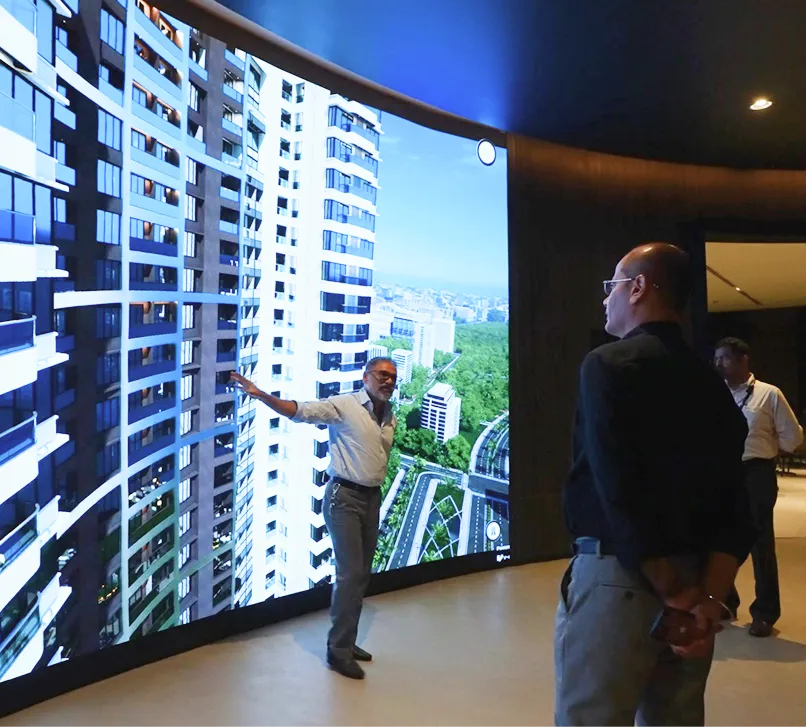
The legacy narrative was showcased via two films, approximately two minutes and five minutes, allowing it to adapt to different customer journeys. A 20 × 10 ft P1.8 LED wall and a custom concave projection table was deployed to bring the experience to life. This allowed the buyers to explore Ajmera's brand legacy and Wadala’s evolving infrastructure and connectivity. A Dolby Atmos surround sound system and an acoustically treated environment were used to create an immersive experience.
Business Value:
- Buyer conviction is getting built due to showcasing Ajmera Realty’s legacy and its current ongoing developments.
- It is helping buyers easily understand the location value and neighborhood context.
- Gives a structured way for sales consultants to communicate location value and brand credibility.
Zone 2: Lifestyle Immersive Room
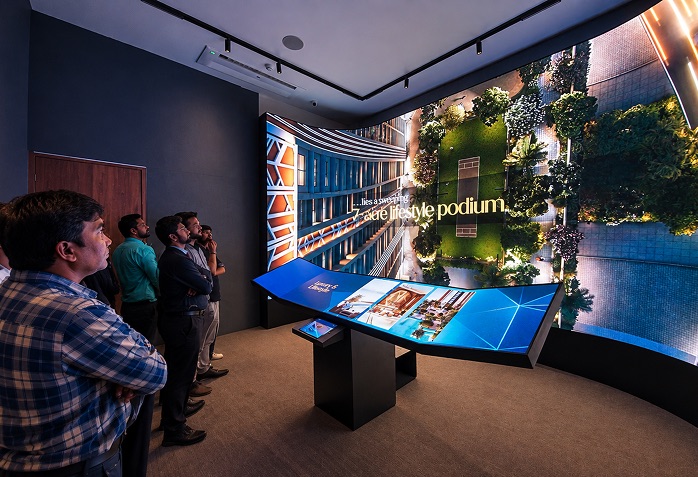
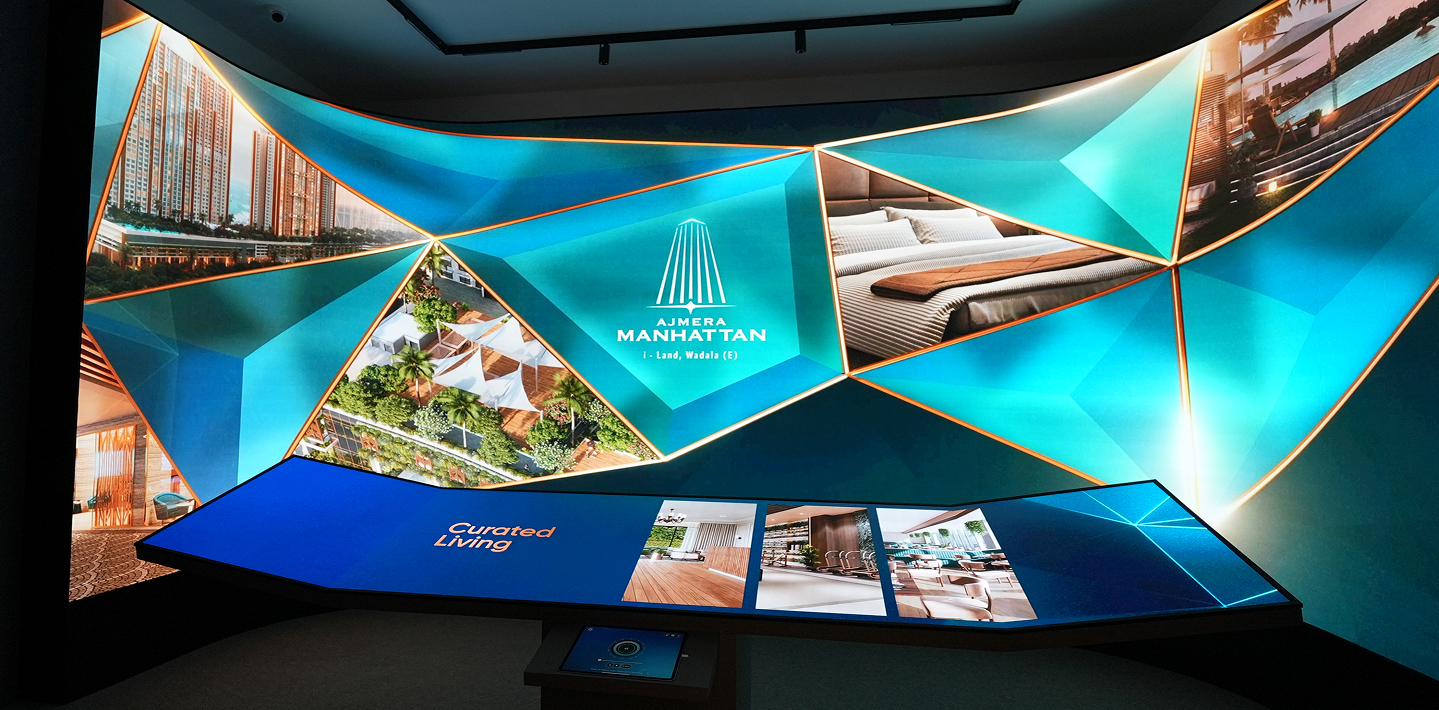
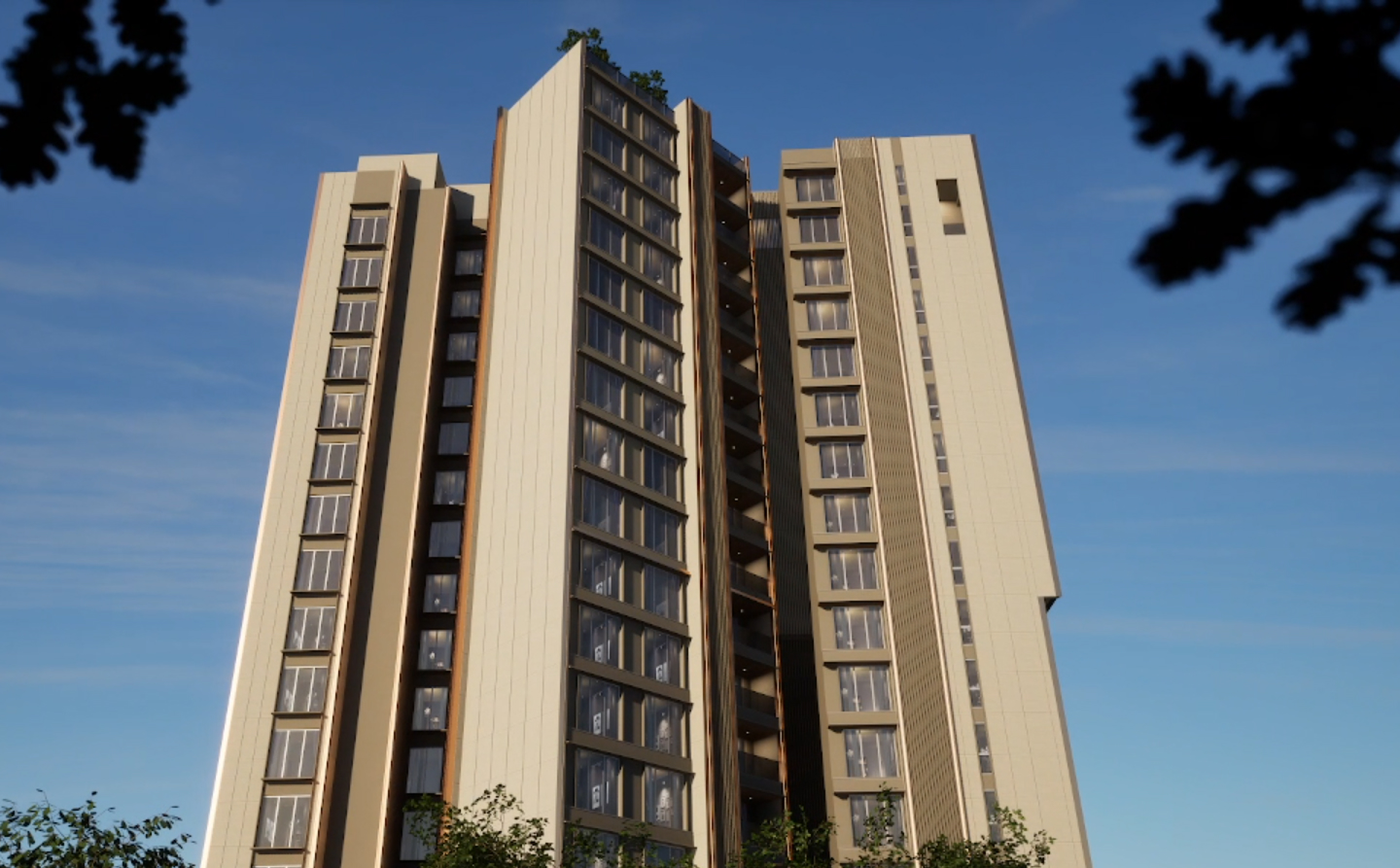
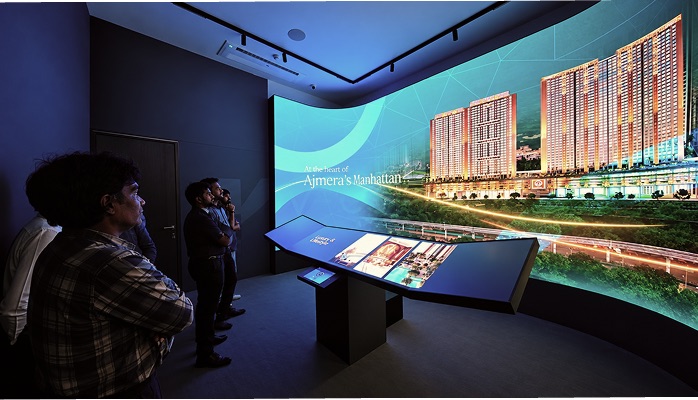
The second zone introduced customers into the Manhattan proposition and complete context of the development: six towers, a seven-acre podium, architecture, amenities, wellness, sustainability, and community living. Buyers get clarity about the Manhattan-inspired architecture, including New York-style lampposts, gates, lobbies and podium design.
A 28 ft C-shaped LED, a P0.9 COB butterfly LED elevated with an approximately 4.5 riser, and a central iPad interface were deployed together to create an immersive 180-degree visual environment. Customers could select individual topics and control the content rather than passively watching a fixed presentation.
The technology was synchronized through custom Unity software and socket-based communication, allowing the displays and interactive interface to operate as one system.
Business Value:
- The project proposition around lifestyle, amenities, and architecture is all communicated via a single immersive environment.
- Allows sales teams to personalize their pitch around the buyer's interest areas.
- Buyers are able to understand the relationship between individual amenities and overall lifestyle experience, leading to deep exploration of the development.
The Business Value of An Immersive Sales Experience
The Ajmera Manhattan experience center engages 500+ families monthly, accommodating upto 10 decision makers at a time, and the immersive customer journey has become a mandatory stage within the sales journey. The experience center has received leadership appreciation from the leadership team, Mehul and Dhawal Ajmera.
For leading developers, the bigger lesson is strategic.
A real estate experience center can become the connective layer between marketing and sales, bringing brand storytelling, location intelligence, and product exploration into one controlled and cohesive environment.
It can combine virtual property tours, interactive sales conversations, and more personalized buyer journeys, making the large propositions of printed brochures, static presentations, and disconnected digital tools obsolete.
As India's residential market continues shifting towards higher-ticket developments, developers will need to communicate not only what they are building but also why the brand, location, and lifestyle make the property valuable.
Hence, experience centers in the real estate industry can become the place where that entire argument comes together.
Build a property experience that connects your brand, location, and lifestyle experience together in one connected sales journey. Book a demo with V-Estate today.