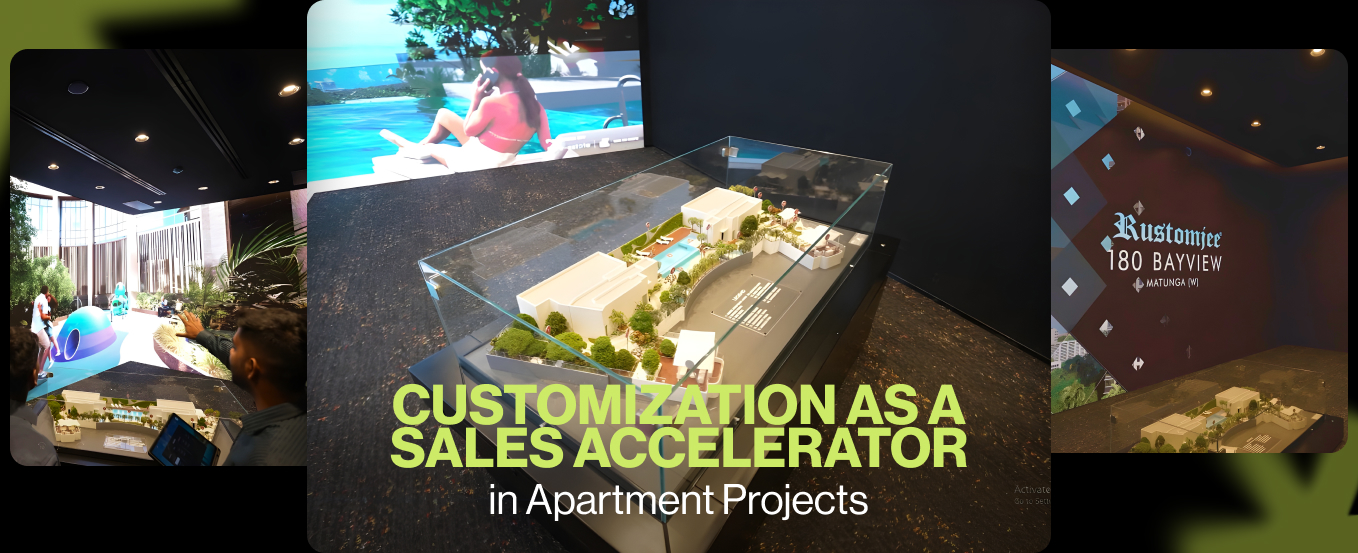
The fastest way to lose a serious buyer is to show them something that does not feel like theirs.
This is a quiet but consistent pattern in apartment sales across every price segment. A buyer walks through a presentation. The finishes are fine. The layout works. But nothing in that room feels personal. So they leave — to think about it.
Most of the time, they do not come back.
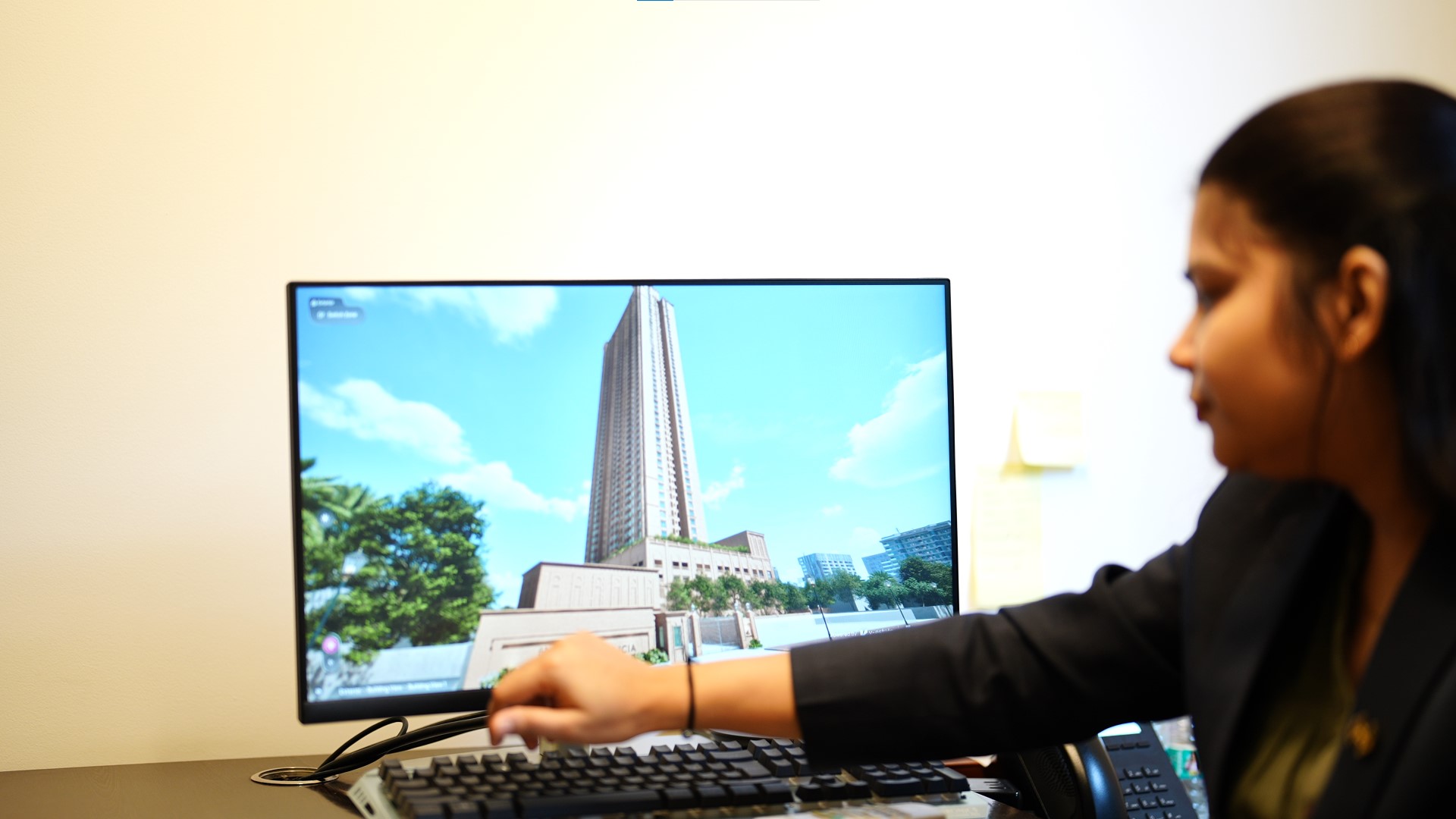
Static Presentations Create Passive Buyers
Traditional real estate sales environments are built on a one-directional model. The developer presents. The buyer observes. There is no conversation between the buyer and the product itself.
Passive observation does not drive purchase decisions. Emotional ownership does.
When a buyer sees a fixed presentation — one finish option, one furniture arrangement, one lighting scenario — they are evaluating your version of the apartment. Not their version. That mental distance is where hesitation grows.
The Psychology Behind Customization in Real Estate Sales
Customization is not a luxury feature. It is a sales psychology tool.
When a buyer is given the ability to make choices — wall color, sofa placement, kitchen finish, lighting mood — something shifts in the interaction. They stop evaluating the property as an external object. They start inhabiting it mentally.
Every choice they make is a small act of ownership. By the time they have selected their wall finish and checked the window view in evening light, they have already moved in — psychologically. The physical paperwork becomes a formality.
Hiranandani Belicia, Thane
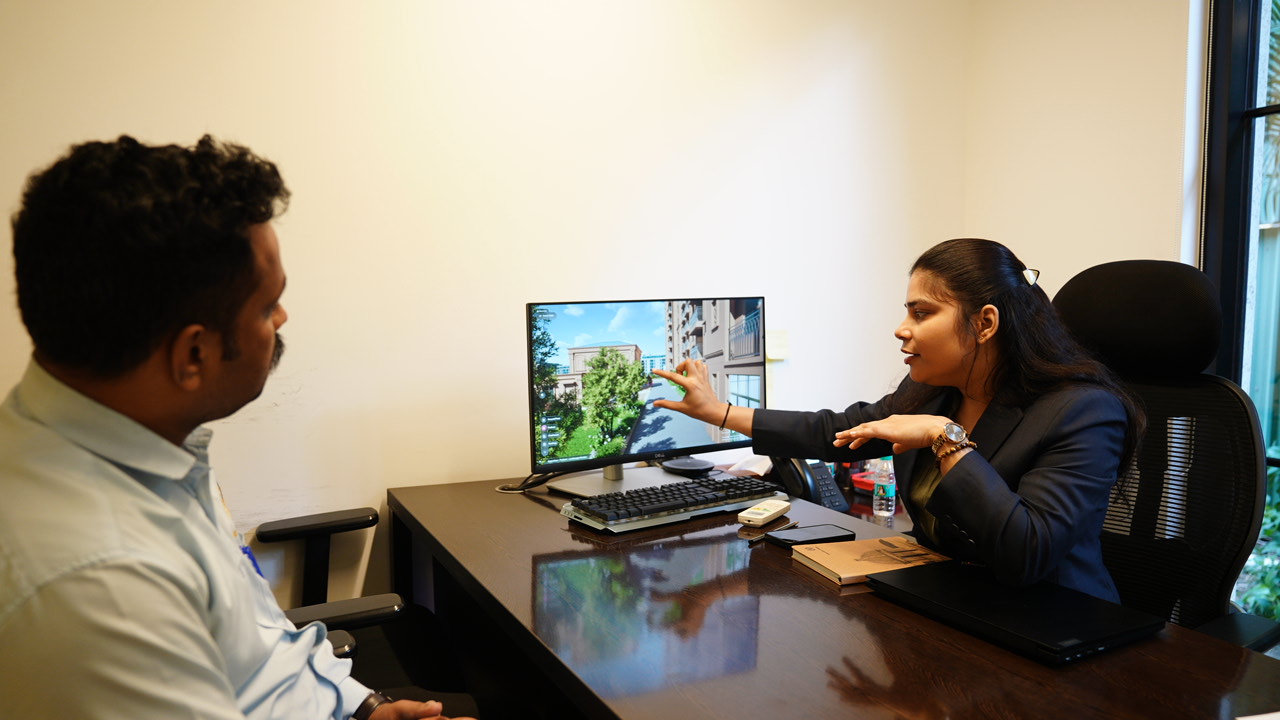
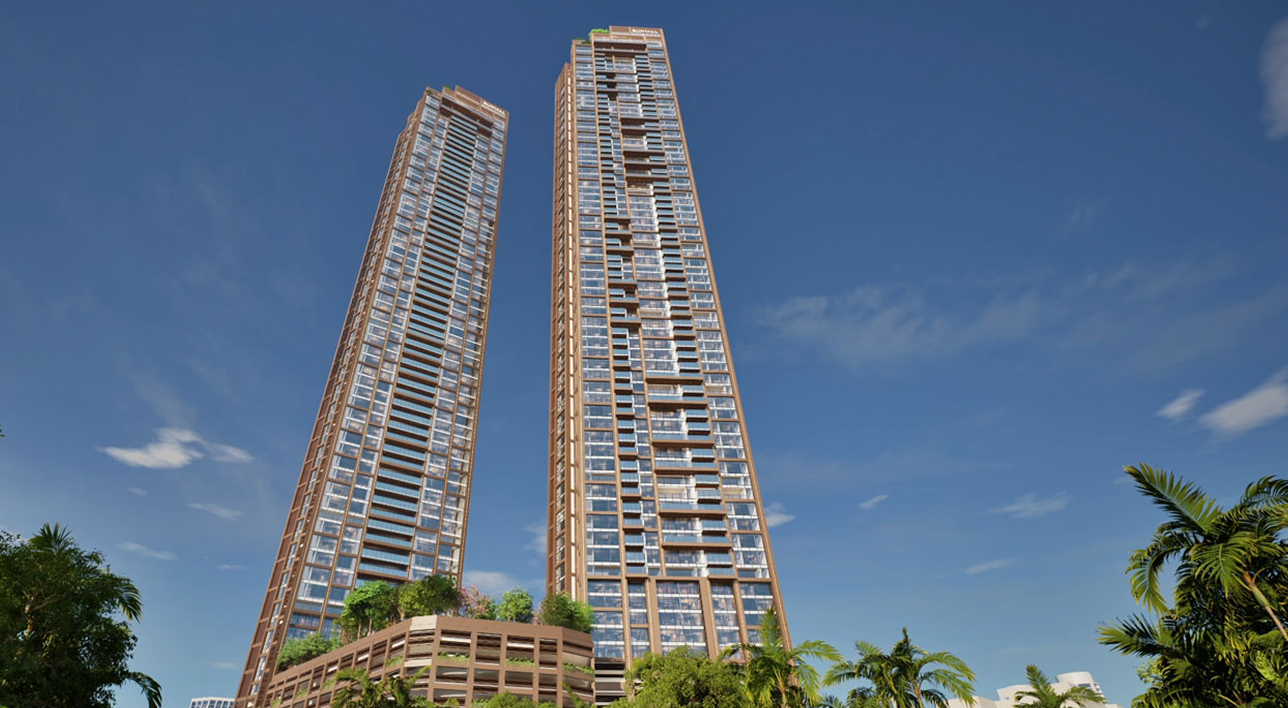
Project: House of Hiranandani | Belicia | 48-storey premium residential tower | 1.5-acre land parcel | Panch Pakhadi, Thane
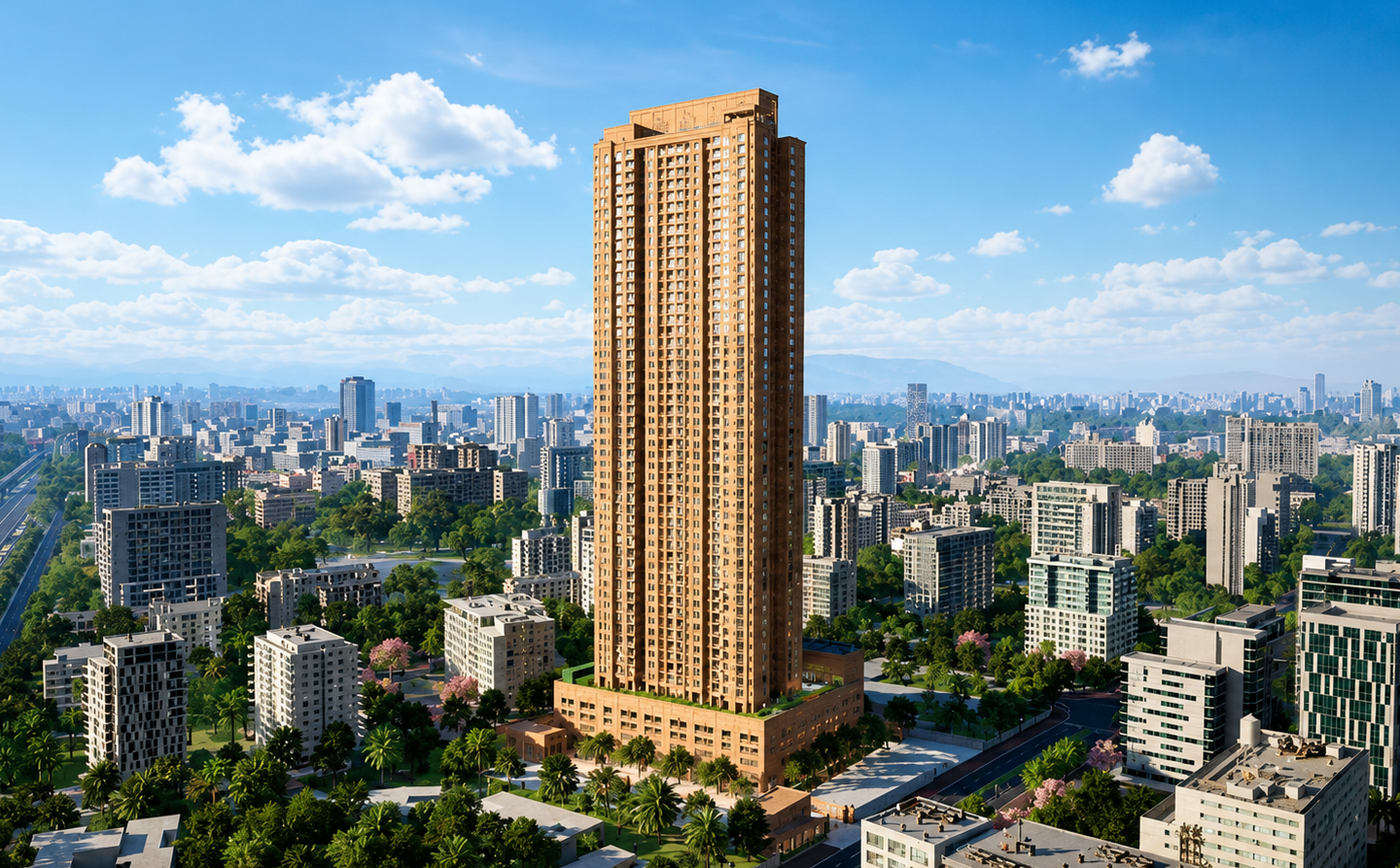
Hiranandani Belicia is a premium 48-storey residential high-rise featuring dual views of Yeoor Hills and the city-facing skyline, with 15+ luxury amenities.
Despite a strong product, the developer faced a specific challenge: making buyers genuinely experience the project's luxury depth — not just see it — in a way that moved them from interest to commitment.
The team initially implemented Relata, a web-based PropTech solution. But being a web-based platform, it had inherent limitations. It could not deliver the full scope of the project's spatial and architectural experience. Buyers were still leaving with unresolved questions.
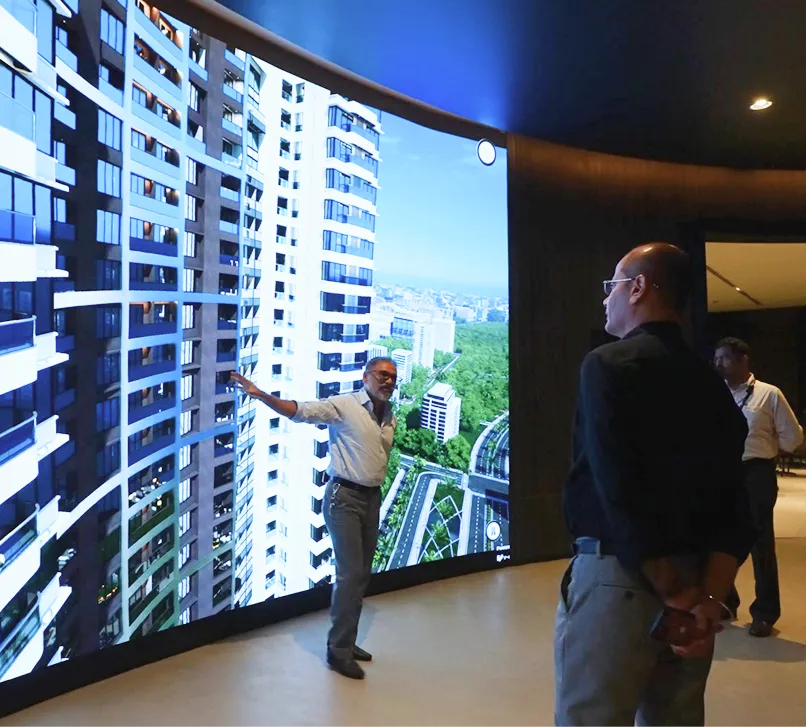
That is when V-Estate was brought in to build an advanced offline immersive experience centre that replaced the previous web-based solution entirely.
Architectural 3D Visualization: Belicia's Neo-Classical architecture — with highly detailed pediments, pilasters, cornices, jalis, grooves, nibs, and grooving panels — was recreated in photorealistic real-time using Unreal Engine 5.4. The modeling team optimized the ecosystem to under 1 million polygons without sacrificing visual fidelity.
Landscape and Amenities Experience: The rooftop pool, Kids' Play Area, Yoga Deck, Mini Theatre, Squash Court, Business Centre, and 15+ amenities were showcased in high photorealistic detail. Yeoor Hills and city-facing views were rendered with the visual depth buyers needed to appreciate the dual-view advantage.
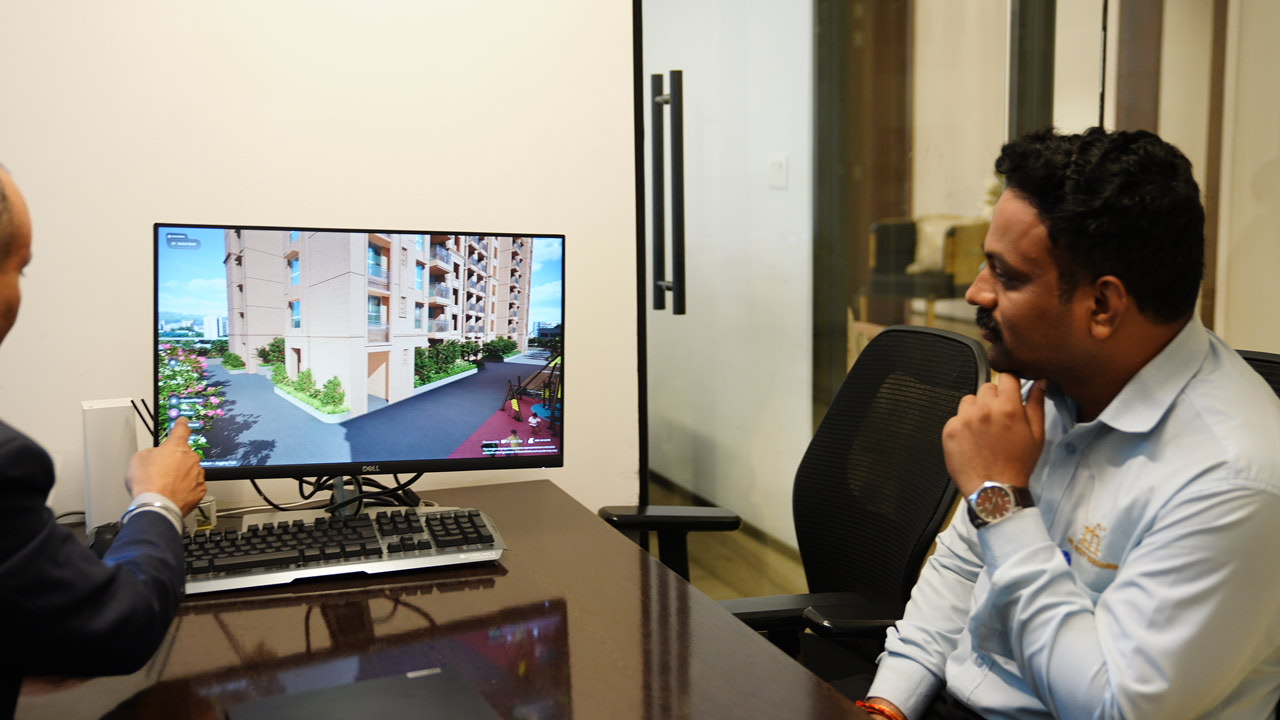
Interactive Sales Pod: Three dedicated meeting rooms were each equipped with a PC and interactive screen system. Buyers could explore:
- Dollhouse view of interiors
- Panoramic window views with day/night simulation
- 360-degree exterior views
- Photorealistic landscapes and amenities
- Neighborhood vicinity and connectivity
The upgrade from Unreal Engine 5.4 to 5.6 during the project enabled Megalights — processing over 5,000 dynamic lights seamlessly at 60 FPS without memory crashes. This delivered the day/night simulation quality that made the window view experience genuinely impactful.
Results:
- 30% increase in sales conversion rate — significantly above the industry average of 5–10%
- Increased client engagement rate observed by House of Hiranandani since installation
- Sales team adopted the platform extensively due to its superior ability to respond to buyer concerns with precision
- Accelerated Hiranandani's shift toward PropTech solutions, replacing conventional marketing tools across the project
What Buyers Are Actually Asking During a Site Visit
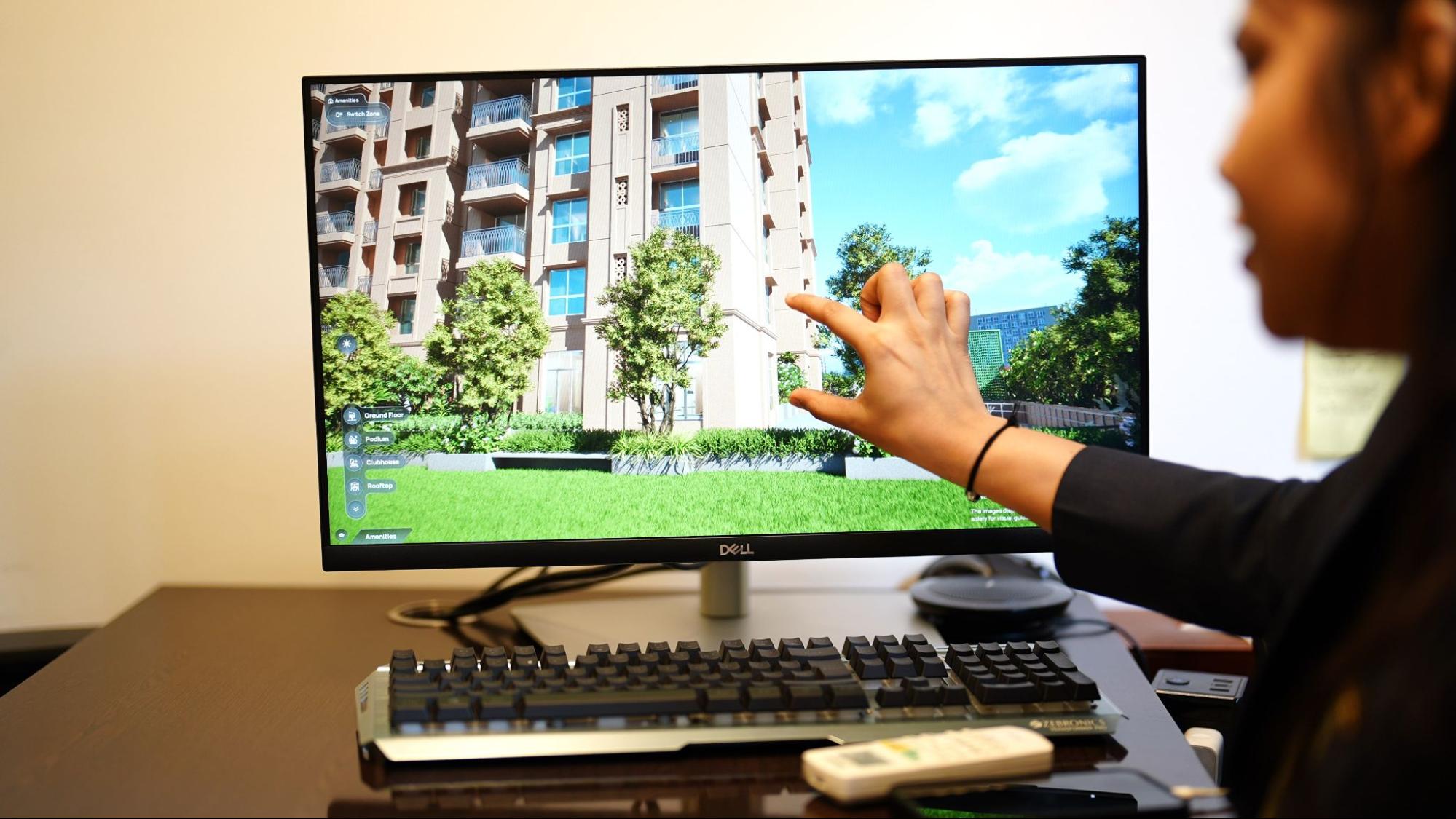
Most buyers will not articulate their real concerns directly during a presentation. But their hesitation consistently traces back to a short list of unresolved questions:
- "Will my furniture fit the way I imagine?"
- "What does this space feel like with the finishes I prefer?"
- "Is the view from this unit worth the price difference?"
- "How does this apartment look in the evening, not just under showroom lighting?"
Static presentations describe these answers. Immersive visualization with real-time customization delivers them.
Customization as Competitive Differentiation
In markets where multiple projects compete at similar price points, buyers visit several sites in short windows. They form rapid impressions. The project that stands apart is not always the best-located or best-priced. It is the one where the buyer felt most certain.
Customization creates certainty. It replaces "I think I like it" with "I know I want this." That distinction is the difference between a follow-up call and a signed agreement.
The Sales Team Perspective
Sales teams working within customization-enabled immersive environments describe a fundamentally different quality of buyer conversation. Instead of managing objections, they are facilitating decisions. Buyers lean forward. They ask to see options. They make choices.
That is a buyer moving toward commitment — not away from it.
The Bottom Line for Developers and Marketing Heads
The apartment that gets sold fastest is not always the best-priced or best-located. It is the one the buyer felt most certain about.
Customization creates that certainty — before ownership, before paperwork, before commitment.
If buyers are leaving your sales centre to "think about it" — the gap is not in your product. It is in your presentation. Give buyers the ability to make the space theirs during the visit, and watch what happens to your follow-up conversion rate. The decision happens in the room when the experience is right.