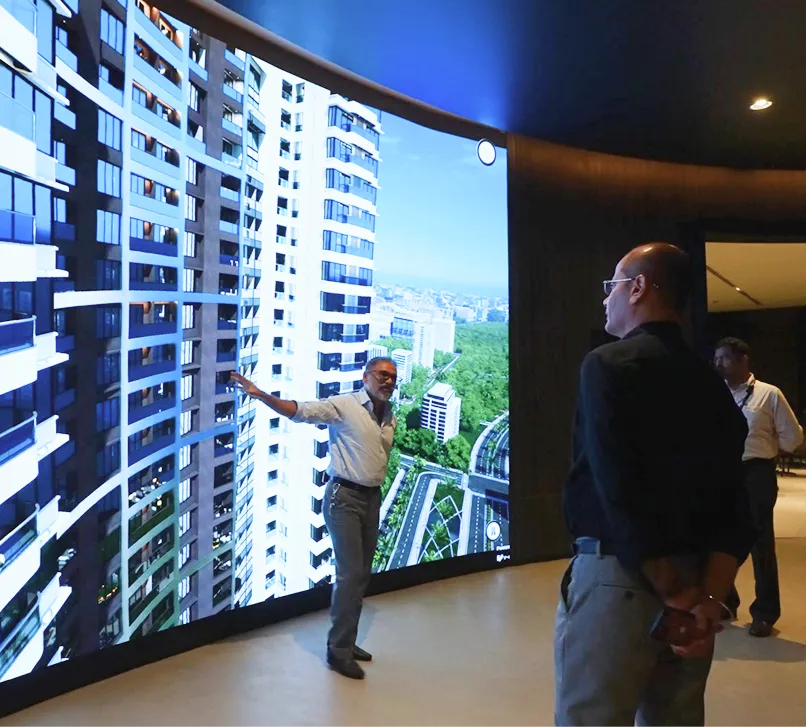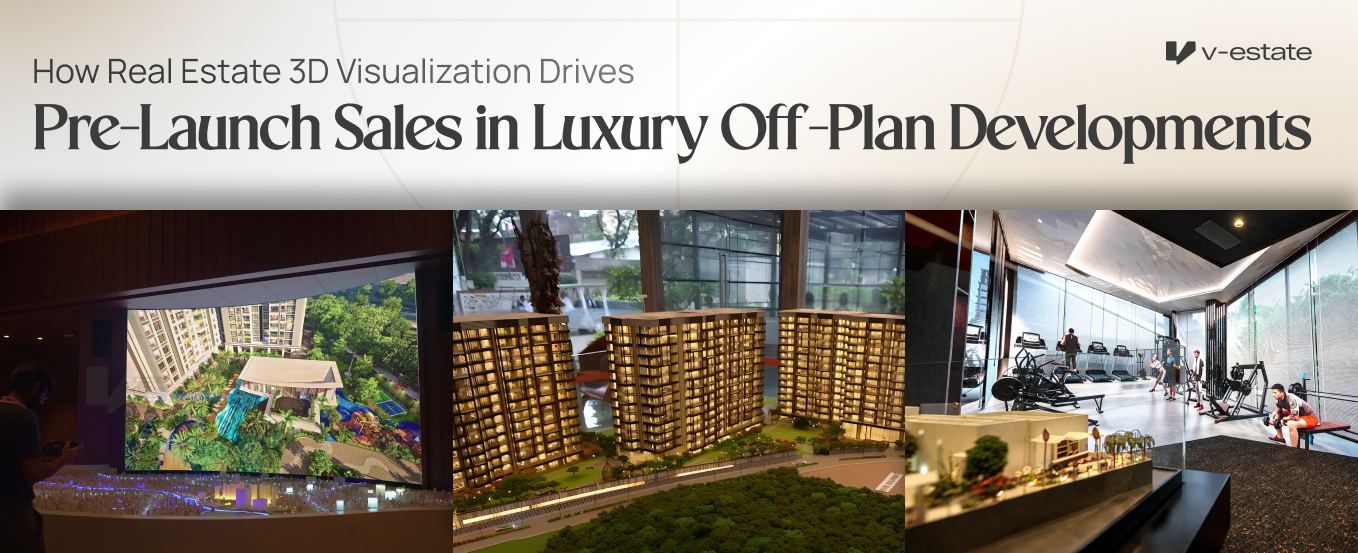
Selling luxury real estate before the foundation is even poured requires overcoming a significant psychological barrier. High-net-worth buyers are asked to commit millions of dollars based on abstract blueprints, 2D floor plans, and a few static, heavily edited renders. In the 2026 luxury market, this traditional approach creates immense sales friction. Buyers expect absolute transparency and a clear understanding of the lifestyle they are purchasing, which flat collateral simply cannot provide.
When a prospective buyer cannot accurately gauge the spatial flow of a penthouse, or see the exact view from a 40th-floor balcony, hesitation sets in. This hesitation extends the pre-launch sales cycle, ties up developer capital, and delays construction milestones. Relying on a buyer's imagination to bridge the gap between a blueprint and a finished ultra-luxury home is no longer a viable sales strategy.
To mitigate this risk and accelerate buyer conviction, top-tier property developers are overhauling their pre-sales infrastructure. By replacing static brochures with immersive, interactive digital environments, developers can answer complex spatial and lifestyle questions instantly. This evolution from selling a "promise" to providing a tangible "experience" is fundamentally changing how luxury off-plan developments achieve their pre-launch revenue targets.
Why Luxury Buyers Hesitate During Pre-Launch
The luxury real estate demographic does not buy concrete and steel; they buy exclusivity, privacy, and highly specific lifestyle enhancements. During a pre-launch phase, communicating these intangible benefits is exceptionally difficult using legacy marketing materials.
A physical scale model or a printed brochure creates spatial occlusion—meaning buyers cannot see how rooms connect, how natural light enters a space, or how the surrounding infrastructure impacts their privacy. This lack of data prevents buyers from feeling secure in their investment.
Furthermore, high-net-worth individuals have highly customized preferences. If they cannot visualize how their preferred interior finishes or furniture layouts will look inside the unbuilt space, they will delay their decision. This demand for immediate, hyper-personalized spatial validation is why traditional pre-sales strategies are losing effectiveness.
What is Real Estate 3D Visualization in 2026?
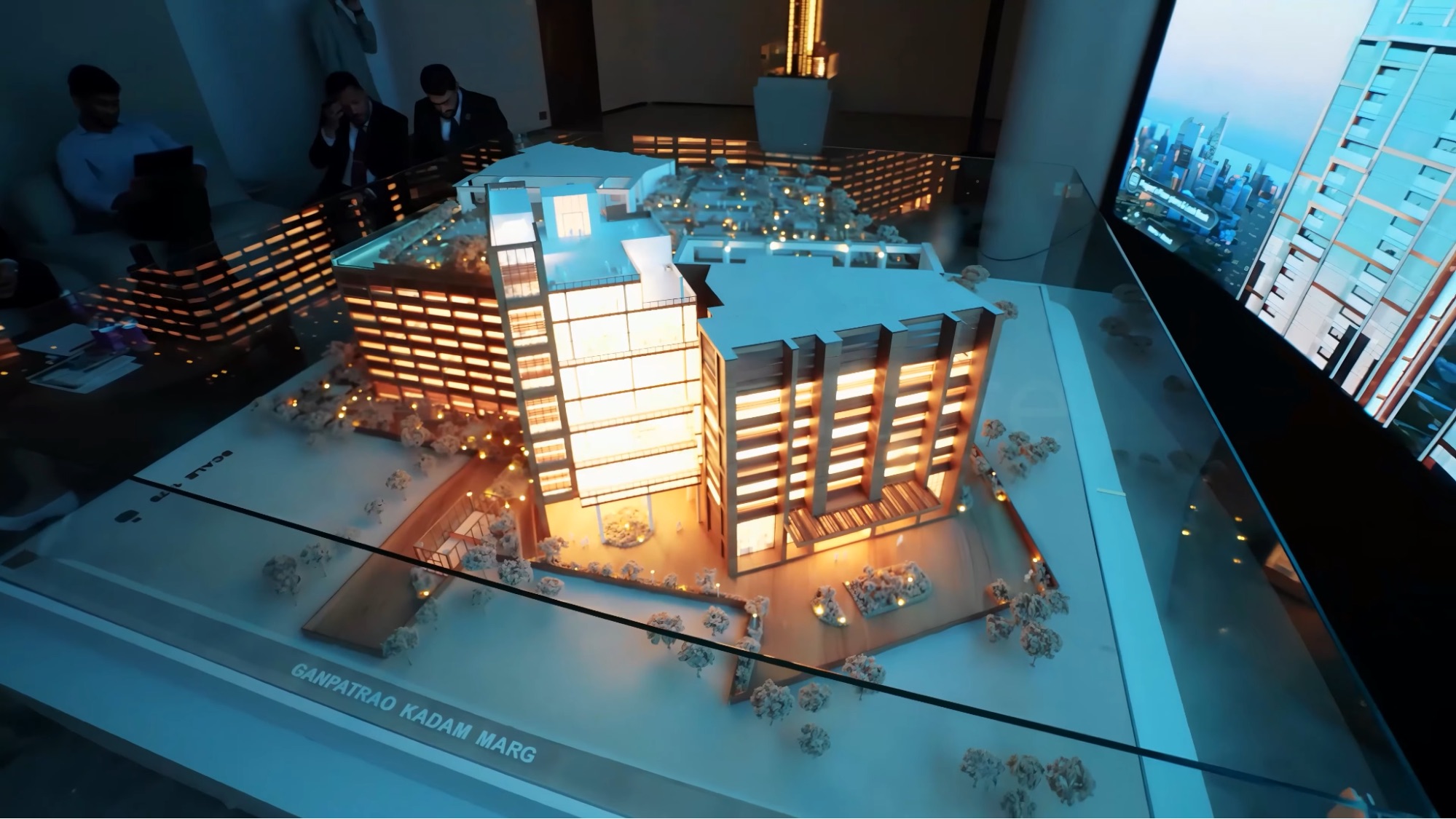
Real estate 3D visualization has matured from basic, outsourced video walkthroughs into robust, interactive digital ecosystems. Today, it involves creating high-fidelity digital twins of unbuilt properties that operate in real-time.
Instead of watching a pre-rendered video, a 3D real estate developer visualizer allows buyers to actively navigate the environment. They can walk from the lobby to their specific unit, look out the window to see drone-verified contextual views, and test different lighting scenarios.
This technology integrates complex architectural data, landscape design, and surrounding infrastructure into a single, seamless digital model. It provides property developers with a definitive, interactive tool to showcase the exact scale, depth, and finish of a luxury project long before construction begins.
The Strategic Role of Offline Experience Centres
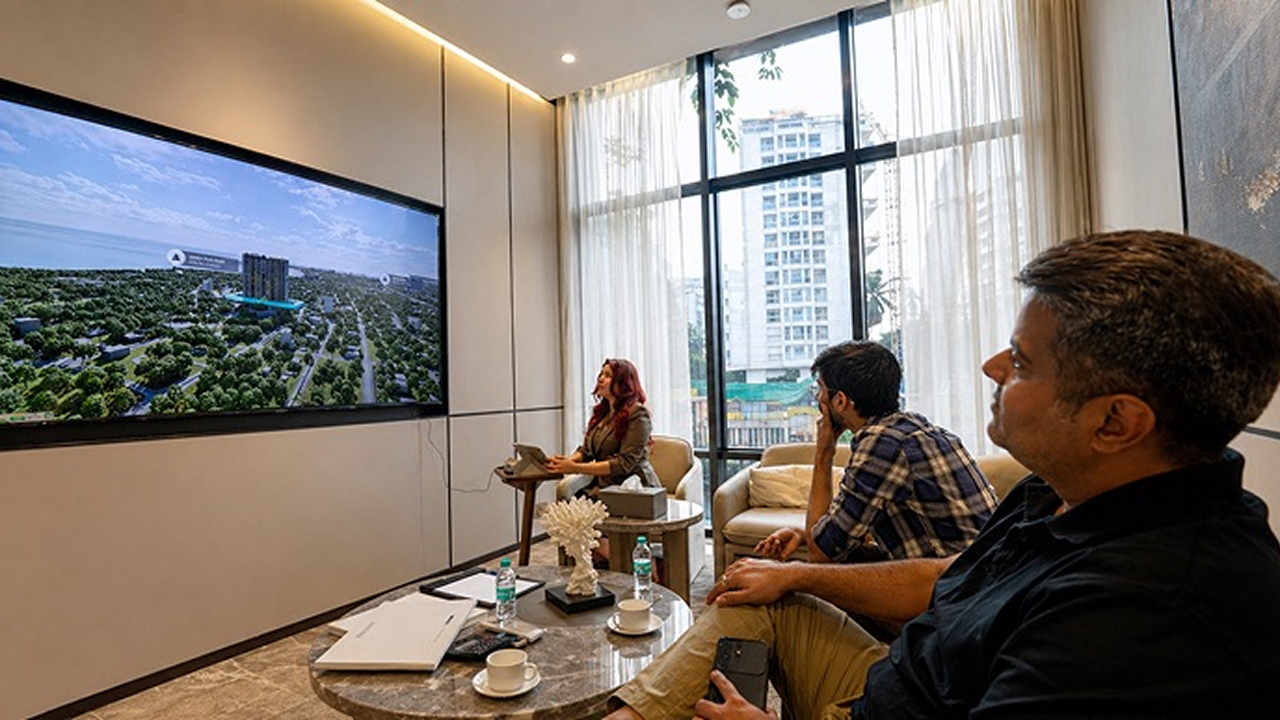
While web-based virtual tours are useful for initial marketing and lead generation, securing a high-value transaction requires a highly controlled, high-trust environment. This distinction is driving the rapid evolution of the offline Experience Centre.
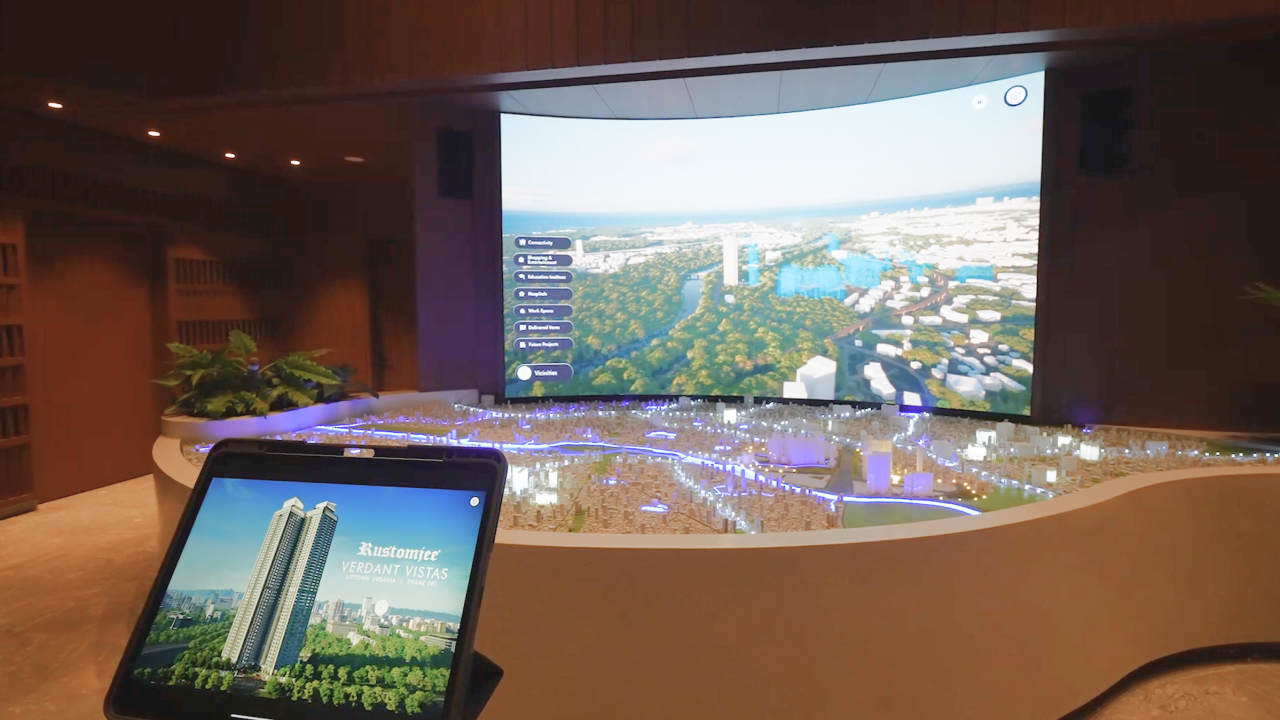
An Experience Centre is a physical sales gallery purpose-built to house immersive visualization technology. Unlike a standard sales office, it features large-format interactive screens, touch-enabled kiosks, and dedicated presentation pods.
By keeping the high-fidelity presentation offline, sales representatives maintain complete control over the narrative. They can guide the buyer through the digital twin, read their body language, and instantly address objections without the latency or distraction of a web browser.
How Immersive Visualization Reduces Sales Friction
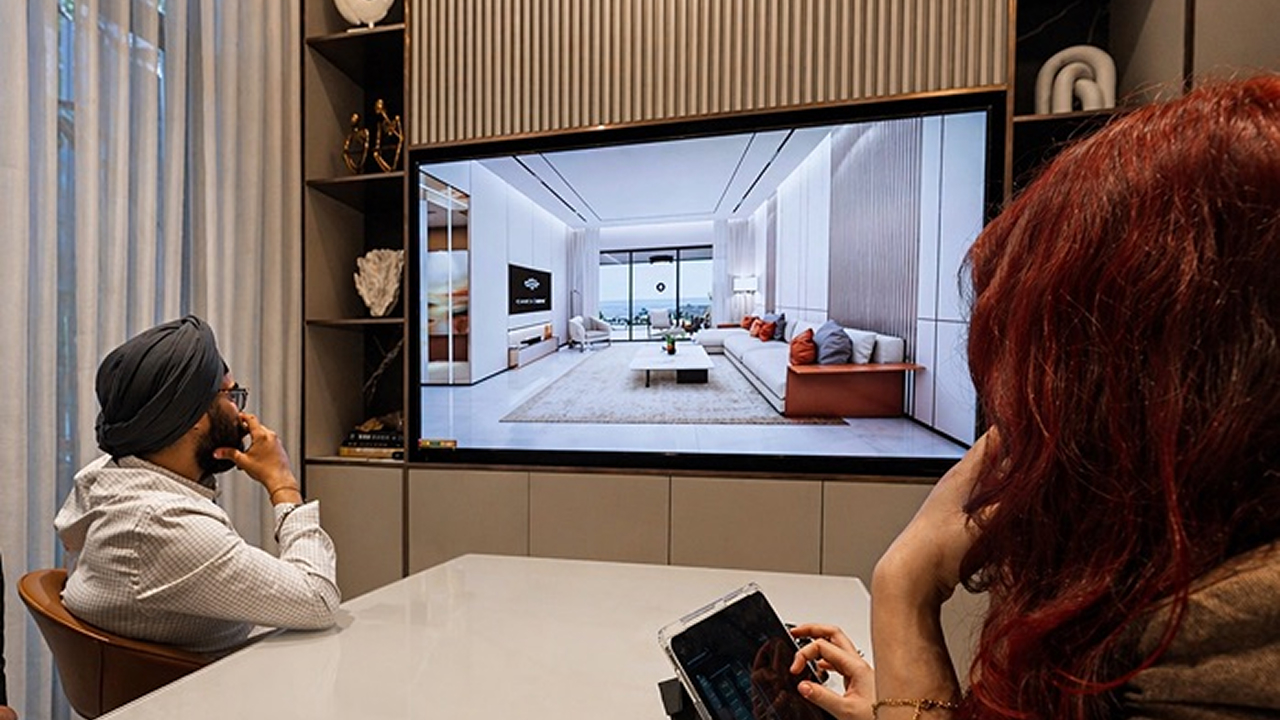
The primary cause of a stalled real estate deal is unanswered questions. When buyers have to "think about it," they are usually trying to resolve spatial or logistical uncertainties in their minds.
Immersive 3D visualization solutions for property developers eliminate this friction by providing instant visual proof. If a buyer asks how the living room looks at sunset, the sales representative can instantly toggle dynamic day and night lighting within the digital twin.
By replacing guesswork with absolute visual clarity, the psychological perceived risk of the investment drops significantly. This rapid buildup of buyer trust directly correlates with a shortened sales cycle and higher conversion rates during critical pre-launch windows.
Activating the Sales Gallery: A Practical Approach
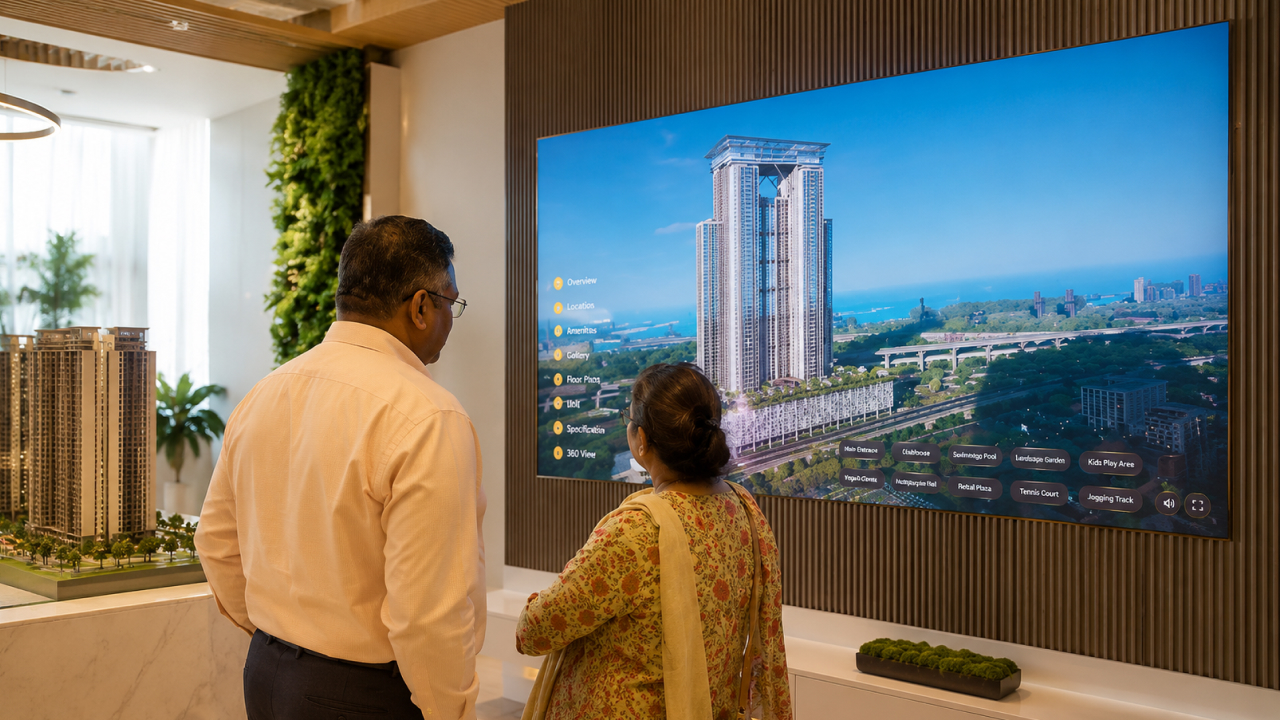
Building a high-performing offline sales gallery requires robust, enterprise-grade software capable of handling massive architectural files with zero lag. One practical example of this approach is V-Estate.
V-Estate is an offline interactive real estate sales solution engineered specifically for property developers and builders. It is deployed directly inside builder offices, project launch events, and property exhibitions to transform traditional pitches into interactive buying experiences.
By integrating V-Estate, developers equip their sales teams with powerful offline activation capabilities:
- Photorealistic 3D Virtual Show Flats: Allowing buyers to navigate unbuilt luxury spaces with photographic accuracy.
- Complete Amenity Showcase: Highlighting clubhouses, pools, and wellness centers dynamically.
- Interior Customization: Enabling real-time changes to wall paint, flooring, and furniture layouts.
- Dynamic Environments: Showcasing realistic window views, seasonal weather controls, and time-of-day lighting.
- Vicinity Mapping: Presenting current and upcoming neighborhood infrastructure to validate property location value.
Practical Use Cases for Luxury Developers
Integrating real estate developer 3d visualization into an offline strategy yields high returns across multiple high-value asset classes.
- Ultra-Luxury Penthouses: High-net-worth buyers demand perfection. Virtual show flats allow them to inspect premium finishes and verify exact sightlines before signing.
- Branded Residences: Developers partnering with luxury hospitality brands can digitally showcase the precise interior standards and exclusive amenities expected by the brand's clientele.
- Investor Presentations: Institutional buyers require macro-level data. Vicinity mapping and infrastructure visualization provide the necessary context to justify future valuations and secure bulk investments.
- Exclusive Project Launches: Offline activation platforms serve as a striking visual centerpiece during VIP pre-launch events, allowing multiple sales pods to present the project simultaneously.
- Sprawling Villa Projects: For expansive estates, interactive walkthroughs help buyers understand plot boundaries, landscape integration, and the distance to shared community amenities.
Conclusion
The luxury real estate market of 2026 demands absolute clarity and highly personalized buyer engagement. Developers who rely on static brochures and rigid physical models during pre-launch phases are finding it increasingly difficult to secure early commitments. Implementing robust property 3d visualization is no longer a futuristic concept; it is a fundamental requirement for accelerating off-plan sales velocity.
By transforming a standard sales office into an interactive Experience Centre, developers can eliminate buyer hesitation and compress the decision-making timeline. Providing a photorealistic, explorable environment allows buyers to validate their investment instantly. Developers looking to optimize their pre-launch revenue should focus on integrating dedicated offline visualization platforms to turn abstract blueprints into closed, high-value transactions.
.jpeg)