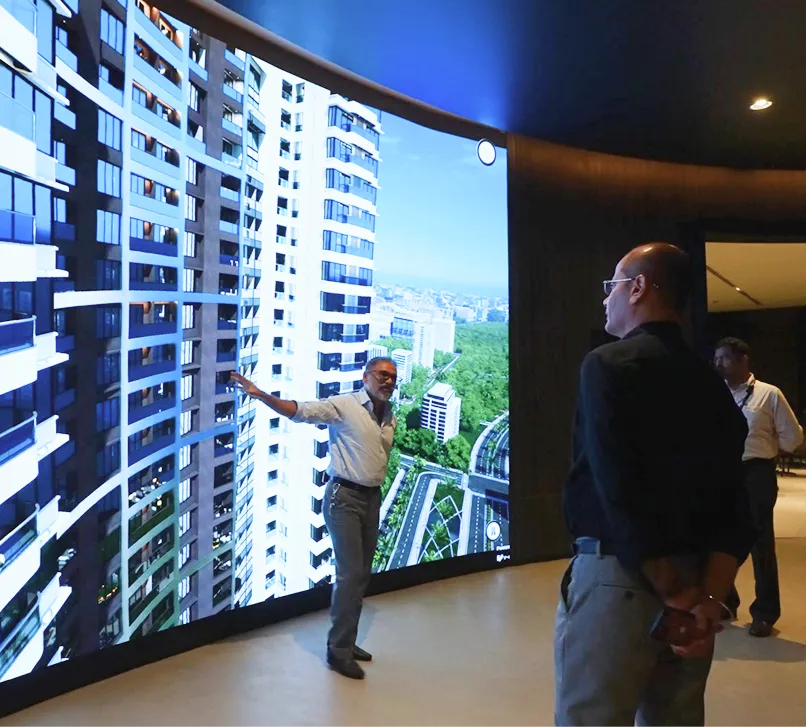
In Real Estate marketing, relying on brochures, physical site visits, and presentations will always be irreplaceable. However, with the ever-evolving technology, premium buyers are looking for more. They want experiences that are personalized and immersive while also being sophisticated. This has led to many developers adopting Internet of Things (IoT) Integrated sales tools for their pitches.
You cannot just show buyers static images and floor plans and expect them to be on board. This leaves room for a lot of imagination, and if the client doesn't see your vision, you end up losing them. So, for projects that are complex, several developers rely on using IoT-integrated sales tools to bring the buyer on the same page as them.
What are IoT Integrated Sales Tools in Real Estate
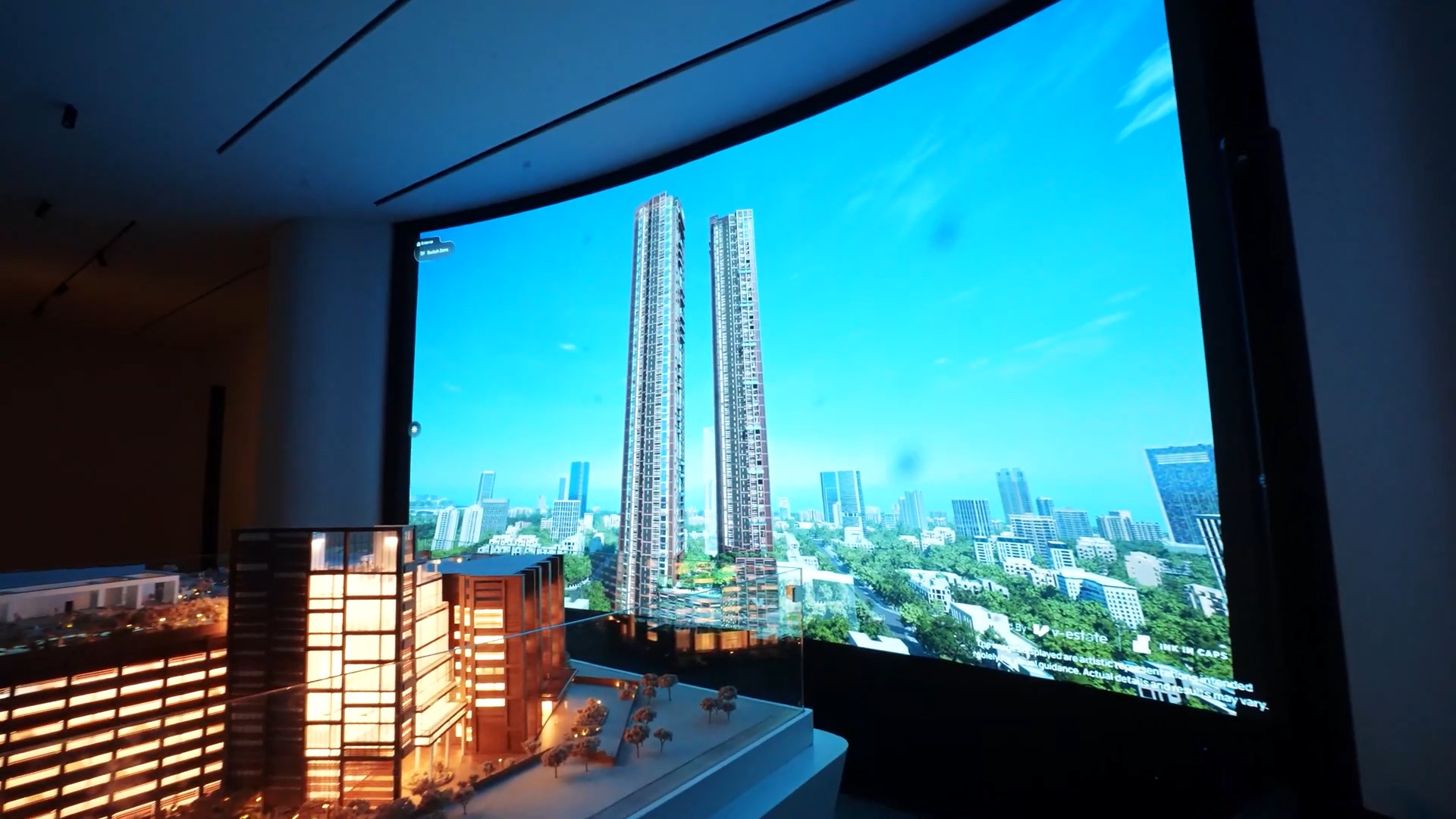
IoT-integrated sales tools in real estate are internet-connected devices and sensors in buildings, homes, and property infrastructure. They are useful for both developers and managers as they help them collect data, automate systems, improve efficiency, and enhance the experience for tenants and owners.
Some examples of these tools include:
Interactive Digital Twins: IoT-enabled digital twins give buyers the ability to interact with a property to adjust lighting or view real-time data on environmental performance.
Smart Locks: These locks allow buyers to lock or unlock doors from anywhere using their phones. While also giving them features like checking activity logs on who entered or exited their homes, and getting alerts when someone may be trying to break in.
Smart Security Systems: Cameras that have features like motion sensors and facial recognition can be used to improve security in a project.
To understand the role of IoT sales tools better, it is important to first know how IoT is actually integrated in real estate projects and how they are useful.
How IoT Integration Helps in Real Estate
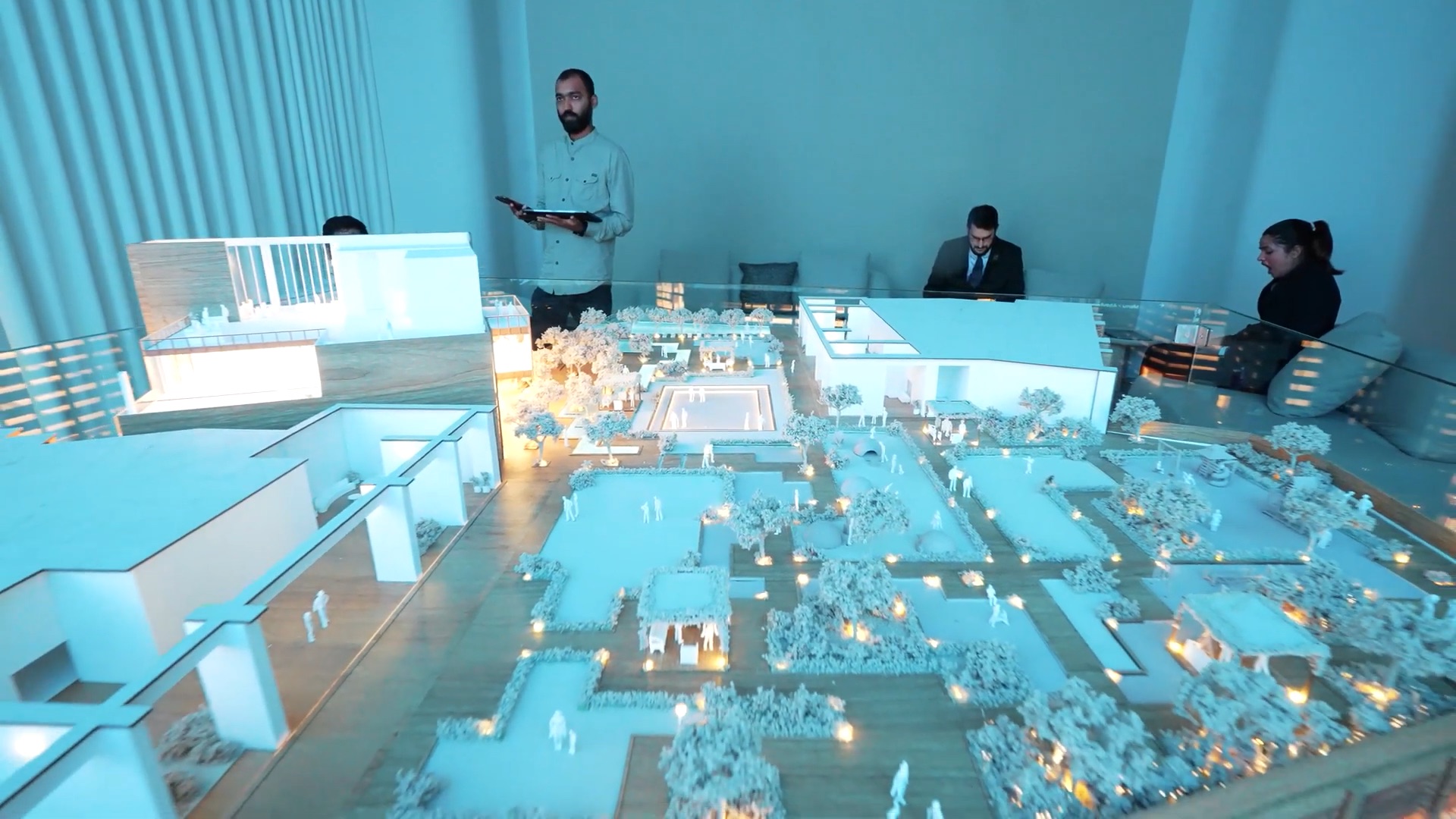
IoT can go a long way in real estate when implemented right. When integrated in scale models, buyers can benefit from it to check out how the project connects with urban systems like transport, utilities, etc. Similarly, developers can make use of these tools to get data on the user behaviour and make changes to their project for the areas that are in development.
Real-Time Data for the Developers and Sales Teams
Data analytics is one of the biggest advantages of integrating IoT technology in your project. It enhances real-time surveillance by allowing you to track foot traffic and people's behaviour. Depending on your project, this data can then be used to make informed decisions.
For example, if your project is a corporate space, you can use this data to decide which places are being used or visited more often and how you can use underutilised areas to make spots like cafes, meeting rooms, and more. Similarly, for housing, you can decide the prices of units based on the tenant behaviour.
Predictive maintenance becomes easier
Normally, the way most people approach property maintenance is after something breaks. As such, it increases inconvenience both for the property managers and the tenants. This is because the tenants suffer by not receiving the facility until it is fixed; meanwhile, property managers have to pay extra for the repairs or replacements of the parts.
This changes with IoT integration because you can add sensors in HVAC units, elevators, lighting, and plumbing systems, to monitor their efficiency and detect any possible signs of malfunction before they can happen. This greatly reduces the repair costs and downtime of these services for everyone.
Improves energy management
With the help of IoT integration, tracking energy consumption, emissions, and resource usage becomes easier. It also enables the successful meeting of the ESG (Environmental, Social, and Governance) sustainability targets.
Additionally, smart IoT-enabled buildings are capable of automatically adjusting lighting and air conditioning based on occupancy or weather conditions. For example, sensors can be installed to detect when rooms or common areas are empty and switch off lights or reduce cooling levels instantly.
This automation makes the building environment-friendly as it minimizes energy wastage while maintaining comfort for residents and visitors. Additionally, this eco-friendly approach is not only beneficial for the environment, but it also lowers the utility bills for residents and makes the building more appealing to buyers who hate wastage, so everyone wins.
IoT Sales Tools used by our Clients

At Vestate, we know the importance of stats. So, when we say IoT sales tools are the future for real estate, it is because our clients have found them to be useful. Here are some examples of projects that saw an increase in buyer conversion thanks to these tools:
Runwal Raaya Experience Center
As Runwal Realty was entering the ultra-luxury real estate market with Runwal Raaya, one of the features they wanted to highlight were its amenities. So, to address it, we installed a large wooden scale model embedded with 2,000+ IoT-enabled diodes, linked to iPads that light up amenities when selected.
The project saw blockbuster sales on launch day. Additionally, the sales tools saw a 100% adoption by the sales team, while replacing traditional brochures and static renders.
Rustomjee Verdant Vista
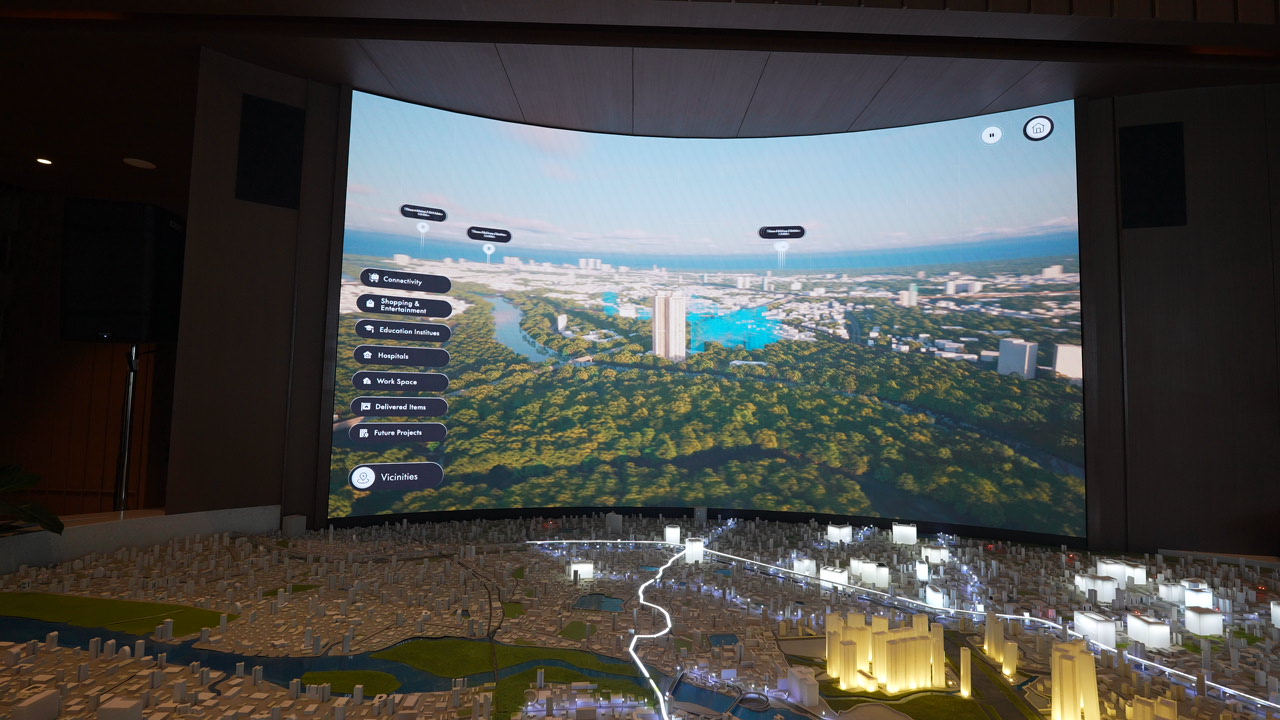
One of the main objectives of Rustomjee for its Thane region project, Verdant Vista, was to showcase the strategic location benefits of the whole project in an interactive and contextual format. The solution we provided was a zone that highlighted the 25KM catchment area around the project, highlighting key landmarks such as educational institutions, corporate hubs, entertainment venues, highways, railway stations, and transit routes, in a very precise and interactive manner.
The tool was a success, and it became so prominent for the sales strategy of their project, that the sales team adopted it to improve their interaction with the clients. The project also saw an increase in conversion ratio by 30%, with faster closures of clients.