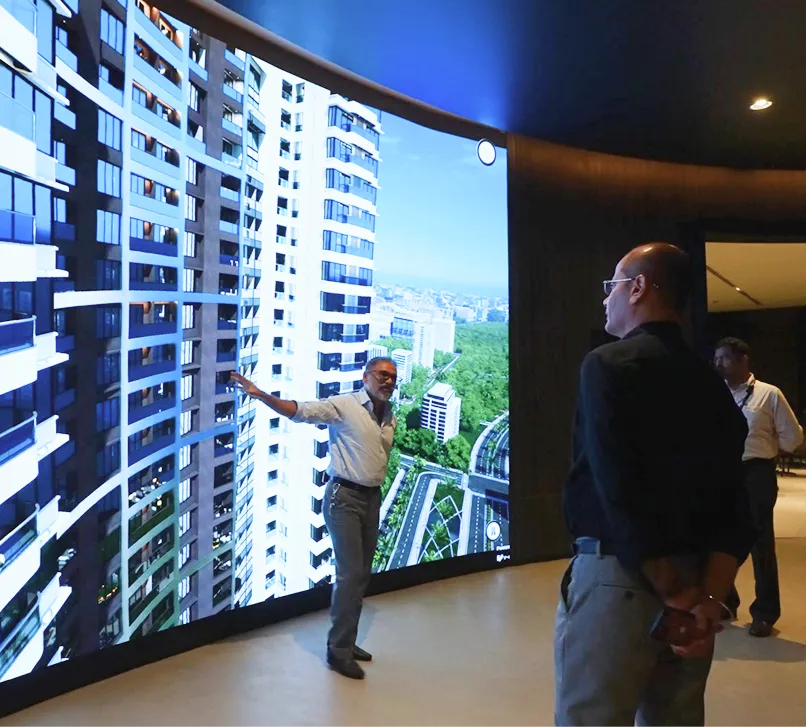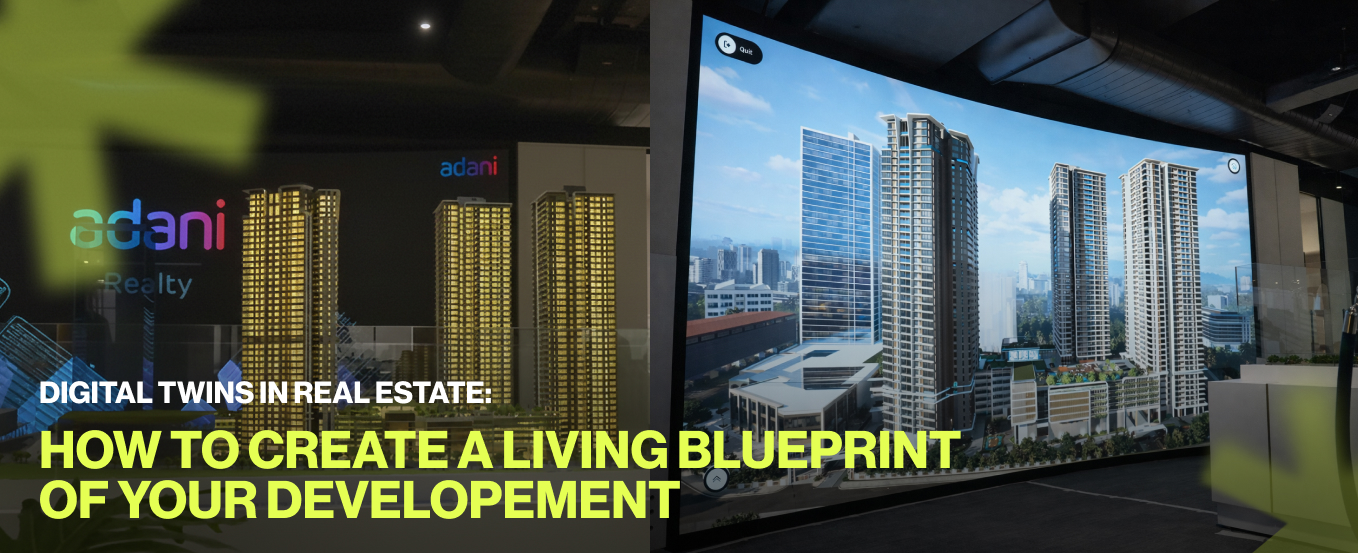
The real estate industry has been undergoing a massive evolution in the last decade. Selling a project today isn't the same as what it was a few years back. Today, developers not only have to make the investors happy, but also keep in mind what the future managers and buyers may want.
All of this is difficult to showcase when you only rely on static blueprints. But thanks to modern technology, specifically with Digital Twins, real-time simulations are now possible when taking interactive virtual tours. The best part is that they are no longer a novelty or something that requires high-tech manufacturing. This makes them a tool that you shouldn't leave optional when starting the development of a new project.
Digital Twins are more than static models; they allow you to digitally recreate physical spaces while allowing you to simulate lighting, shadows, weather, and basically have experiences that you would typically get in your day-to-day life. But there is more to Digital Twins in real estate than meets the eye. As such, let us check out what they are, why they matter, what goes into making them, and how you can create a living blueprint of your development.
What is a Digital Twin in Real Estate?
By definition, a digital twin is a virtual or digital model of a physical object, system, or environment. However, when it comes to realty, it is often something more than just a digital version or "twin" of the physical asset.
A digital twin in real estate is a living digital replica of your project that is designed based on the data to reflect its structural integrity, energy consumption, occupancy patterns, maintenance needs, air quality, and more. While achieving all of this in real time.
They often consist of various sensors, Internet of Things (IoT) devices, and software to provide a real-time view of how a property is functioning. The reason many people call it a living blueprint is that, unlike static 2D blueprints or 3D Building Information Modeling (BIM) files, a digital twin continues to evolve with your project.
Why Digital Twins are Important
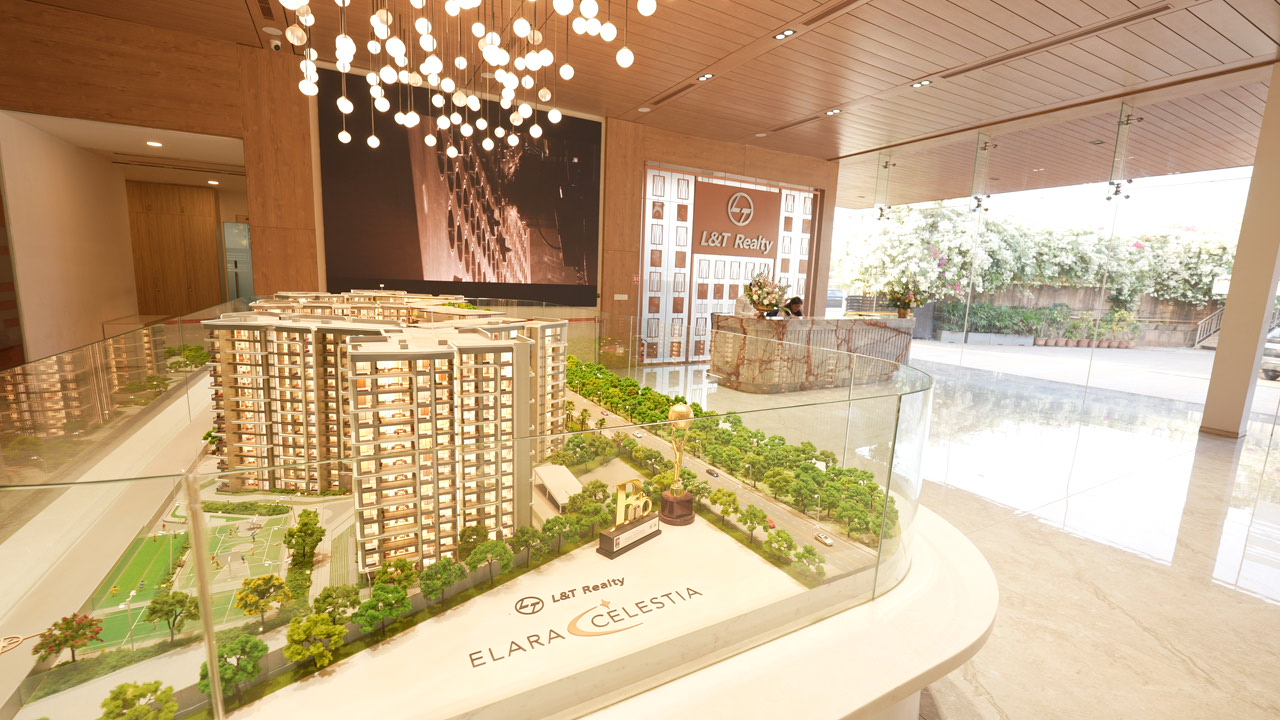
The reason Digital Twins matter so much in the real estate industry is that they are capable of achieving digitally what isn't yet possible physically. Using them, you can create simulations of scenarios that would take years to happen until the project's development is complete. Some of the benefits of a Digital Twin include:
Helps developers make informed decisions: Digital twins are capable of simulating different scenarios. Thus, it makes it easier to play with these simulations and accordingly make changes to the layout if any are needed. This also makes it cost and time-efficient as it saves developers from having to redo costly real-world adjustments.
Improves operational efficiency: They allow property managers to monitor building systems in real time. It makes identifying inefficiencies or issues before they even escalate easier. Thus, predictive maintenance becomes possible, which helps save both time and money.
Better energy management: Digital Twins make it possible to track energy consumption, emissions, and resource usage. This enables the successful meeting of the ESG (Environmental, Social, and Governance) sustainability targets and significantly lowers utility overhead, while complying with environmental regulations.
Optimizes Space Utilization: They can be used to track how people actually move through a lobby or office floor. Based on this information, owners can redesign underused areas into something high-value or spaces that people would prefer to use, like cafes, meeting rooms, lounges, quiet zones, etc., to maximize the "per square foot" revenue.
Smart city ecosystems integration: Digital twins can connect with broader urban systems (transport, utilities, etc.) to give property owners insights into how external factors affect asset value and usability.
How Digital Twins are made
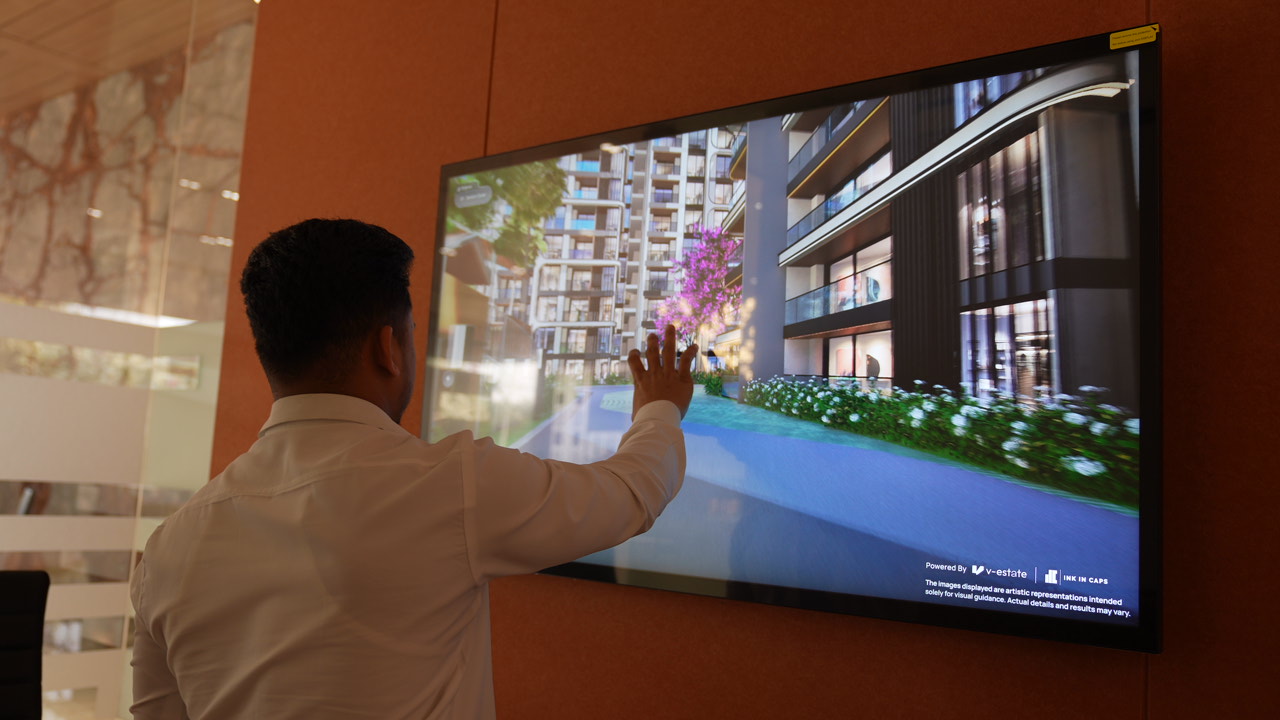
Depending on your goals and the service you use, Digital Twins can at times be quite difficult to make. There is no single way to approach them, as each one changes depending on the complexity of your project; however, these are generally the steps you would follow if you wanted to make one:
Define a goal that you want your digital twin to achieve, e.g., improve your tenant experience, increase energy efficiency, reduce operational costs, etc.
Invest in a good-quality, robust digital BIM model that accurately represents your development.
Install sensors and IoT devices on your property to focus on key systems like HVAC, lighting, and security.
Choose a platform for your digital twin to integrate data from multiple sources.
Connect your physical building to its digital twin by feeding real-time data into the model.
Integrate analytics in your digital twin to work with the data you get, which will help you make improvements to the real project.
Challenges that Digital Twins bring
The above steps just give a quick overview of how digital twins are made. However, this is one technology where you do not want to cut corners, because, as beneficial as it is when set up correctly, it can be equally problematic when not done right. Some of the common challenges you face with a digital twin include:
High upfront cost: Creating a digital twin requires using several sensors, IoT devices, 3D modeling, and software platforms. When you create one without having clear goals, you may see less or, at times, even no Return on Investment (ROI).
Maintaining Data Accuracy: A Digital Twin is only as good as its data. When it fails to keep up with the real building due to sensors failing, data not being updated, or a lack of sync with real-world changes like wear and tear, renovations, tenant changes, etc., it becomes unreliable.
Cybersecurity risks: When you connect your building to a digital platform, you open the possibility of it being attacked by cyber threats. Such malicious code in your system could not only leak data but also create conflicts with physical operations like malfunctioning access control or energy systems.
While these real risks do exist, you still shouldn't skip out on this technology. We at V-Estate can help you have all of the benefits of a Digital Twin without having to worry about its risks using Spaci. It is our high-performance digital twin platform designed specifically for sales acceleration. Some of the many features you get with it are:
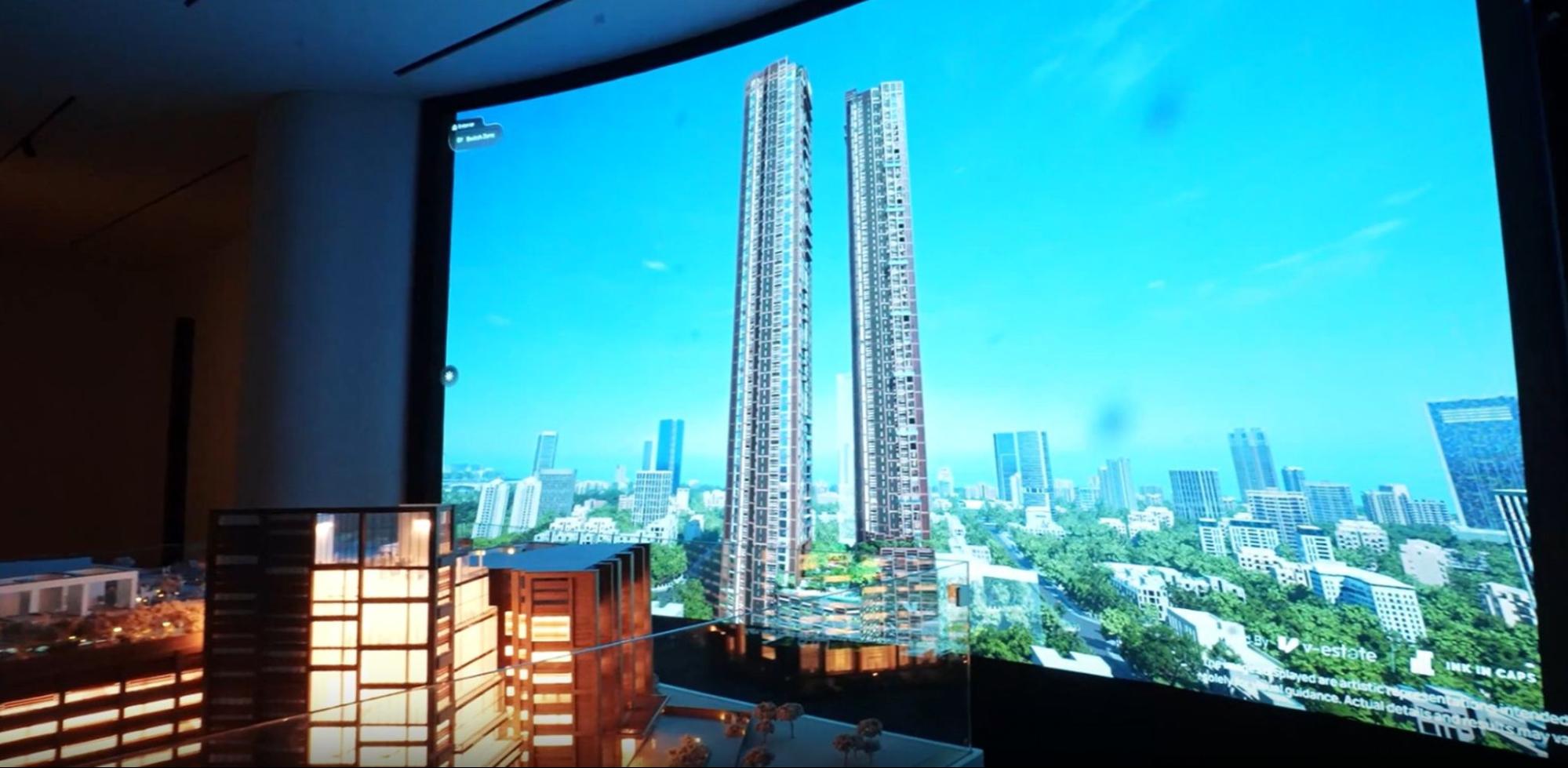
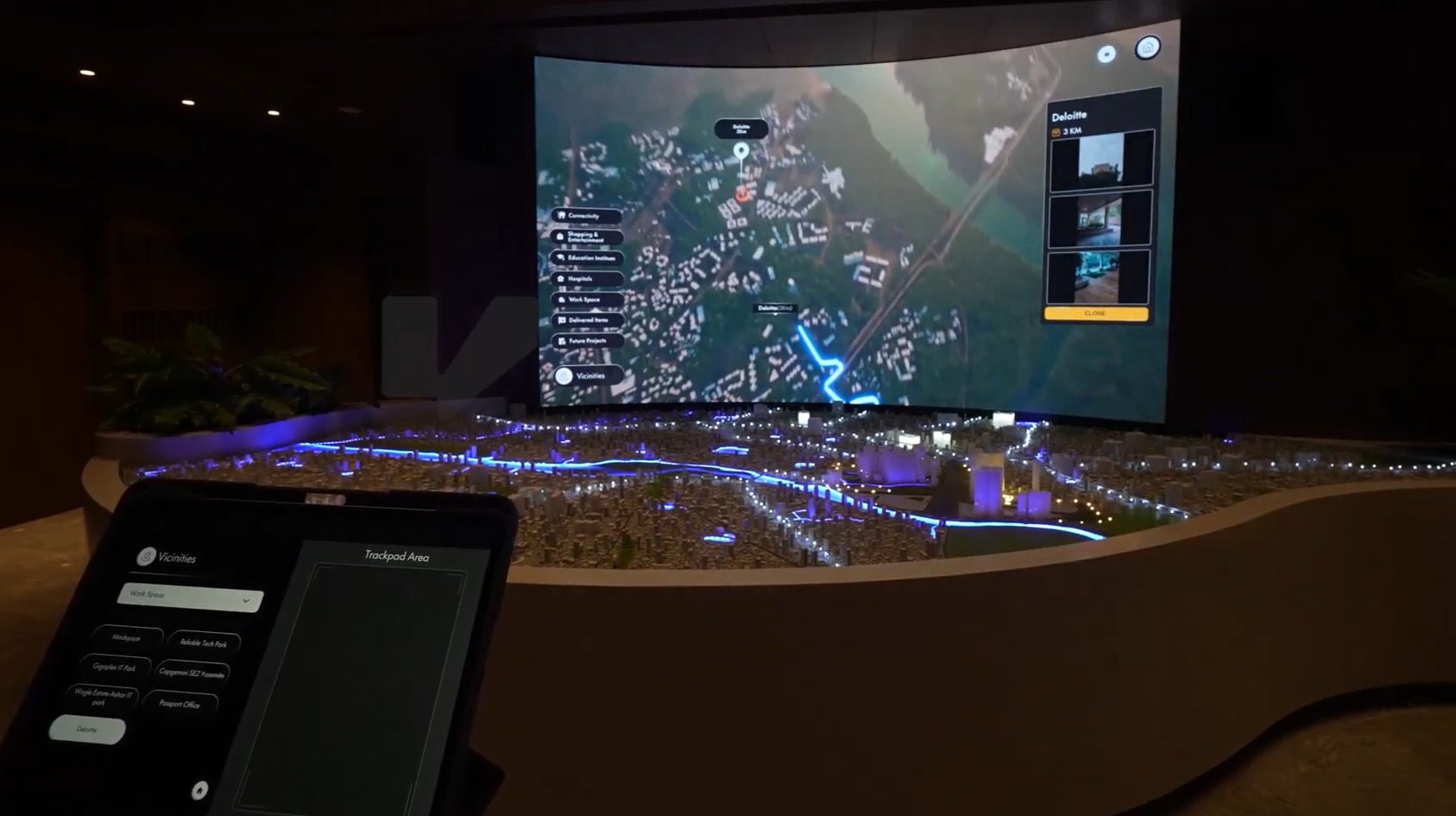
Navigate a high-fidelity 4K digital twin that covers every inch of the project, from the lobby to the neighborhood vicinity.
Explore interiors, exteriors, and shared amenities through photorealistic navigation that captures every material and lighting detail.
View any specific unit under accurate natural light conditions across different times of the day and seasons.
Validate floor-specific views and spatial volumes at a 1:1 scale to understand the true proportions of your future home.
Realtors Review of having used Digital Twins
We at V-Estate have teamed up with several big names in the industry to provide them with the right Digital Twins based on their project's needs. Here is what they had to say:
"V Estate helped us translate Rustomjee's engineering depth into a clear, immersive experience that buyers could instantly understand. Their interactive storytelling improved engagement, simplified complex project details, and strengthened the quality of our sales discussions. The gallery now communicates credibility and precision with far greater impact."
- Charudatt Jambhekar, Rustomjee Site Business Head
"One family spent over an hour exploring a 2BHK unit, not because they were undecided, but because the tool made it so real they could see themselves living there. From sunrise direction to wind flow, from marble textures to bathroom finishes, every detail was at their fingertips. This wasn't browsing. This was believing."
- Sanya Runwal, Director of Retail Runwal Realty
"The immersive experience created by your team stood out for its quality, cinematic anamorphic storytelling, and execution at scale. The experience is helping our teams communicate lifestyle values far more effectively on site. Please extend our appreciation for executing this at such pace and scale."
- Kaushal Dhoker, Senior Manager- Brand Marketing Godrej
In the current day and age, you cannot simply rely on intuition. Leading realtors are already using data to close smarter deals and manage assets more efficiently. With the help of this technology, you could be one of them as well. Book a demo with our experts, and together we can make a Digital Twin that fits the needs of your project and helps you get ahead of the competition!