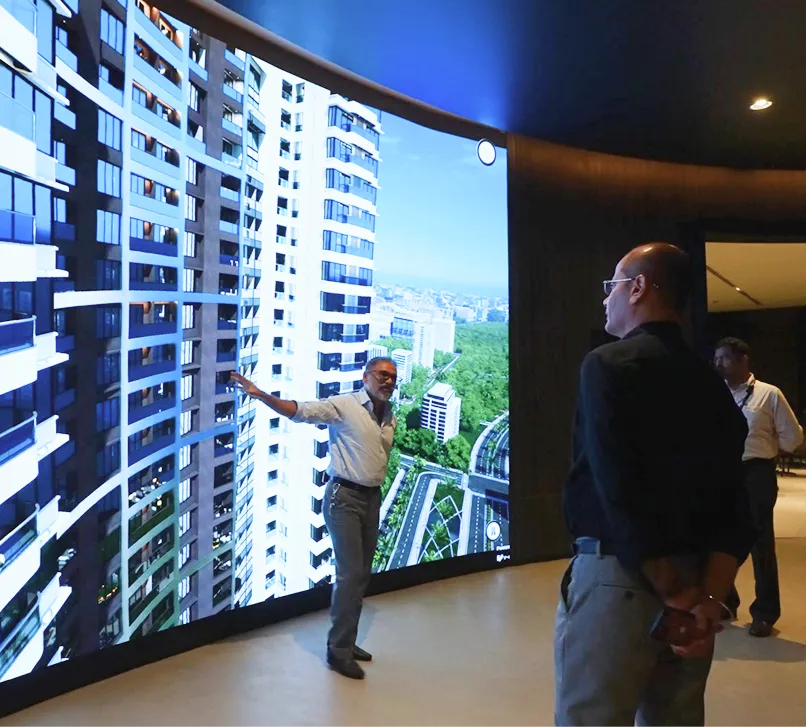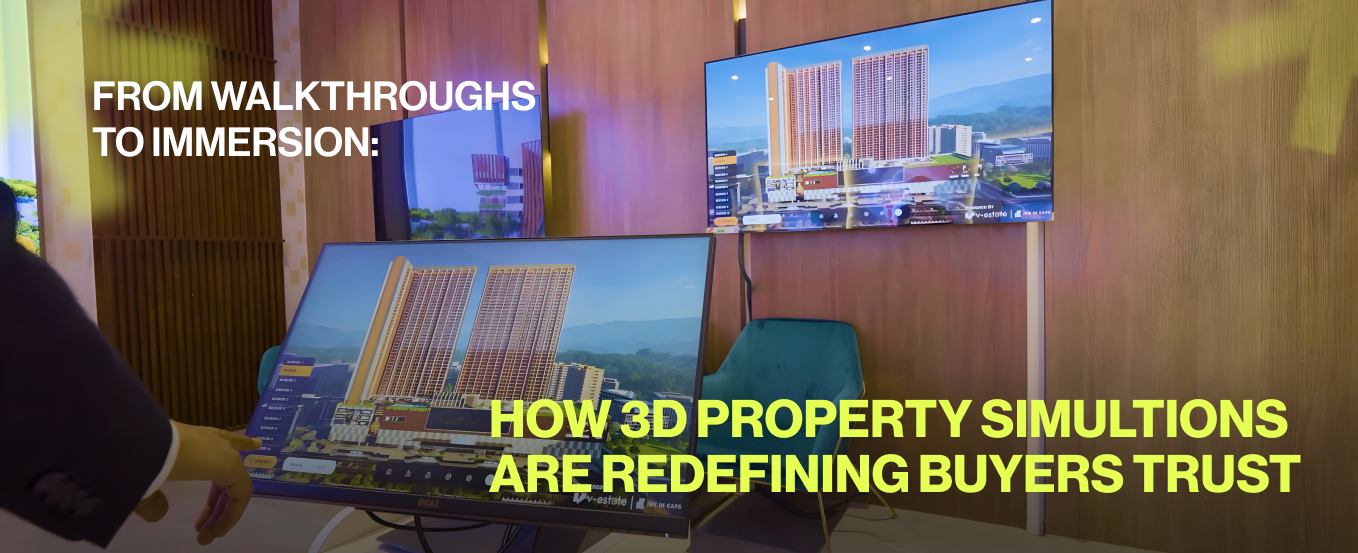
Real Estate marketing, for decades, has revolved around static images, brochures, floor plans, and site visits. However, the problem all of these methods share is imagination, or rather, a lack thereof. When a buyer can't see or experience something, they are often left with two options: either to rely on their imagination or to trust the developers that they will provide what they promised.
Fortunately, the technology today has evolved a lot; as such, 3D property simulations allow buyers to have immersive walkthroughs and tours. Be it a harsh sunny afternoon in summer, a heavy downpour during monsoon, or just a regular night during winter, thanks to real-time simulations, the queries that buyers previously had to imagine are now something that they can simply experience. This gives them a far better idea of a unit than a static image ever could.
What is a 3D Property Simulation Walkthrough?
3D property simulation walkthroughs are interactive representations of real estate spaces in a digital environment. These allow users to explore a property virtually while simulating the feeling of being physically present.
As the name suggests, this technology makes use of advanced 3D modeling and rendering tools instead of relying on traditional photos or videos. These walkthroughs are built in a way to give users a fully navigable environment. This allows them to move from room to room, look around in 360 degrees, and examine details such as layouts, textures, lighting, and spatial proportions with a high degree of realism.
The reason 3D property simulations stand out in comparison to something like a video tour is their interactivity and accuracy. As such, instead of following a fixed path, which would usually be the case with a video, users get to control the way they experience the tour. Things like choosing where to go, what to focus on, and how long to spend in each space are options that become available that were previously inaccessible.
Another benefit of 3D property simulations is that a lot of them make use of real-world dimensions and architectural data. This makes them especially useful for understanding how a property will actually feel once built or occupied. So, it becomes an invaluable asset for sites that are under construction or for prelaunch properties, where physical visits may not be possible yet.
Why Immersive Property Walkthroughs are Important
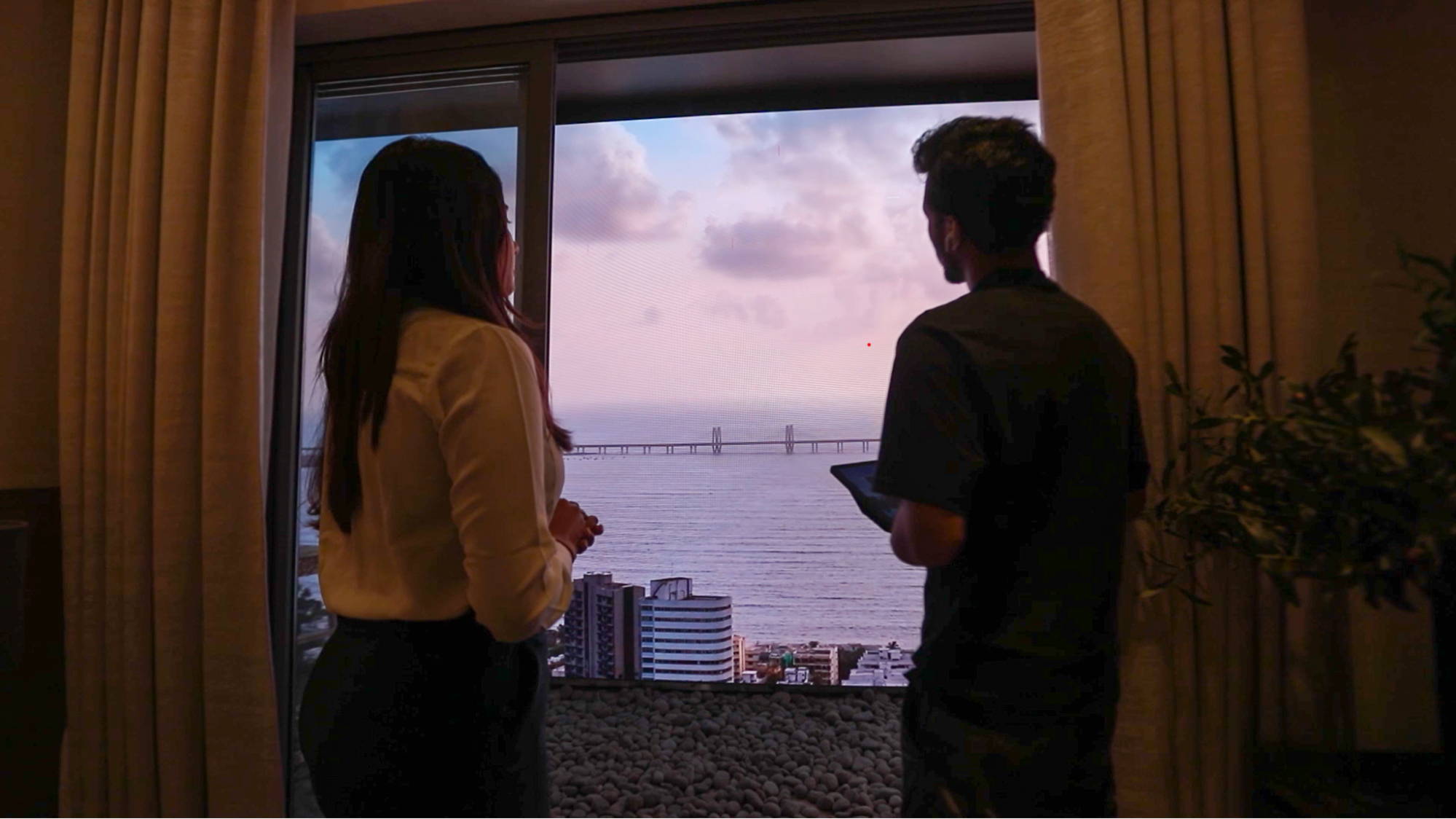
Immersive property walkthroughs in real estate are crucial because they remove guesswork and give clarity to users, essentially getting rid of buyer's remorse. When they don't have to rely on traditional brochures, buyers get to explore spaces at their own pace. This makes the experience similar to that of a site visit, making things more natural and giving them control of the flow of what and how they explore.
How Lighting Plays an Important Role
Lighting can easily be considered an overlooked aspect when it comes to real estate decision-making. This is where immersive walkthroughs come in to give buyers clarity on doubts they might not even have yet.
When a client gets to experience how the morning sun interacts with the kitchen island, just by moving a slider, they get the feeling of actually owning their new home instead of observing a site. They don't just see a room; they see their morning coffee routine.
This may not seem very significant, but when a buyer gets to experience their usual day-to-day schedule in their potential new house, it gives them a sense of ownership. This further increases the chances of a simple interaction getting converted into a sale.
Why Weather Simulation Matters
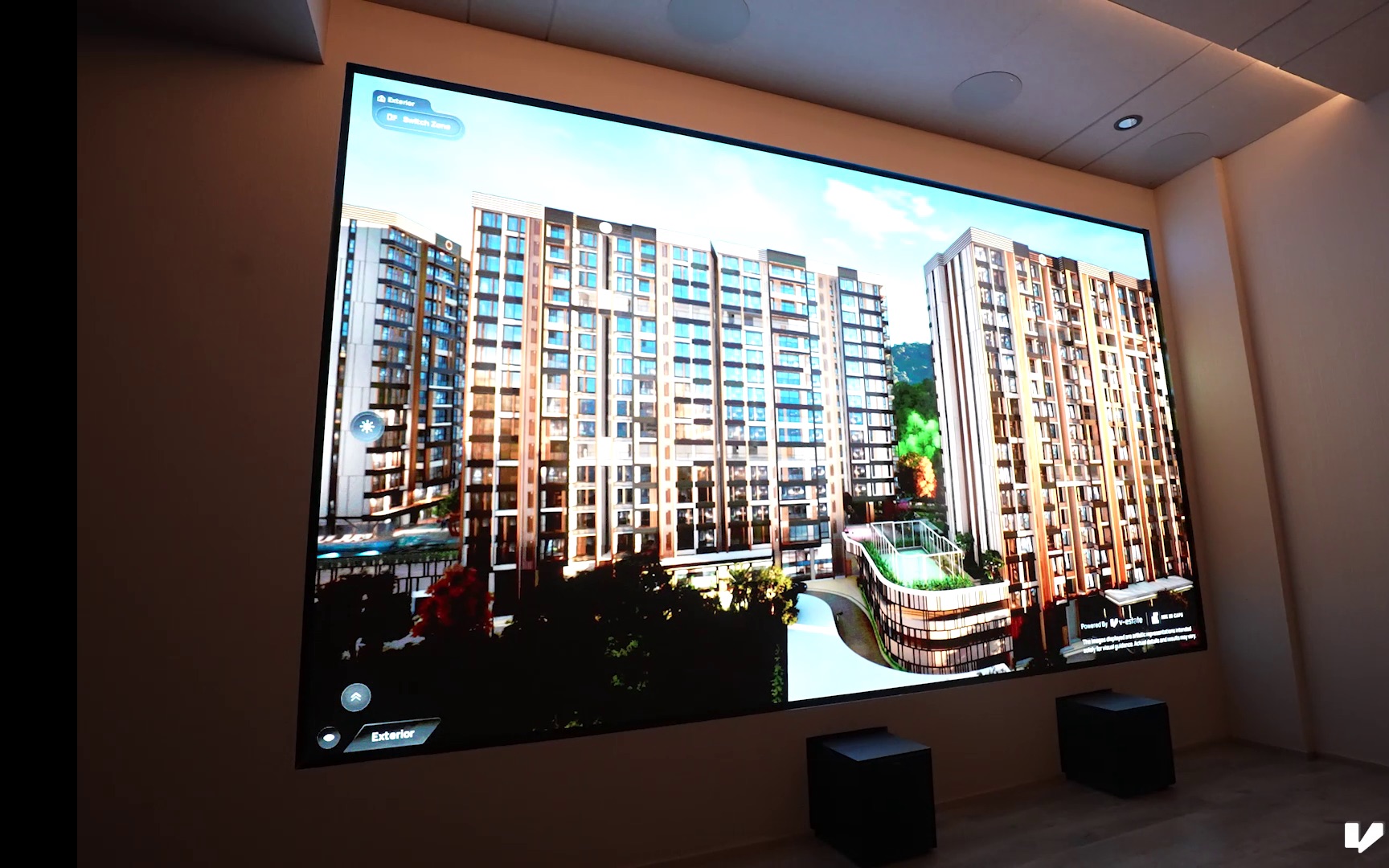
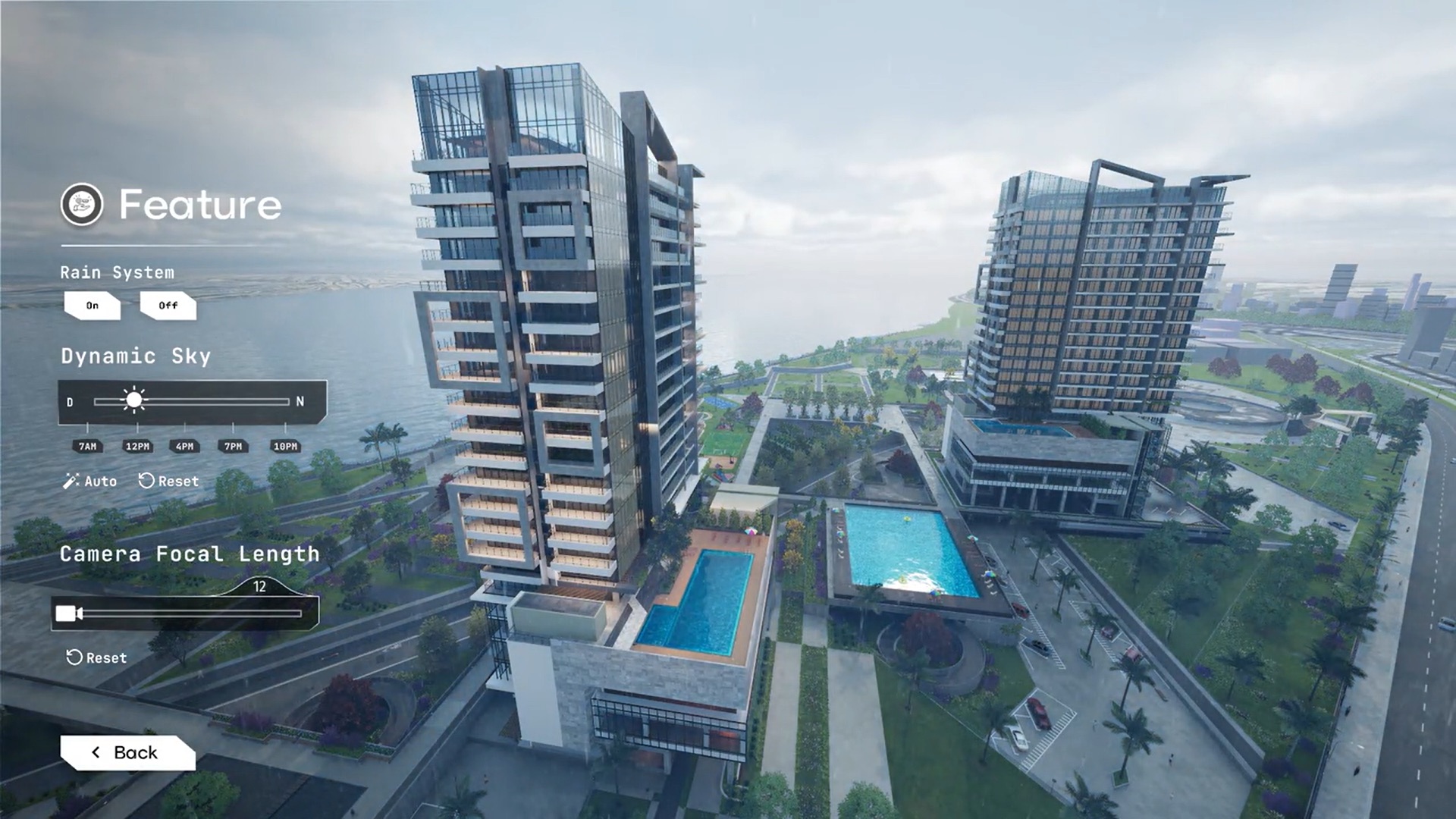
It would be nice to live in a world where your property isn't affected by weather conditions, which at times can be really terrible. While that isn't a utopia that we have achieved yet, what we can do is use weather simulations to play out the different climatic conditions and how they would affect a client's home.
Buyers get to experience how the raindrops hit the glass of their veranda, how much water gets in, or what a humid evening looks like. These simulations offer them a chance to live out real scenarios that are bound to happen in the future. Not only does this give them a better understanding of the unit, but they also have a memorable experience, which in turn improves how they perceive your brand.
Experiencing Day-to-Night cycles
Similar to how lighting helps a buyer envision their room, hall, or balcony. Day-to-night simulations allow them to understand how a property transitions between an intense day and a relaxing night. It gives them an idea of:
The way the view changes when the sun goes down.
How external streetlights interact with bedroom spaces.
Lighting conditions and how they affect their walls and furniture.
How nearby skyscrapers reflect light or neon signs bleed into the bedroom at 2:00 AM.
Which unit to select on a floor based on how high it is from the ground level, and how external lights and sounds may affect their choice.
How 3D Real Estate Walkthroughs have Helped our Clients
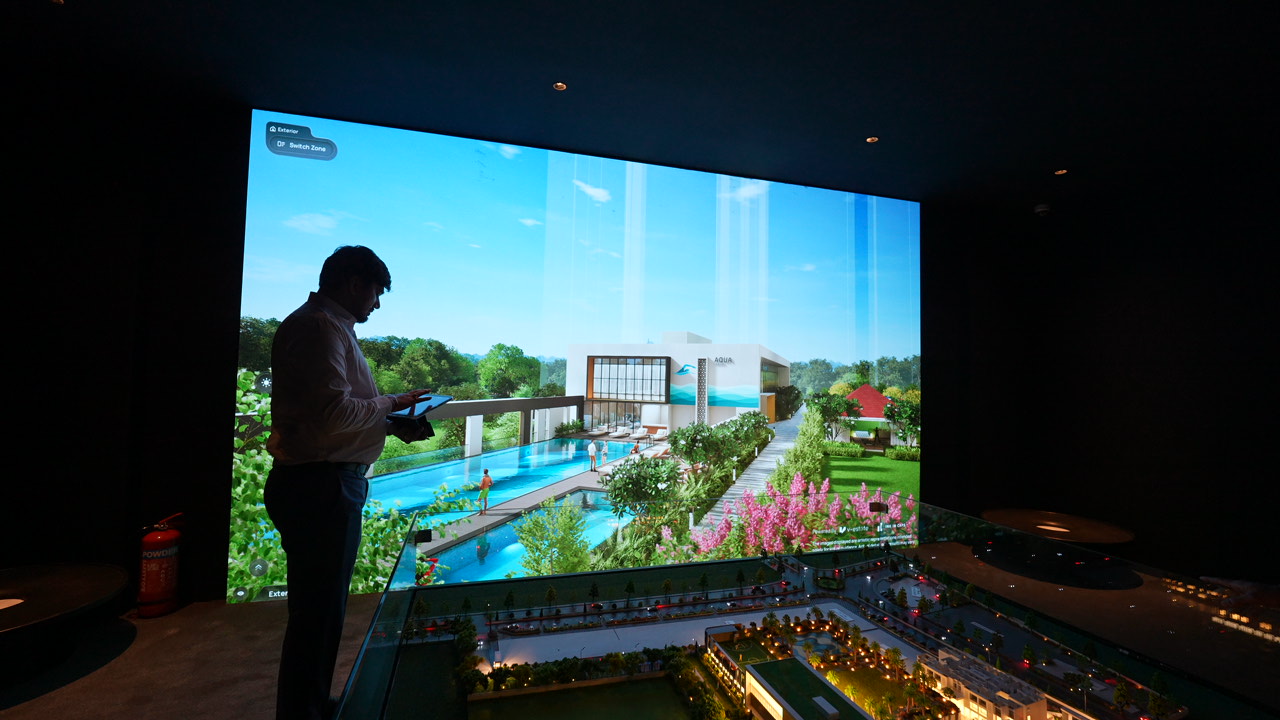
At V-Estate, we pride ourselves on working with some of the biggest and leading realtors in the country, including but not limited to Rustomjee, L&T Realty, Godrej Properties Limited, and Kalpataru, to name a few. Not only did we fulfill their project needs, but we also exceeded their expectations. Here are some examples of the projects where Immersive Property Simulations helped them out:
Rustomjee Verdant Vista
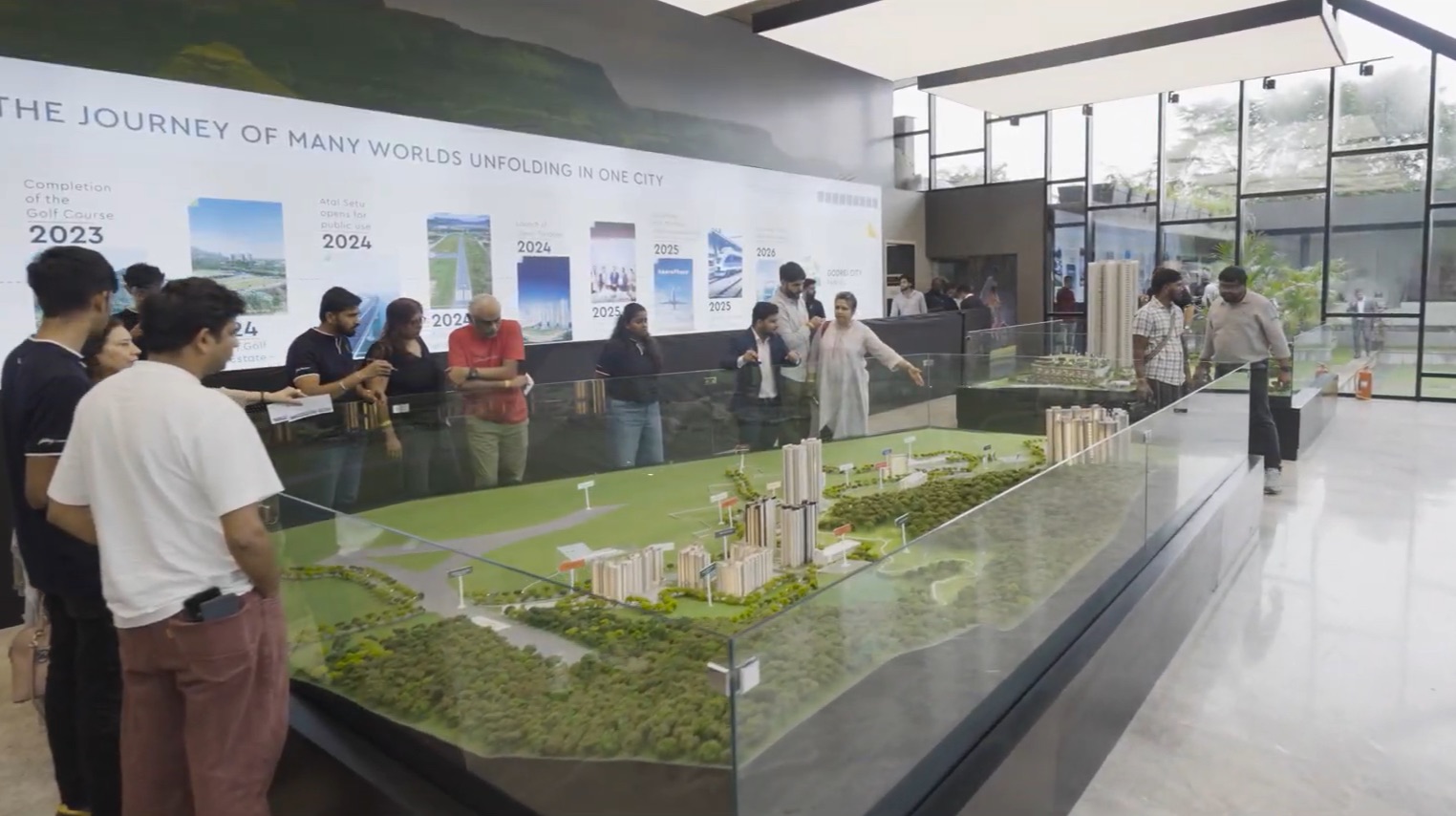
The main highlight of this experience center was the zone that highlighted the 25 KM catchment area around the project. It highlighted key landmarks such as educational institutions, corporate hubs, entertainment venues, highways, and more in a precise and interactive manner.
It also featured Exterior Visualizations to let buyers get a better sense of the scale and architectural visuals of the project. Whereas, the Interior Unit Walkthroughs gave them window-specific views of their desired flat, as well as experiencing the complete interior layout of the flat.
Runwal Raaya
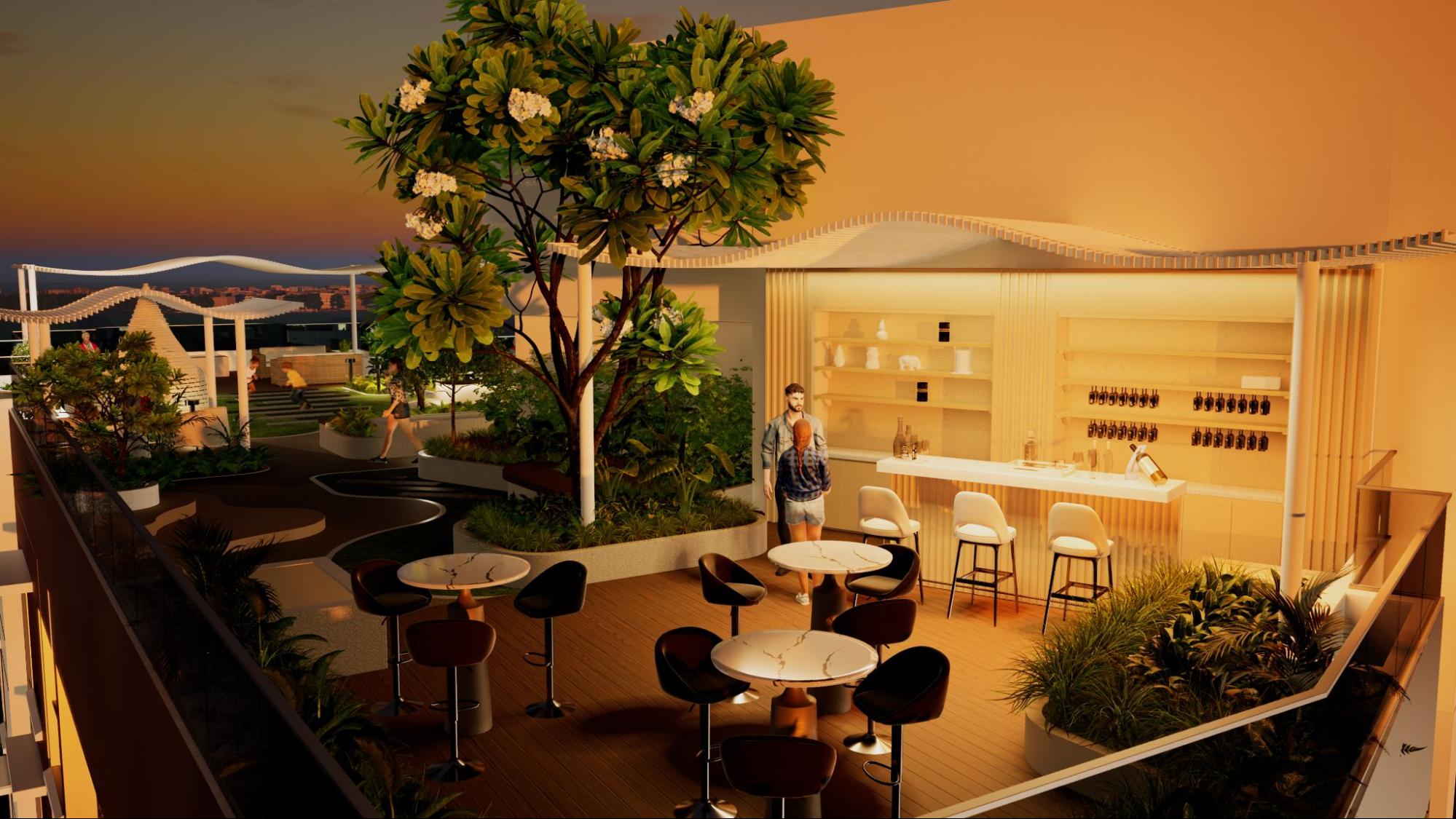
Similar to homes, many buyers often show interest in how lighting affects shared spaces. Here, the time-of-day simulation wasn't just restricted to apartments but also expanded on how amenities would behave. Users could experience the morning in walking zones, how the shading affected landscaped decks during the afternoon, and the evening ambience around different social spaces.
L&T Thane
For this project, the exterior module was crafted to give potential buyers a complete understanding of the five-tower development and its relationship with the surrounding Yeoor Hills. Meanwhile, the amenities section brought lifestyle features to life, allowing them to explore shared spaces and amenities at Evara Heights.
Rustomjee Matunga
This experience center had four zones, where one of the zones featured an Enhanced Sample Flat. Here customers got to try out "The Window View". It allowed them to see the actual views from the apartments at different times of day, giving potential buyers a realistic perspective of what to expect.
The bottom line is, you can no longer depend on older marketing formats like static images or traditional brochures when it comes to selling your projects. Today's buyers need more, and what they need the most is clarity. The best part is, 3D Property Simulations offer exactly that.
In the present-day real estate market, if you willingly opt to leave Immersive Walkthroughs as something optional, then sadly, you also should accept losing out on sales. Acquiring customers starts before even the development of the project begins, and without these simulations, you are left with waiting for development to complete for site visits, which in turn leads to lost sales.
However, that doesn't need to be the case, as at V-Estate, we have years of experience with such simulations, making us the perfect choice for you to make you an Immersive Walkthrough that is exactly what your buyers want.