Spreadsheets were designed to store numbers. They were never designed to run real estate.
Yet many large developments still depend on them to manage inventory, explain projects, and guide sales conversations. One file for pricing. Another for phasing. A third for availability. Everything else lives in someone’s head.
As projects grow in scale and buyers demand clarity earlier, this operating model starts leaking value.
Modern builders are moving toward real estate experiential technology that unifies data, space, and buyer understanding. The shift is structural, not cosmetic.
Spreadsheet-Led Systems Collapse Inside Experience Centers
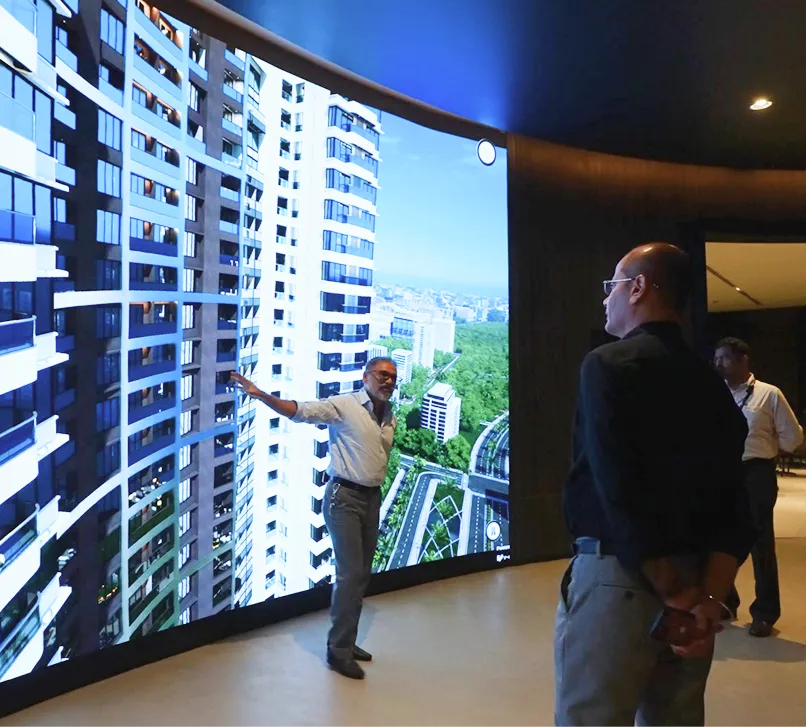
Experience centers in 2025-26 are no longer presentation rooms. They are decision environments.
Spreadsheet-driven operations fail here because:
Data remains disconnected from spatial reality
Sales teams rely on verbal explanations to bridge gaps
Buyers are asked to imagine instead of evaluate
Leadership lacks real-time visibility into buyer behavior
At Rustomjee Urban Woods and Nahar Chandivali Valley, this limitation was immediately visible. High footfall and complex site narratives could not be supported by static information systems.
Spreadsheets could track demand. They could not support conviction.
Real Estate Experiential Technology Replaces Fragmented Workflows
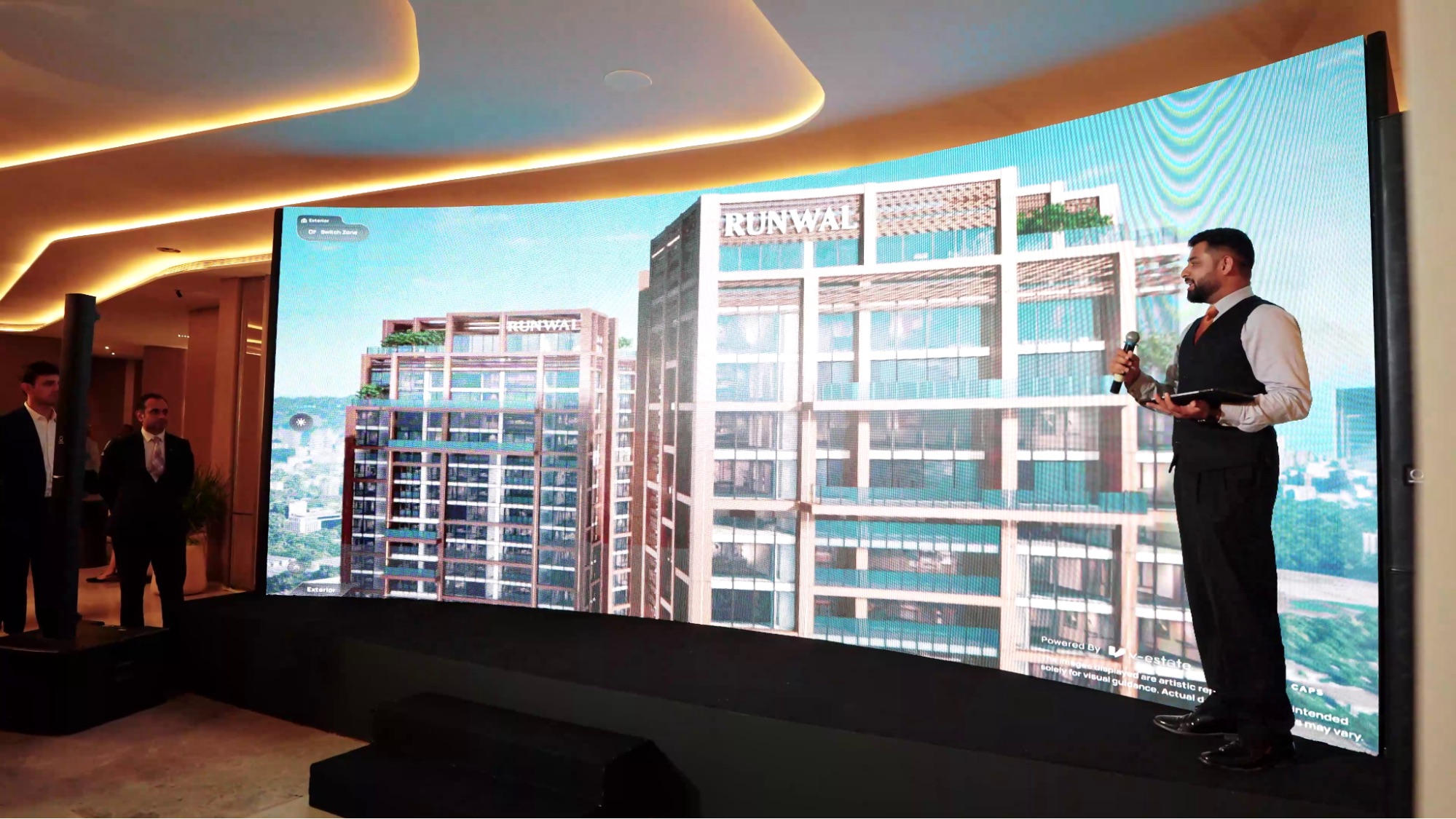
Real estate experiential technology connects planning, sales, and visualization into a single system.
Instead of juggling files, teams operate within an integrated environment where:
Inventory status updates in real time
Spatial context is always visible
Sales conversations follow a structured flow
Leadership sees alignment, not reports
At L&T Realty Thane, experiential systems replaced fragmented explanations with a unified project narrative. Phasing, visibility, and future development impact were understood visually, not described verbally.
This is not a sales upgrade. It is an operational one.
Interactive Property Walkthroughs Eliminate Buyer Interpretation
Buyers hesitate when they are asked to imagine.
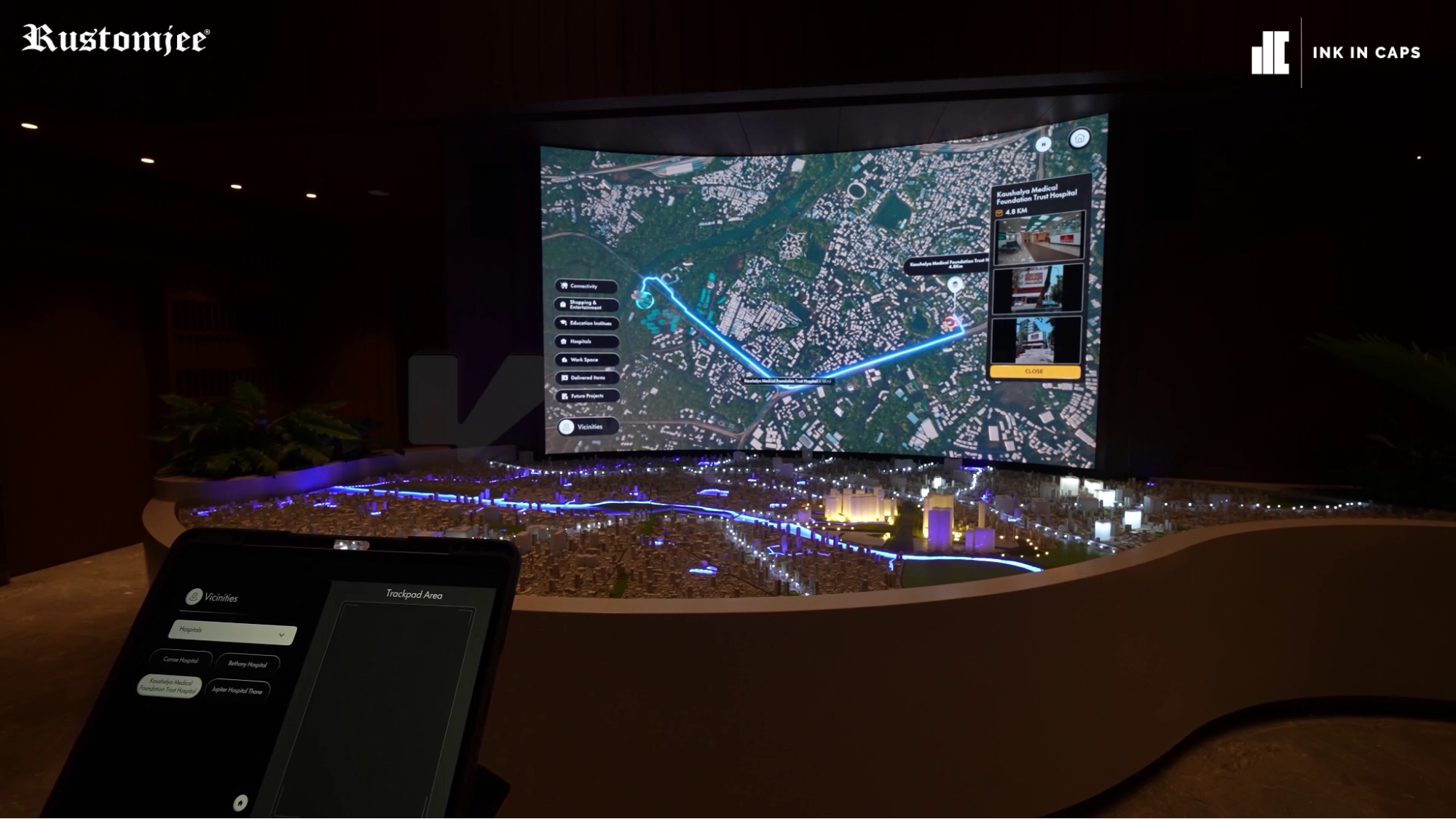
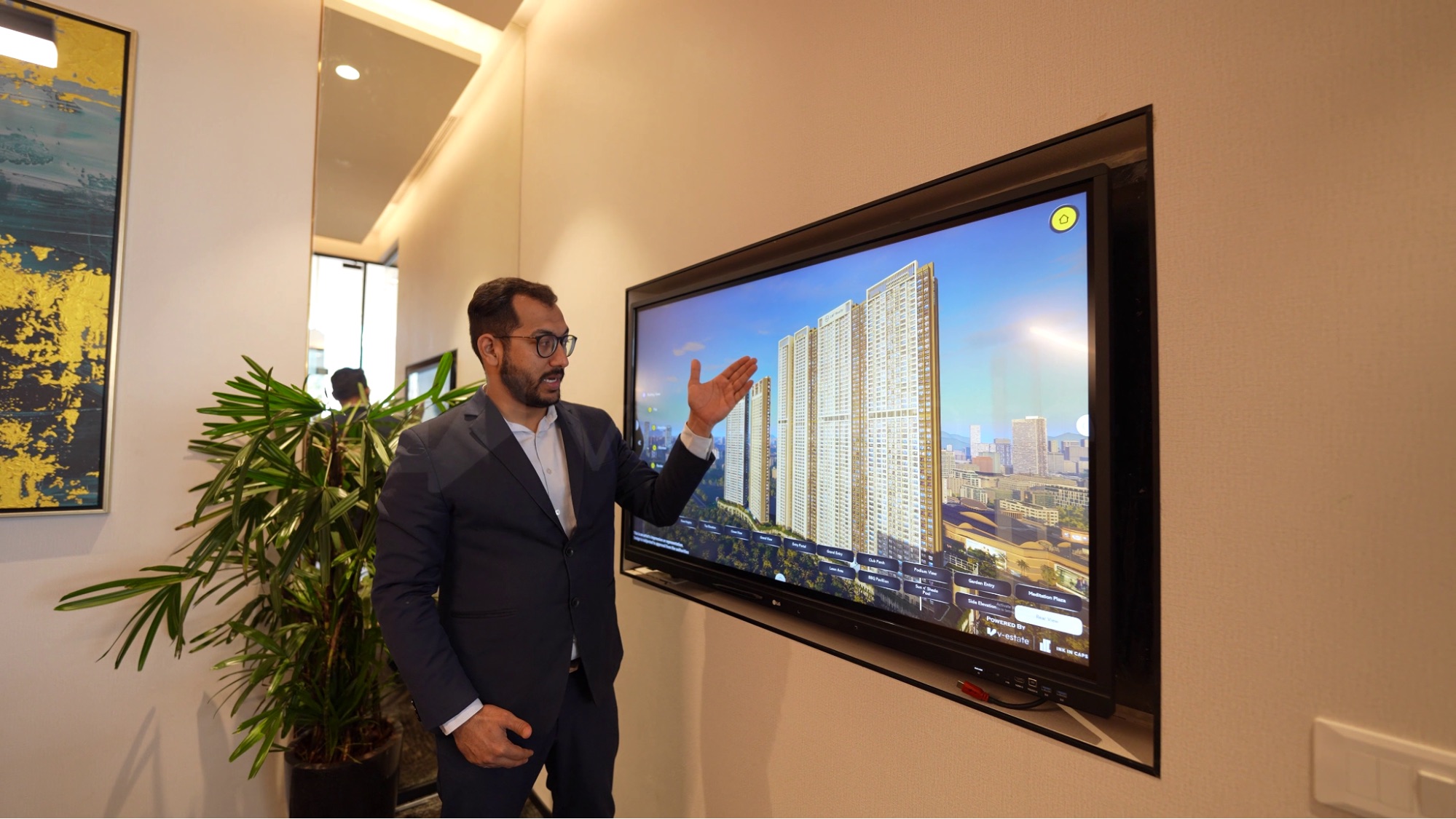
Interactive property walkthroughs remove that friction by allowing buyers to explore:
Unit placement within the tower
Views from specific windows
Amenity proximity and circulation
Context within the surrounding neighborhood
At Rustomjee Verdant Vista, interactive walkthroughs allowed buyers to reach informed conclusions independently. Sales teams no longer repeated basic explanations. Conversations moved directly to evaluation.
When buyers can verify, they decide faster.
3D Real Estate Walkthroughs Replace Static Plans at Scale
Floor plans describe dimensions. They do not explain experience.
3D real estate walkthroughs translate drawings into navigable environments. Buyers understand scale, openness, and orientation within minutes.
Across projects like Rustomjee Urban Woods, this shift delivered clear outcomes:
Fewer repeat visits for clarification
Shorter time between first visit and booking
Higher throughput without loss of engagement quality
3D walkthroughs do not impress buyers. They inform them.
Digital Twin Real Estate Platforms Create Operational Clarity
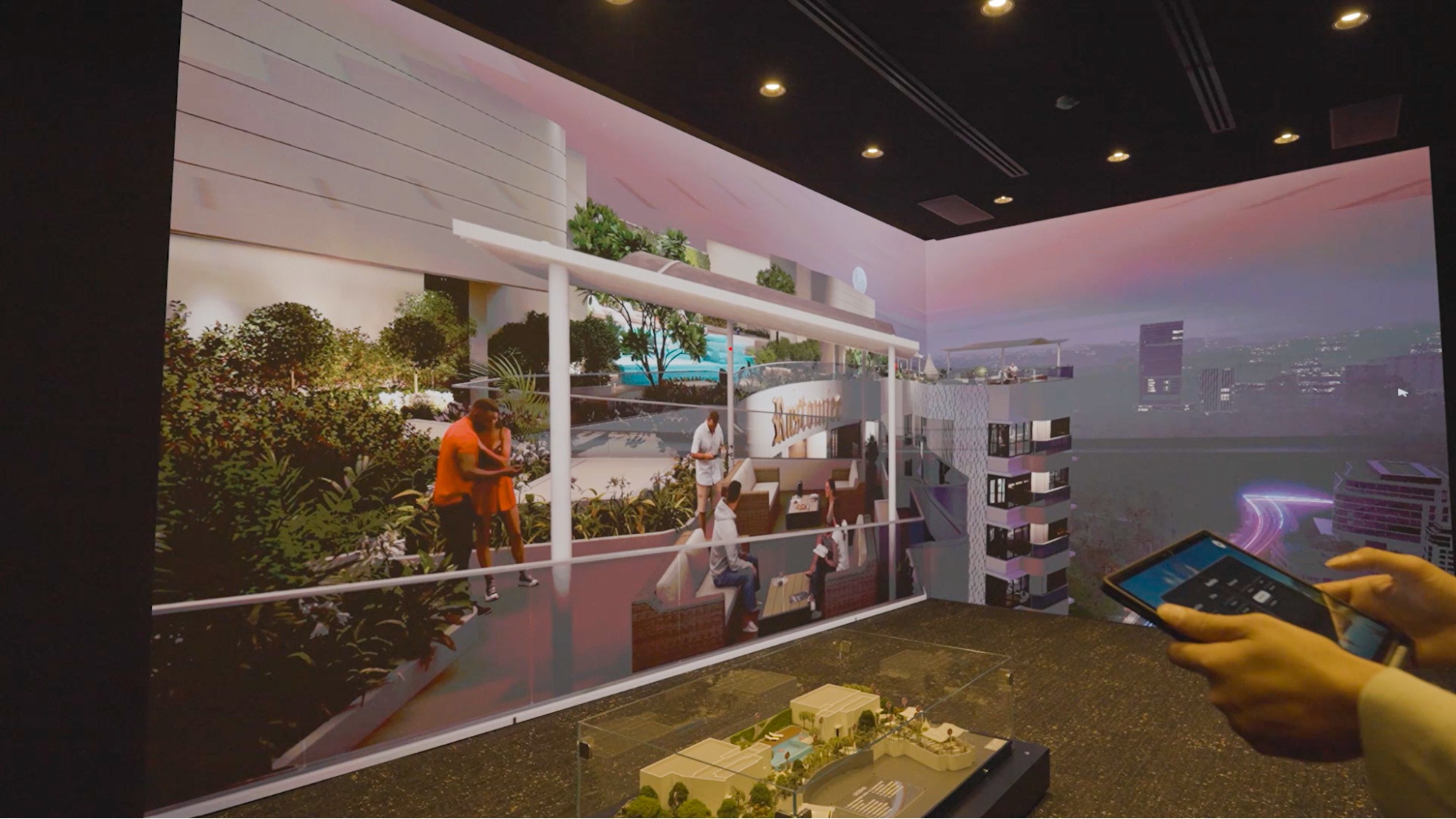
Digital twin real estate platforms go beyond visualization. They become the reference system.
At Nahar Chandivali Valley, the digital twin was the first mandatory touchpoint for every visitor. Terrain complexity, forest integration, and tower orientation were resolved visually before any commercial discussion began.
For internal teams, the same system:
Standardized the sales narrative
Reduced dependence on individual presenters
Improved alignment between sales and leadership
Digital twins replace assumption with shared understanding.
Interactive Sales Tools Convert Understanding into Action
An interactive sales tool does more than display content. It structures the decision journey.
At L&T Realty Thane and Rustomjee Urban Woods, interactive sales tools enabled:
Guided yet buyer-controlled exploration
Faster progression from overview to detail
Cleaner handoffs into discussion rooms
Sales teams shifted from explaining projects to facilitating decisions.
That shift changes velocity.
Integrated Visualization Connects Business Data with Space
Numbers alone do not guide launch strategy. Context does.
Integrated visualization connects pricing, inventory, and phasing with spatial reality. Leadership teams can evaluate visibility, future obstruction, and sequencing visually.
At L&T Realty Thane, this capability supported clearer launch timing and stronger positioning decisions.
When data and space align, execution sharpens.
Spreadsheet Dependency Quietly Erodes Performance
Spreadsheet dependency creates invisible drag:
Longer sales cycles
Repeated explanations
Over-reliance on key individuals
Reduced buyer conviction
These costs do not appear immediately. They accumulate over time.
Integrated experiential systems remove this drag structurally.
Integrated Property Systems Set the New Operating Baseline
The market has already moved.
Builders adopting integrated property management and visualization solutions are not experimenting. They are modernizing core infrastructure.
Across developments of varying scale, the results are consistent:
Faster decisions
Cleaner sales conversations
Stronger buyer recall
Better execution control
Spreadsheets still have a role. They no longer define the system.
The Takeaway
Modern real estate cannot be run on disconnected files and verbal explanations.
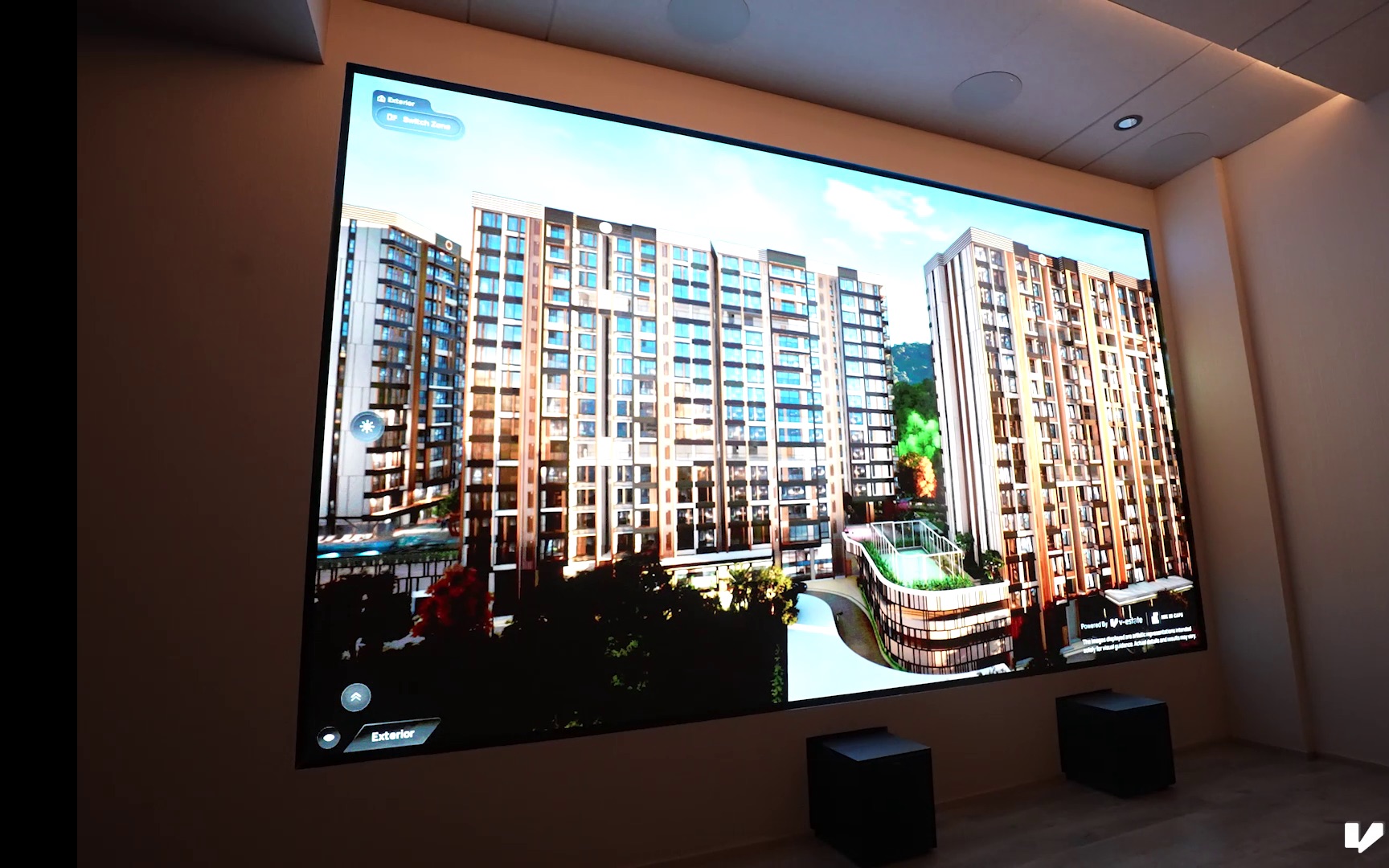
Experience centers in 2025 demand interactive property walkthroughs, digital twin real estate platforms, and integrated interactive sales tools that help buyers evaluate clearly and decide confidently.
Builders who adopt this stack gain structural advantages in speed, clarity, and long-term performance.
If your operations still rely on spreadsheets to explain complex projects, it is time to upgrade the system behind your experience center.
Let’s talk to build an integrated visualization and sales infrastructure designed for scale and conviction.
.jpg)

%20(1).jpg)