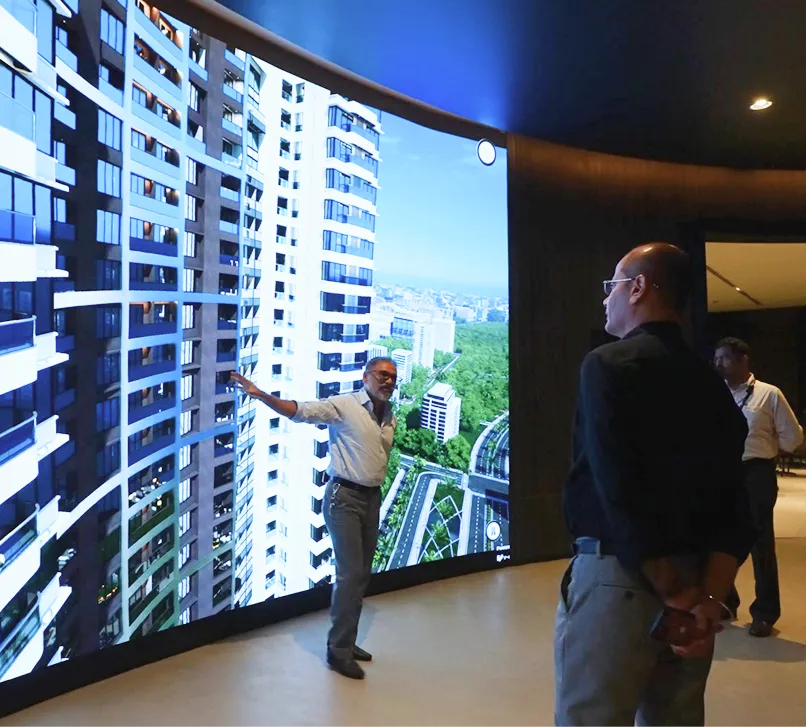
Innovative developers are embracing the shift in property marketing and selling in the competitive real estate market, with immersive property technology becoming essential infrastructure for successful development projects. These developers are convinced by the concrete benefits of these technologies, making them a worthwhile investment.
Transforming Buyer Engagement
Immersive experiences create emotional connections. When potential buyers engage with virtual reality (VR) or augmented reality (AR) property tours, they can truly visualize themselves living in the space. This emotional resonance is powerful—research suggests it can increase purchase likelihood by up to 30% compared to traditional marketing methods.
Rather than trying to imagine a space from floor plans or static images, buyers can virtually walk through rooms, examine finishes, and get a genuine feel for spatial relationships. This depth of understanding builds confidence in purchasing decisions, particularly for off-plan developments where physical showings aren't possible.
Standing Out in a Crowded Marketplace
In markets where dozens of similar properties compete for buyer attention, immersive technology provides a critical competitive edge. Properties showcased with interactive 3D models and virtual staging naturally attract more interest and engagement.
Developers using these technologies report their listings receiving significantly more attention online and during marketing campaigns. This visibility advantage translates directly to more qualified leads and interested buyers investigating properties further.
Streamlining Operations and Reducing Costs
While implementing immersive technology requires initial investment, it offers impressive long-term cost efficiencies. Consider the expenses of maintaining physical show homes or flying international investors to visit development sites. Digital alternatives dramatically reduce these operational costs.
Virtual models also allow for rapid iteration and testing. Developers can adjust designs, test buyer reactions to different layouts or finishes, and refine offerings before committing significant resources to physical construction.
Breaking Down Geographic Barriers
The global reach of immersive technology is transformative. International investors no longer need to travel across continents to confidently assess property investments. This expanded market access is particularly valuable for luxury developments and properties in destination markets.
By removing geographic limitations, developers can attract buyers from previously untapped markets, creating more stable demand even during local market fluctuations.
Accelerating Decision-Making and Sales Cycles
Properties showcased with immersive technology typically move through the sales pipeline more efficiently. The enhanced understanding these tools provide helps buyers make decisions with greater confidence and less hesitation.
This acceleration matters—reducing average days-on-market means faster capital return and reduced carrying costs for developers. Many report seeing sales cycles shortened by weeks or even months when implementing comprehensive immersive solutions.
Enhancing Project Management and Stakeholder Collaboration
Beyond marketing, immersive technologies improve project execution. Design teams can identify potential issues before construction begins, investors can track progress remotely, and contractors can better understand project requirements through interactive visualization.
This improved collaboration reduces expensive mid-construction changes and helps keep projects on schedule and within budget parameters.
Meeting Evolving Buyer Expectations
Today's property buyers, particularly younger demographics, increasingly expect technology-enhanced experiences. As digital natives become a larger share of the buying market, traditional marketing methods alone often feel outdated and insufficient.
Forward-thinking developers recognize this shift in expectations isn't reversing. By investing in immersive technology now, they're not just addressing current market demands but building capabilities that will remain relevant as digital experiences become the standard.
Looking Forward
The real estate industry is undergoing digital transformation at every level. For developers who embrace immersive technology early, the advantages extend beyond immediate sales benefits to long-term market positioning and operational excellence.
As these technologies continue evolving and becoming more accessible, the gap between early adopters and laggards will likely widen. Those who invest thoughtfully in immersive property technology today are building capabilities that will drive success well into the future.
By providing richer information, more engaging experiences, and removing friction from the buying process, immersive property technology isn't just changing how real estate is marketed—it's fundamentally improving how spaces are conceived, presented, and sold.