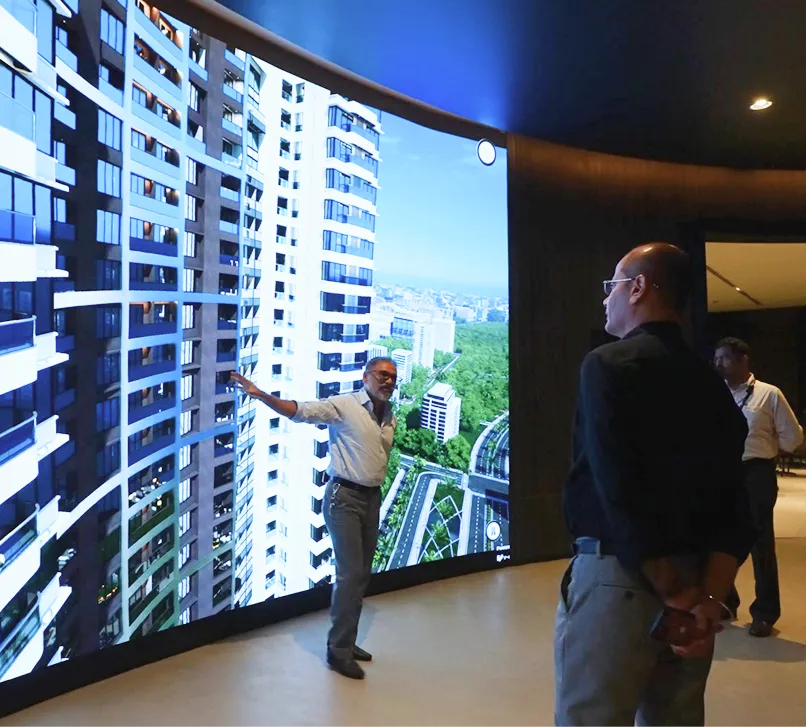
Showroom foot traffic arrives. Buyers walk through physical models. They touch materials. They gauge scale. Then engagement stops. No personalization follows. Views remain fixed. Lighting stays constant. Questions linger unanswered. Sales cycles extend. Conversion rates plateau. Marketing heads watch opportunities slip away because buyers lack complete visualization.
This gap between tangible and immersive experiences costs developers millions annually. Physical models build trust but limit flexibility. Digital renderings exist offline but require manual setup. Teams juggle printed collateral. Sales reps scramble for visual answers. The disconnect creates friction exactly where closure should happen—in the showroom moment.
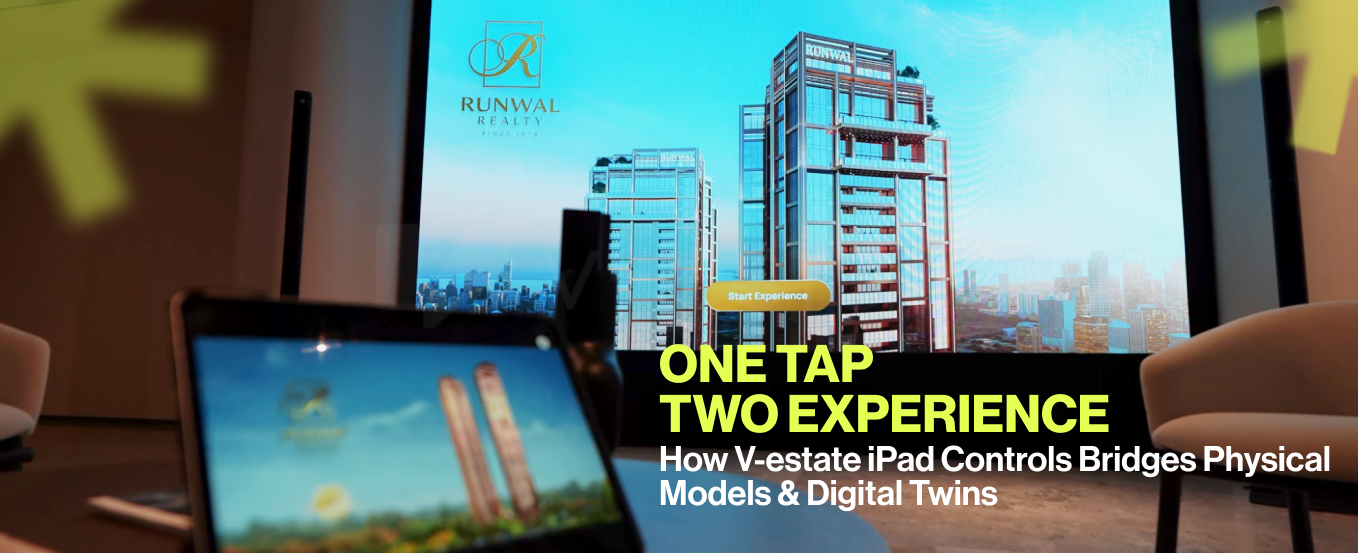
V-Estate eliminates this friction through offline iPad activation. One device bridges two experiences seamlessly. Buyers control their own discovery. Paint colors shift on demand. Amenities map dynamically. Window views update in real time. No internet dependency. No setup delays. Just tappable, immersive visualization that accelerates decisions.
Physical Models Meet Digital Twins in Showroom Reality
Real estate developers invest heavily in physical model construction. Precision builds matter. They create credibility. Buyers engage with tangible materials. They understand spatial relationships. They visualize scale authentically.
Yet physical models impose constraints. Details remain static. Interior finishes cannot adapt. Lighting conditions freeze. Views never change. Customization requires imagination alone. Buyers struggle to see personal preferences reflected. Sales teams cannot address "what-if" questions in real time.
Digital twins theoretically solve this problem. Photorealistic 3D virtual showflats deliver minute accuracy. Window views match actual angles. Evening light quality replicates reality. Coffee scenes feel lived-in. Interior details down to fixture finishes render faithfully.
But digital twins historically required online activation. Showrooms with poor connectivity faced obstacles. Offline environments suffered visibility gaps. Sales reps couldn't deploy sophisticated visualizations in rural sites or basement demo areas. Backup systems relied on printed renders—static solutions that defeated the purpose of digital flexibility.
The industry needed both simultaneously: physical tangibility and digital flexibility, without infrastructure dependencies.
Offline Activation Shifts Showroom Dynamics
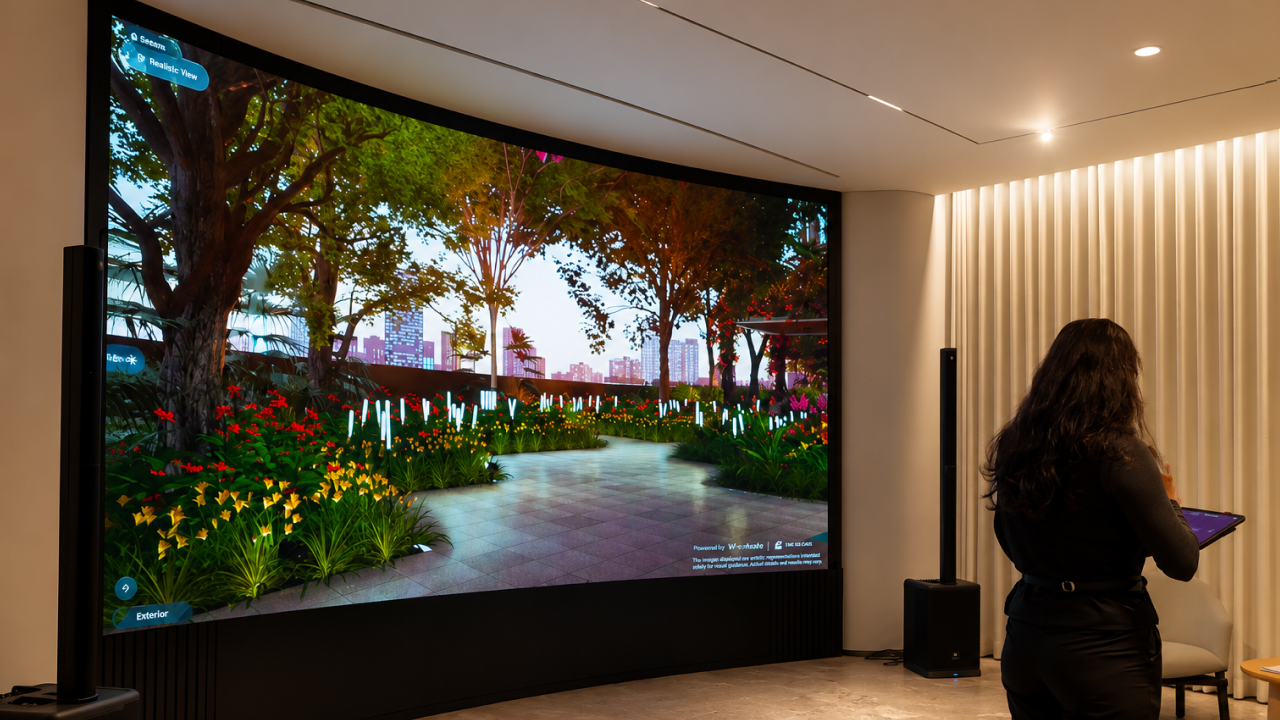
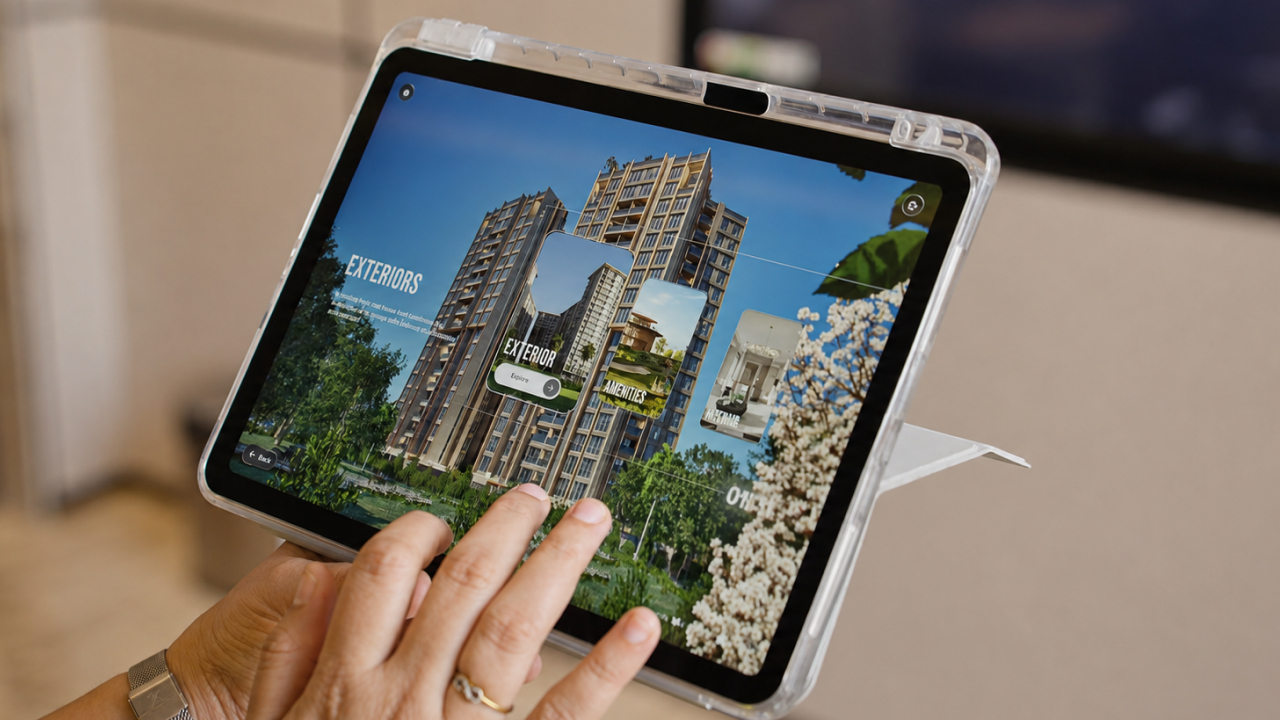
V-Estate's offline iPad control restructures this dynamic entirely. The device serves as local bridge, not internet gateway. Sales teams deploy iPads without network requirements. Buyers interact directly. Customization flows happen in real time.
The mechanics operate simply. Tap once to activate physical model context. Scale lighting synchronizes instantly. Material finishes align with actual build specifications. Tap again to layer digital customization. Paint colors update. Furniture arrangements shift. Weather conditions change. Dynamic lighting simulates time-of-day variations. All processing happens locally. No server dependency. No lag. No interruptions.
Developers place units in showflats with minimal setup friction. Bluetooth sensors sync iPad controls to physical model elements. Configuration requires minutes. Sales staff train rapidly. No steep technical curves. Interface design mirrors familiar mobile experiences.
The offline-first approach addresses real showroom constraints. Basement demo areas with zero signal connectivity function fully. Site offices in developing areas operate without limitation. Power outages don't interrupt sales presentations. Reliability increases precisely where internet infrastructure fails most often.
Amenity Mapping Creates Lifestyle Visualization
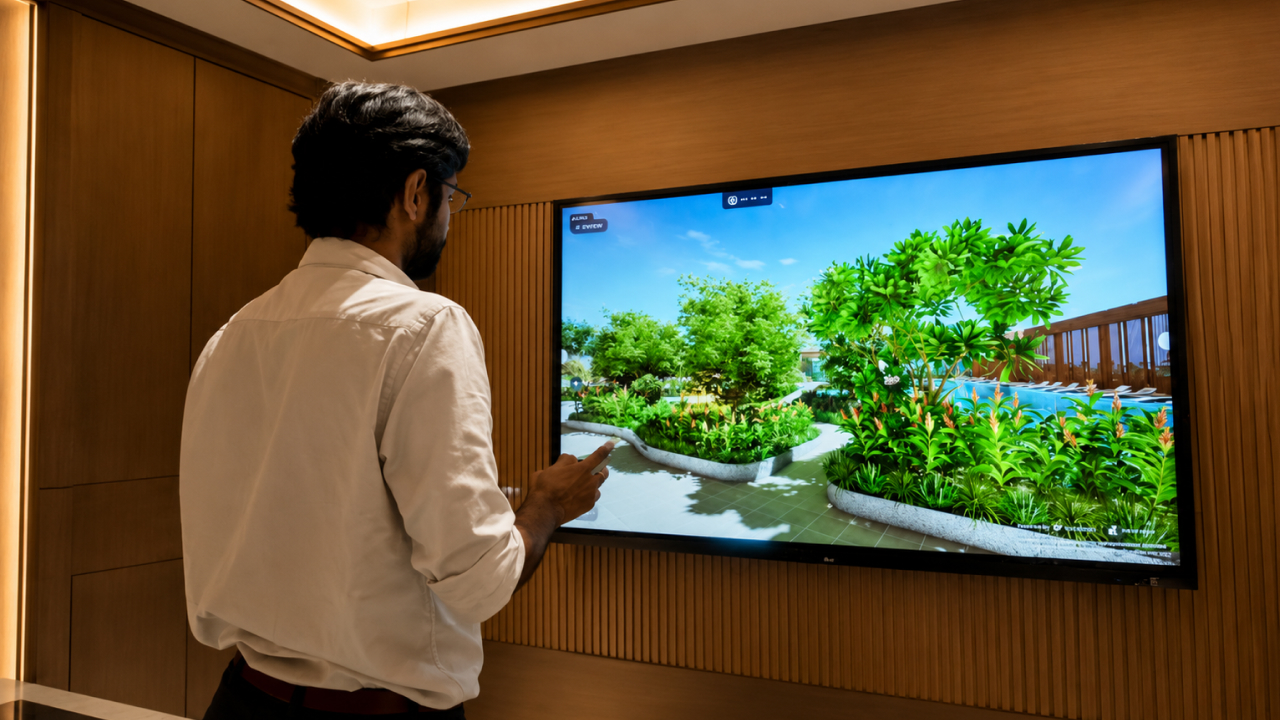
Property location transcends structure. Nearby facilities shape actual living experience. Schools define family value. Transit access impacts daily routines. Retail proximity supports convenience. Parks enhance wellness appeal. Buyers need clear mental picture of complete ecosystem, not isolated units.
V-Estate maps amenities in real time through iPad controls. Current projects appear contextually. Upcoming infrastructure displays with timelines. Connectivity visuals clarify transportation networks. Distance calculations show actual travel times. Buyers see lifestyle context immediately.
This visualization combines physical and digital elements strategically. iPad scans actual physical model surfaces. Digital layers project amenity information atop. Buyers see hybrid perspective—the tangible scale of the structure merged with digital context of surroundings. Physical presence anchors credibility. Digital clarity answers lifestyle questions.
Customization deepens engagement further. Buyers adjust wall finishes. They preview furniture selections. They test paint palettes. They examine window views under different lighting conditions. Each adjustment reveals new dimension of potential home. Personalization drives emotional connection. Connection drives conversion.
Real Estate Sales Acceleration Through Immersive Control
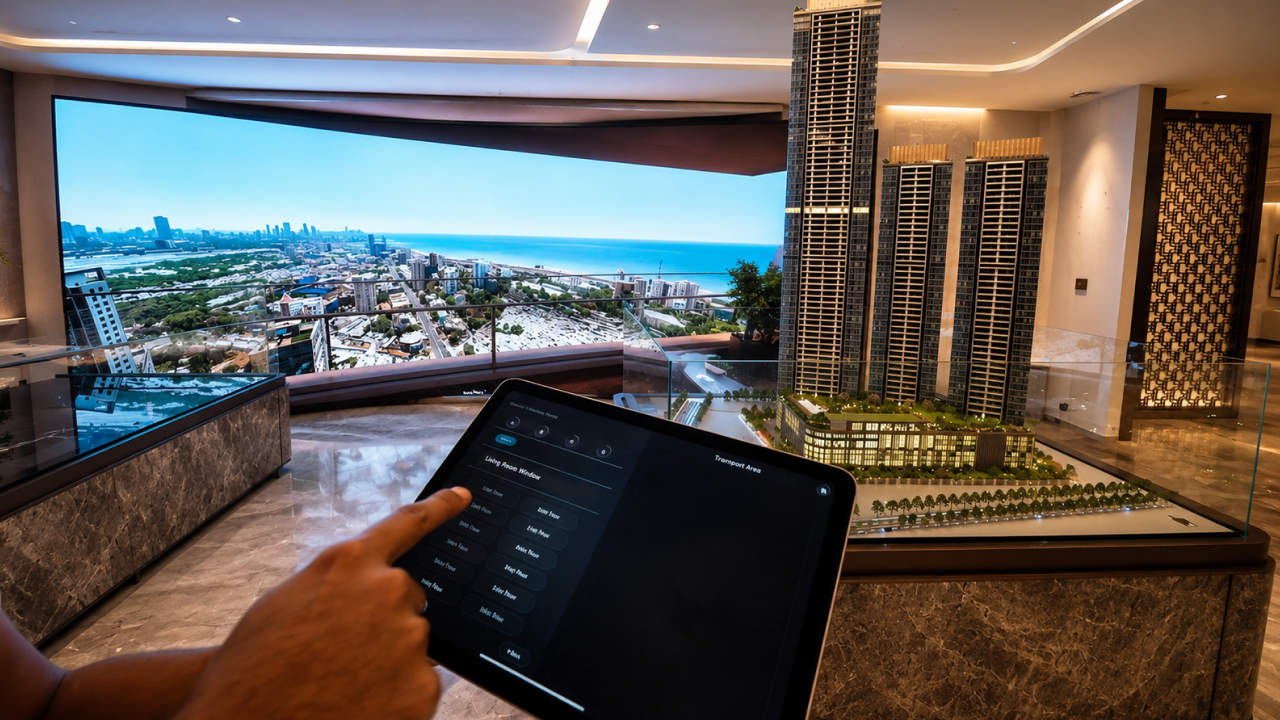
Lead conversion rates improve measurably when buyers control visualization. Static presentations create passive buyers. Interactive environments create invested buyers. Investment leads to commitment.
Marketing teams report 35% increases in lead conversions after deploying V-Estate. Why? Friction points disappear. Buyers no longer wait for sales rep explanations. They explore independently. They answer their own questions through direct interaction. Confidence accelerates. Decision timelines compress. Hesitation diminishes.
Time savings compound these benefits. Traditionally, customization requests required follow-up renderings. Buyers asked about different paint colors. Teams scrambled to produce new images. Hours passed. Momentum stalled. With V-Estate, custom renders generate instantly through iPad controls. Buyers see options immediately. Sales teams close while interest peaks.
Cost reductions follow naturally. Fewer printed brochures become necessary. Model maintenance requirements decrease because digital layers protect physical components from excessive handling. Prototype iteration cycles accelerate because design validation happens in showroom context before construction commits. Developers validate assumptions against actual buyer preferences early. Expensive late-stage changes reduce significantly.**
Customer retention strengthens through ownership psychology. Buyers who controlled their own visualization experience feel greater investment in final purchase. They made decisions through active engagement, not passive reception. Ownership mentality extends beyond closing. Referral rates increase. Reviews reflect higher satisfaction. Communities strengthen through buyer-driven discovery.
Offline Immersive Platform Features Address Developer Friction Points
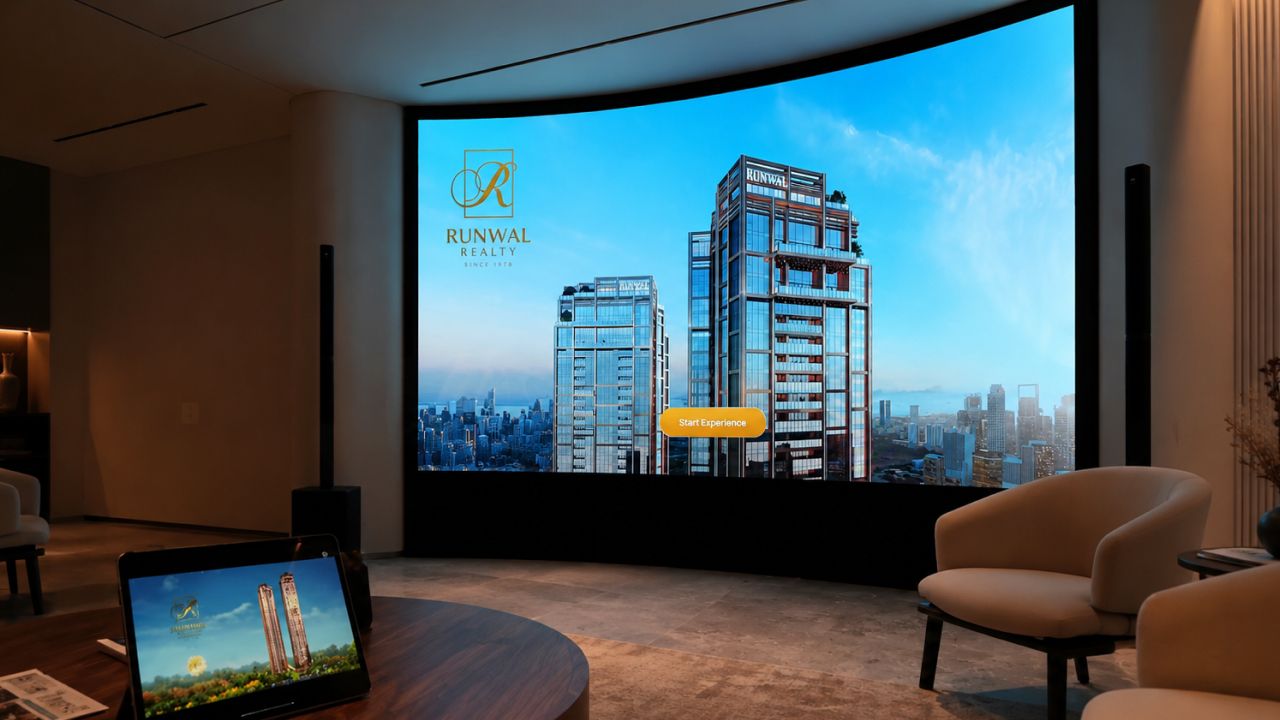
V-Estate concentrates capabilities specifically addressing showroom realities.
Photorealistic 3D virtual showflats render properties with accuracy that eliminates visualization guesswork. Buyers see actual material finishes, real lighting conditions, authentic spatial proportions. No approximations. No artistic interpretations.
Dynamic amenity showcase maps lifestyle context automatically. Nearby schools, retail, transit, parks appear with distance data and travel times. Current project portfolios and upcoming infrastructure timelines clarify neighborhood evolution. Connectivity networks visualize digital and physical infrastructure simultaneously.
Customization controls empower buyer autonomy. Paint selections update instantly. Furniture arrangements adapt to spatial preferences. Lighting conditions shift for time-of-day and seasonal variation. Buyers shape experience toward personal vision without sales team mediation.
Offline-first architecture eliminates infrastructure dependencies entirely. iPad functionality requires zero internet connectivity. Deployment flexibility increases across project types—luxury developments, affordable housing, mixed-use complexes. Scalability adapts to portfolio size.
For marketing heads, these capabilities translate directly to measurable outcomes. Interaction data logs offline. Sessions sync later for CRM integration. Behavioral patterns emerge showing which features drive engagement. Which amenities attract attention. Which customizations resonate most. Design refinement becomes data-informed rather than assumption-based. Campaign messaging targets proven preference patterns.
Bridge Experience, Accelerate Decision, Increase Revenue
One device. Two worlds. V-Estate's offline iPad control removes the false choice between physical presence and digital flexibility. Developers deploy in showrooms immediately. Buyers experience both tangibility and customization. Sales teams guide conversations instead of managing technical obstacles.
The business impact concentrates in three areas: lead conversions accelerate through immersive engagement. Sales cycles compress through instant visualization. Customer satisfaction deepens through ownership psychology.
Real estate developers facing showroom friction should evaluate offline immersive activation. The tool addresses documented industry pain points: slow conversion timelines, static property presentation, amenity communication gaps, customization request delays.
Contact V-Estate for offline activation demonstration. Test the tool in your showroom environment. Measure engagement shifts firsthand. Experience how one tap bridges complete buyer journey—from initial property curiosity through informed final decision.