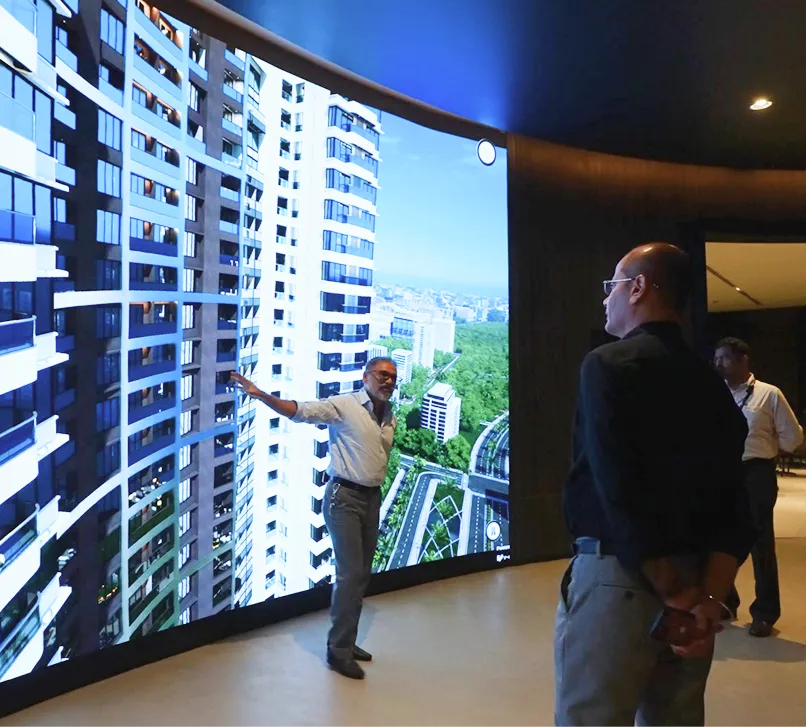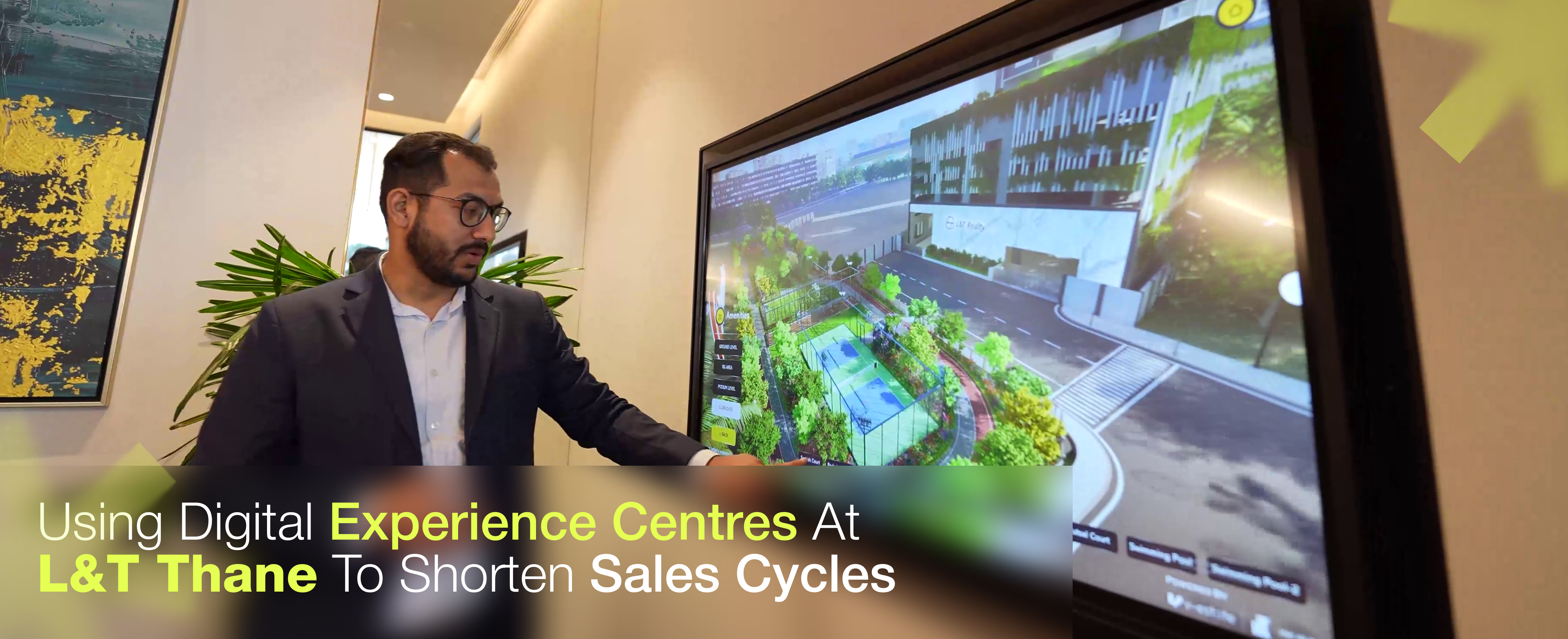
Real estate development has always carried the weight of long decision-making cycles. From initial inquiry to final closure, buyers expect reassurance at every stage: clarity on layouts, visibility on lifestyle amenities, and confidence in the project’s future value. For developers, these extended sales journeys translate into high engagement costs, resource drain, and delayed revenue recognition.
The digital experience centre at L&T Thane represents a shift in how developers are addressing these challenges. By rethinking the buyer journey as an immersive, consolidated experience, L&T has reduced information gaps, shortened decision windows, and set a template for how large-scale developments can use technology-enabled spaces to accelerate conversions.
The Challenge: Why Real Estate Sales Cycles Lag
Developers often find themselves facing the same structural challenges:
Fragmented buyer journey – Customers alternate between brochures, show flats, multiple site visits, and sales interactions, prolonging decision-making.
Incomplete visualization – Sample flats and construction updates cannot fully convey how a property will look once completed or how it integrates with the larger ecosystem.
High buyer uncertainty – With multiple competing projects, the lack of differentiated, transparent engagement often causes delays in final commitments.
Repetitive sales tasks – Sales teams spend significant time addressing basic queries rather than engaging in deeper consultative discussions.
These issues collectively create longer cycles, higher costs, and lost opportunities.
The Intervention: L&T Thane’s Digital Experience Centre
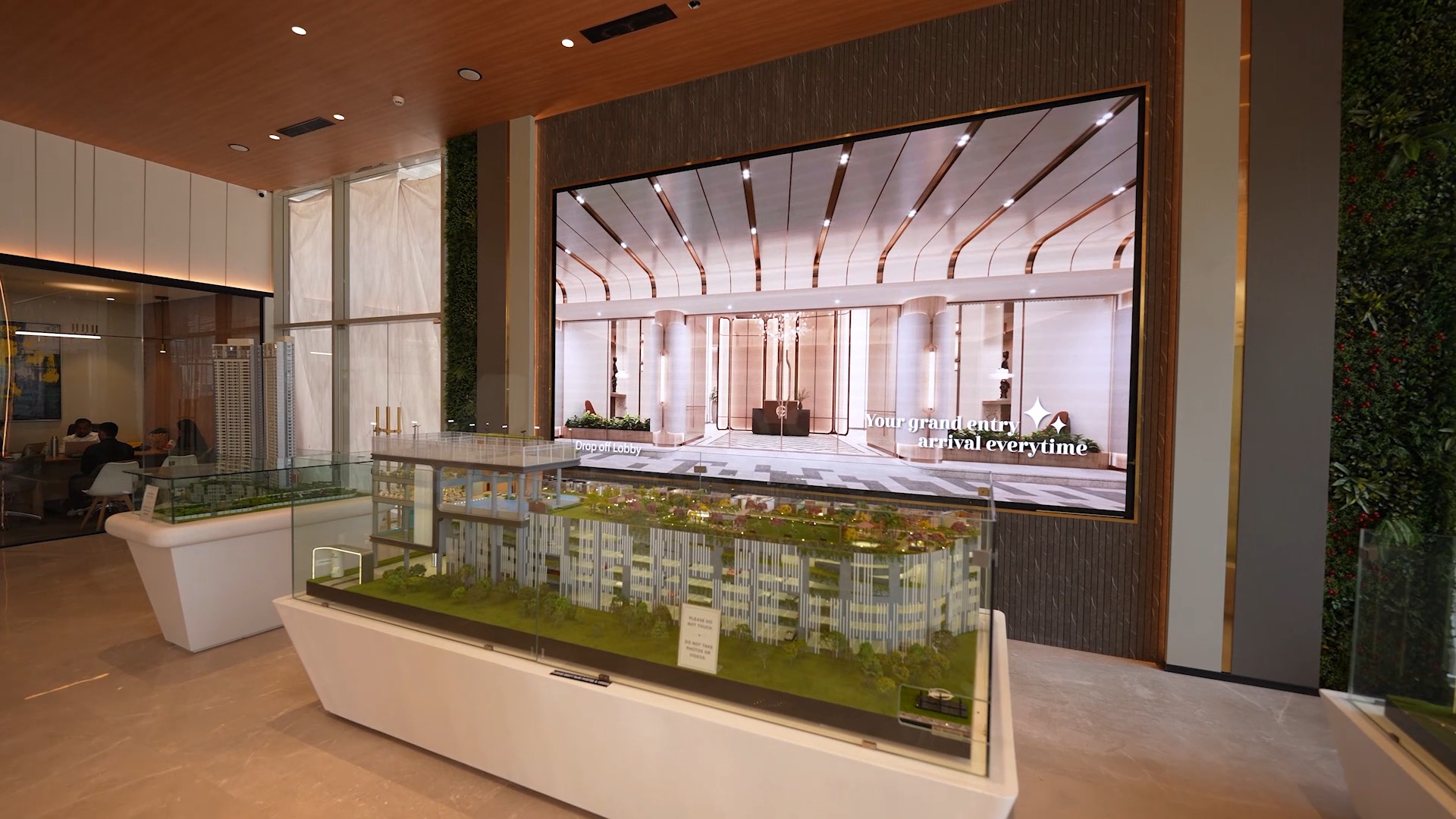
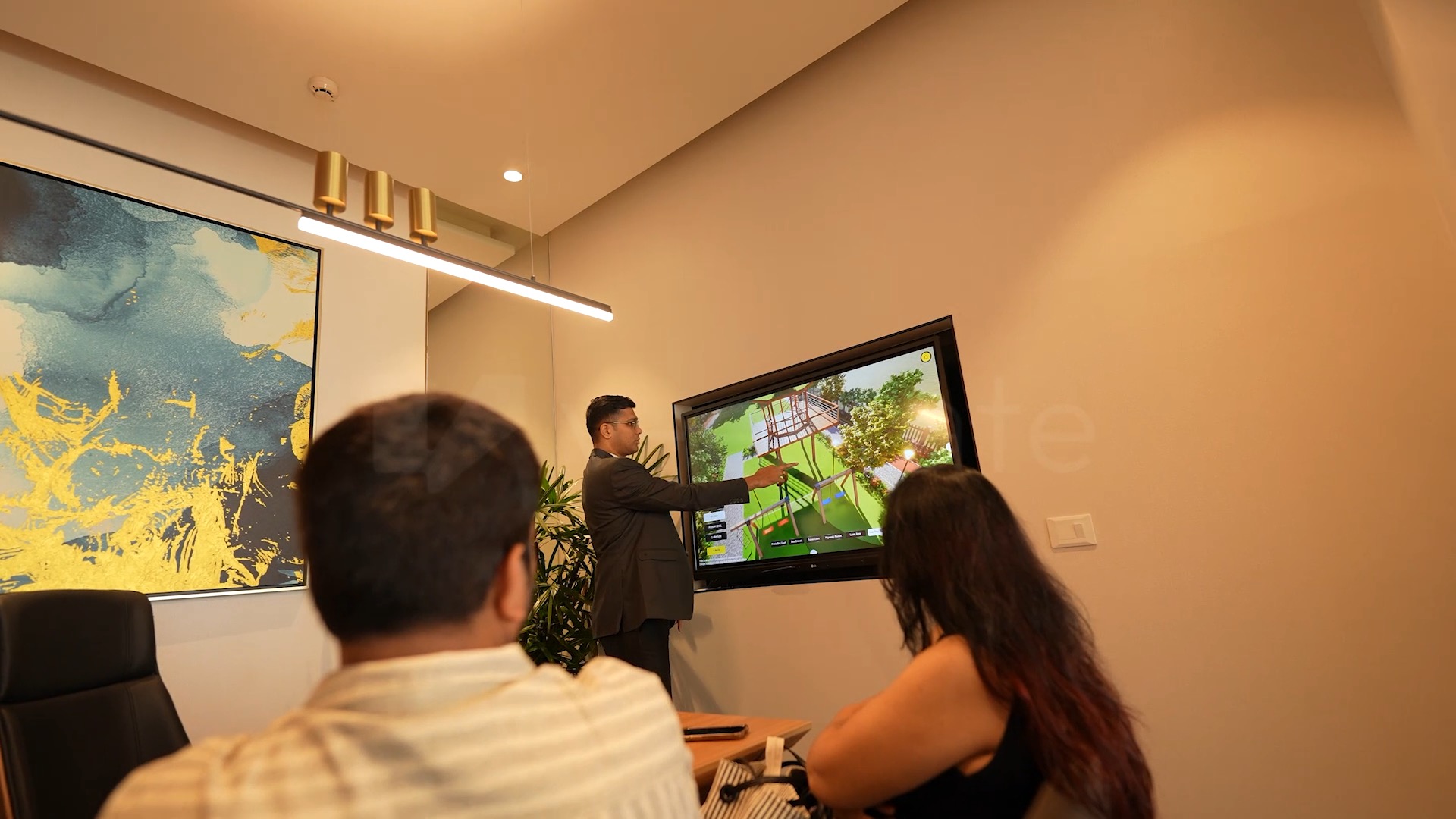
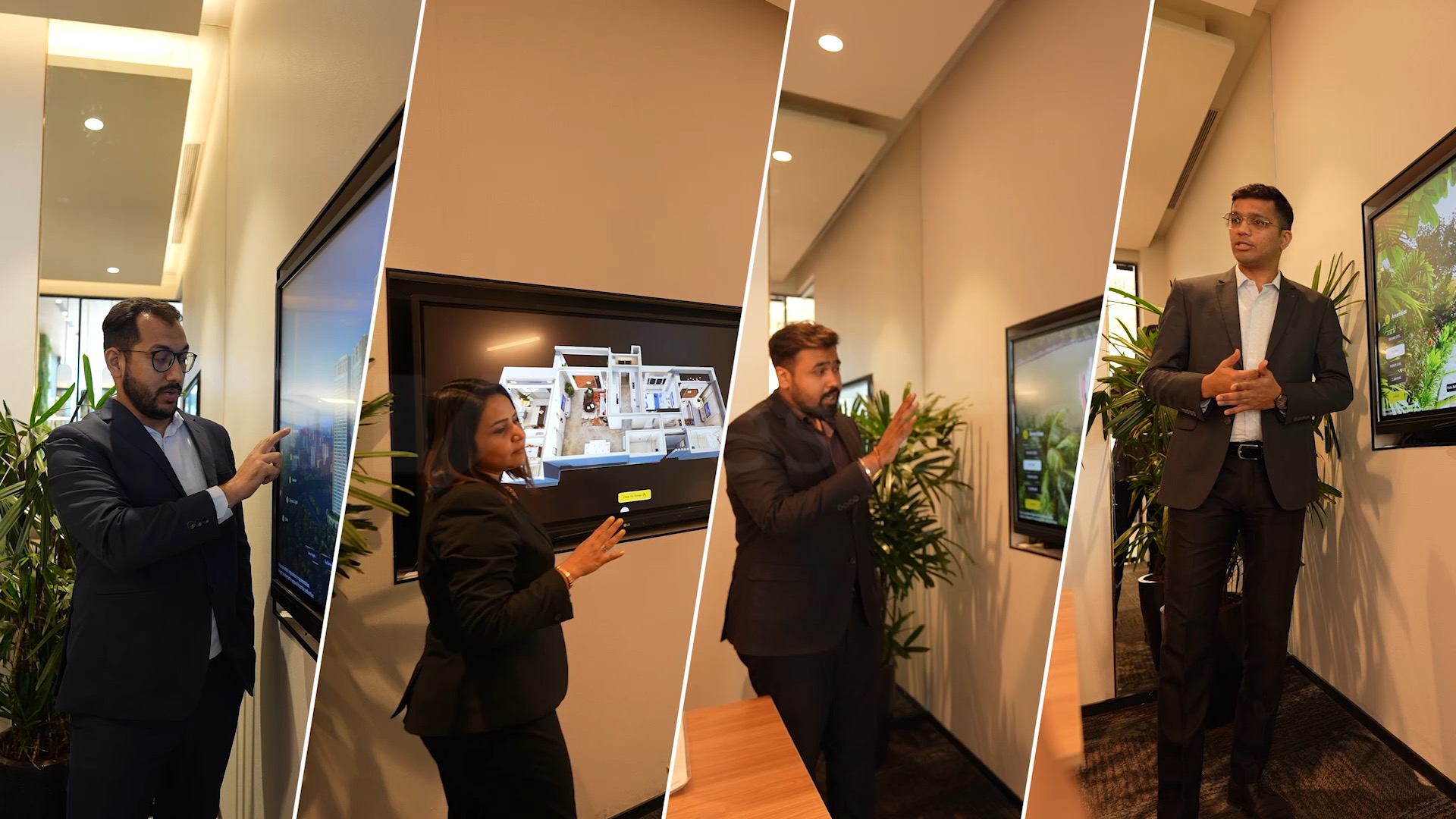
At L&T Thane, the developer has invested in a digital experience centre designed to give customers a unified, data-rich, and highly visual environment. The aim is clear: compress the decision-making process by addressing the exact pain points that traditionally slow down conversions.
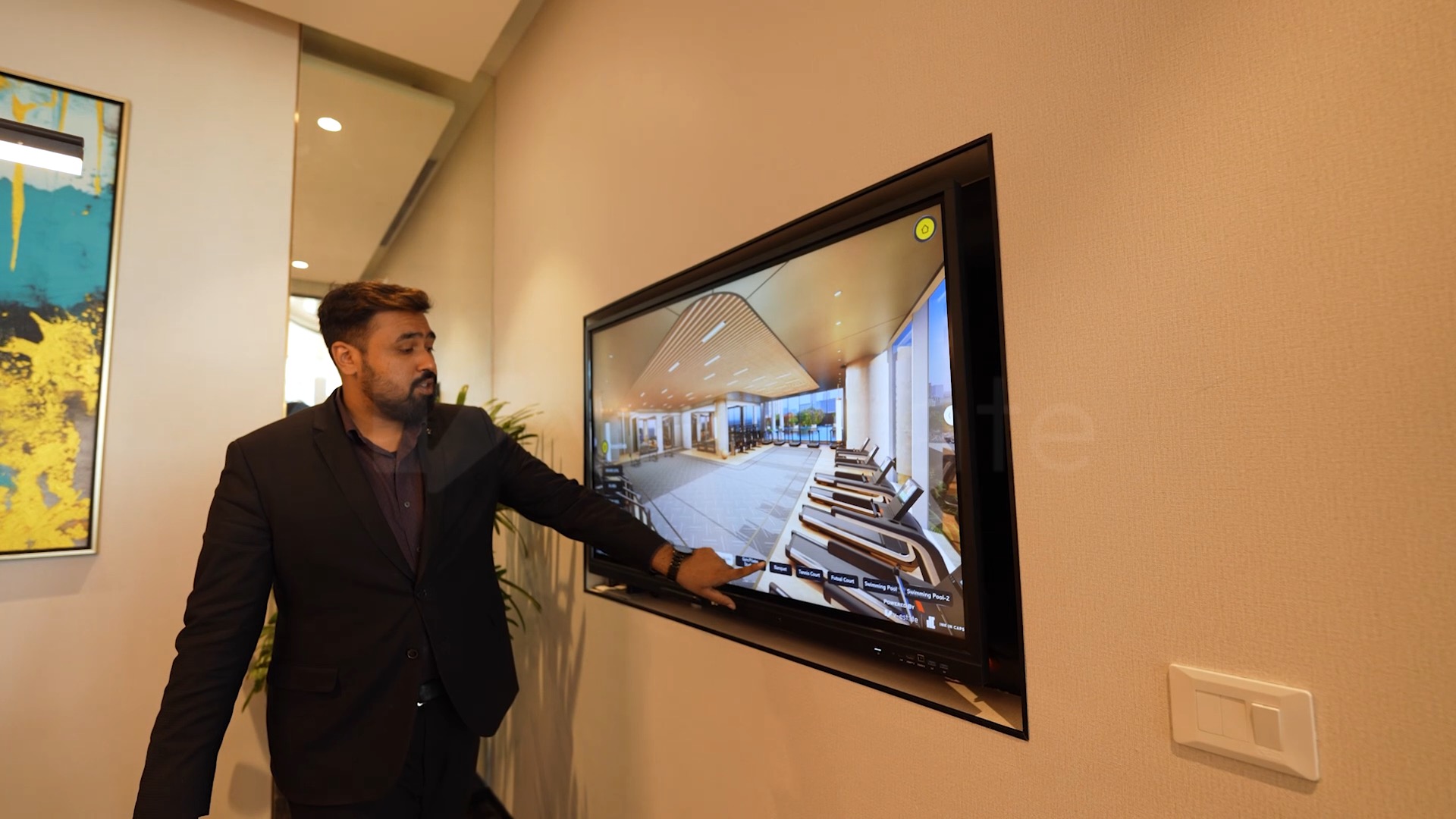
Key aspects of the approach include:
Immersive property visualization Instead of waiting for a show flat, buyers can explore photorealistic 3D environments that replicate finished units. This helps eliminate ambiguity and aligns expectations early.
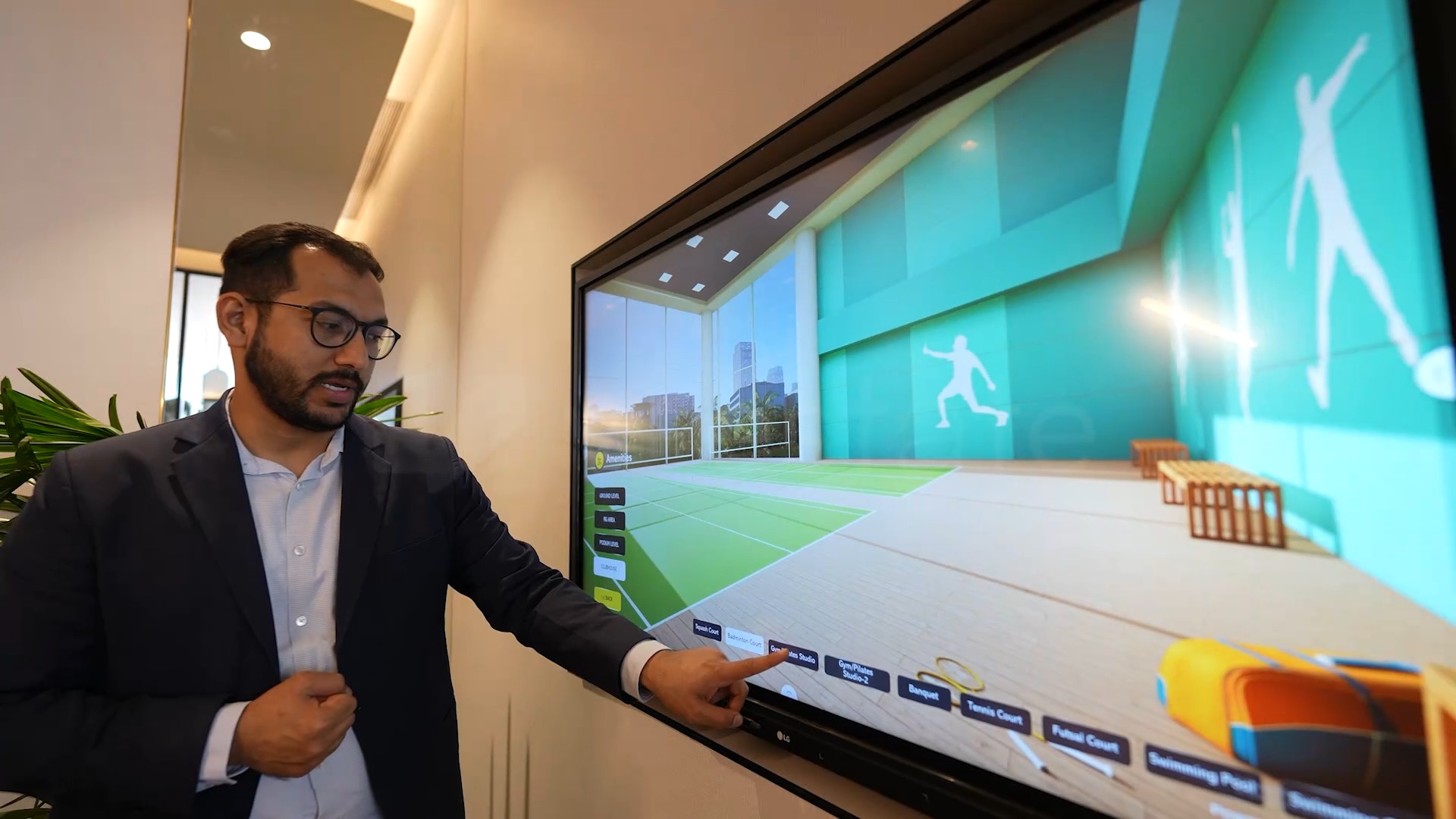
Integrated lifestyle mapping Beyond the property itself, the centre situates the project within its larger context—showcasing amenities, infrastructure, and future developments in the Thane region. This reassures buyers about long-term investment value.
Customer-driven interaction Prospects are not passive viewers. They can actively configure spaces, experiment with interiors, and personalize layouts. This agency reduces hesitations and deepens emotional connection.
Seamless consolidation of information All relevant details—design options, connectivity maps, and amenity showcases—are consolidated in one session, reducing the need for repeated follow-ups.
The result is not just better engagement but a tangible reduction in the length of the sales cycle. Customers leave with fewer questions, higher confidence, and a stronger inclination to commit.
Strategic Value for Developers
The L&T Thane case underlines why digital experience centres are not just a “feature,” but a strategic sales asset for large developments:
Accelerated decision timelines – By eliminating the visualization gap, developers move customers from consideration to commitment faster.
Reduced sales overhead – Fewer repeat visits and lower dependency on multiple follow-ups mean teams can reallocate resources toward high-value interactions.
Differentiation in competitive markets – In regions with multiple projects, an immersive experience centre becomes a key brand differentiator.
Improved revenue velocity – Faster closures translate directly into earlier cash flows, critical for large-scale projects with phased construction.
Implications for Marketing and Sales Teams
Marketing and sales leaders must view digital experience centres as a re-engineering of the sales journey, not simply a visual aid. The L&T Thane model highlights actionable priorities:
Design experiences around customer agency – Allowing buyers to control their exploration increases ownership and reduces hesitancy.
Shift from information push to experience pull – Instead of overwhelming buyers with data, create layered experiences that reveal details as customers explore.
Integrate context into every interaction – Amenities, connectivity, and future urban growth patterns must be presented as part of the decision-making landscape.
Leverage immersive spaces for multiple stakeholders – Beyond end-buyers, channel partners, investors, and corporate sales teams can also benefit from these centres, creating broader utility.
Beyond L&T Thane: The Emerging Blueprint
The L&T Thane experience is part of a wider shift in how real estate developers are rethinking customer engagement. Tools like V-estate—with its ability to replicate show flats in photorealistic 3D, map amenities, and provide customer-driven customization—reflect the same logic at scale. The principle is simple: reduce uncertainty, increase clarity, and accelerate decisions.
For developers, the message is clear: investing in experience-led sales infrastructure is no longer optional. It is an operational necessity for shortening sales cycles, reducing costs, and creating stronger customer confidence.
Conclusion
The digital experience centre at L&T Thane demonstrates how real estate developers can directly address one of their industry’s most persistent challenges: the prolonged sales cycle. By bringing immersion, personalization, and contextual mapping under one roof, L&T has shown that the buying journey can be streamlined without compromising on customer confidence.
For marketing heads and developers, the lesson is not about technology for its own sake but about restructuring engagement around clarity and agency. The result is faster decision-making, higher conversion ratios, and stronger alignment between buyer expectations and project delivery.