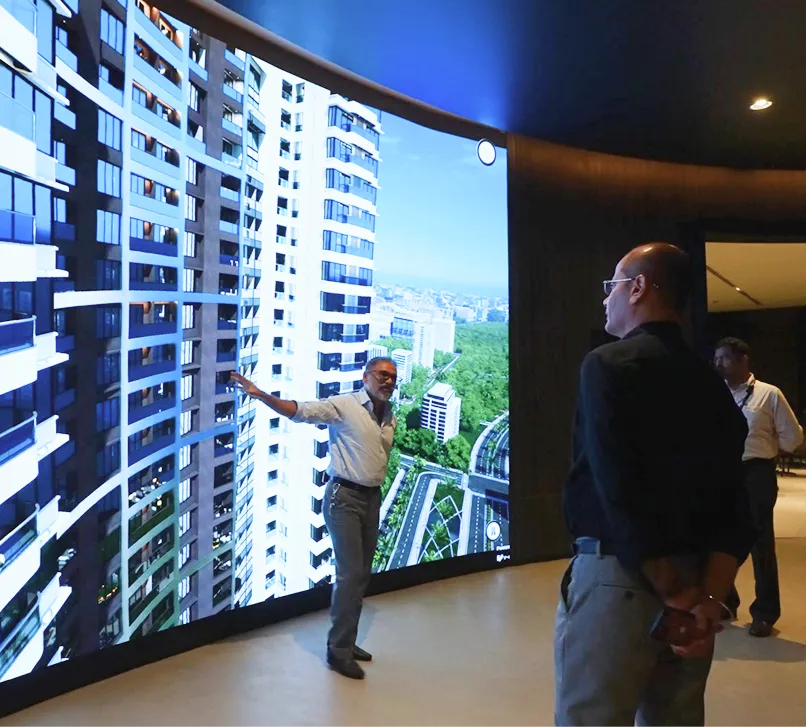
Real estate developers face a persistent challenge: how do you transform curious browsers into committed buyers? The answer lies in creating immersive, customizable experiences that allow potential customers to envision themselves living in the space you're selling.
Gone are the days when static brochures and generic property tours could seal deals. Today's buyers expect personalized, interactive experiences that speak directly to their needs and aspirations. Understanding this shift is crucial for developers who want to stay competitive in an increasingly demanding market.
Why Passive Property Experiences Create Buyer Hesitation
A potential buyer visits your sales office, flips through glossy brochures, and takes a quick walk through a sample flat. They nod politely, say they'll "think about it," and disappear forever. Sound familiar?
This happens because traditional property showcasing methods fail to create emotional connections. Buyers struggle to visualize how their lives would unfold in these spaces. They can't see their furniture in the living room, imagine their morning routine in the kitchen, or picture their children playing in the common areas.
The disconnect between what developers show and what buyers need to see creates a conversion gap that costs the industry billions in lost sales.
Why Interactive Real Estate Buyer Customization Builds Commitment

Real estate purchases are deeply emotional decisions wrapped in logical justifications. Buyers don't just purchase square footage; they buy dreams, lifestyles, and future memories. However, most property showcasing experiences appeal only to logic, completely missing the emotional triggers that drive purchasing decisions.
Research shows that buyers make emotional decisions within the first few minutes of experiencing a property. Everything else becomes rationalization of that initial gut feeling. This is why creating powerful first impressions through customizable experiences becomes absolutely critical.
When buyers can interact with and personalize their potential living space, they begin forming emotional attachments. They start seeing themselves living there, which is the most powerful predictor of a successful sale.
How Co-Creation Creates Psychological Ownership
When buyers participate in shaping what they see, the experience becomes more personal. Choosing finishes, testing furniture layouts or changing lighting gives them an active role rather than leaving them as passive viewers. Research on consumer co-creation suggests that participation can increase psychological ownership—the feeling that an outcome is partly “mine.” This can make a customised property experience more personally relevant, even before a purchase decision is made.
From Customization to Buyer Commitment
Each small customization choice can move the buyer further into the decision process. Selecting a preferred layout, finish or furniture arrangement requires the buyer to think about the property in personal terms: Which option would I choose? How would I use this room? What would work for my family? Instead of simply evaluating the developer's presentation, the buyer begins actively constructing their own version of the property.
How Interactive Property Customization Changes the Buyer Experience
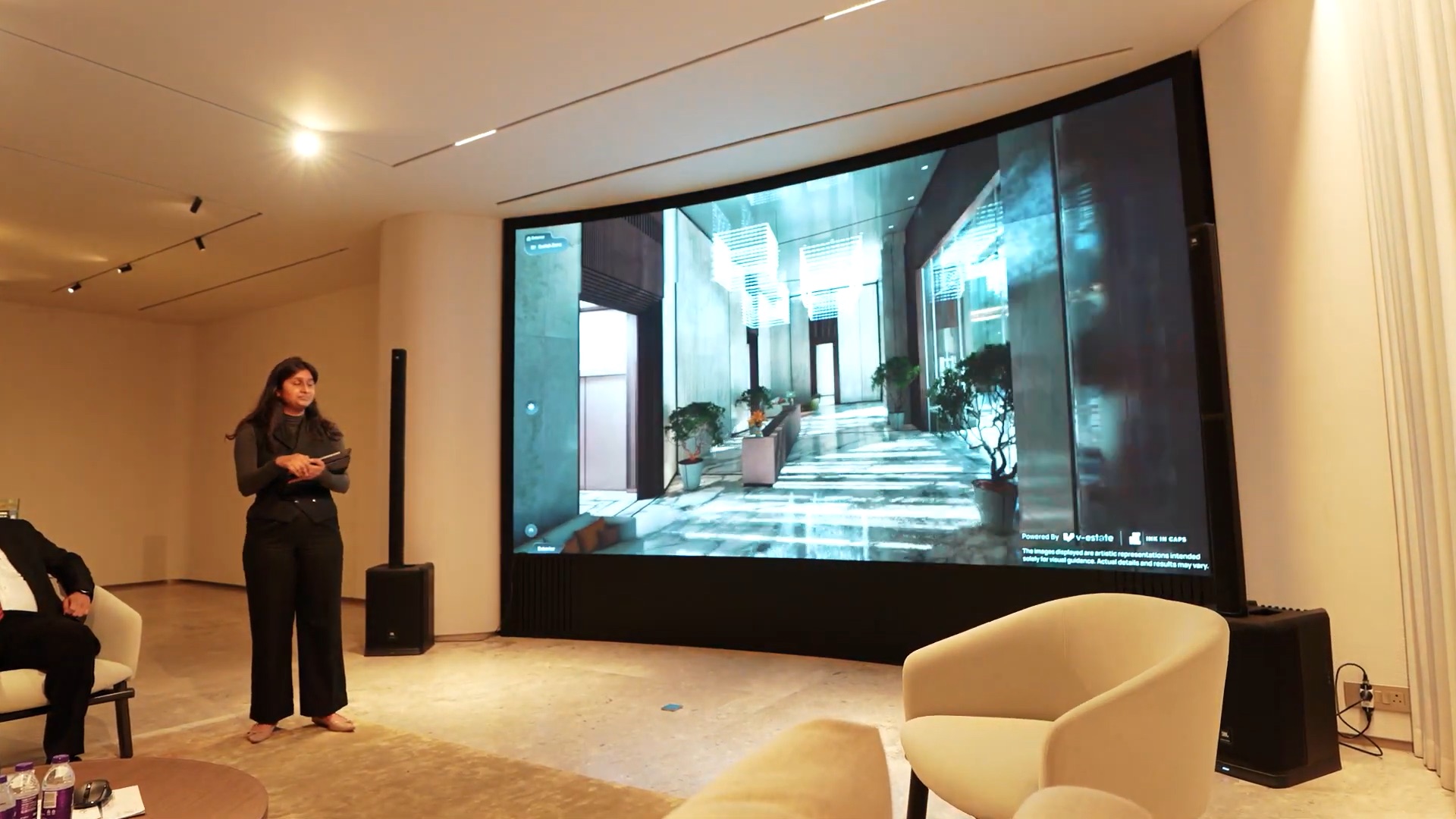
Imagine if your potential buyers could control their entire property exploration experience. What if they could adjust the lighting to see how their future home looks during their favorite time of day? What if they could change wall colors to match their personal style or swap furniture to see what fits best?
A real estate interactive sales tool can transform passive property viewing into active participation, allowing buyers to explore and personalize the property around their preferences.
They develop a sense of ownership before making the purchase. Customization creates investment in the outcome. Interactive experiences increase time spent evaluating the property. Personalization helps buyers overcome common objections and concerns.
Photorealistic 3D environments can show minute details that physical show flats often miss. Buyers can experience the exact view from their bedroom window, understand how natural light flows through the space throughout the day, and even see how weather changes affect the ambiance.
How Customization Helps Answer Buyer Objections
Traditional property sales face several conversion barriers. Buyers often can't visualize the final product, especially in under-construction projects. They struggle with spatial relationships and room functionality. Distance from the property location creates additional friction. Limited time during site visits pressures decision-making.
Customizable experiences address each of these challenges systematically. Interactive virtual tours eliminate geographical constraints, allowing buyers to explore properties multiple times from anywhere. Dynamic customization features help buyers understand spatial relationships and room functionality. Detailed amenity showcases and neighborhood mapping provide comprehensive lifestyle context.
When buyers can see nearby facilities, upcoming infrastructure projects, and connectivity options, they gain confidence in their investment decision. This comprehensive view reduces uncertainty and accelerates the buying process.
How Buyer Participation Creates a Sense of Ownership

The most successful property sales happen when buyers emotionally invest in the space before signing contracts. Interactive customization creates this investment by allowing buyers to make the space their own, even before purchase.
Weather and lighting controls add another layer of emotional engagement. Buyers can see their morning coffee ritual with sunrise streaming through the windows or envision cosy winter evenings with warm interior lighting. This type of interactive visualisation can also be seen at the Runwal Raaya experience centre, where buyers can explore layouts, finishes and different views more clearly.
Weather and lighting controls add another layer of emotional engagement. Buyers can see their morning coffee ritual with sunrise streaming through the windows or envision cozy winter evenings with warm interior lighting. These experiences create powerful emotional anchors that drive purchasing decisions.
How Customizable Experiences Support Real Estate Sales

Developers implementing customizable buyer experiences report significant improvements across multiple metrics. Lead conversion rates increase because qualified prospects spend more time engaging with properties. Customer satisfaction scores improve due to better-informed purchasing decisions. Sales cycles accelerate as buyers gain confidence faster.
Reduced post-sale regret leads to stronger referral networks and positive reviews. When buyers feel confident about their purchase, they become enthusiastic advocates for both the property and the developer.
How Developers Can Implement Buyer Customization
Successfully implementing customizable buyer experiences requires strategic thinking about the entire customer journey. Start by identifying your buyers' primary pain points and concerns. Map out their decision-making process and identify moments where customization can add the most value.
Integration with existing sales processes is crucial for success. Train your sales team to leverage interactive features effectively. Use customization data to understand buyer preferences and tailor follow-up communications accordingly.
Create seamless transitions between virtual exploration and the real estate experience center. Insights from digital customization sessions can help sales teams prepare more relevant physical presentations around the buyer's interests and preferences.
What Developers Should Measure
Track engagement metrics to understand which customization features resonate most with your buyers. Monitor time spent in virtual environments, feature usage patterns, and correlation between interaction levels and conversion rates.
Use buyer feedback to continuously refine and expand customization options. Pay attention to frequently requested features and common points of confusion. This data becomes invaluable for improving both current projects and future developments.