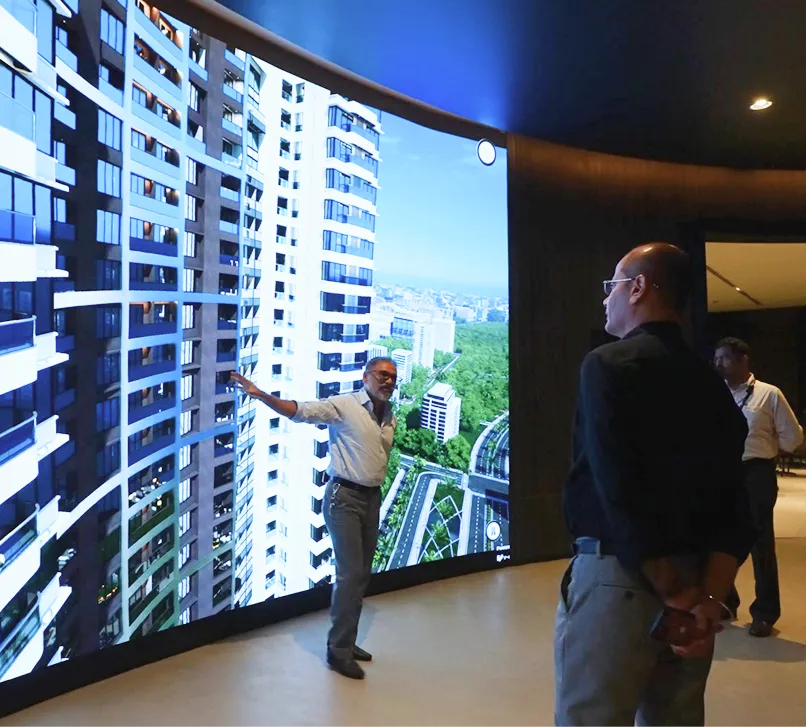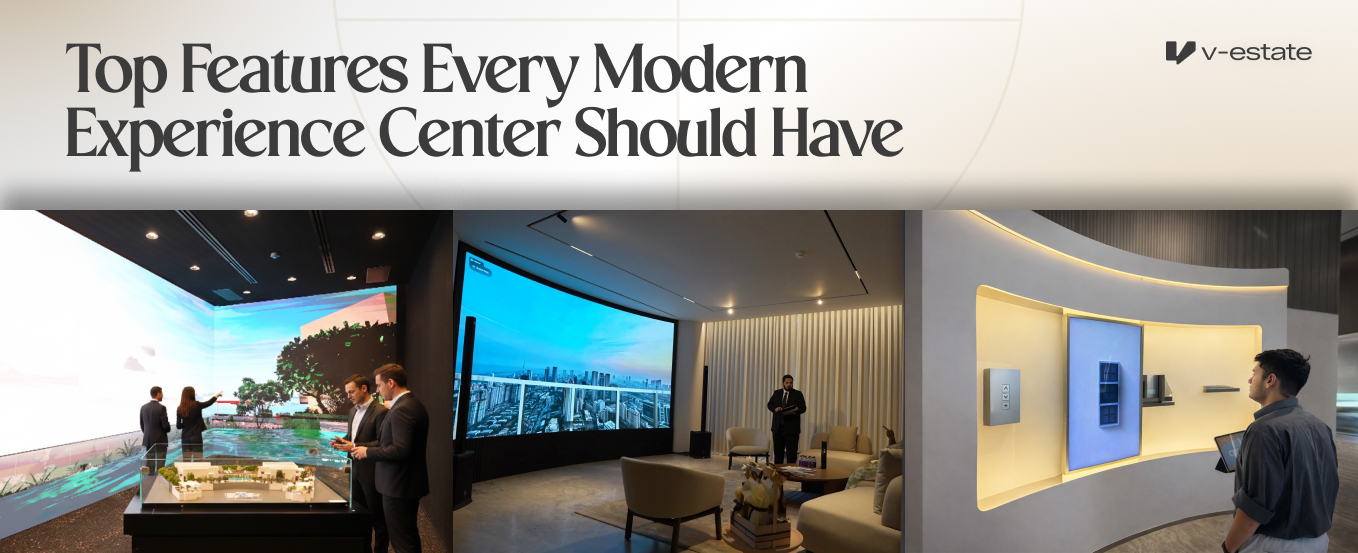
Experience centers in real estate have moved from novelty to necessity. Buyers expect more than a dressed room and a sales pitch. They expect to experience the product — specifically, accurately, and on their terms.
For developers and marketing heads building or upgrading experience centers, the feature list matters. Not every technology adds commercial value. The features worth investing in are the ones that directly influence buyer confidence, reduce objection, and accelerate commitment.
Here is what a modern, high-converting experience center actually needs.
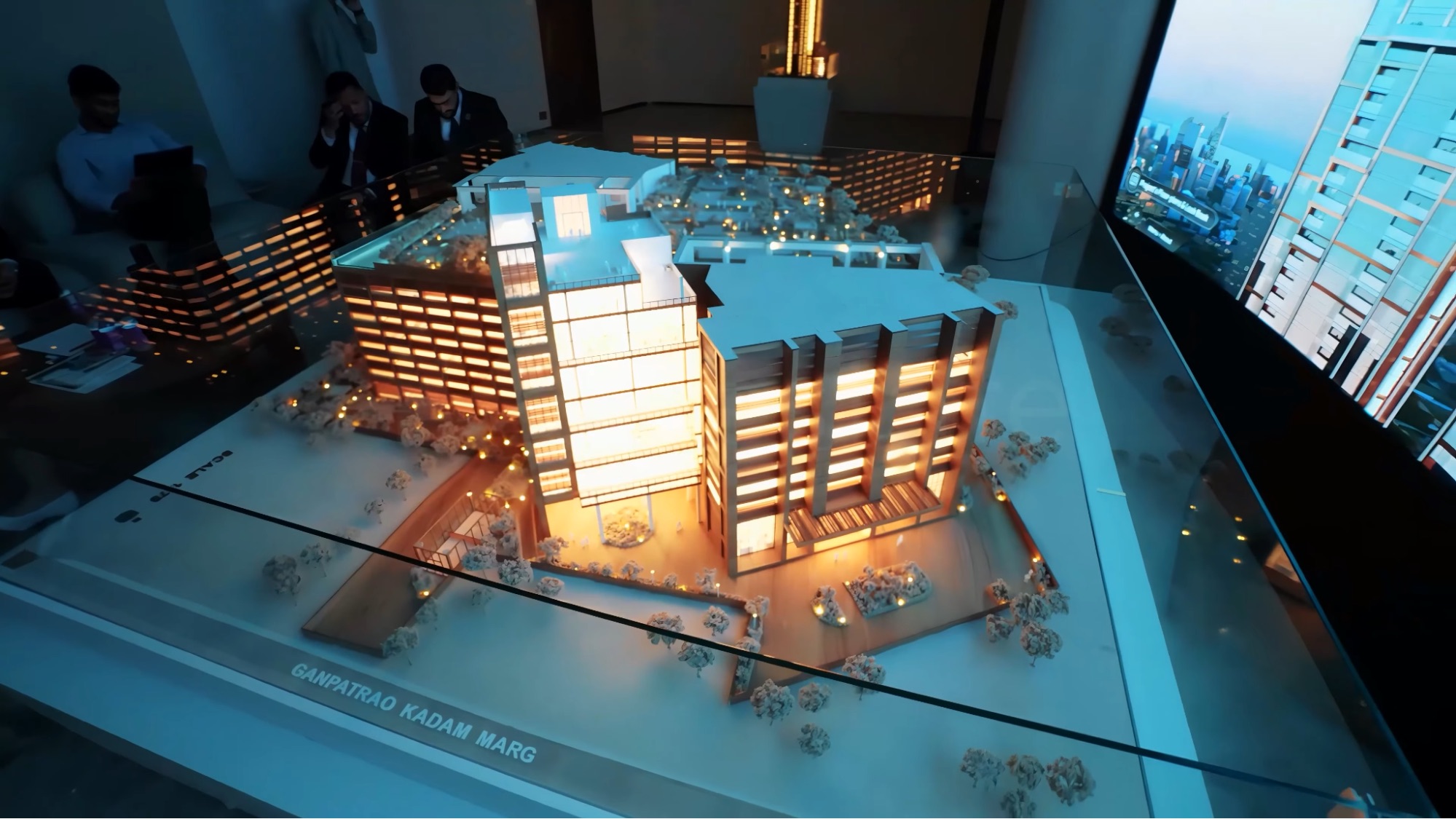
Photorealistic 3D Virtual Show Flats
This is the foundation. Everything else in the experience center sits on top of this.
A photorealistic virtual show flat is not a rendered video or a 360-degree photograph. It is a spatially accurate, navigable, lifelike representation of the finished unit — complete with material finishes, proportional accuracy, and natural light behaviour.
Buyers should be able to stand inside a unit that does not yet exist and experience it as if it does. That capability is the single most important trust-building tool available in under-construction sales.
V-estate delivers this at a level of detail that includes how the view outside a specific window looks when a buyer is seated — not standing at the glass, but sitting in the space, at living height. That specificity is what separates credible visualisation from marketing imagery.
Dynamic Lighting and Weather Simulation
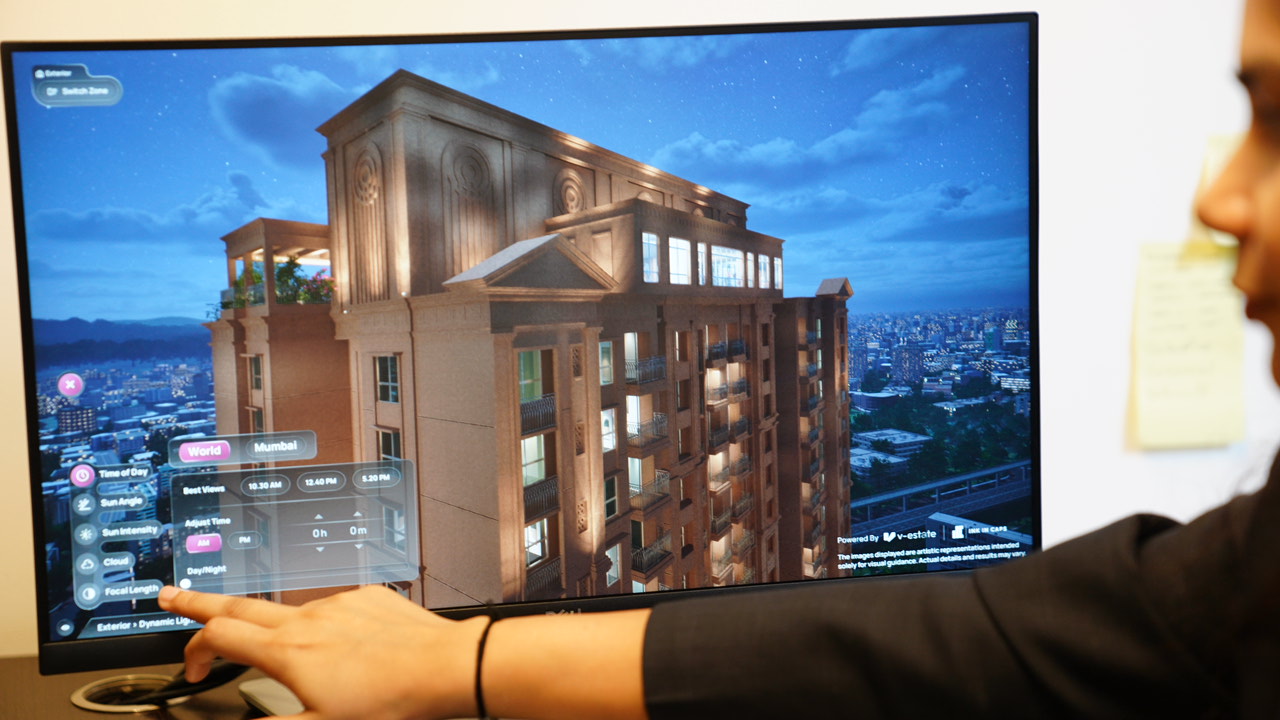
Light transforms a property. A flat that feels expansive at noon can feel entirely different at 7 AM or 6 PM. Buyers know this, even if they do not articulate it directly.
Dynamic lighting simulation — cycling through different times of day, different seasons, different weather conditions — answers the questions buyers are forming silently during every site visit.
This feature removes one of the most common sources of post-possession disappointment: the buyer who expected a bright morning flat and received something darker than anticipated. That disappointment begins in the sales process when the right information is not presented. Dynamic simulation prevents it.
Real-Time Finish and Furniture Customisation
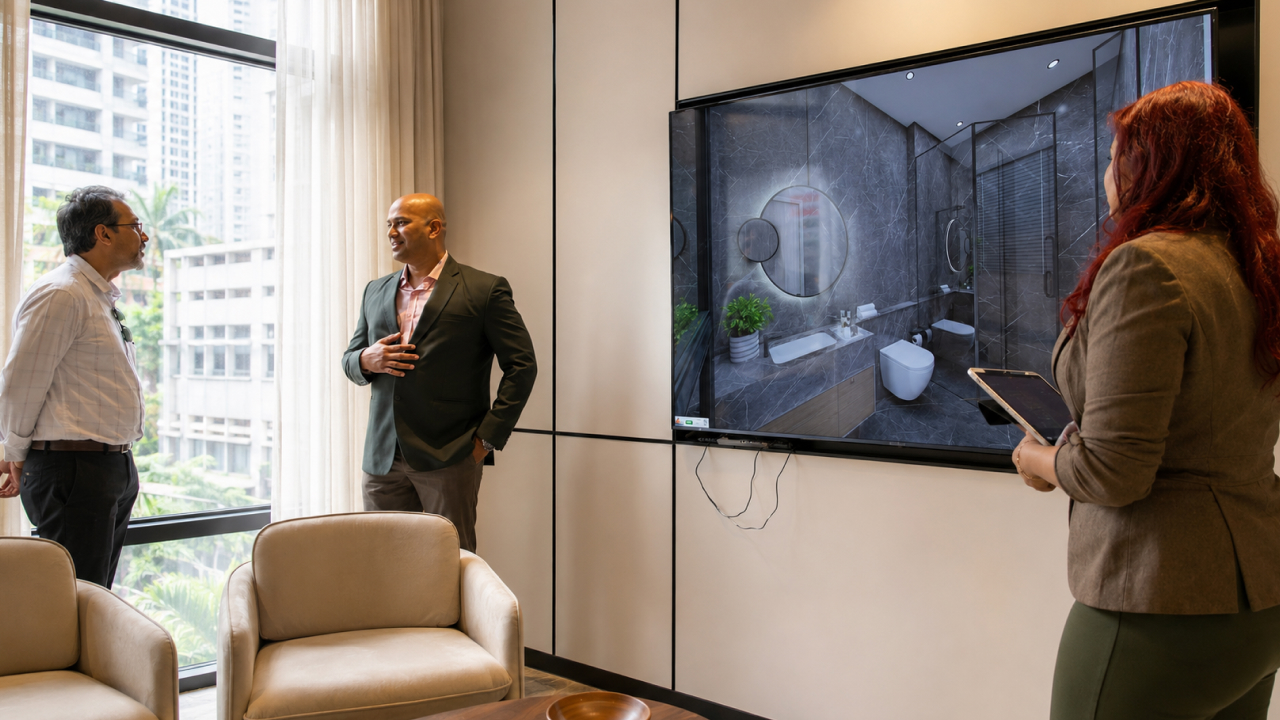
Buyers need to feel ownership before they commit. Real-time customisation — wall colours, flooring, furniture selection, fixture options — creates that sense of ownership during the sales conversation itself.
This is not decoration. It is conversion strategy. When a buyer has spent time building their version of the home inside your experience center, leaving without booking feels like walking away from something already theirs.
The psychological weight of that moment is significant. Developers who enable it are using one of the most effective conversion tools available — and most are not using it.
Unit-Specific Window View Simulation

Generic landscape visuals do not close buyers who are evaluating specific units. A buyer considering flat 1502 needs to see what flat 1502 looks like — not what the project looks like from a marketing angle.
Unit-specific window view simulation presents the actual view from a named unit at a named elevation. This is among the most conversion-critical features for under-construction projects where the view is a premium factor and buyers cannot verify it through a physical site visit.
V-estate delivers this with the specificity developers need — including seated perspective, which reflects how buyers actually experience their view in daily life.
Amenity Showcase with Spatial Walkthrough
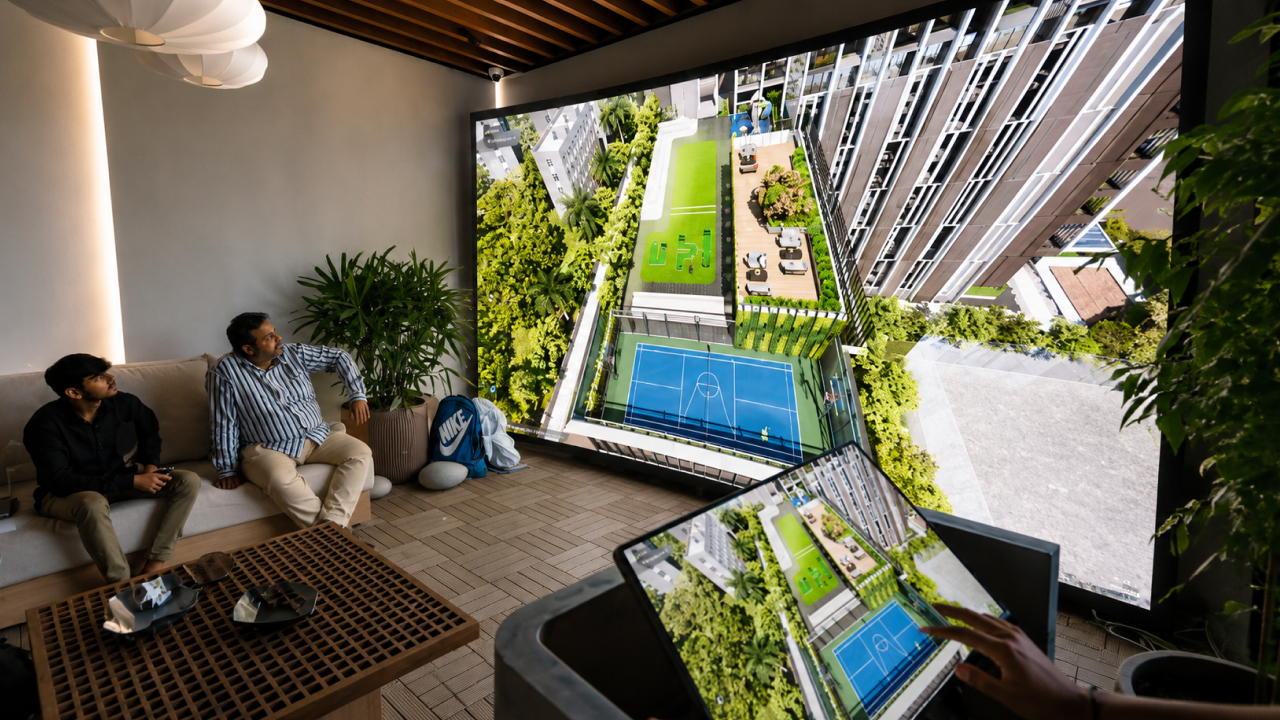
Amenities are a major component of price justification in premium and mid-premium projects. Clubhouses, pools, co-working zones, and landscaped areas need to be experienced, not described.
A spatial amenity walkthrough inside the experience center lets buyers move through amenity spaces before they are built. They understand the scale, the quality, and the lifestyle proposition at a level no brochure can replicate.
For projects where the amenity ecosystem is a primary differentiator, this feature is directly tied to price realisation.
Neighbourhood and Connectivity Mapping
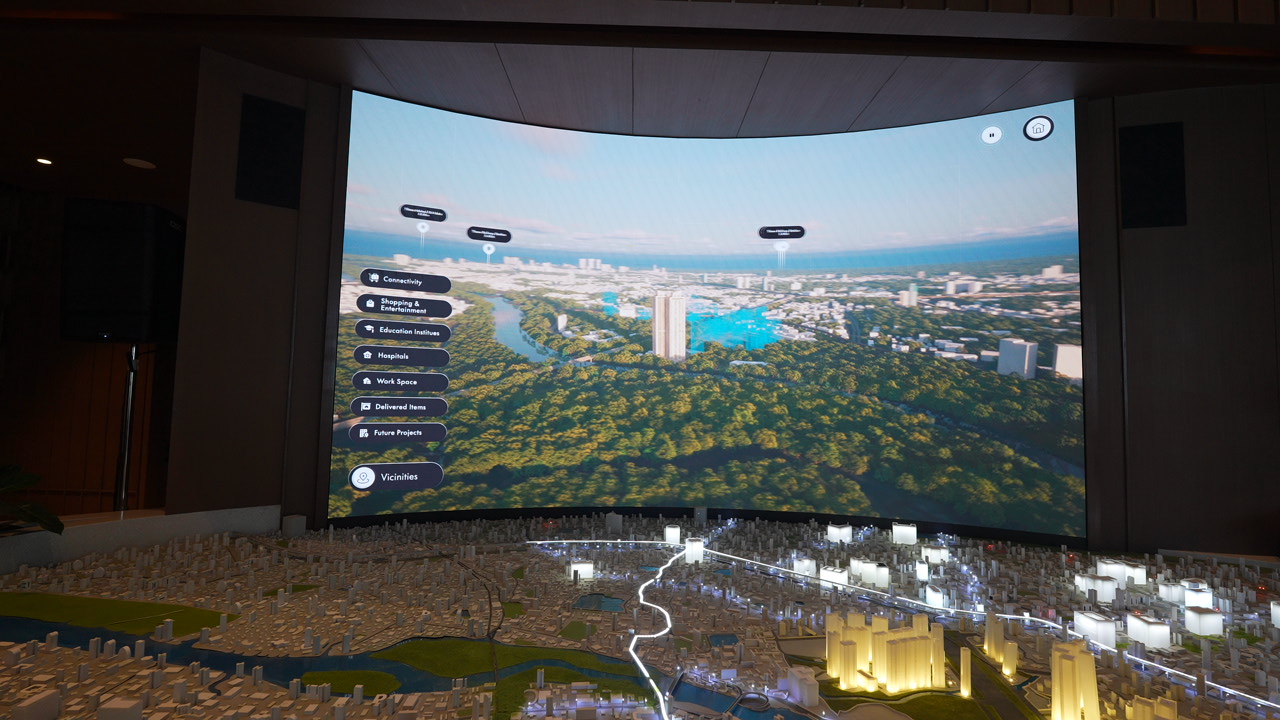
Location confidence is a prerequisite for commitment in most purchase decisions. Buyers need to understand not just where the project is, but what life near it looks like — today and in five years.
A comprehensive neighbourhood mapping feature covers current infrastructure — roads, schools, hospitals, transit, retail — alongside upcoming development mapped to timelines.
This is transparency presented as a selling tool. Developers who can show buyers the full neighbourhood story — including areas that are still developing — signal confidence in their product and their location. That signal converts.
Offline, In-Centre Controlled Environment
This is a feature that is often overlooked because it is structural rather than technological. The experience center works because it is offline and controlled.
There are no competing tabs. No distraction from alternative listings. No interruption from push notifications. The buyer's full attention is on your product, inside an environment your team has designed to present it at its best.
V-estate is not an online tool. It is purpose-built for the physical sales environment — for the moment of maximum buyer engagement, when your sales team has a captive conversation and a decision is achievable.
Online tools spread attention. Offline experience centers focus it.
Sales Team Integration and Guided Journey Structure
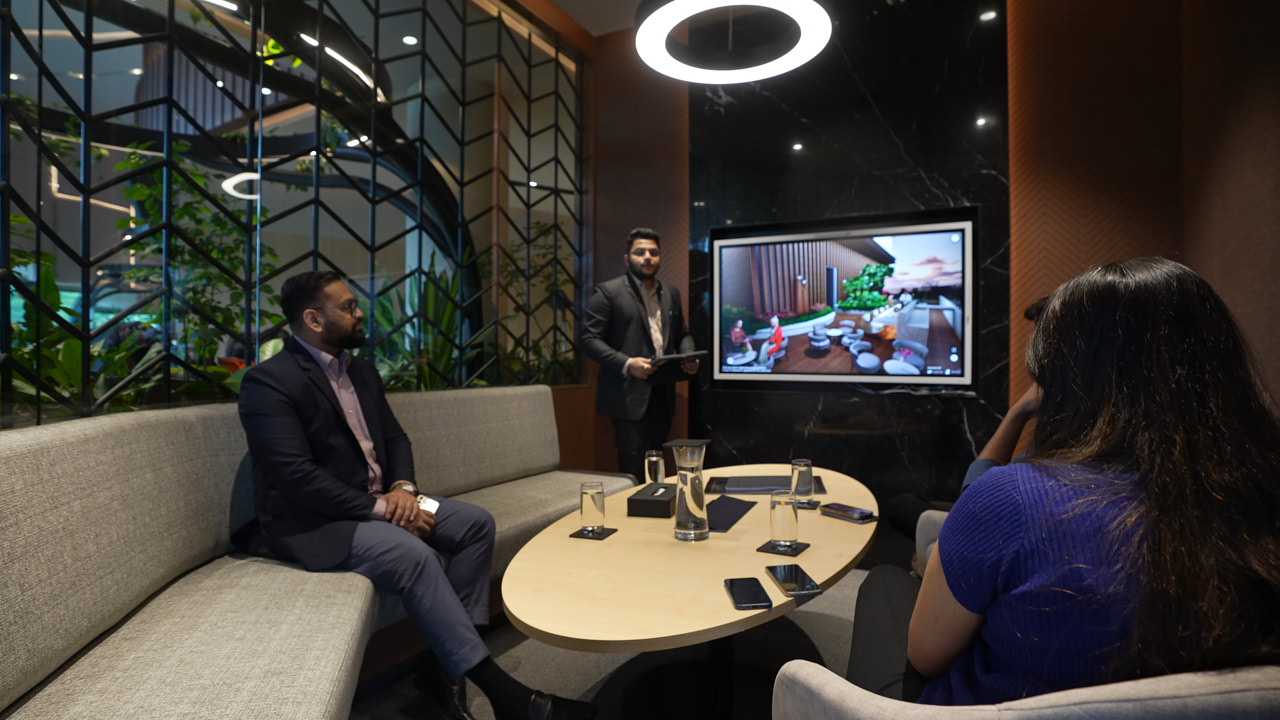
Technology in an experience center is only as effective as the sales process built around it. The best-equipped experience center with an untrained sales team will underperform.
Features should be structured around a guided journey — a deliberate sequence that moves buyers from orientation to aspiration to specificity to commitment. V-estate's in-centre experience is designed around this journey structure, giving sales teams a framework for the conversation rather than a technology demo to manage.
The experience center is sales infrastructure. It should make your team more effective, not more distracted.
The Investment Case for Getting Features Right
Developers who build experience centers with the right feature set report measurable commercial outcomes. Conversion rates improve. Sales cycles shorten. Discount dependency falls. Referral quality increases because buyers who experienced the product accurately refer with genuine conviction.
The features listed here are not aspirational extras. They are the functional requirements of a modern property sales environment — one built for buyers who expect clarity, specificity, and respect for their decision-making process.
An experience center that delivers on these requirements does not just present your project better. It closes it.
.jpg)
%20(1).jpg)