.jpg)
Real estate developers are facing a fundamental challenge that's costing them millions in lost revenue. Traditional property marketing methods are failing to connect with today's tech-savvy buyers, resulting in longer sales cycles, higher marketing costs, and frustrated customers who can't truly visualize their future homes.
The problem runs deeper than most developers realize. Potential buyers spend months visiting multiple properties, struggling to imagine how spaces might look with their personal touches, or how the morning sunlight would filter through their bedroom windows. This disconnect between expectation and reality leads to hesitation, extended decision-making periods, and ultimately, lost sales.
The Hidden Cost of Traditional Property Marketing
Every day that a property sits unsold represents mounting costs for developers. Marketing expenses continue to accumulate, construction loans accrue interest, and opportunity costs multiply. Meanwhile, potential buyers become overwhelmed by the sheer number of properties they need to physically visit to make an informed decision.
Traditional property showcasing methods create several pain points:
Time-intensive property visits that often disappoint buyers when reality doesn't match their imagination
Limited visualization capabilities that fail to help buyers connect emotionally with spaces
Scheduling conflicts that delay the sales process and frustrate both buyers and sales teams
Geographic limitations that prevent out-of-town buyers from properly evaluating properties
Inability to showcase future amenities and neighborhood developments that could influence purchasing decisions
How Virtual Property Technology Transforms Lead Generation
The real estate industry is experiencing a technological revolution that's fundamentally changing how properties are marketed and sold. Virtual property technology addresses each of these challenges while simultaneously improving lead quality and quantity.
Interactive virtual experiences allow potential buyers to explore properties at their own pace, from anywhere in the world. This accessibility dramatically expands the pool of qualified prospects while reducing the time and resources required for initial property evaluations.
When buyers can virtually walk through a property, customize finishes, and visualize different lighting conditions, they develop a stronger emotional connection to the space. This emotional engagement translates directly into higher-quality leads who are more likely to convert into actual sales.
The Science Behind 3x Lead Generation
Recent industry analysis reveals that virtual property technologies are generating up to three times more qualified leads than traditional marketing methods. This dramatic improvement stems from several key factors:
Enhanced Engagement Metrics: Virtual property tours keep visitors engaged for significantly longer periods than static images or videos. Extended engagement time correlates directly with purchase intent, meaning these leads are more likely to convert.
Geographic Reach Expansion: Virtual technology eliminates geographic barriers, allowing developers to attract buyers from distant locations who might never have considered visiting the property in person. This expanded reach naturally increases the total number of potential buyers.
Self-Qualification Process: When buyers spend time customizing virtual spaces and exploring different options, they're essentially qualifying themselves. Only genuinely interested prospects invest the time and effort required to fully engage with comprehensive virtual experiences.
Immersive Visualization Drives Decision-Making
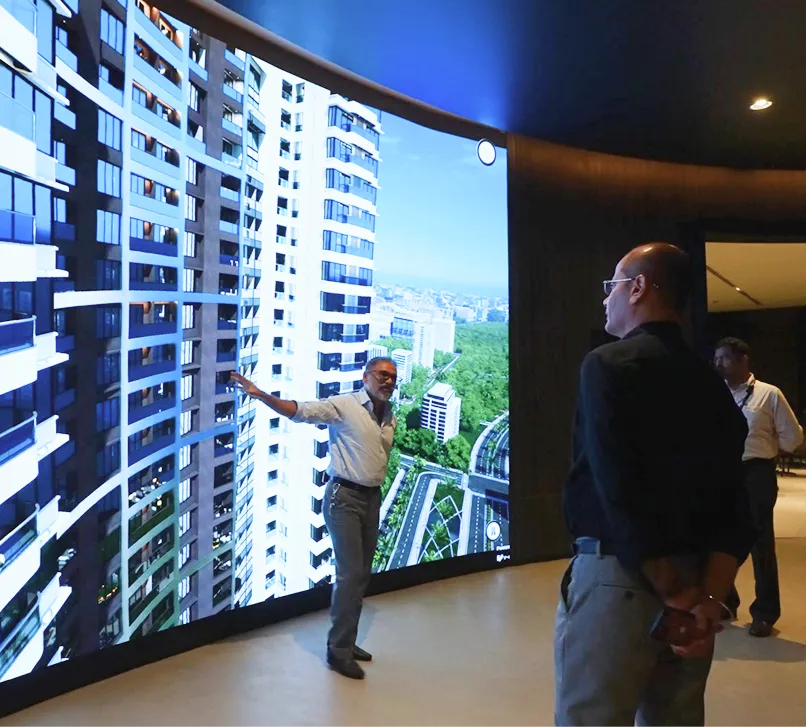
Photorealistic 3D environments create unprecedented opportunities for buyers to truly understand what they're purchasing. Unlike traditional property marketing that relies on buyers' imagination, virtual technology provides concrete, detailed visualizations that eliminate uncertainty.
Consider the difference between telling a buyer about a "stunning city view" versus allowing them to virtually sit in the living room at sunset, watching the city lights twinkle to life outside their future window. The emotional impact of the latter experience is incomparably stronger and more likely to drive purchasing decisions.
Dynamic customization capabilities allow buyers to experiment with different interior design options, paint colors, and furniture arrangements. This hands-on approach transforms passive browsers into active participants in the property exploration process.
Addressing the Connectivity Question
Modern buyers don't just purchase properties; they invest in lifestyles and communities. Virtual property technology addresses this holistic approach by showcasing not just the property itself, but the entire ecosystem surrounding it.
Comprehensive area mapping demonstrates proximity to schools, shopping centers, transportation hubs, and recreational facilities. When buyers can visualize their daily commute or weekend activities, they're more likely to see the property as their future home rather than just another option to consider.
Future development visualization allows developers to showcase planned amenities and community improvements that might not be immediately visible during physical property visits. This forward-looking perspective helps buyers understand the long-term value proposition of their investment.
Streamlining the Sales Process
Virtual property technology doesn't just improve lead generation; it streamlines the entire sales process. Qualified leads generated through virtual experiences arrive at physical property visits with a clear understanding of what they want to see and discuss.
Sales teams report that buyers who've engaged with virtual property experiences ask more informed questions, require less basic explanation, and move through the decision-making process more efficiently. This efficiency translates into shorter sales cycles and higher closing rates.
Remote accessibility also means that initial property evaluations can happen at any time, from anywhere. Buyers can explore properties during lunch breaks, late evenings, or weekends, without requiring sales team availability or scheduling coordination.
The Competitive Advantage
Real estate developers who embrace virtual property technology gain significant competitive advantages in today's market. Early adopters are reporting not just improved lead generation, but enhanced customer satisfaction and reduced marketing costs.
Buyers increasingly expect sophisticated digital experiences in all aspects of their lives. Developers who provide cutting-edge virtual property experiences position themselves as forward-thinking, customer-focused organizations that understand modern buyer expectations.
Implementation Strategy for Maximum Results
Successfully implementing virtual property technology requires strategic planning and execution. Content quality remains paramount; poor-quality virtual experiences can damage brand reputation and reduce lead quality.
Integration with existing marketing channels ensures that virtual experiences complement rather than replace traditional marketing methods. The most successful implementations use virtual technology to enhance and amplify existing marketing efforts.
Staff training ensures that sales teams can effectively leverage virtual technology throughout the sales process, from initial lead qualification through final closing.
Virtual property technology represents more than just a marketing tool; it's a fundamental shift in how real estate developers connect with potential buyers. By providing immersive, interactive experiences that allow buyers to truly visualize their future homes, this technology is generating three times more qualified leads while simultaneously improving customer satisfaction and reducing sales cycles.
The developers who embrace this technology today will dominate tomorrow's market, while those who resist will find themselves increasingly disadvantaged in an evolving industry landscape.