.jpg)
Real estate developers today are caught in a frustrating cycle. You pour millions into creating stunning properties, but potential buyers struggle to truly visualize what you've built. Traditional marketing materials fall flat. Static images can't capture the essence of a space. Floor plans look like abstract puzzles to most people. And physical showrooms? They're expensive to build and maintain, yet they only show one possible version of what could be.
Meanwhile, your sales teams spend countless hours explaining layouts, describing views, and trying to help prospects imagine themselves in spaces that exist only on paper or in early construction phases. It's like trying to sell a symphony by humming a few notes.
When Technology Actually Solves Real Problems
The transformation happening in real estate isn't about flashy gadgets or tech for tech's sake. It's about solving genuine human problems that have plagued this industry for decades.
The Visualization Challenge Gets Real Solutions
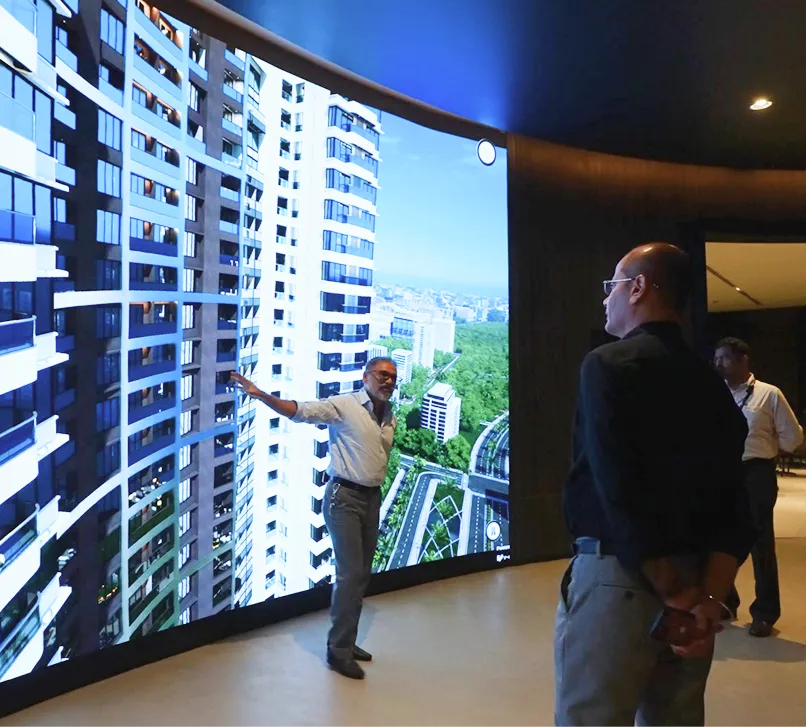
Today's most advanced real estate technology creates photorealistic 3D environments that don't just show properties—they let people experience them. These aren't the clunky, cartoon-like renderings from a few years ago. We're talking about spaces so detailed you can see how dust particles dance in afternoon sunlight streaming through specific windows.
Imagine offering your prospects the ability to sit virtually in their future living room and watch how the view changes from morning to evening. They can see exactly what their commute-home sunset will look like through their kitchen window. This level of detail transforms abstract square footage into emotional connection.
Personalization Beyond Surface Level
The technology revolution in real estate goes deeper than pretty pictures. Modern systems learn from user behavior, tracking which features matter most to different types of buyers. A young professional might spend more time exploring home office setups and nearby transportation links, while a growing family focuses on bedroom layouts and local schools.
This behavioral insight helps developers understand not just what people want, but how they make decisions. The data reveals patterns that traditional market research often misses.
The Remote Control Revolution
Perhaps the most significant shift is putting control directly into buyers' hands. Instead of scheduling appointments, coordinating with agents, and hoping the timing works out, prospects can explore properties whenever inspiration strikes them. Whether it's during lunch break, late at night, or while comparing options side-by-side, the property is always available.
This self-directed exploration creates a different type of engagement. People spend more time with properties they're genuinely interested in, and they come to sales conversations already educated and emotionally invested.
Beyond Virtual Tours: Complete Lifestyle Immersion
The most sophisticated platforms don't just show individual properties—they paint complete lifestyle pictures. Buyers can explore not just their potential home, but the entire ecosystem around it. They can virtually visit nearby restaurants, check out the view from local parks, and understand traffic patterns at different times of day.
This comprehensive approach addresses one of the biggest anxieties in property buying: the fear of not knowing what you're really getting into. When someone can experience the morning commute, the evening neighborhood atmosphere, and the weekend entertainment options, they make more confident decisions.
Customization That Actually Matters
Interactive customization tools let prospects see their personal style reflected in the space. They can swap paint colors, try different flooring options, and experiment with furniture arrangements. But the real magic happens when these choices stick with them throughout the decision process.
Instead of abstract discussions about "builder's grade finishes," prospects see exactly how their preferred aesthetic choices look in real lighting conditions. They develop ownership feelings before they've signed any papers.
The Developer's Competitive Edge
For real estate developers, this technology shift represents more than convenience—it's becoming essential for competitive survival. Projects that offer immersive, interactive experiences generate more qualified leads and convert prospects faster than traditional marketing approaches.
The data tells a clear story: people who spend time in immersive property experiences are more likely to make purchasing decisions, and they make them faster. The emotional connection formed through realistic visualization translates directly into sales momentum.
Weather, Lighting, and Seasonal Reality
One of the most overlooked aspects of property visualization is how spaces change throughout the day and across seasons. Advanced platforms now offer dynamic lighting controls, letting prospects see how their potential home looks during morning coffee, afternoon work-from-home sessions, and evening dinner parties.
Some systems even simulate seasonal changes, showing how the same space feels in bright summer months versus cozy winter evenings. This seasonal perspective helps people make more informed long-term decisions about spaces they'll inhabit year-round.
The Human Element Enhanced
Contrary to fears that technology might make real estate more impersonal, the opposite is happening. When prospects come to sales meetings already familiar with properties, conversations become more meaningful. Instead of basic orientation discussions, sales teams can focus on specific questions, concerns, and customization preferences.
This deeper engagement leads to stronger relationships and more satisfied customers who feel heard and understood throughout their buying journey.
Looking Forward
The real estate industry stands at a fascinating intersection of human emotion and technological capability. The most successful developers aren't just adopting new tools—they're rethinking how people connect with spaces and make life-changing decisions.
When technology truly works for real estate, it doesn't replace the human elements that make property buying meaningful. Instead, it amplifies them, creating richer experiences that help people make better decisions with greater confidence.
The future belongs to developers who understand that technology's real value lies not in impressive features, but in solving genuine human problems and creating emotional connections that turn prospects into satisfied homeowners.