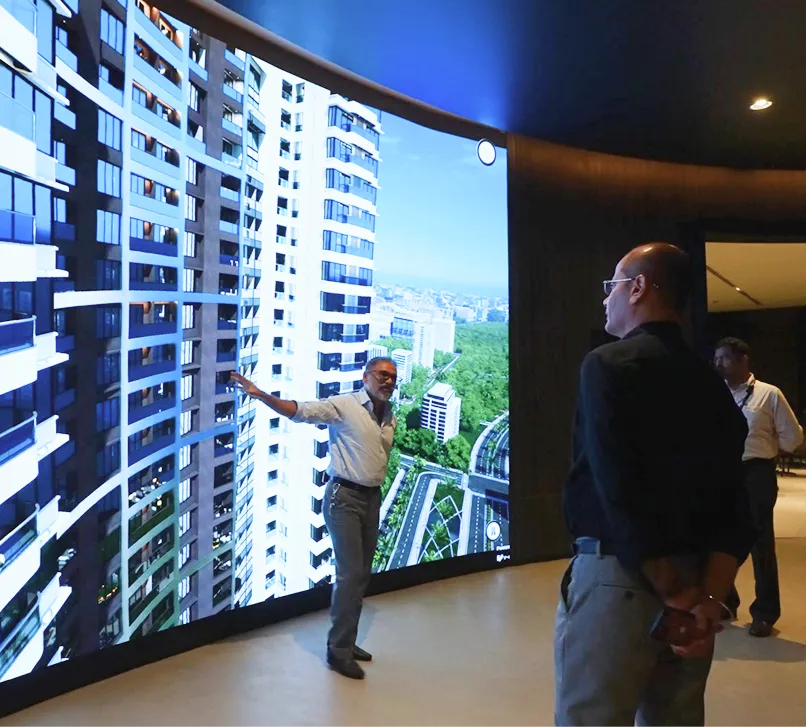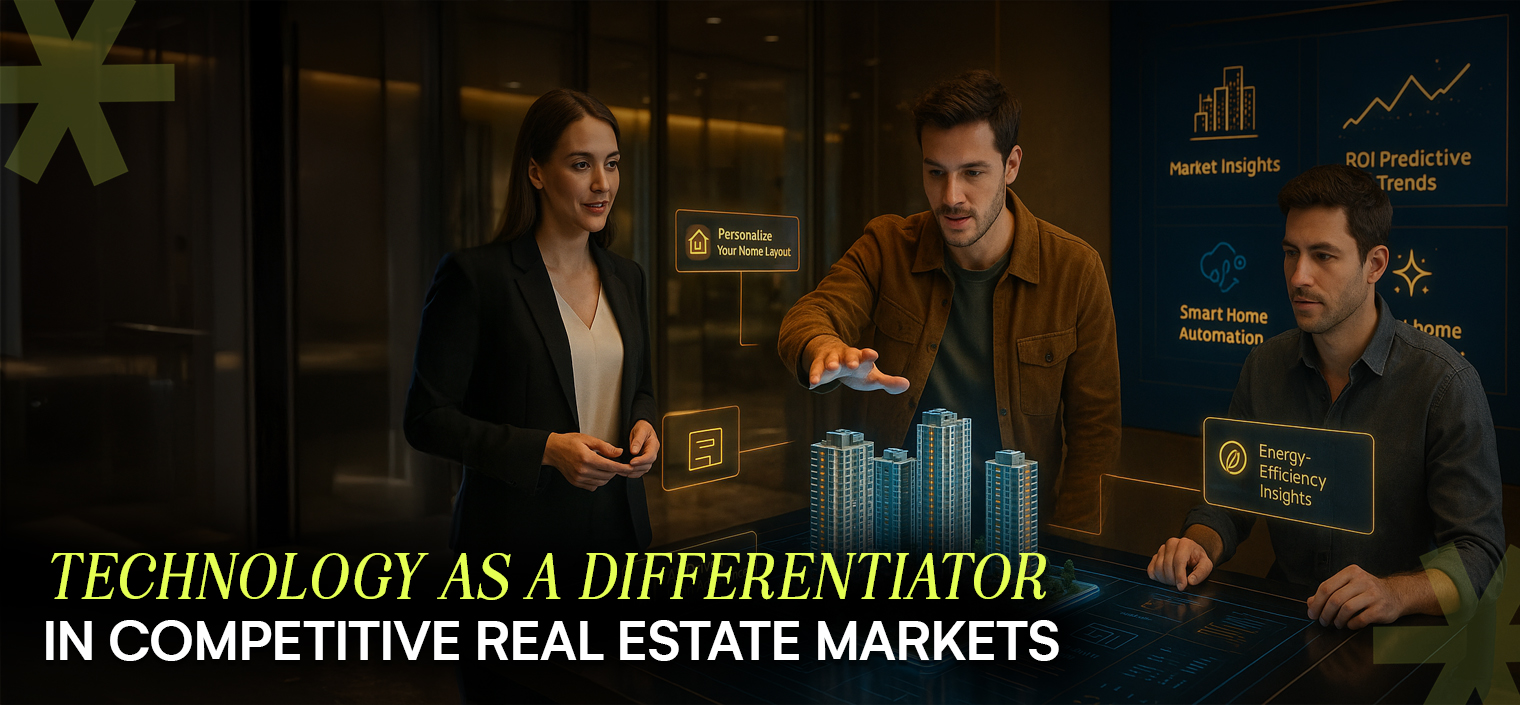
The real estate industry faces an unprecedented challenge. Buyers are becoming increasingly sophisticated, demanding instant access to information and immersive experiences before making purchasing decisions. Traditional marketing methods—static photos, lengthy site visits, and paper-heavy processes—no longer meet modern expectations. How can real estate developers stay ahead in this rapidly evolving landscape?
The answer lies in strategic technology adoption that transforms every touchpoint of the customer journey.
The Growing Expectations Gap
Today's property buyers arrive armed with smartphones, extensive online research, and zero patience for outdated sales processes. They expect to explore properties remotely, visualize customization options instantly, and make informed decisions without multiple site visits. Yet many developers continue relying on conventional showrooms and printed brochures, creating a disconnect that drives potential customers to tech-savvy competitors.
This expectation gap isn't just about convenience—it's about trust. When buyers can't fully understand what they're purchasing, doubt creeps in, leading to longer sales cycles and higher drop-off rates.
Smart Home Technology: Beyond Basic Amenities
Internet of Things (IoT) integration has evolved from luxury to necessity. Modern buyers don't just want four walls and a roof; they want homes that respond intelligently to their lifestyle needs. Smart security systems, automated lighting controls, and energy management solutions have become standard expectations rather than premium add-ons.
Developers who integrate these technologies from the planning stage create properties that command higher prices and attract quality buyers willing to pay premiums for future-ready homes. The key lies in demonstrating these features effectively during the sales process, allowing prospects to experience the technology firsthand rather than simply describing its benefits.
Immersive Visualization: Bridging Imagination and Reality
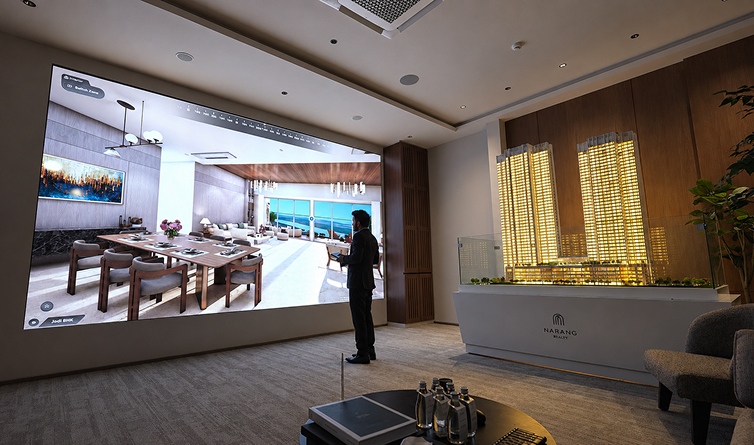
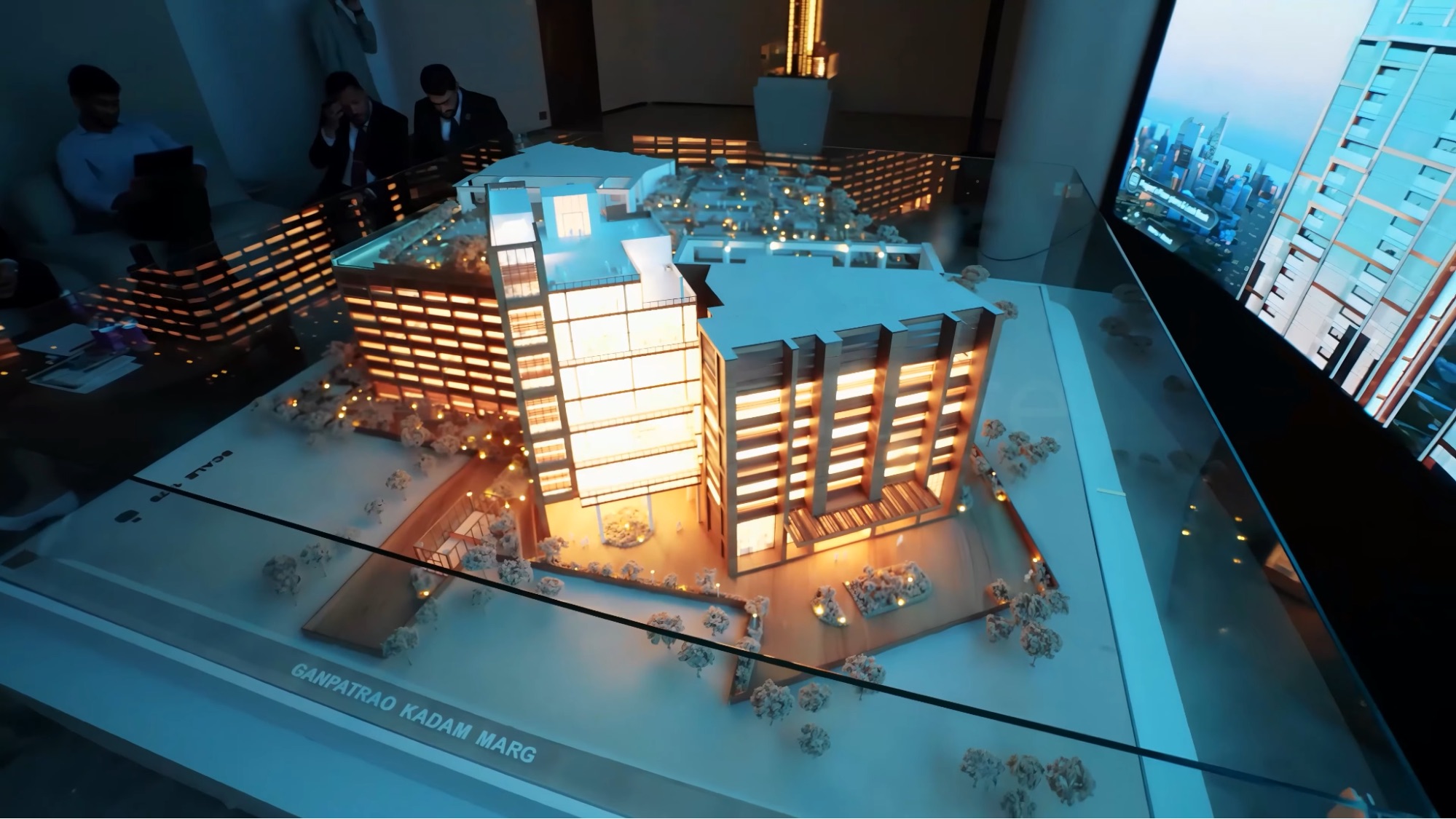
Interactive sales tools address one of real estate's biggest challenges—helping buyers visualize their future home. Traditional floor plans and architectural renderings leave too much to imagination, often resulting in disappointed customers and costly changes post-purchase.
Streamlined Property Buying Experience becomes possible when the entire journey consolidates into a single, immersive platform. Instead of juggling multiple touchpoints—brochures, site visits, separate amenity tours—buyers navigate everything seamlessly in one interface.
Customer-Controlled Exploration transforms how properties are presented. Buyers receive remote control over their property exploration experience, deciding exactly what they want to examine and how detailed they want their visualization to be. This autonomy builds trust and eliminates pressure-driven sales tactics.
Photorealistic 3D Virtual Showflats create lifelike property representations showing minute details—including the exact view outside their window when they sit to enjoy their evening coffee. This precision eliminates guesswork about daily living experiences and builds genuine buyer confidence.
Immersive Virtual Property Tours extend beyond the unit itself. Comprehensive amenity showcases map nearby facilities, current developments, and upcoming projects, giving customers clear understanding of connectivity, convenience, and lifestyle options available around their potential home.
Complete Customization Control allows buyers to visualize their dream home down to the last detail. They can modify interior elements, experiment with different arrangements, and see how various choices affect their living space—all while maintaining control over their exploration pace and focus areas.
Blockchain: Securing Trust in Transactions
Blockchain technology tackles real estate's longstanding issues with fraud, paperwork delays, and transaction transparency. Smart contracts automate various processes—from initial agreements to final transfers—reducing human error and accelerating deal closures.
For developers, blockchain creates competitive advantages through faster, more secure transactions that appeal to tech-forward buyers. The transparency inherent in blockchain systems builds trust, particularly important for high-value property purchases where buyers need confidence in every transaction detail.
Measuring Real Business Impact

Lead Conversion Rates improve significantly when buyers can fully understand properties before visiting. Interactive visualization eliminates unqualified prospects while strengthening serious buyer interest.
Customer Retention increases when buyers feel confident about their purchase decisions. Detailed visualization reduces post-purchase surprises and buyer remorse.
Sales Cycle Acceleration occurs when buyers can explore, customize, and decide remotely. Multiple physical site visits become unnecessary, saving both developer resources and customer time.
Future-Proofing Your Development Business
Technology adoption in real estate isn't just about current competitive advantages—it's about building sustainable businesses that adapt to evolving market conditions. Developers who embrace technological innovation create foundations for long-term growth while those who resist risk obsolescence.
The companies thriving in today's market share common characteristics: they prioritize customer experience, leverage data for decision-making, and continuously adapt their technology stack to meet changing needs.
Success in competitive real estate markets increasingly depends on how effectively developers use technology to create superior customer experiences while optimizing operational efficiency. The question isn't whether to adopt new technologies, but how quickly you can implement solutions that differentiate your properties and streamline your processes.
The future belongs to developers who view technology not as an expense, but as an investment in customer satisfaction and business growth.