.jpg)
In today’s high-stakes real estate market, developers face a persistent challenge: how to stand out while shortening sales cycles. Traditional marketing reliant on flat brochures and static renders often fails to capture the "soul" of a project. When buyers cannot visualize their future, they hesitate.
The solution is strategic visualization. This approach moves beyond simple pictures, transforming dry architectural concepts into immersive, emotionally resonant experiences that bridge the gap between a blueprint and a buyer’s commitment.
.jpg)
Building Internal Momentum Through Visual Clarity
Successful projects start with internal alignment. When your marketing, sales, and development teams work from the same visual foundation, the project gains momentum.
Creating Universal Understanding Across Teams
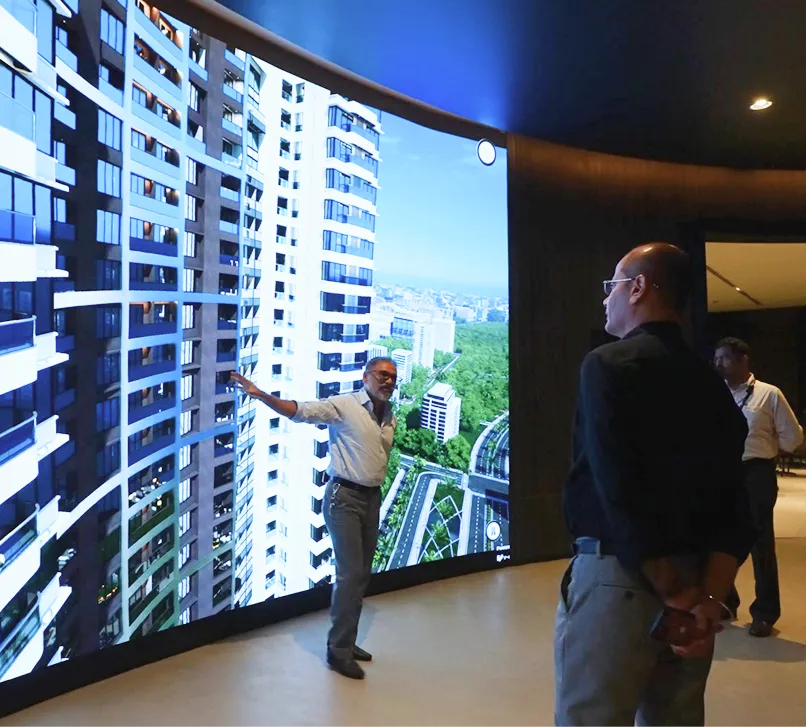
When complex floor plans are converted into interactive sales presentations real estate teams can use, decision-making accelerates. Investors and project managers no longer have to "interpret" technical drawings; they can see the value immediately. This clarity allows marketing to build campaigns with confidence and sales teams to demonstrate value rather than just describing it.
Streamlining Communication Between Departments
Visual documentation acts as a single source of truth. It eliminates the misinterpretations that occur when different departments rely on lengthy written specs. By using a unified visual reference, developers reduce the project delays and cost overruns that typically eat into profit margins.
Transforming Development Concepts Into Market-Ready Products
Visualization is a powerful tool for refinement. It allows developers to "test-drive" a building before a single brick is laid.
Accelerating Design Validation
Interactive 3D models allow teams to test lighting, spatial flow, and material choices early. Identifying a design flaw in a digital twin costs thousands; fixing it in a physical building costs millions. This capability allows for rapid experimentation without the risk of physical construction.
Minimizing Expensive Revisions
When stakeholders experience a space virtually, their feedback is more precise. This prevents the "I didn't think it would look like this" moment that often occurs at the end of a project.
Insight from the Field: A luxury developer used high-fidelity 3D modeling to realize that a planned structural pillar partially blocked the sea view in their flagship penthouse. By identifying this during the design phase, they relocated the support, saving an estimated ₹60 Lakhs in potential rework and protecting the unit’s premium market value.
Connecting With Modern Property Buyers
Today’s buyers are sophisticated; they demand more than a static image. They want to see how their daily routine fits into a home.
Creating Emotional Connections Through Experience
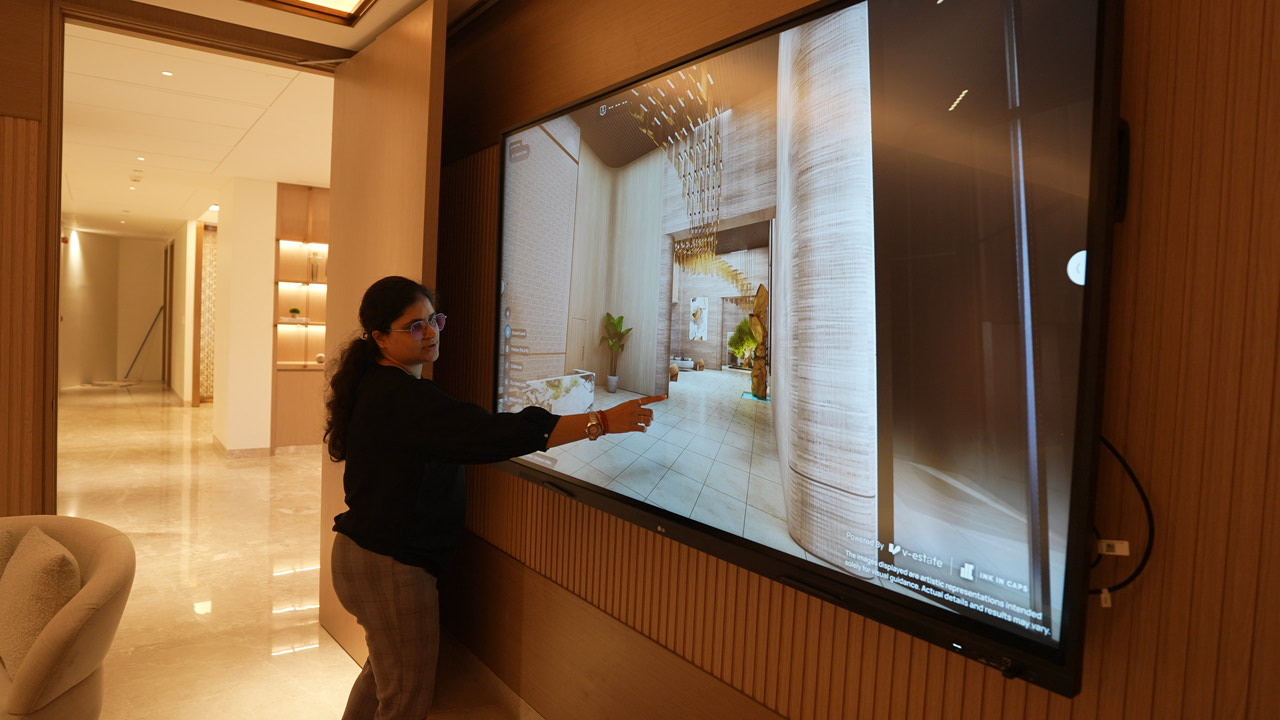
Buyers decide with emotion and justify with logic. When a prospect uses interactive real estate sales tools to watch the morning sun hit their bedroom or visualize a dinner party in the open-plan lounge, they form an emotional bond. This personalized exploration creates a much stronger connection than a standard sales pitch.
Addressing Geographic and Scheduling Constraints
With many buyers now looking for properties from different cities or countries, physical distance is a major barrier. Immersive digital experiences eliminate this hurdle, allowing international investors to evaluate a property thoroughly from their own home.
Implementing Effective Visualization Strategies
To be effective, visualization must be structured and goal-oriented.
Establish Clear Objectives: Know your audience. First-time buyers need education on features, while luxury investors focus on unique amenities and exclusivity.
Develop Comprehensive Narratives: Don't just show rooms; show how the property works. Demonstrate how spaces connect and how natural light changes throughout the day.
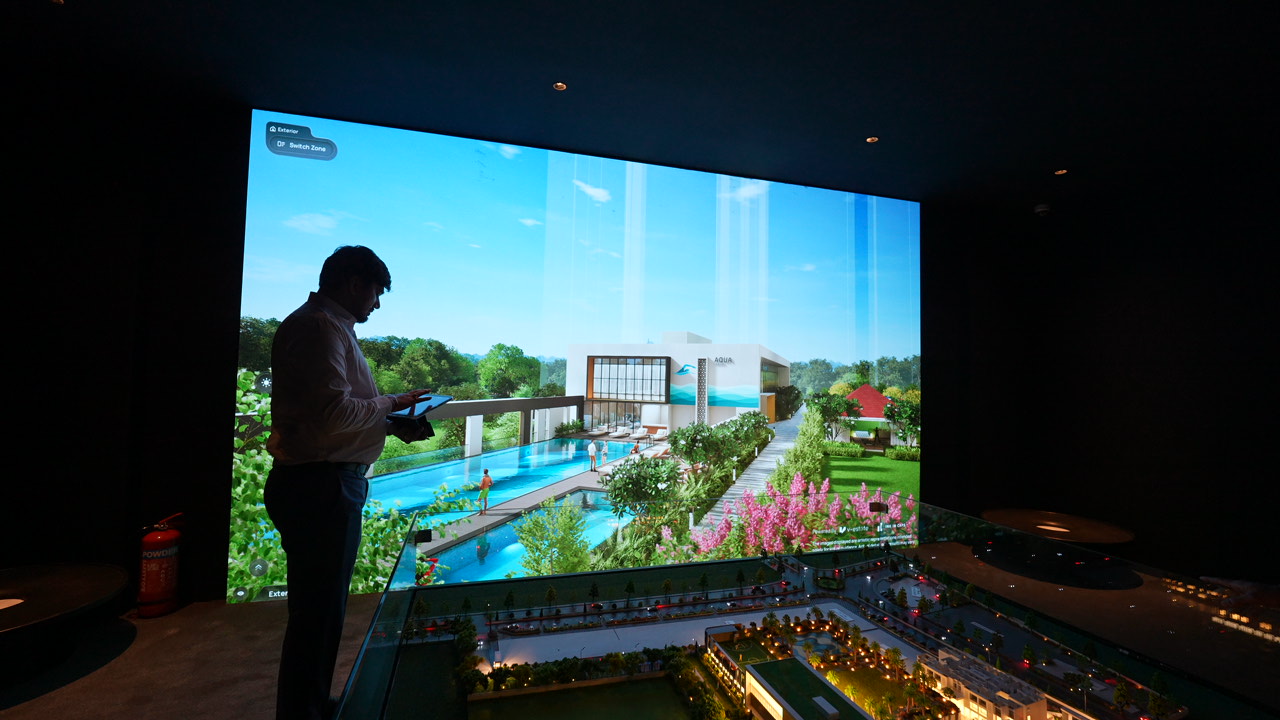
Measure Sales Impact: Modern real estate sales enablement software allows you to track which features buyers interact with most, providing data-driven insights for your next project.
.jpg)
Overcoming Common Implementation Challenges
The greatest challenge isn't the technology—it’s the adoption. Sales teams must be trained to use these tools strategically, not just as a "cool gadget," but as a consultative bridge to address buyer concerns.
Balancing Technology With Human Connection
Sophisticated tools work best when guided by knowledgeable sales professionals. Technology provides the "how," but the human expert provides the "why." Using offline real estate sales tools like Vestate ensures that the presentation is seamless and professional, even in site offices where internet connectivity might be unreliable.
Strategic visualization is a fundamental shift toward buyer-centric development. By embracing this approach, developers deliver the transparency and excitement that modern buyers value most.
Ready to move your project from blueprint to buyer's mind?
Explore Vestate’s interactive solutions and learn how to transform your sales journey today.