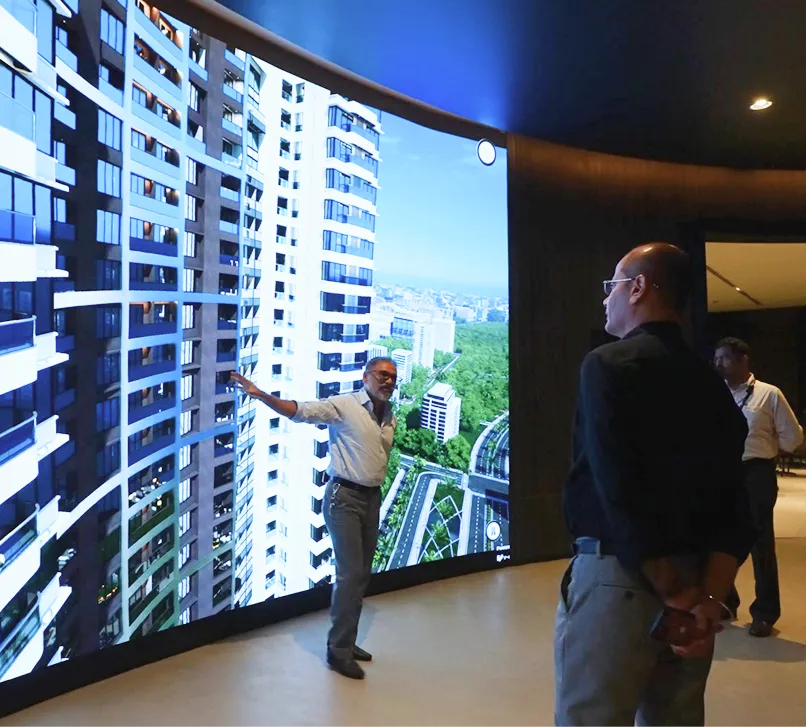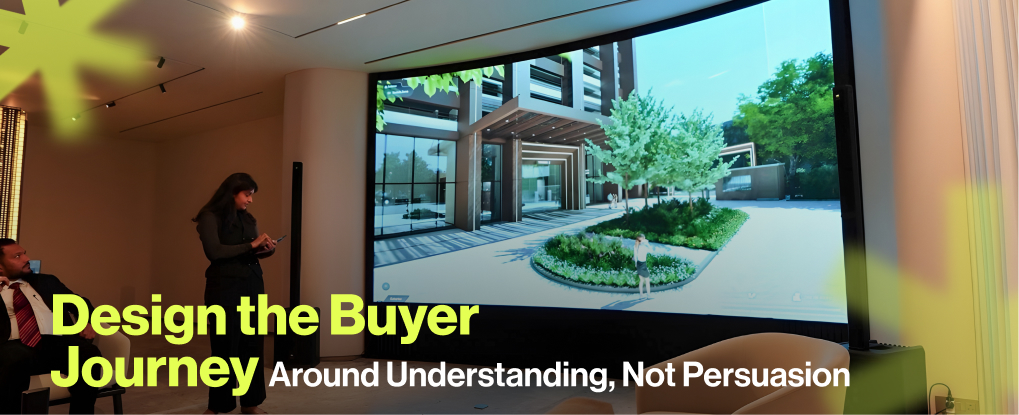
Luxury residential projects are judged as much by how they’re experienced as by the specs on a brochure. For Runwal Raaya a high-end development in Worli the Experience Centre became the decisive bridge between curiosity and purchase. The centre fused tactile storytelling, curated digital tools, and buyer-led exploration to remove friction, answer questions before they’re asked, and speed buyers to a confident “yes.” The following is a practical, developer-facing playbook built from the Runwal Raaya Experience Centre case and the V-estate approach that powered its immersion.
Why conventional sales funnels stall for luxury homes
High-value buyers have low tolerance for uncertainty. The sticking points that lengthen cycles are predictable:
Visual doubts — “Will the view look like this?” or “How will the light fall?”
Experience gaps — brochures can’t convey scale, sound, or flow.
Customization uncertainty — buyers want to visualise finishes, layouts and furnishings before committing.
Cognitive overload — too many floorplans, too many choices, too little context.
A single, coherent experience that answers these needs reduces the back-and-forth between site visits, emails, and second opinions — and that’s precisely what Runwal Raaya’s Experience Centre aimed to solve.
The core idea: buyer-led immersion, not seller-led demo
Runwal Raaya’s centre avoided scripted pitches and instead offered control to the visitor. The experience was designed as a guided self-exploration where prospects could:
Move through photorealistic 3D show flats at will.
Toggle lighting, weather and time-of-day settings to see the home in different conditions.
Swap finishes and furnishings to test personal taste in context.
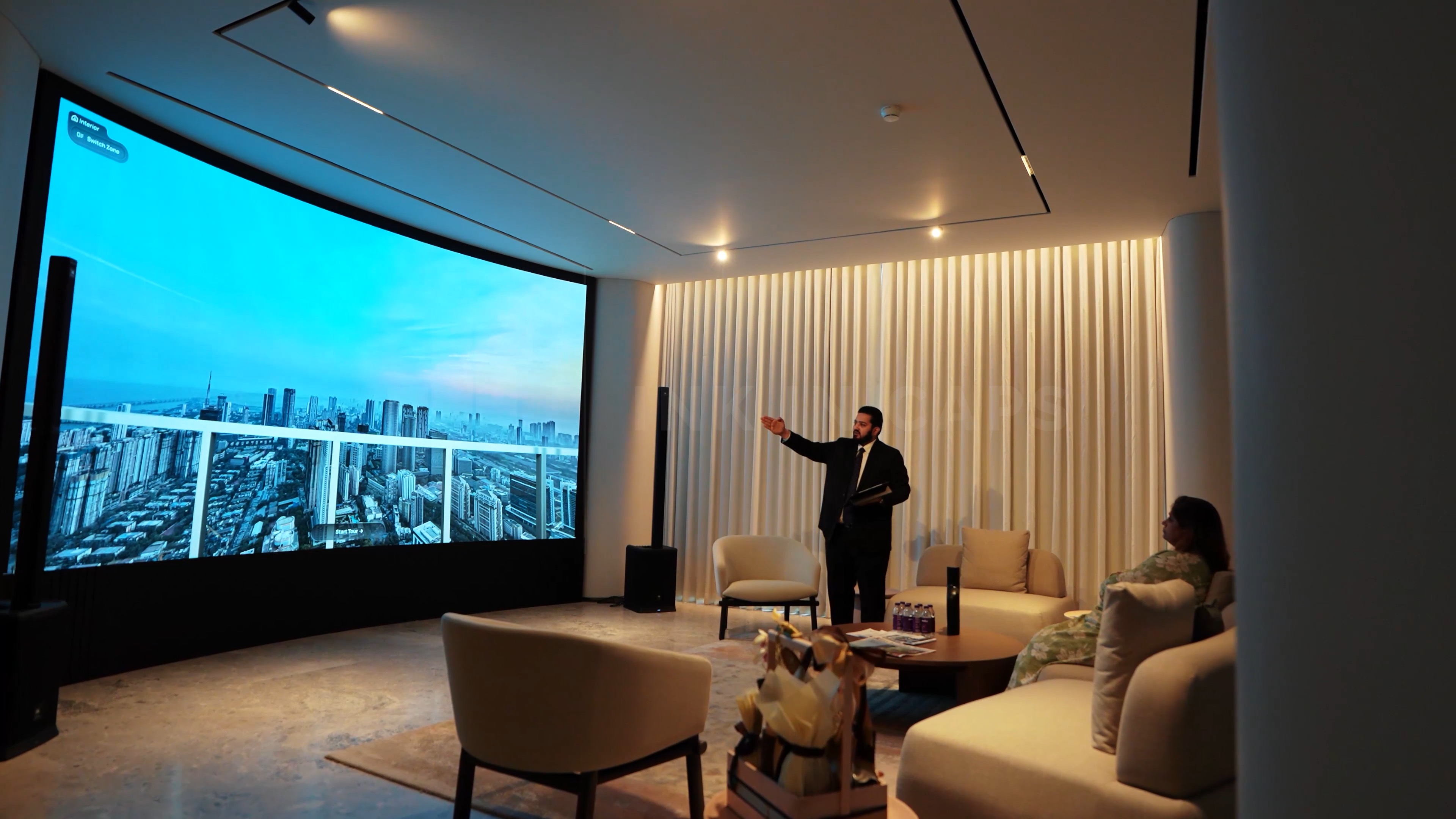
Inspect the exact view from each window — down to street and skyline sightlines.
Giving the prospect the remote control turns passive interest into active evaluation; it converts "maybe" into "this feels like mine." This buyer-centric approach is a core tactic any developer should replicate.
How V-estate fits into the playbook (offline, tactile, and persuasive)
V-estate is not an online lead magnet it’s an offline activation platform built for the experience centre. Its value in this playbook is concrete and operational:
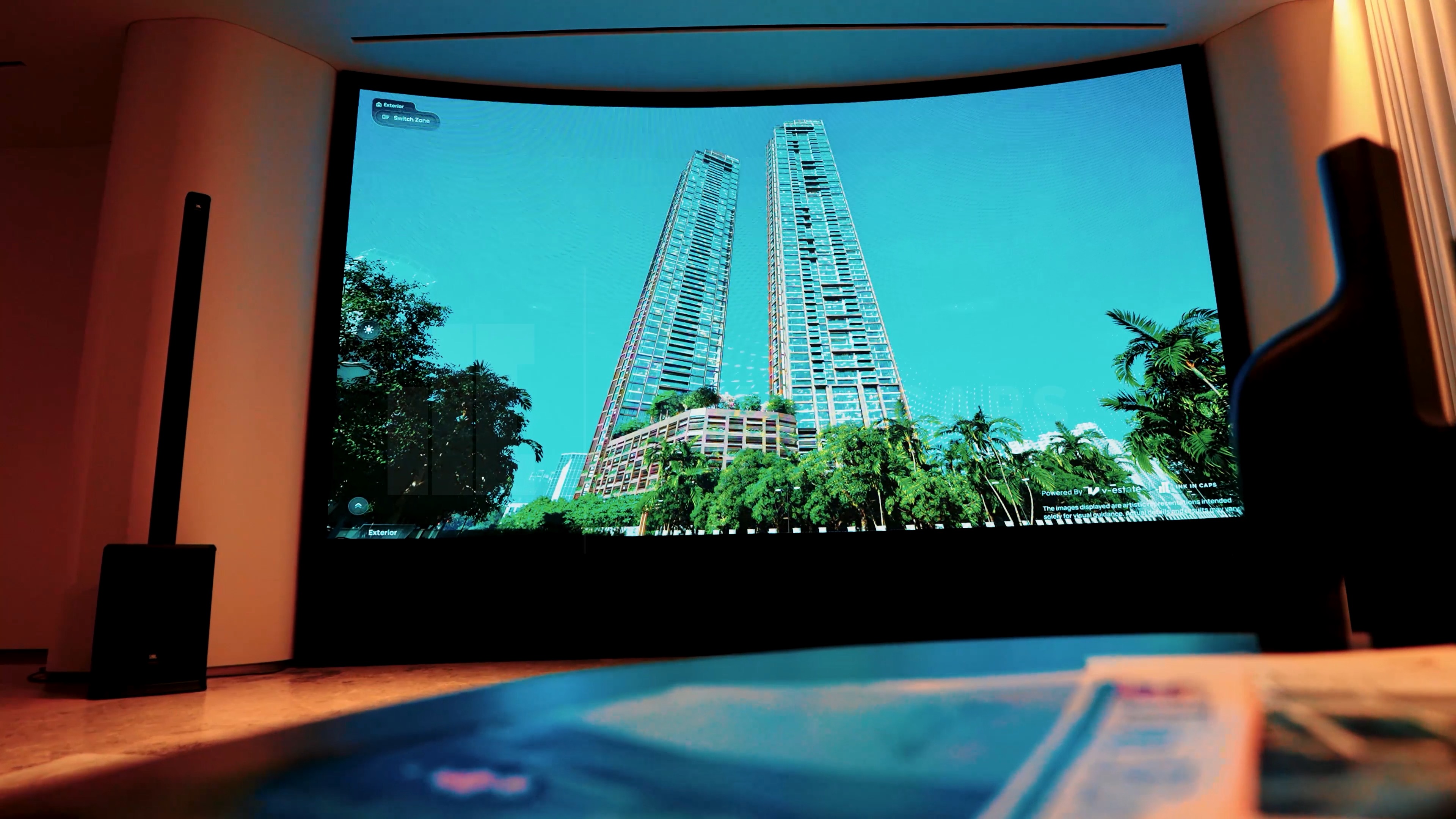
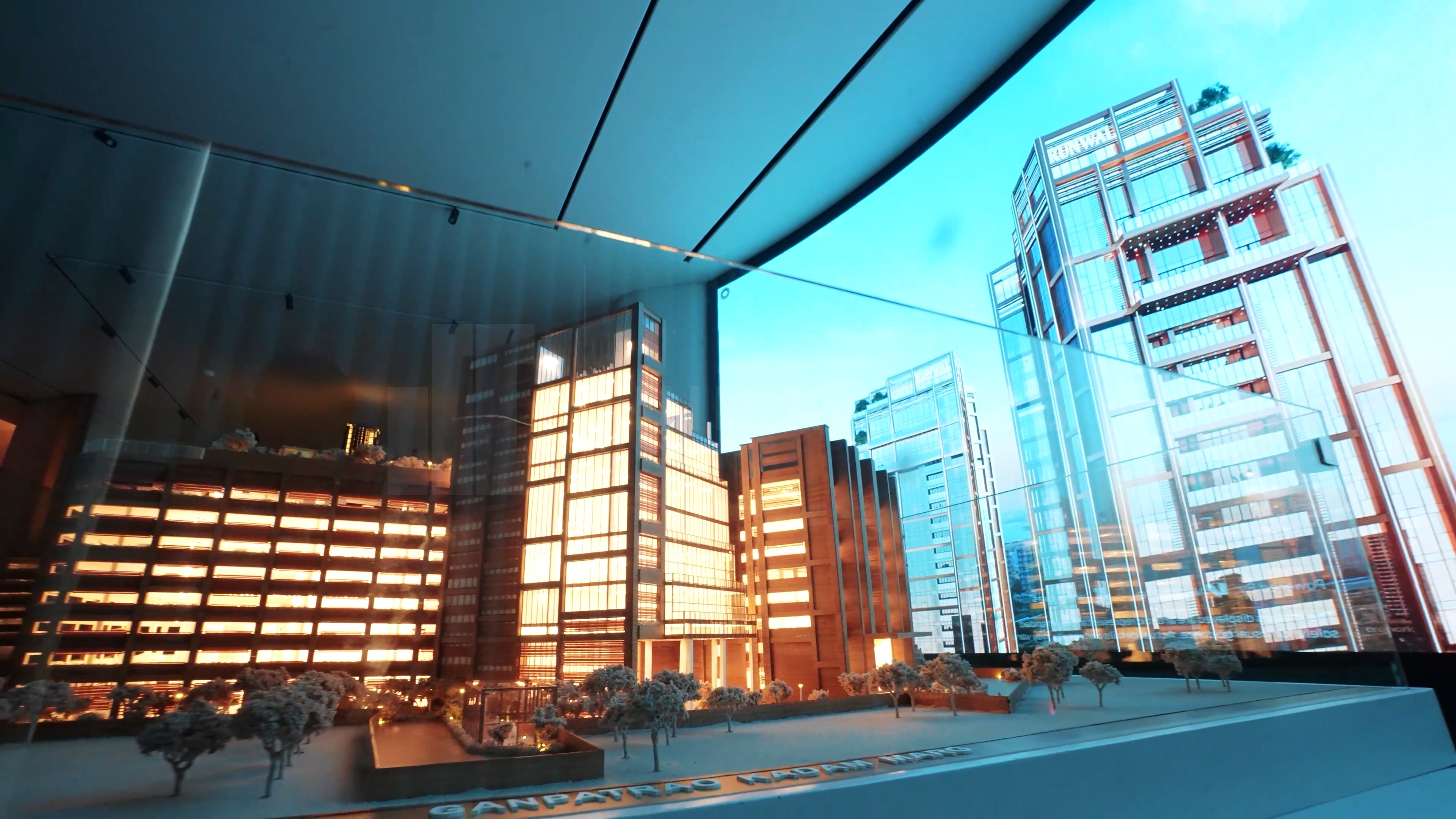
Photorealistic 3D show flats replicate materiality and sightlines so buyers can judge scale and feel before possession.
Amenity mapping and neighbourhood context place the property within a living ecosystem schools, transit, and upcoming infrastructure become part of the narrative.
Customization tools let users swap paint, furniture and fixtures in real time, collapsing weeks of revision into minutes.
Dynamic lighting & weather controls resolve one of the biggest buyer doubts: how will this space perform across seasons and dayparts?
Used inside a sales gallery, V-estate becomes a decision accelerator: it removes guesswork, reduces rework, and gives sales teams concrete, data-rich reasons to move a lead forward. (This is an offline sales activation — all interactions happen in the physical Experience Centre, powered by V-estate’s immersive tooling.)
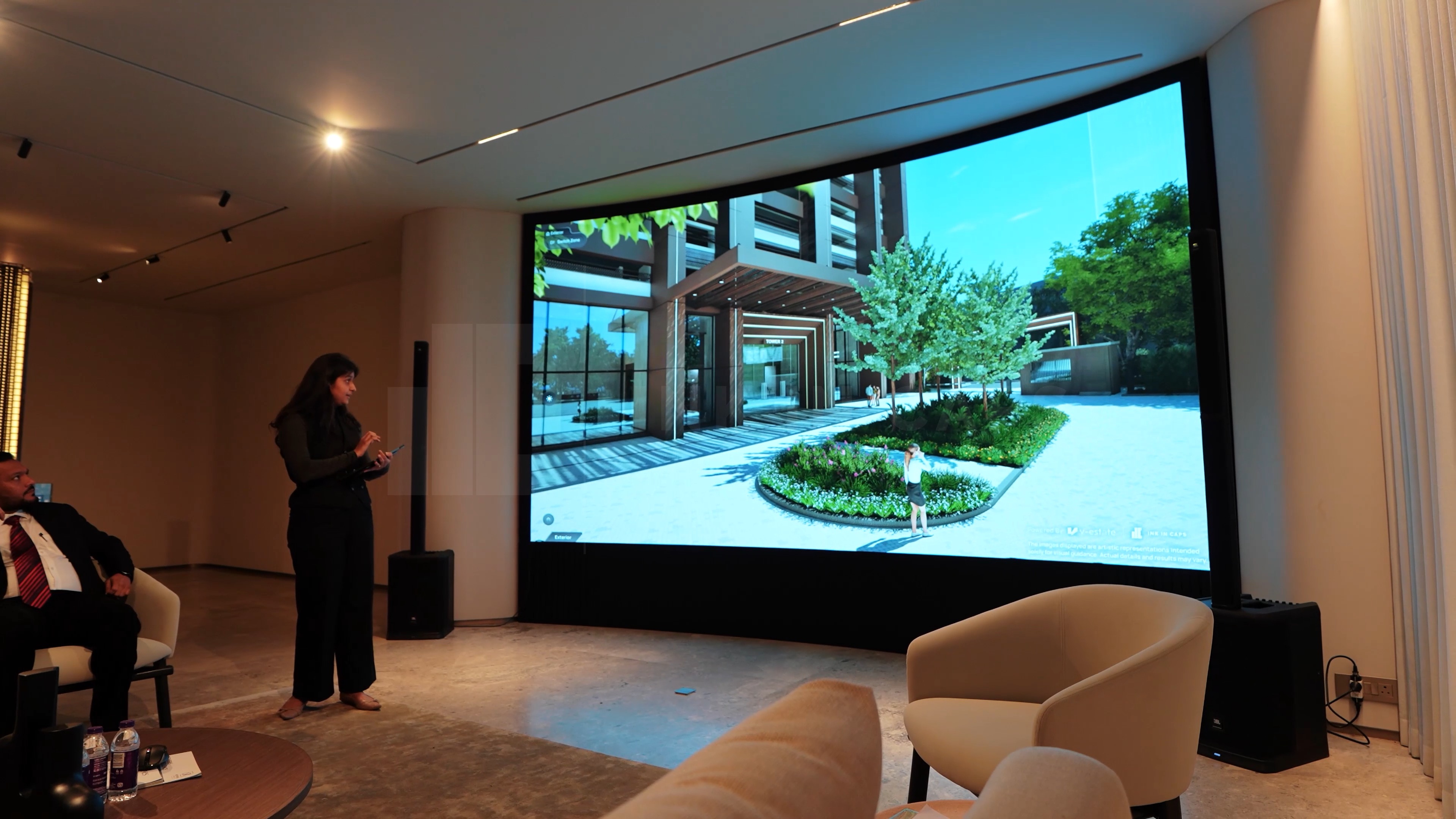
Design and flow: what the Experience Centre did right
These design choices are small to execute, but big on impact:
Hybrid sensory story: physical finishes, curated scent and lighting, plus digital visuals, creating a consistent sensory narrative.
Clear navigation: visitors choose what to inspect (views, amenities, finishes) rather than being walked through a rigid tour.
Decision moments: each interactive station ends with a clear call to next steps — schedule site visit, request floorplate comparison, firm up a custom spec.
Data capture with intent: interactions capture what buyers inspect most — preferred finishes, most-viewed units — giving sales an immediate, relevant follow-up script.
These elements reduced friction at the points where buyers usually hesitate, accelerating the path to commitment.
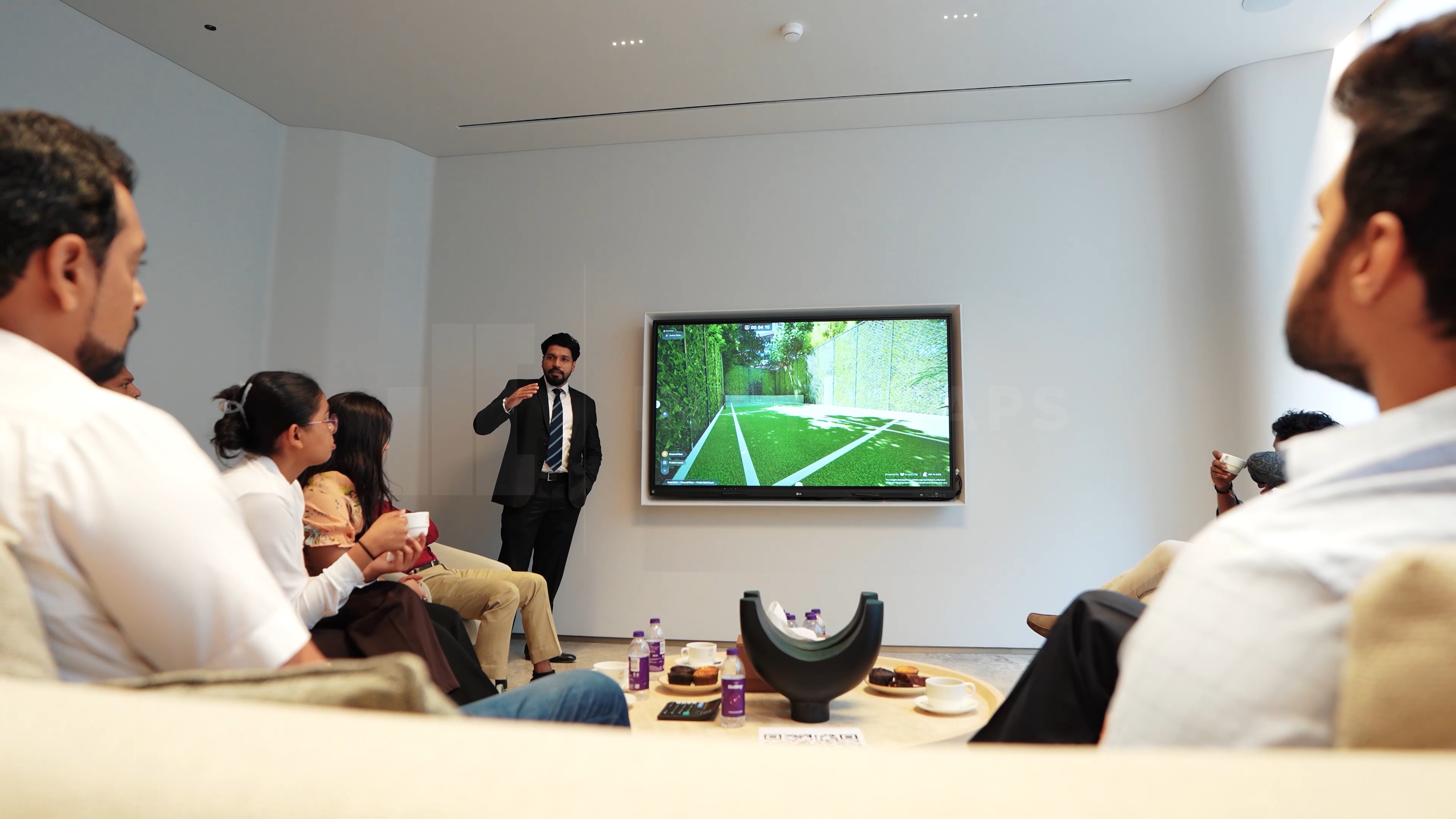
Sales-ops: turning immersive insights into closed deals
Experience centres that shorten cycles do more than dazzle they feed operations with usable signals:
Prioritise high-intent units. Use interaction heatmaps to identify which flats draw the most attention and allocate outreach accordingly.
Shorten follow-up with context. Instead of a generic call, the salesperson references exact in-centre interactions: “You adjusted the living room to warm timber — would you like the same palette in 4BHK X?”
Create pre-qualified walkthroughs. Send tailored, downloadable visual summaries (captured from the session) so buyers can share precise views with family or advisors.
Benchmark what buyers ask for. Recurrent customization patterns can inform finished inventory decisions and reduce costly personalization requests later.
These operational shifts turn experiential marketing into a predictable sales machine.
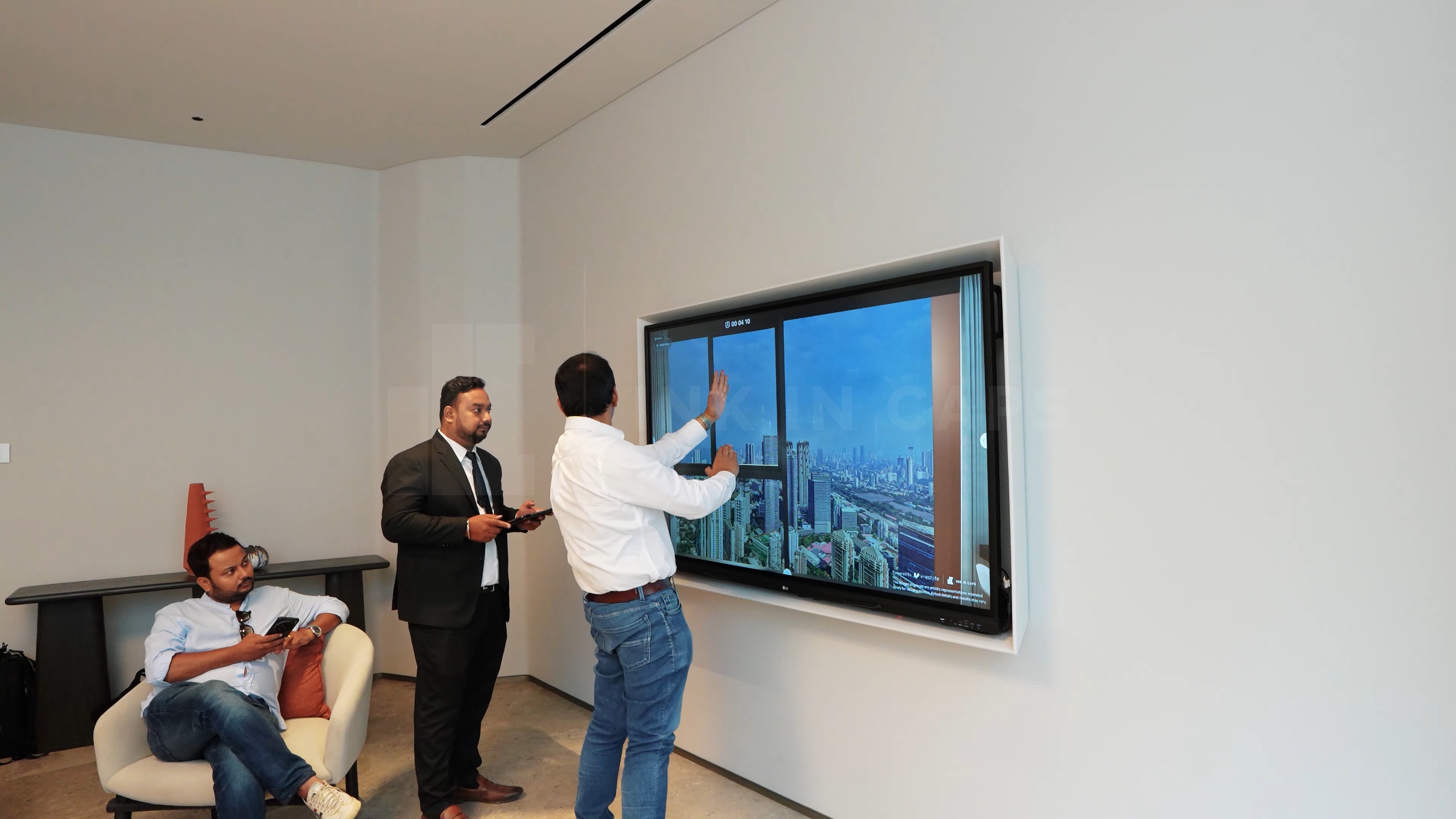
Measurable outcomes to expect (qualitative and actionable)
While every project is different, a properly delivered experience-centre playbook yields:
Shorter time from first visit to booking (reduced back-and-forth and fewer repeat site visits).
Higher conversion of premium units (buyers can validate value more quickly when they see the full context).
Lower post-sale dissonance (buyers who preview customisations and light/weather conditions are less likely to ask for changes later).
Note: these are directional outcomes drawn from how experience centres function in practice; measure locally with pre/post KPIs — average days-to-booking, visits per booking, and customization requests per booking.
A practical 8-point checklist for marketing heads & developers
Map buyer friction: list top 5 unknowns your buyers face.
Design control points: build stations for view, finish, and amenities exploration.
Embed V-estate tools offline: photorealistic flats, lighting/weather toggles, and neighborhood mapping.
Make data actionable: route session data into sales CRM with suggested next actions.
Train staff on consultative follow-up: use session specifics, not scripts.
Close the loop: provide downloadable visuals after sessions for buyer sharing.
Test KPIs: measure days-to-booking, visit frequency, and conversion by experience touchpoint.
Iterate quickly: evolve the experience using what buyers tested most.
Final takeaway — design for confidence, not persuasion
The Runwal Raaya Experience Centre shows that the fastest way to shorten a sales cycle is to eliminate the buyer’s doubt before it hardens into delay. That requires a considered combination of physical storytelling and interactive visualization — the very capabilities V-estate supplies inside the sales gallery. Create a space where buyers test the home on their terms, capture the signals they leave behind, and use those signals to make every follow-up more relevant. Do that, and long, costly sales cycles become a thing of the past.