.jpg)
The real estate industry faces a persistent challenge that costs developers millions in lost sales and operational inefficiencies. Traditional property inventory management relies heavily on static spreadsheets, outdated floor plan databases, and manually updated availability charts. These antiquated systems create bottlenecks that directly impact your bottom line.
The Hidden Cost of Static Property Inventory Systems
Real estate developers managing multiple projects simultaneously understand the frustration of outdated inventory tracking. Your sales teams spend countless hours cross-referencing availability charts, floor plans exist in isolation from pricing data, and potential buyers receive inconsistent information across different touchpoints.
Manual inventory updates consume valuable time that could be spent on revenue-generating activities. When your team updates availability in multiple systems separately, errors multiply. A unit marked as available in one system but sold in another creates customer disappointment and damages your brand reputation.
Scalability becomes problematic as your portfolio grows. Managing inventory across dozens of properties using spreadsheets becomes increasingly complex. Your marketing team struggles to maintain current availability data, while sales representatives work with information that may be hours or days behind reality.
Dynamic market conditions require instant adaptability. Modern buyers expect real-time information about unit availability, pricing changes, and customization options. Static systems cannot accommodate the pace of today's real estate transactions.
Understanding Immersive Property Navigation Systems
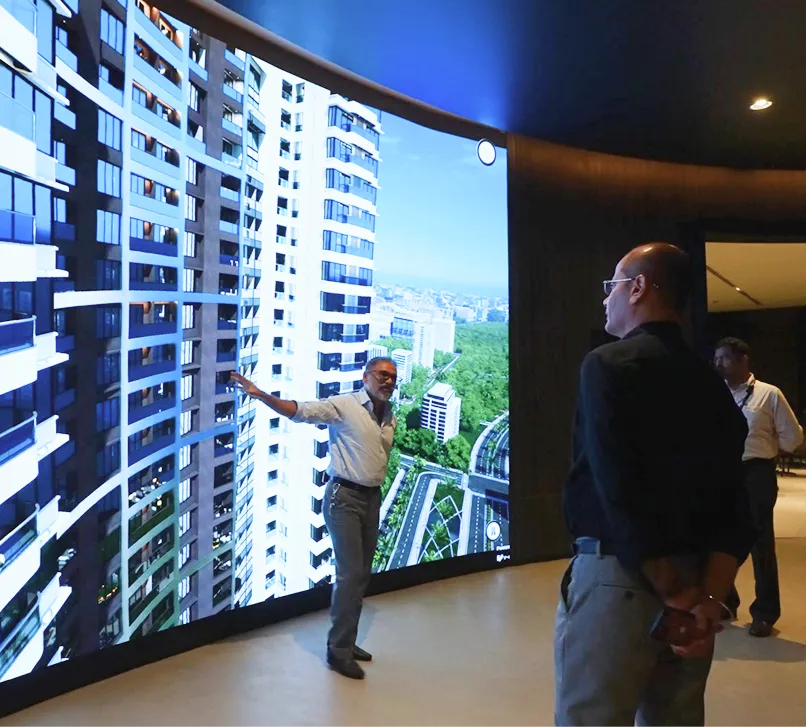
Immersive inventory navigation transforms how developers manage and present their property portfolios. Instead of relying on static lists, this approach integrates visual technologies with real-time data management to create dynamic, interactive inventory experiences.
Three-dimensional property visualization allows potential buyers to explore available units virtually. Rather than studying floor plans on paper, prospects navigate through photorealistic representations of actual spaces. This technology eliminates the imagination gap between blueprints and finished properties.
Real-time availability tracking ensures every stakeholder works with current information. When a unit sells, the system immediately updates across all platforms. Your sales team, marketing materials, and customer-facing applications reflect identical data simultaneously.
Interactive customization tools let buyers visualize their preferences within available units. They can experiment with different finishes, furniture arrangements, and design elements while understanding how these choices affect pricing and delivery timelines.
Operational Improvements Through Dynamic Inventory Management
Workflow acceleration occurs when your team accesses comprehensive property information instantly. Sales representatives guide prospects through available options without switching between multiple systems or calling back offices for updates. This seamless experience builds buyer confidence and reduces decision-making time.
Error reduction happens naturally when single-source data feeds all customer interactions. Your team cannot accidentally show sold units or quote outdated pricing because the system maintains one authoritative inventory source.
Enhanced buyer engagement results from interactive exploration capabilities. Prospects spend more time examining your properties when they can customize and visualize their potential homes. This deeper engagement typically correlates with higher conversion rates and stronger emotional connections to your developments.
Improved decision-making analytics emerge from tracking how buyers interact with your inventory. You gain insights into which unit types generate most interest, which customization options prove popular, and where prospects typically exit the exploration process.
Real Estate Industry Applications
Pre-construction sales benefit significantly from immersive navigation systems. Buyers can explore unbuilt properties with the same detail level as completed homes. They understand spatial relationships, natural lighting patterns, and view corridors before construction begins.
Sales center efficiency improves when physical spaces showcase inventory through interactive displays rather than static materials. Your sales team can demonstrate multiple properties and unit configurations without maintaining extensive physical model inventories.
Implementation Considerations for Developers
Technology integration requires careful planning to connect immersive systems with existing customer relationship management and sales tracking platforms. Your implementation should enhance current workflows rather than disrupting established processes.
Content development demands high-quality visual assets and accurate property data. Investing in professional photography, precise measurements, and detailed specifications ensures your immersive experience reflects the quality of your developments.
Staff training enables your team to maximize system capabilities. Sales representatives need confidence navigating the technology while maintaining focus on customer relationships and deal progression.
Buyer education helps prospects understand and appreciate the enhanced exploration experience. Clear guidance on system capabilities encourages deeper engagement and more informed decision-making.
Modern real estate development requires tools that match the sophistication of today's buyers and the complexity of contemporary projects. Immersive inventory navigation represents a fundamental shift from reactive inventory management to proactive buyer engagement, positioning your developments for sustained competitive advantage in an evolving marketplace.