.jpg)
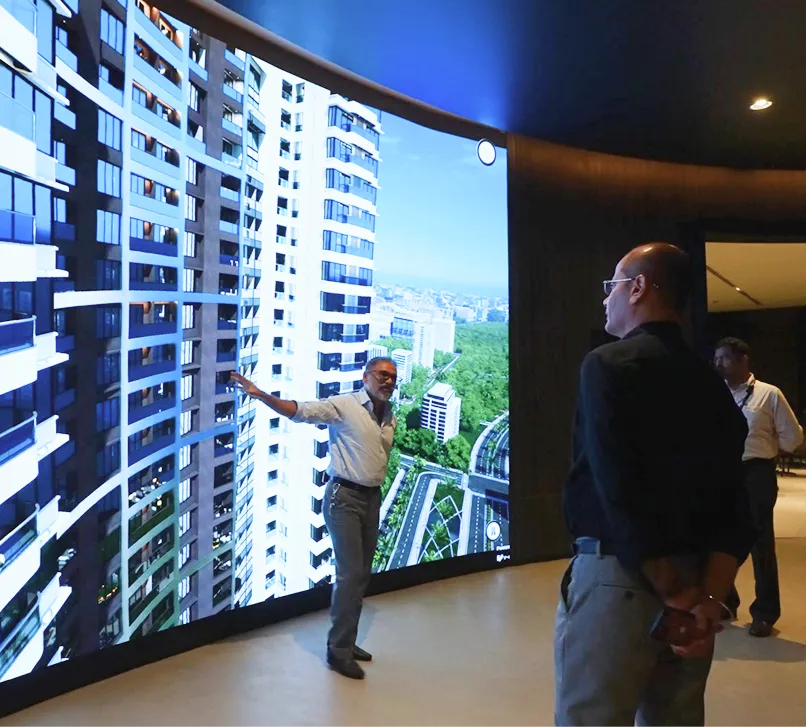
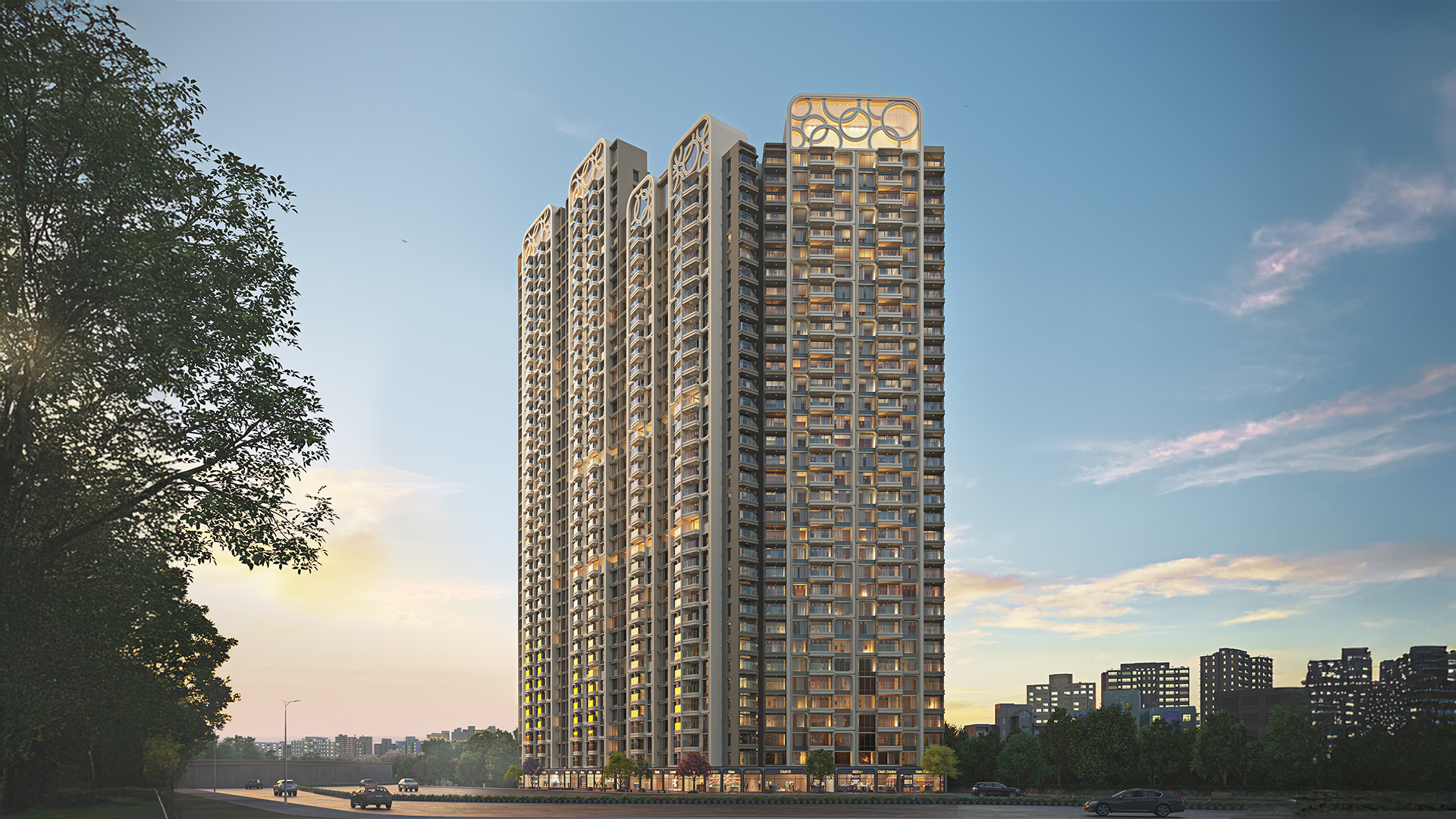
Aligning the story your sales team tells with what the buyer sees on a screen is no longer optional — it’s a performance requirement. For marketing heads and real estate developers focused on closing more deals at the experience centre, a tightly-scripted on-site demo that mirrors your photorealistic 3D walkthroughs solves predictable problems: inconsistent narratives, prolonged decision cycles, and avoidable objections. Below is a practical, target-audience focused, expert-level guide built from th e L&T Mahim on-site experienceand V-estate’s capabilities — written for marketing and development leaders who want measurable lift in lead conversion and sales rep effectiveness.
The measurable problem: mismatch between words and visuals
Buyers move fast between impressions: the model, the chat with the rep, and the digital walkthrough. When those three touchpoints don’t tell the same story, prospects stall. Typical failure modes:
A rep describes an “evening skyline” but the virtual walkthrough defaults to midday lighting.
The tour highlights finishes a buyer sees in 3D, but the rep refers to different fixtures.
Neighborhood convenience is mentioned verbally but is not reflected on the amenity map.
These gaps create friction, reduce buyer trust, and increase time-to-close. The remedy is simple: script the buyer’s journey for the rep so it follows the exact order and language of the immersive property tour. That alignment reduces cognitive load for the prospect and turns the on-site activation into a conversion engine.
Why offline activation and photorealistic 3D matter
V-estate’s offline activation model — running immersive property demonstrations at the sales gallery rather than purely online — gives reps control and gives buyers a tactile way to validate claims instantly. Key capabilities that matter for alignment:
Photorealistic 3D virtual show flats that provide lifelike detail, including finishes and furniture placement.
Dynamic lighting and weather controls so a buyer can see the property at dusk, morning, or under a storm cloud.
Window view simulation that shows the actual sightline the buyer would get from their living room.
Amenity mapping overlaying current and upcoming projects to communicate connectivity and lifestyle.
These are not bells and whistles — they are the verification points buyers need before committing. Use them early in the demo to answer the questions buyers would otherwise ask later.
.png)
Build the demo around the buyer’s questions — not features
Design scripts that follow buyer intent, in this order:
Location & lifestyle — Where is this home in the city and how does it connect to daily life?
View & atmosphere — What will the living room look like at sunset? How does the light fall?
Layout & function — How will my furniture fit? What are circulation and ceiling heights like?
Customization options — Paint, furnishings, finishes — swap them live.
Neighborhood & timelines — Amenities, infrastructure and upcoming projects.
Clear next steps — Financing, tentative timelines, and how to reserve a unit.
This order mirrors how prospects actually decide: context first, emotion second, function third, and commitment last. When the rep and the 3D walkthrough follow the same path, the buyer’s confidence increases and barriers to commitment fall.
.png)
Plug-and-play on-site demo script (for immediate use)
Amenities & connectivity (90 seconds)Use the following script as a practical baseline. Train reps to keep language natural and to hand control to the buyer quickly.
Opening (30–45 seconds) “Welcome. I’ll run a short guided walkthrough and then hand control over so you can explore. We’ll start with where the project sits in the city, then check the view and the interiors, and finish with amenities and timelines.”
Location & lifestyle (90 seconds) “Here’s the project on the map and how it links to key points like the business district and transport nodes. I’ll overlay nearby facilities and upcoming projects so you can judge everyday convenience.” (Trigger: amenity mapping and nearby projects overlay.)
View & atmosphere (90 seconds) “Let me show you the living room view at dusk — you can switch to morning or night to compare. Notice the sightlines and how the light changes across the day.” (Trigger: window view preset + dynamic time-of-day controls.)

Layout & finishes (3–4 minutes) “We’ll move room to room and I’ll point out ceiling heights, room flow, and where furniture sits. Want to see a different paint or sofa? We’ll swap it live so you can compare options.” (Trigger: material and furniture presets.)
“Now the amenity cluster — gym, pool and green spaces — and how they relate to the towers. I’ll also show the infrastructure timelines so you can see what’s coming.” (Trigger: amenity showcase and planned infrastructure layer.)
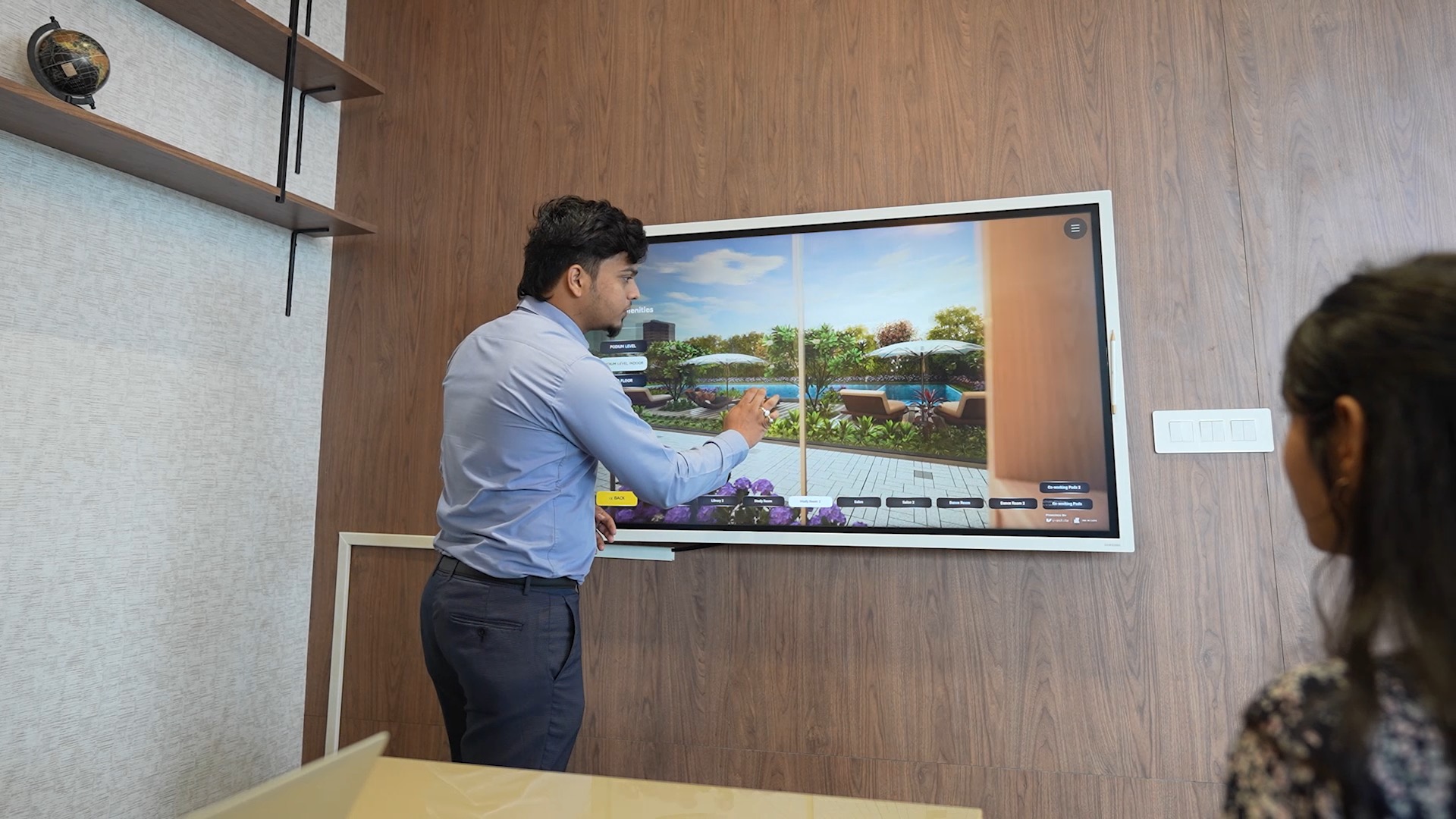
Close — concrete next step (60 seconds) “If this resonates, we can schedule a site visit, check unit availability now, or review payment options. Which would you like to do next?” (Trigger: unit availability panel and tentative timelines.)
Make three elements non-negotiable in every demo
Train reps to always show these in the first five minutes — no exceptions:
Window view presets (evening + morning).
Finish customization (paint/furniture swaps).
Amenity & connectivity overlay (current + upcoming).
Buyers who see these early remain engaged and ask higher-value questions; they also self-qualify faster.
Training and rollout: practical steps for adoption
Roleplay twice weekly for the first month against common buyer personas (investor, family, value-conscious).
Checklist-driven demos: reps tick off the three non-negotiables during each demo.
Record and review: capture one demo weekly, review a two-minute clip to refine language and pacing.
Quarterly script updates based on objections logged: iterate the script to close recurring gaps.
These operational steps reduce variance between reps and make the experience repeatable across multiple sales centres.
KPIs that prove impact
Track these to measure whether aligned on-site demos move the needle:
Demo-to-site-visit conversion rate (weekly)
Average days to first commitment after a demo
Top 5 objections logged and how often they repeat
Repeat-demo rate (how often a buyer returns for the same unanswered questions)
Monitor these KPIs and use them to refine the script and the tour presets every quarter.
Final note — human-first, verifiable storytelling
Systems that deliver photorealistic 3D tours and immersive property experiences are effective because they let buyers verify claims instantly — about view, light, finishes and the neighborhood. But technology alone doesn’t close deals. The critical step is human-first storytelling: a concise, repeatable on-site demo script that a rep can deliver confidently and that hands control to the buyer at the right moment. That is the alignment that converts interest into commitment.