For decades, real estate marketing has used methods like boring paperwork (e.g., images and brochures) and in-person meetings (e.g., site visits) to sell their work. While there isn't anything inherently wrong with that, what these means lack is innovation or something new. Fortunately, Property Technology, which is commonly also referred to as PropTech, has been evolving with the times.
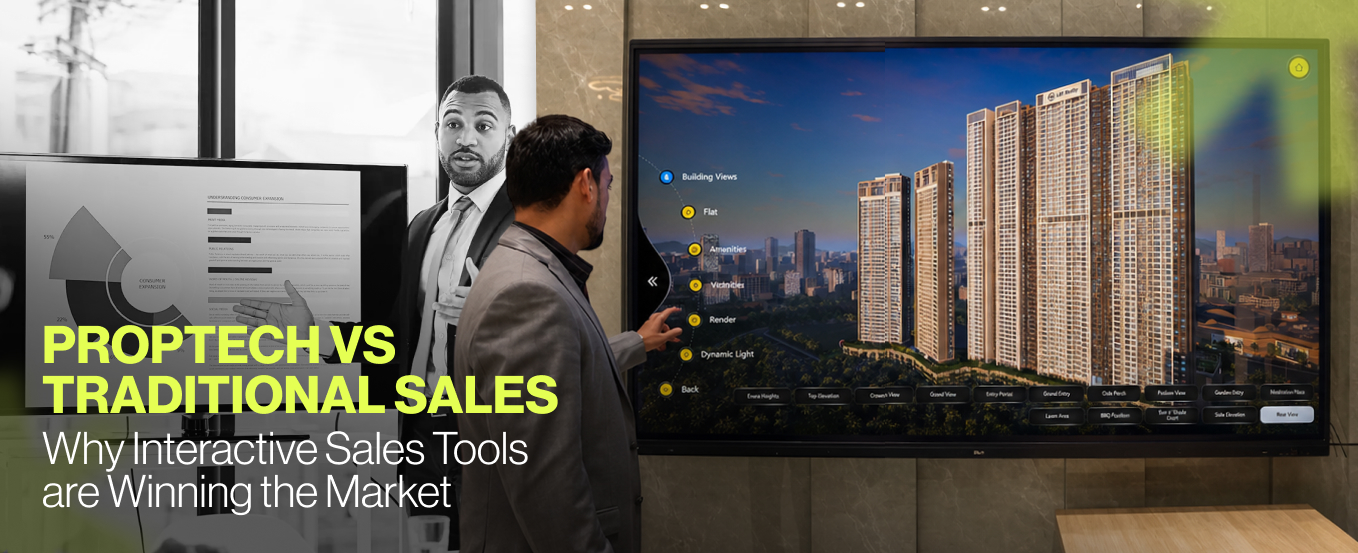
They open up the possibilities of interactive experiences like 3D Property Simulations, Digital Twins, or Experience Centers. All of these serve different purposes, but their end goal is the same. That is to help developers make the best version of their project, and for buyers to clearly see what the developers' vision is, and not rely on imagination.
This technology is important as it is exactly what today's buyers need, which is transparency. So, here is everything you should know about what PropTech is in real estate, why interactive sales tools are important to fill in the gaps between a buyer's imagination and reality, and how you can implement them into your projects if you aren't using them already.
What is PropTech in Real Estate?
PropTech, or Property Technology, makes use of digital tools to improve how real estate is bought, sold, managed, and experienced. These tools often incorporate various technologies like AR (Augmented Reality), VR (Virtual Reality), AI (Artificial Intelligence), Big Data, or Cloud platforms, depending on the project's needs, to streamline processes that were previously manual or time-consuming. Basically, PropTech exists to make real estate more user-friendly, faster, and smarter for everyone involved, like developers, designers, buyers, etc.
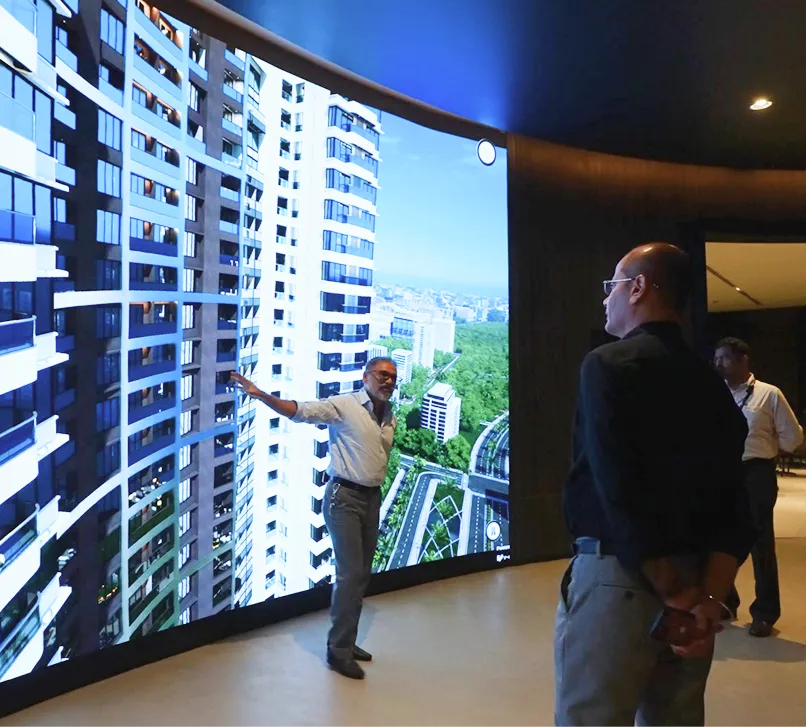
As PropTech is a broad term, its applications change based on the needs of the users. For example, PropTech for buyers would include Experience Centers. These are virtual environments that give users interactive experiences when it comes to exploring or customizing their potential future homes.
However, designers and developers often find things like Digital Twins more handy. These are digital replicas of the physical project. These twins are made up of various IoT devices, sensors, and software, where they feed it data to simulate the actual building. The reason it is useful is that once it is properly set up, it gives them accurate information through simulations, which can save them from having to redo costly changes if any errors were to occur.

Why Interactive Sales Tools are Important
As mentioned above, the biggest advantage of using interactive sales tools is to give buyers clarity. This removes Buyer's Remorse and builds trust for the brand. Additionally, other tools can also help out project managers and developers to improve the overall sales process.
Software Sales Vs Traditional Real Estate
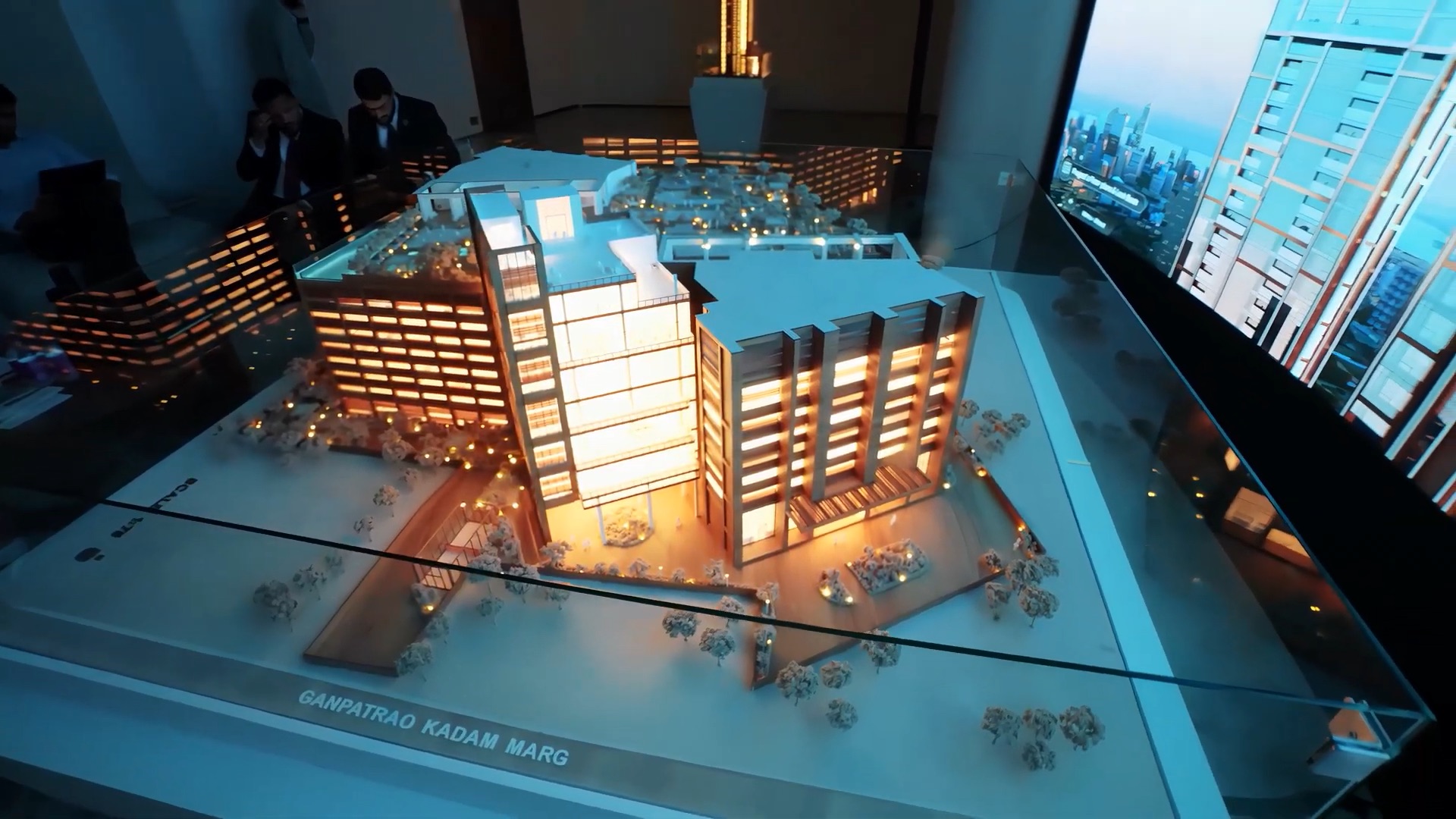
Traditional Real Estate methods of marketing rely on video tours, showing static images and brochures, or past projects to gain the buyer's trust that the developer will deliver on their promises. The problem with this approach is it gives clients very little to almost no reason to trust you, as their imagination might give them a completely different version of your project compared to what you envisioned.
This is where software comes into play to improve your sales. Instead of only sitting through a video tour, the buyer gets to take the initiative in how they explore the unit. No matter if they want to see the house's biggest balcony, how the hall connects to the other rooms, or how lighting and shadows affect their place during the different times of the day. If the software is capable of showcasing it, they are able to experience it.
Data helps make Informed Decisions
Prior to the existence of interactive tools, collecting data would have been inefficient. Developers have to rely on the salesperson to find out about the common queries affecting the buyer. Even the metrics that could be measured were often limited to which units interested buyers the most, how long the buyers spent at the site visit, what was the deal breaker, etc. And most of the time, the answers to these questions were either vague or outright not available.
This is where interactive sales tools come into play. With something like an Experience Center, you not only give users the ability to explore, but also get a ton of valuable data. This includes things like which units the buyers compared the most, what features interested them, how long they interacted with the experience center, whether they still have any queries that weren't answered, etc.
All of this information gives you invaluable data to improve the features that interest them. Accordingly, you can adjust the prices of the properties when compared to those of the competitors.
Better Market Reach
Another area where Traditional Real Estate lags behind interactive sales tools is market reach. To elaborate on this further, normally a developer would have to wait for the construction to be over to start with site visits. Even then, it has limitations like limited interactions, as there are only so many visits a salesperson can help conduct within a day. Aside from that, it is also heavily dependent on the buyer's schedule and availability.
With virtual experiences, these limitations can be limited. Interested buyers can visit the sites virtually from anywhere in the world as long as the website or software is made available to them. It also improves interactability and data collection, as buyers can clearly see the units and their features that they are interested in, and they don't even have to depend on the salesperson's knowledge about the project or have to ask them questions repeatedly until they get the image of what the developer plans to design. Not to mention, these virtual visits can be arranged before the project is even finished.
.JPG)
How You Can Implement PropTech into Your Projects
As essential as PropTech is in real estate marketing, it sadly isn't a one-size-fits-all shirt. So, what this means is that the interactive sales tools you need will be specific to your project. Fortunately, this also means you just need to identify your goals. For example, if your clients are having trouble finalizing the unit because they can't visualise the lighting and shadows from their window, you need a sample flat LED screen that showcases the neighbourhood vicinity from different floors.
Or if your project managers are having trouble keeping track of the systems or which units are vacant by tenants, then a Digital Twin could help you out. If buyers are looking to personalize their new homes, then 3D property simulations will do the trick.
So, no matter if you have your goals ready or are looking for help to identify them, book a demo and get in touch with our experts at V-Estate to start implementing PropTech and improving your sales today!