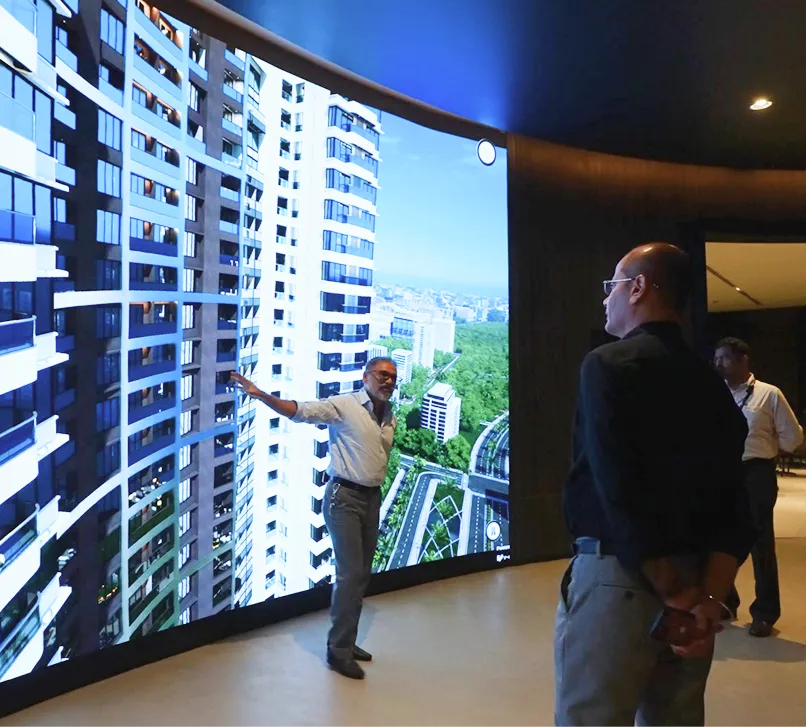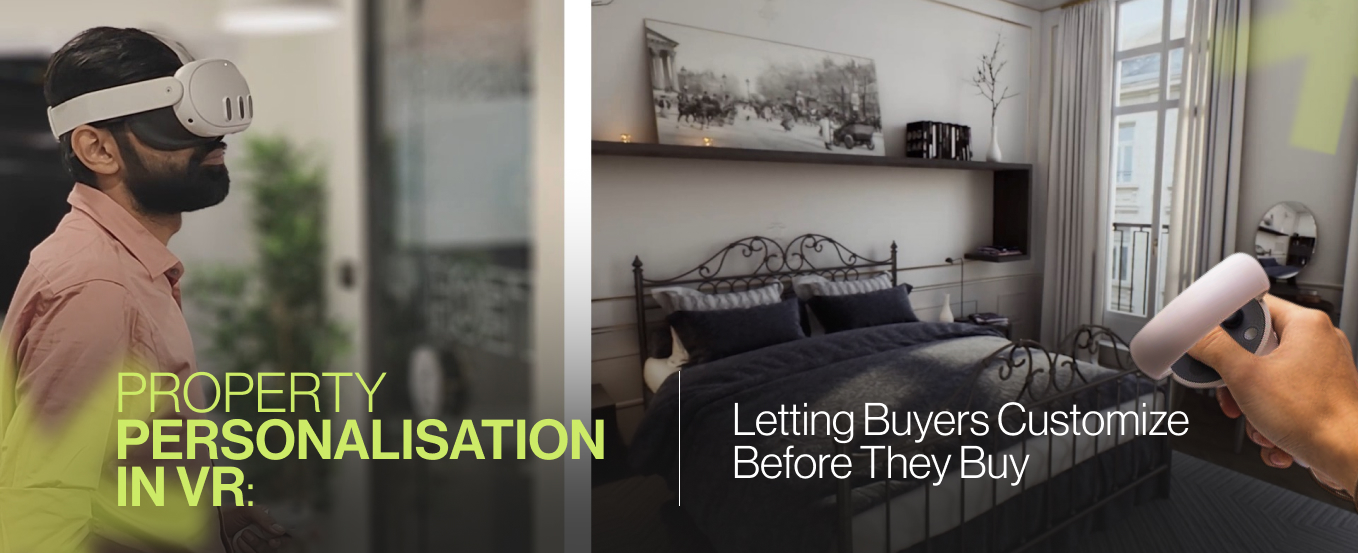
The real estate industry is one of those markets that has never been shy of adopting new technologies before others. Be it IoT scale models or rotoscope walls, if there is some PropTech that can improve the buyer's experience, you are sure to find the best developers in the business be the first ones to use them. One such technology in this field is Virtual Reality, or VR. The best part is that VR isn't even something new that has just started to gain recognition; it is present in every major project's pipeline. But in today’s day and age of personalization, just letting your buyers have a virtual tour isn't enough.
This is where the personalization in VR comes in. It allows clients to customize their experience in real time by creating spaces that reflect their preferences before making a purchase decision. This shift changes the relationship between the buyers and properties as it helps not just developers but also real estate agents and architects, allowing them to deliver a more engaging and immersive experience.
What is Property Personalization in VR?
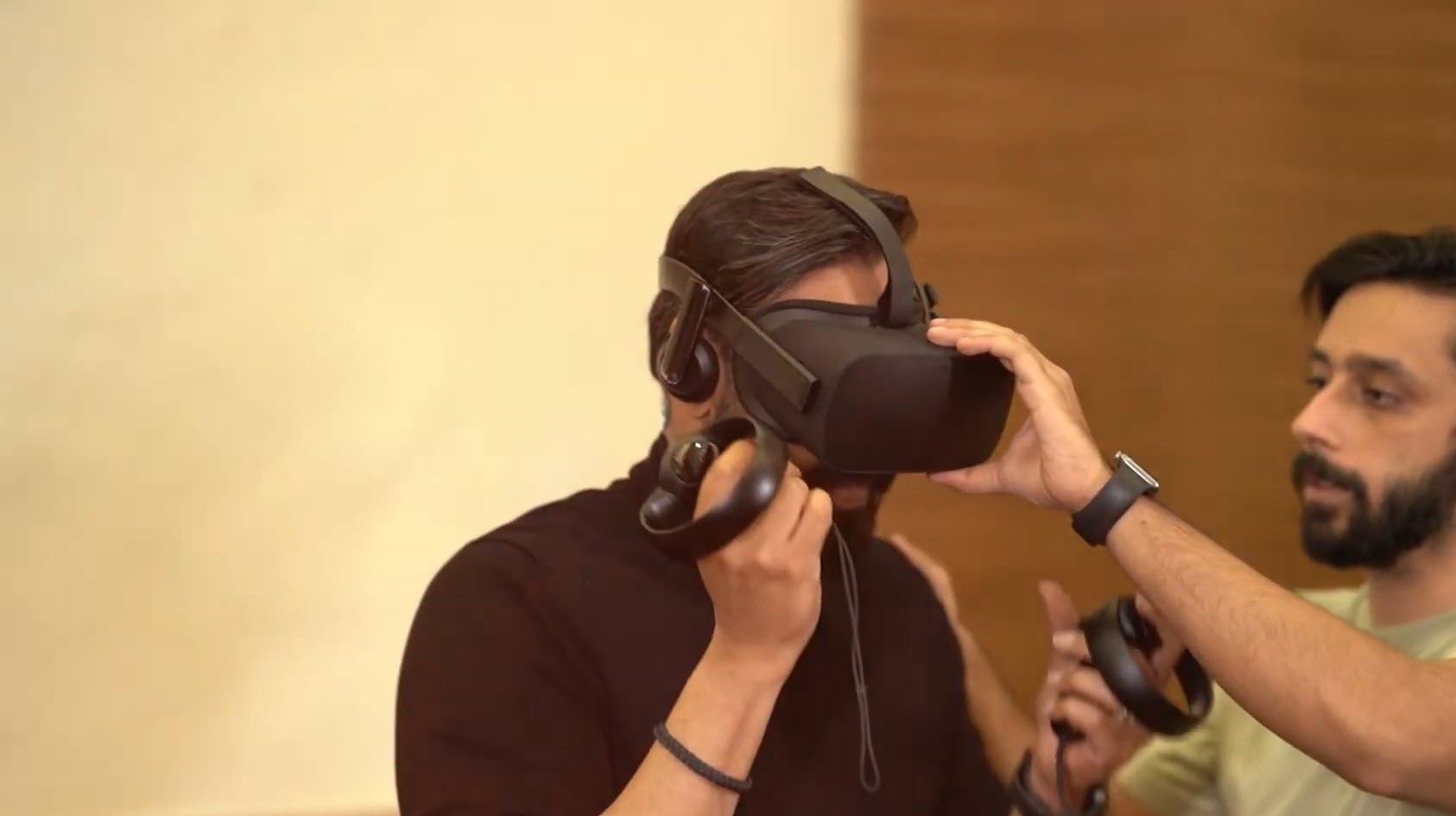
Property Personalization in VR makes use of the Virtual Reality technology to give potential buyers the freedom to fully or partially customize the objects or spaces in the simulated environment. What makes this technology so special is that it doesn't require the project to be completed; a developer can still add personalised VR to their project even if the site is still under construction.
While brochures, images, and video walkthroughs are always an option, for buyers who are really interested in a unit, or anyone who wants to have an immersive experience, personalized VR changes the way they explore a property.
For example, a buyer could ask the sales team questions like how the sunlight affects their room. Now, if the team shows them pre-rendered videos of how sunlight interacts with the furniture and looks on the different walls. The buyer's question technically did get answered, but not all of their doubts were solved. Instead, when the sales team has the means to run VR simulations, the buyer now has the ability to personalize their room, like changing the color of their walls, moving around the furniture. This time, when the sales team simulates the sunlight, they know exactly what to expect from their new home, where they will be living in the future.
Thus, such VR simulations are not only good for the buyers but also for the sales team. This is because the buyers are actively engaging with the unit and get an unmatched immersive experience. Meanwhile, the salesperson gets to answer better questions, as any simple doubts from the buyer automatically become clear in the VR simulation.
How Property Personalization in VR Works
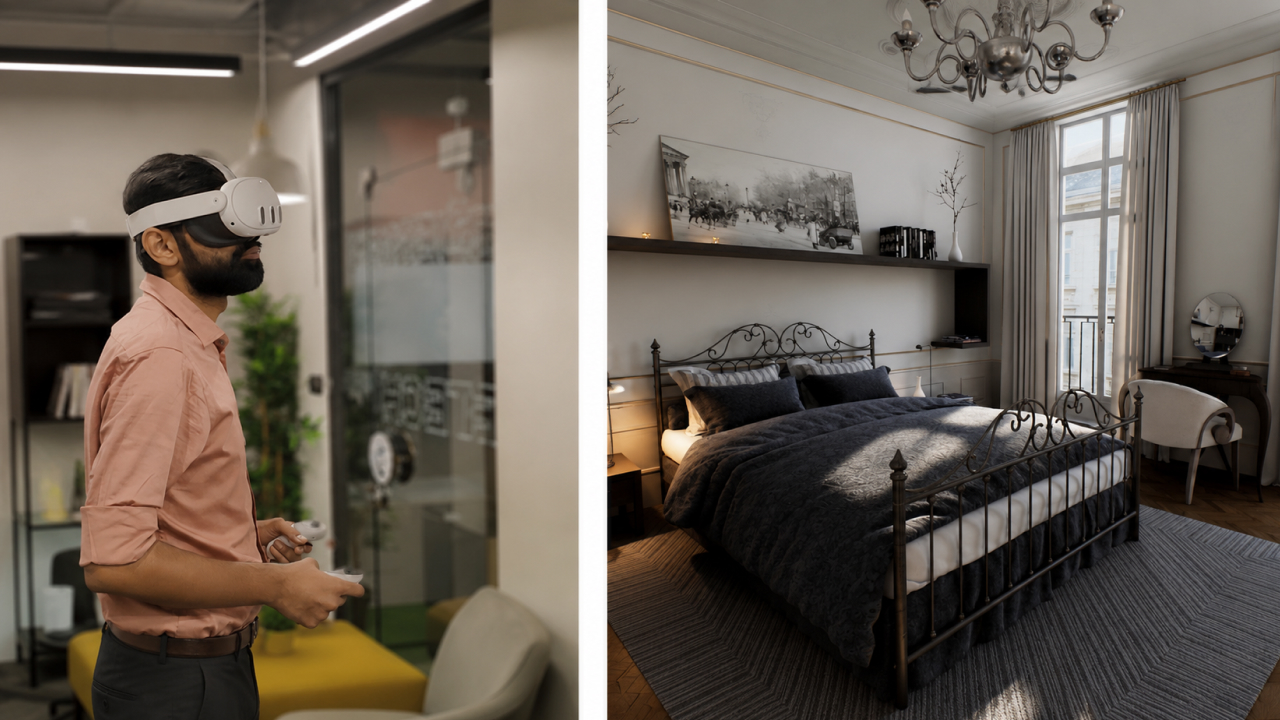
As explained in the above example, VR can be used to simulate property units while giving the user customization options. Changing wall color or moving around furniture are just two examples; here are some more things that property personalization in VR allows buyers to try:
Changing flooring materials such as hardwood, marble, or tiles.
Customizing kitchen cabinetry and countertop styles.
Playing with the lighting and ambience settings.
Checking the bathroom fittings and design themes.
Changing the interior decor.
Explore different room layouts and space configurations.
How Property Personalized VR Benefits Real Estate Developers and Agents
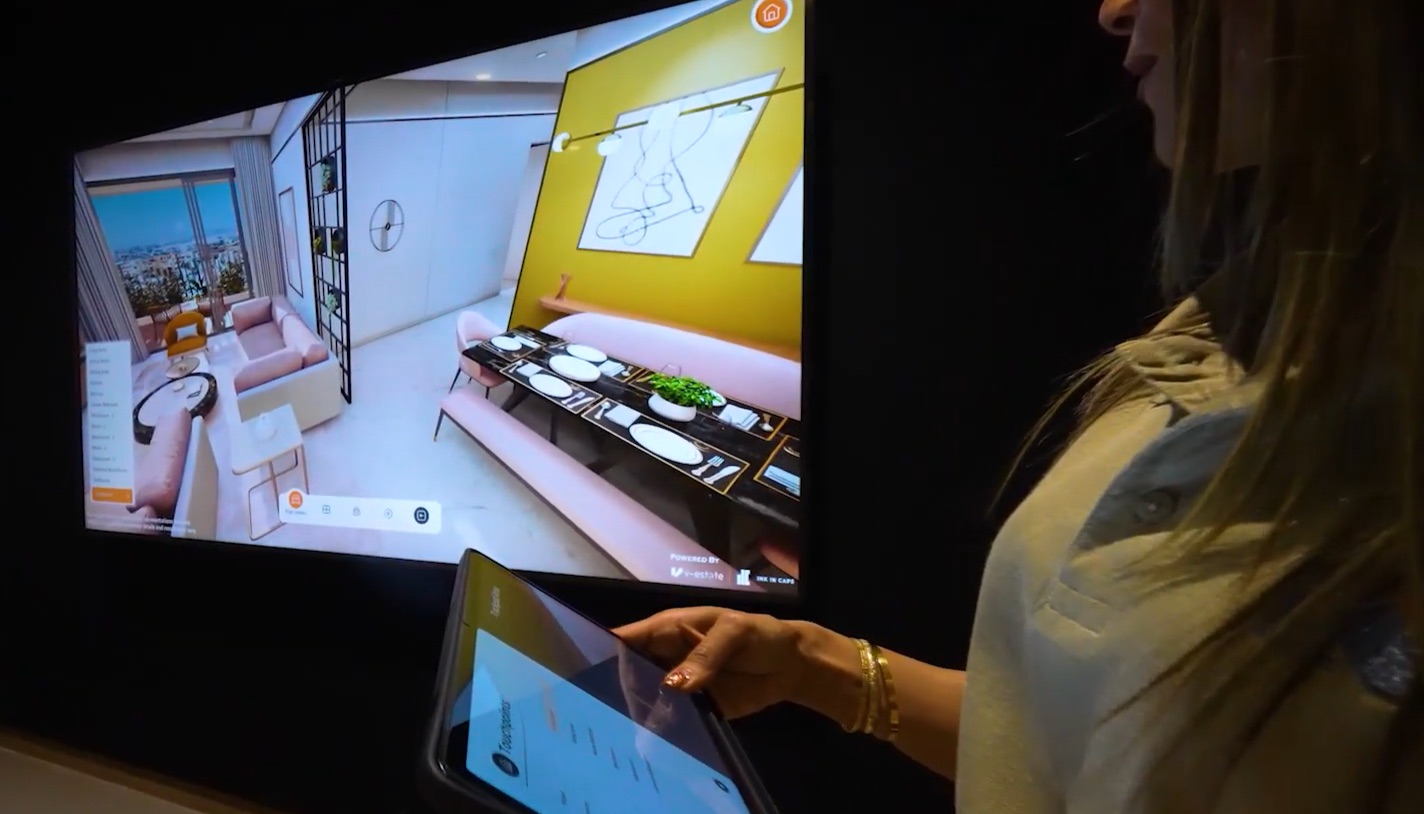
While personalization in VR for property marketing offers more advantages to buyers, it doesn't benefit them alone. A well-made VR tool can also help out the developers and property marketers in the following ways:
Improved pre-sales performance and conversion rates
When a developer adds VR software to their project, they don't have to wait for the site's construction to be complete before they start marketing it. As such, what pre-sales previously relied on the developer's reputation or past projects, now shows the potential buyers what they will be paying for. Additionally, since the experience is immersive and the buyer engages with customizations like changing their decor, furniture, wall color, etc., there is a chance that they form an emotional connection with their new home. This increases the probability of them going along with the deal, which in turn results in higher conversion rates.
Reduced marketing costs
Another advantage of VR tools is reduced marketing costs. When a developer relies solely on traditional tools like brochures, they often end up spending more than they might need to. However, this changes when a project includes a good VR experience center. So, even though brochures are important and aren't going anywhere, including VR marketing tools improves the buyer's journey.
For example, if a developer only makes use of brochures. They end up spending a lot more since most buyers take it with them home to compare with other options. While there isn't anything inherently bad with that, when a VR software answers their queries, there is a good chance that at least some people will skip the traditional route and use the experience center. Thus, when their experience is good, and they decide to go along with buying the property, they won't even need the brochure anymore.
Get important user behaviour data
No matter whether a buyer goes along with their purchase or just leaves after exploring the unit. Developers need to ensure that the experience center software is able to collect data about buyers' interactions and usage patterns. This way, they can find what features interested the buyers or what features the non-buyers skipped. All of this is valuable information, as developers and real estate agents can use this data to see what they can do to improve sales.
At the end of the day, it is an undeniable fact that property personalization in VR changes the way people buy real estate for the better. The ability to visualize and modify the virtual space that represents the property in real time increases the buyer's confidence in the developers, which in turn gives them a competitive advantage in the market.
As such, it is safe to assume the demand for personalized VR experiences for properties will only grow. And the ones who offer the best experience will be the ones to get the most buyers. So if you are ready to be one of those developers, Get in touch with our team of experts now, and together we will make an unforgettable experience.