.jpg)
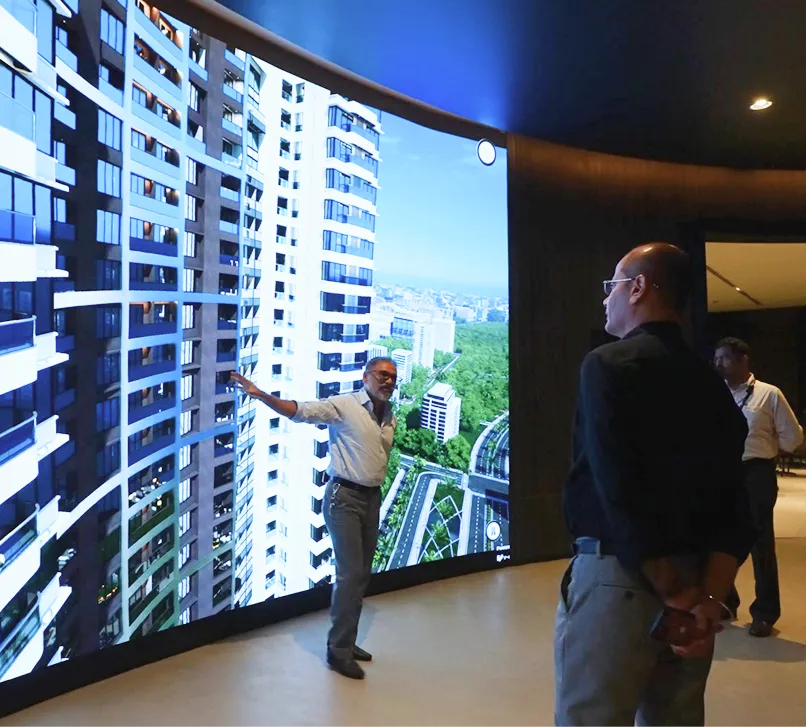
Sales convert when prospects see the finished product clearly. When visuals lack clarity, decisions slow down. Off-plan sales suffer when buyers can't visualize space, finishes, or natural light. Photorealistic 3D virtual show flats solve this problem. They deliver precision without physical infrastructure.
Off-Plan Sales Face Visualization Barriers
Buyers struggle with incomplete information. Static renders don't communicate scale. PDFs and brochures leave finishes open to interpretation. Prospects visit sites multiple times because they can't mentally construct the space.
Sales teams waste hours answering repetitive questions. Layout concerns. Finish options. Sunlight angles. Window views. Each query extends the cycle.
Physical show flats solve some problems but create others. They're expensive to build. They occupy prime site space. They lock teams into one layout, one finish palette. Customization becomes impossible.
Marketing budgets absorb the cost. Sales velocity stays flat.
Virtual Show Flats Replicate Real Environments Digitally
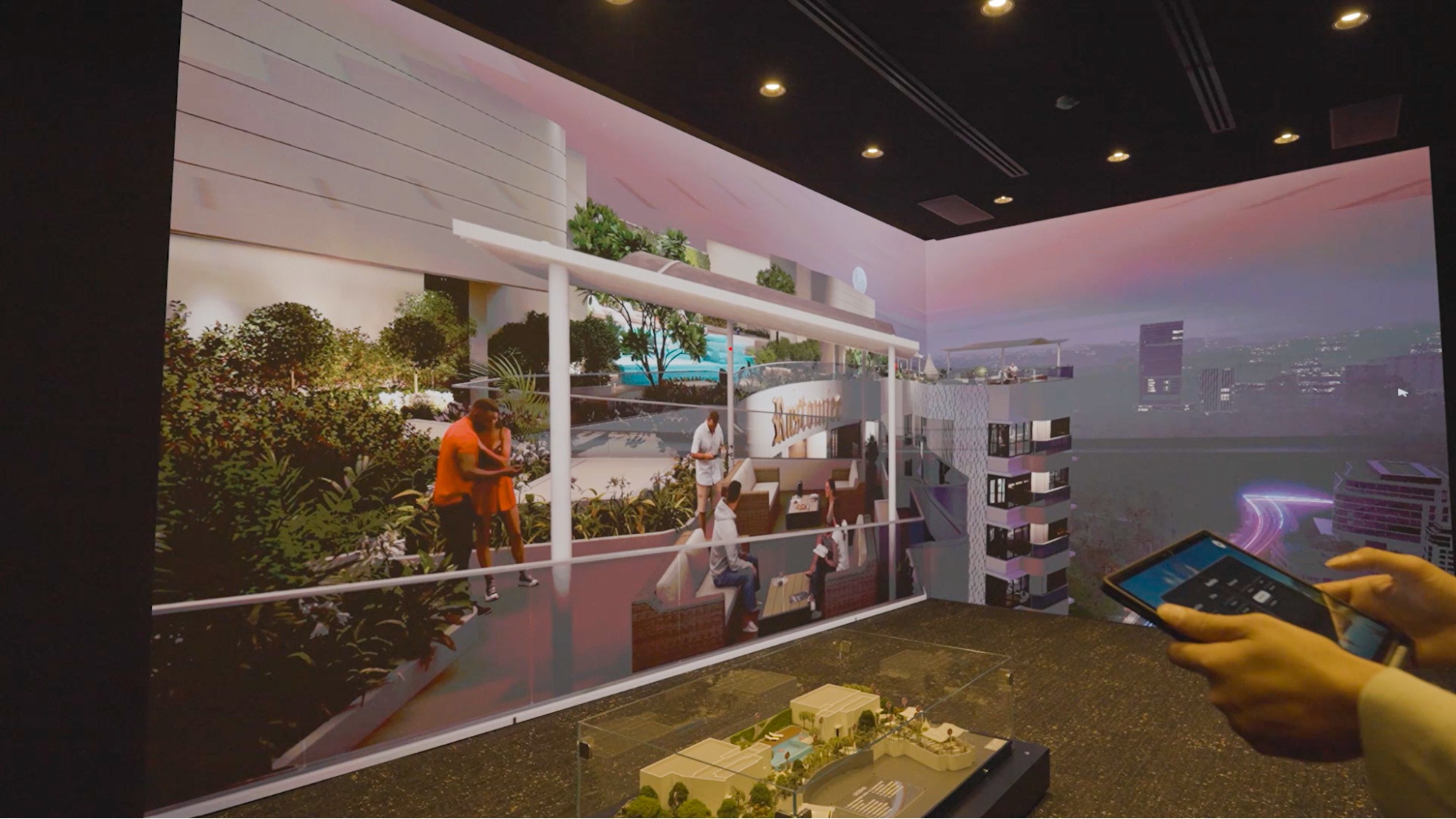
Photorealistic 3D environments eliminate guesswork. They replicate interiors, exteriors, and surrounding areas in one interactive model. Prospects inspect materials, test sightlines, and explore layouts before construction completes.
These tools don't rely on imagination. They present the product as it will exist. Buyers walk through rooms. They view furniture placement. They check natural light at different times of day. Decisions accelerate because doubt decreases.
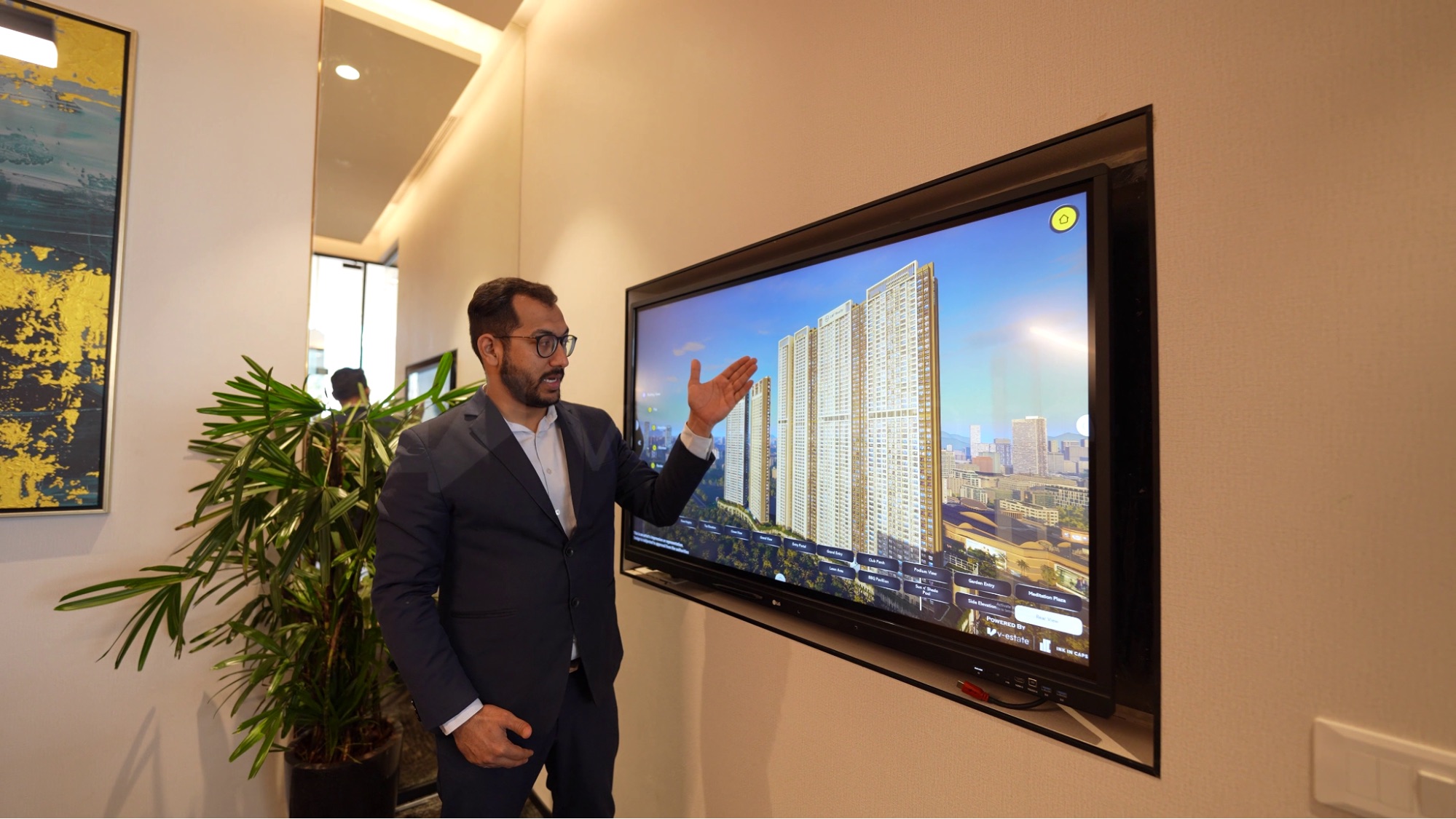
V-estate delivers this functionality through an interactive sales tool designed for real estate. The platform produces lifelike property representations. Prospects control their exploration. They customize finishes, change furniture, and adjust lighting conditions.
The experience runs in sales offices, experience centers, or kiosks. No internet dependency. No technical skill required from buyers.
Business Impact on Sales Performance
Decision timelines compress. Visual clarity drives purchase intent faster than traditional collateral. Buyers commit when they understand the product completely.
Site visits decrease. Many layout and finish questions resolve virtually. Sales teams qualify leads before scheduling physical tours. Unqualified prospects drop out earlier.
Physical mockups become optional. One digital model replaces multiple staged units. Budgets shift from temporary construction to reusable assets.
Lead quality improves measurably. Prospects who engage deeply with virtual tours convert at higher rates. They've already explored options. They arrive at site visits with informed preferences.
One master model generates multiple outputs. Web tours. VR experiences. Marketing videos. Printed renders. The asset scales across channels without recreation.
Technical Specifications That Matter
Photorealism isn't negotiable. Materials must match architectural intent precisely. Reflections, textures, and finishes need accuracy. Buyers compare virtual models to finished units. Discrepancies damage trust.
Dynamic lighting separates functional tools from decorative renders. Prospects need day-to-night cycles. They need seasonal weather variations. They need shadow studies. Expectations form around these details.
Customization drives engagement. Users swap flooring. They change wall colors. They test furniture arrangements. Real-time updates keep the experience fluid.
Performance determines usability. Frame rates must stay smooth during walkthroughs. Lag kills immersion. Touch-screen responsiveness matters in experience centers. The tool should feel intuitive, not technical.
Output flexibility ensures longevity. Models export to web platforms, VR headsets, video formats, and kiosk displays. One build serves multiple deployment scenarios.
Implementation Steps for Development Teams
Data handover happens early. Provide floor plans, elevations, material schedules, and landscape layouts before modeling begins. Incomplete inputs cause delays and rework.
Validation gates prevent over-promising. Use architectural sign-off checkpoints. Lock visuals after approv
als finalize. Version control protects accuracy.
CRM integration captures prospect behavior. Track which scenes prospects view longest. Monitor customization attempts. Identify drop-off points. This data refines follow-up strategies.
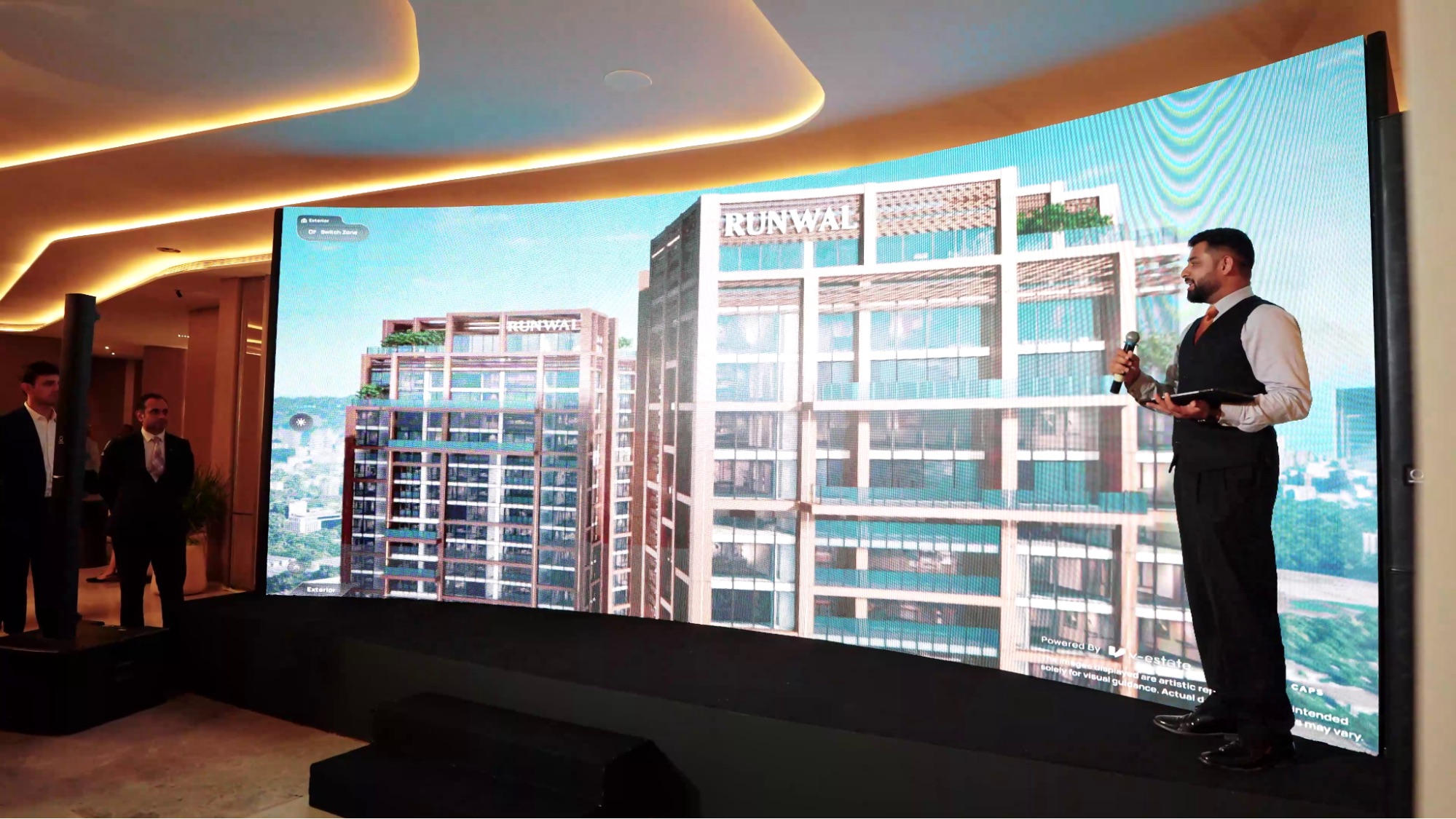
Experience center design matches user expectations. Screen scale affects immersion. Input methods—touch, mouse, or headset—change interaction patterns. Plan the physical environment around the digital tool.
Accessibility determines adoption. Guided tours help non-technical buyers. Simple navigation gestures reduce friction. The tool should welcome all comfort levels.
Sales Alignment Drives Conversion
Virtual tours become primary discovery assets. Embed them in lead capture pages. Include configurator links in nurture sequences. Let prospects explore before sales contact.
Train teams with scenario playbooks. Which scenes close conversations. Which options trigger price objections. Which amenity views drive priority site visits. Map virtual interactions to sales responses.
Interaction data informs follow-up. Time spent in each room. Customization preferences. Scenes revisited multiple times. Sales teams enter conversations with context.
Messaging adapts based on engagement patterns. Prospects who explore amenities receive connectivity-focused content. Prospects who customize interiors receive finish-upgrade offers. Personalization improves without guesswork.
Metrics That Validate Investment
Time to decision measures impact directly. Track median days from first demo to booking. Compare against historical baselines.
Conversion rates from virtual tour to site visit reveal qualification effectiveness. Higher rates indicate better pre-filtering.
Engagement depth shows interest intensity. Time spent in the model. Number of scenes viewed. Customizations attempted. Deep engagement correlates with conversion likelihood.
Cost per qualified lead changes with virtual deployment. Calculate before-and-after figures. Lower costs justify continued investment.
Sales cycle reduction proves velocity gains. Compare current cohorts against past projects. Quantify time savings in days or weeks.
Risk Management for Scaled Deployment
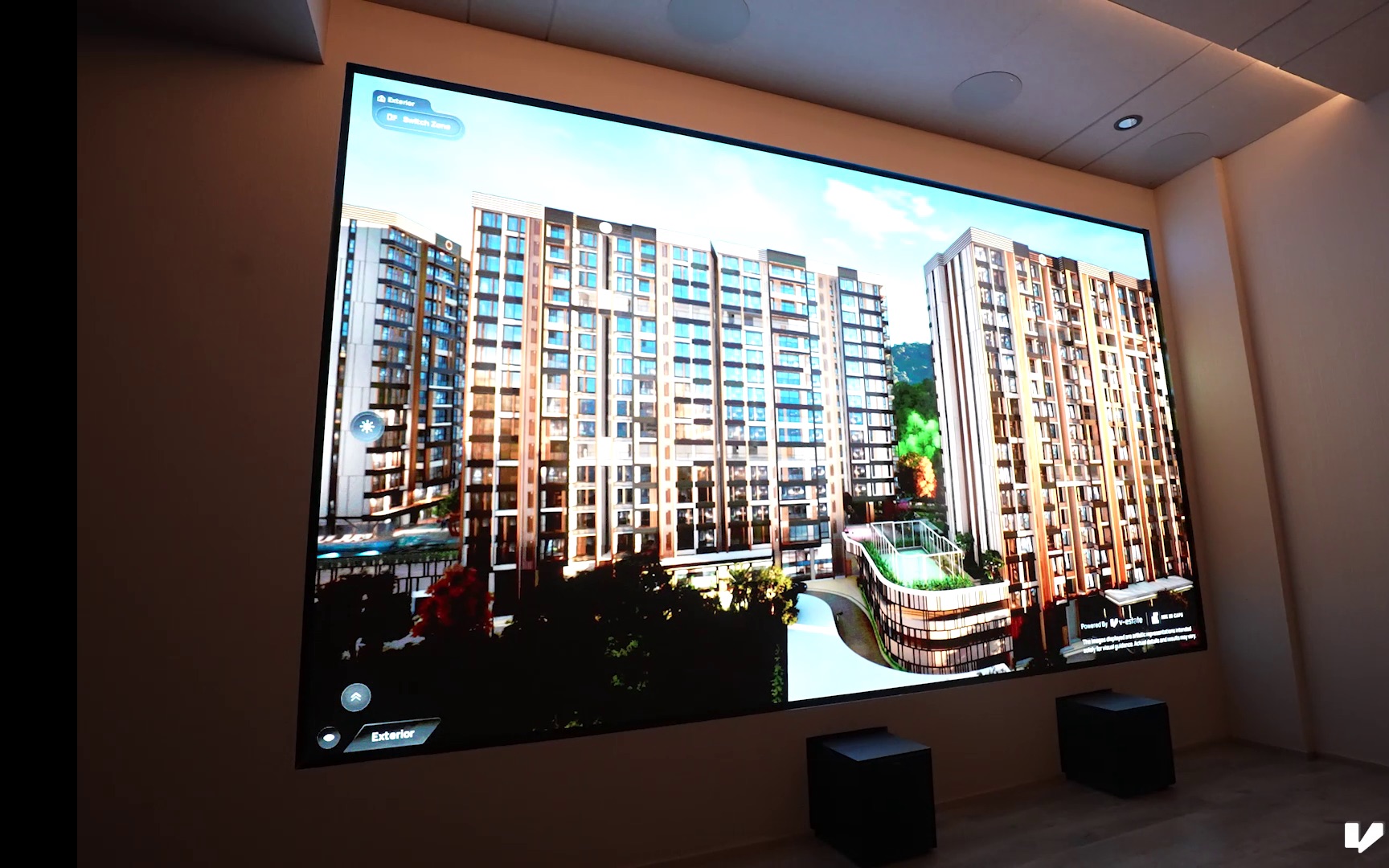
Model accuracy protects credibility. Keep virtual representations aligned with specifications. Over-promising damages trust permanently.
Version control prevents confusion. Lock visuals after architectural approval. Changes mid-project create delivery mismatches.
Hardware testing precedes public launch. Test experience center setups before buyer demos. Technical failures during presentations cost credibility.
Fallback assets handle edge cases. Maintain static renders and video walkthroughs. Low-bandwidth scenarios or hardware failures need backup options.
V-estate Platform Relevance for Developers
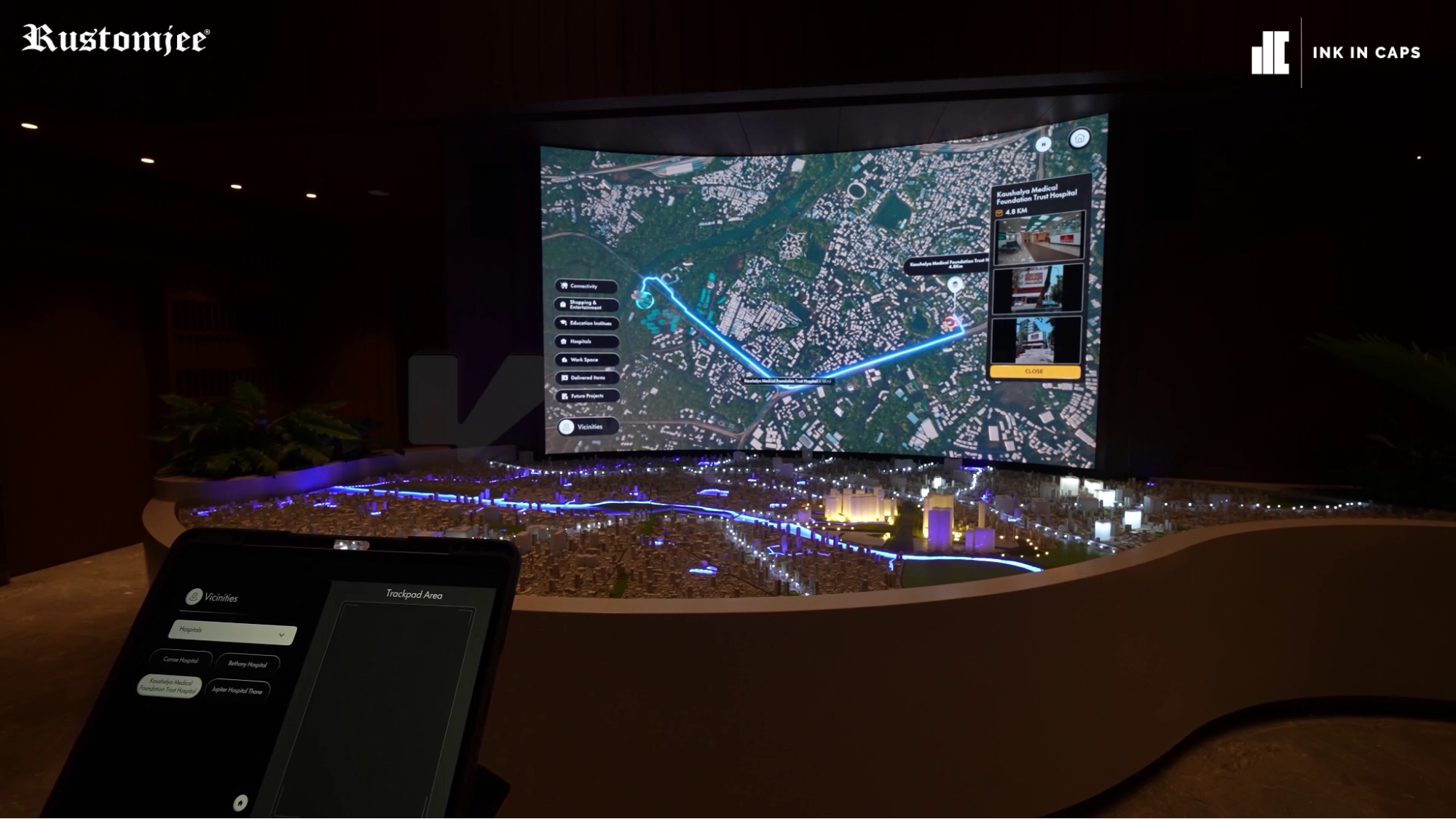
V-estate functions as an immersive interactive sales tool for real estate. The platform handles property visualization from interiors to vicinity mapping. Prospects see minute details like window views from specific seating positions.
Amenity showcases map nearby facilities. Current infrastructure and upcoming projects appear in context. Buyers understand connectivity and lifestyle proximity.
Customization includes wall paint, furniture selection, and fixture choices. Dynamic lighting controls show properties at different times and weather conditions. The experience adapts to individual preferences.
The platform operates without internet in sales environments. It functions in experience centers, kiosks, and sales offices. Deployment flexibility matches different sales strategies.
Deployment Recommendations
Start with a pilot. Test one tower or typical unit layout. Validate metrics before scaling across the portfolio. Proof of concept reduces risk.
Standardize outputs early. Ensure one master model feeds all channels. Consistency across web, VR, and experience centers maintains brand integrity.
Instrument every interaction. Use analytics to identify high-converting scenes. Data guides ongoing optimization.