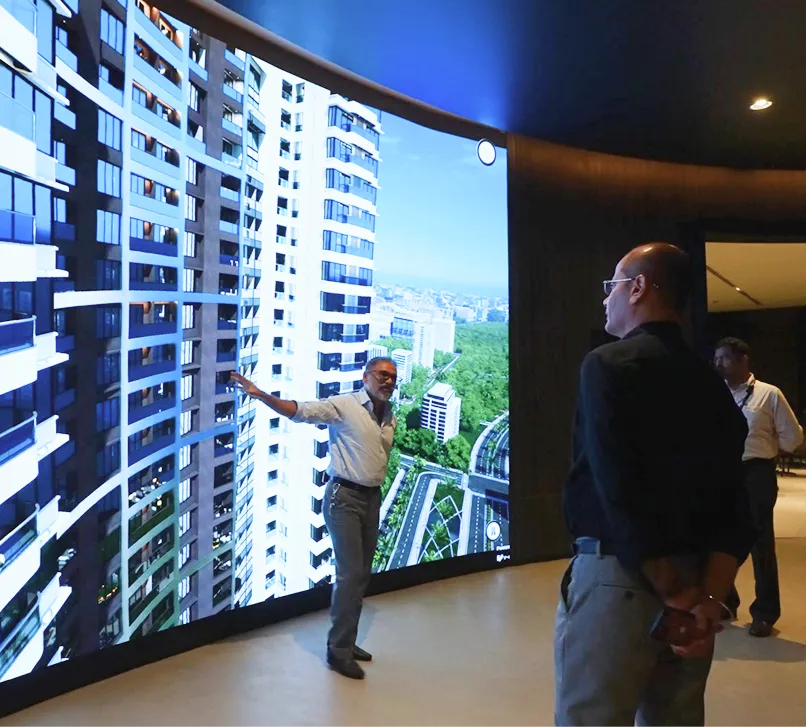
Implementing new software solutions can be challenging for real estate development teams already juggling multiple responsibilities. When that software promises to transform your customer experience like V-Estate does, a thoughtful onboarding process becomes essential. Here's how to ensure your team successfully adopts this powerful tool while minimizing disruption to your operations.
Start Before Day One: Pre-Onboarding Communication
The adoption journey begins before formal training. Start by communicating the upcoming changes to your team well in advance. Share why you've chosen V-Estate and how it aligns with your development goals. This creates anticipation rather than anxiety.
Early communication prevents resistance. When team members understand that V-Estate will streamline the property buying experience into an immersive journey that empowers customers, they're more likely to embrace the change.
Map the User Experience Journey
Consider the different roles on your team and how each will interact with V-Estate. Sales associates will focus on demonstrating the virtual tours and customization features, while marketing teams might leverage the photorealistic 3D virtual show flats for campaigns.
Every team member needs a personalized path that addresses their specific needs and shows how the software solves their everyday challenges.
Assemble a Champion Team
Identify enthusiastic early adopters across departments to form your V-Estate champion team. These individuals will:
Receive advanced training
Provide peer support
Gather feedback from colleagues
Demonstrate practical applications of features like dynamic lighting controls and virtual property tours
Champions create organic momentum when they show colleagues how V-Estate helps customers visualize their dream homes down to the last detail.
Create a Structured Training Program
Avoid the "one-and-done" training approach. Instead, develop a multi-stage program:
Initial orientation covering basic navigation and core concepts
Feature-specific sessions exploring detailed functionality like amenity showcases and customization tools
Role-based workshops addressing specific use cases for different team functions
Advanced capabilities training for power users
Space these sessions to give team members time to practice what they've learned between modules.
Assign Mentorship Pairs
Pair less tech-savvy team members with your digital natives. This buddy system creates a safe space for questions that might not come up in formal training. It also builds cross-departmental relationships that strengthen your overall team.
Mentorship accelerates adoption by providing just-in-time support when team members are applying new skills.
Set Clear Objectives with Measurable Goals
Define what successful adoption looks like at 30, 60, and 90 days. These might include:
Number of virtual tours conducted
Customer feedback scores on property visualization
Time saved in the sales process
Conversion rates compared to traditional methods
What gets measured gets managed. Tracking these metrics highlights the real value V-Estate brings to your development projects.
Create Feedback Channels
Establish multiple ways for team members to share their experiences, challenges, and suggestions:
Regular check-in meetings
Anonymous digital suggestion box
Usage analytics reviews
Customer reaction reports
Continuous improvement depends on honest feedback. When team members see their input leading to refinements, they become more invested in the platform's success.
Promote Integration with Existing Workflows
Show how V-Estate complements and enhances existing processes rather than replacing them entirely. This might mean integrating the customization features into your current client consultation workflow or connecting the amenity showcase to your existing neighborhood analysis process.
Evolution feels less threatening than revolution. When team members see how V-Estate fits within familiar structures, adoption accelerates.
Thoughtful onboarding isn't just about technical training—it's about guiding your team through meaningful change. When implemented correctly, V-Estate becomes more than software; it becomes a competitive advantage that transforms how developers connect customers with their future homes.