Buyers don't commit based on data sheets, they commit when they can see what they're paying for.
Most developers miss this point completely, underestimating how much visual certainty a buyer needs before moving from casual interest to serious intent.
This gap is costing sales velocity, creating objections, and extending decision cycles across the industry.

Buyers Expect Visual Certainty, Not Verbal Promises
The modern real estate buyer walks in with higher expectations than ever before, having browsed dozens of projects online and compared specifications thoroughly.
But when they arrive at your sales office, they hit a wall of incomplete information.
Floor plans don't communicate scale, leaving buyers unable to understand how their furniture will fit or how rooms connect in real life.
Renders look polished but remain vague, unable to answer questions about actual views, natural light patterns, or spatial flow throughout the day.
Show flats represent one unit type, while the rest of the inventory remains abstract concepts that buyers struggle to visualize.
Site visits show construction progress but fail to explain lifestyle integration, connectivity benefits, or the neighborhood context that influences long-term value.
The result is predictable: buyers leave with more questions than answers, follow-ups pile up across your sales team, and decision timelines stretch far beyond targets.
You lose momentum in critical sales cycles, your team loses efficiency in repetitive explanations, and conversions drop below projections.
When Buyers Can't Visualize, They Stall
Uncertainty triggers caution in every buying decision, and real estate is no exception to this fundamental rule. If a buyer cannot mentally place themselves in the space and understand how they'll actually live there, they default to waiting mode. They revisit competitors, ask for discounts to offset perceived risk, and request multiple clarifications that consume team bandwidth.
Common friction points include confusion about actual room dimensions and usability for their specific needs, inability to compare different unit configurations side by side in meaningful ways, and anxiety about choosing the wrong layout or floor level. Skepticism toward off-plan marketing materials runs high, creating over-reliance on sales teams for every minor detail.
Developers pay the price through low walk-in to booking conversion rates, extended sales cycles that miss quarterly targets, and pressure to offer premature discounts that erode margins. High drop-off rates after initial site visits become the norm rather than the exception.
This isn't a marketing problem or a positioning issue; it's a visual communication gap that needs a functional solution at the sales center level.
The Solution: Immersive Visual Clarity at First Contact
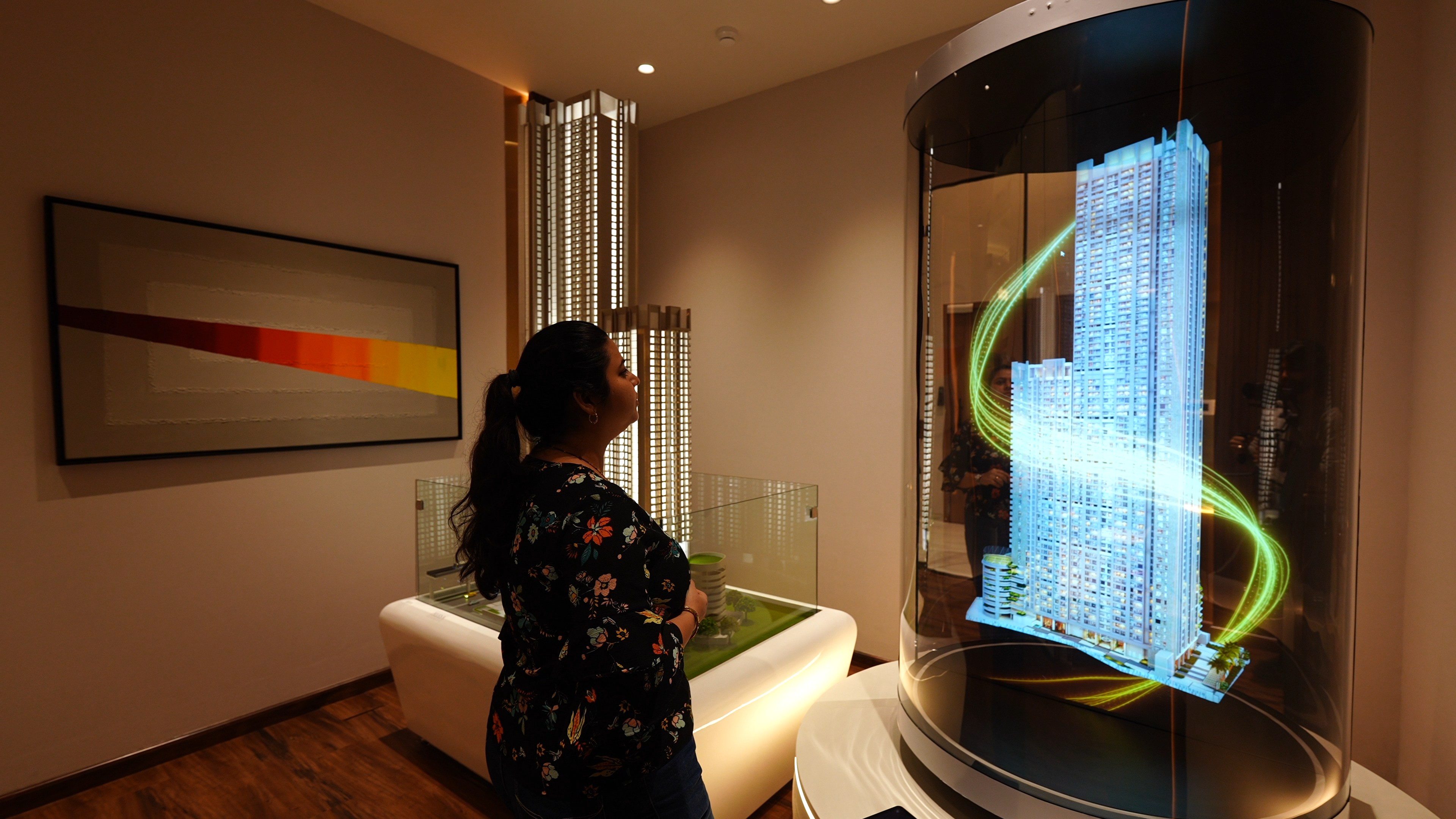
An offline interactive tool changes the equation entirely by consolidating the fragmented buying journey.
Instead of relying on scattered explanations with floor plans here, renders there, and verbal descriptions everywhere, you consolidate the entire experience into one continuous visual journey.
The principle is direct and proven: show them enough to remove doubt, don't ask them to imagine what they can't see.
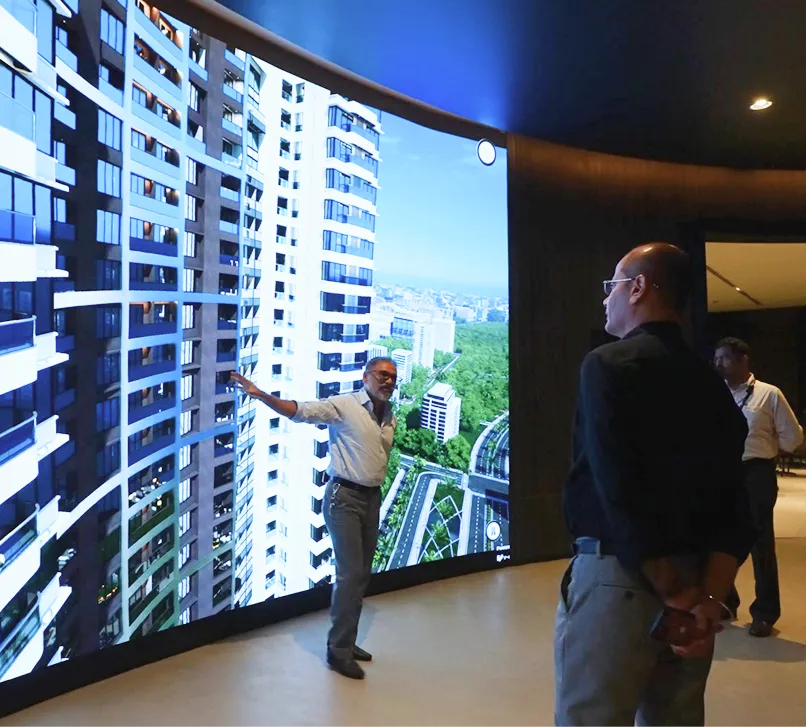
Let buyers explore the property as if they already own it, controlling what they see and experiencing the space in detail before signing commitments.
.jpg)
Photorealistic 3D Show Flats Replace Guesswork
Buyers walk through interiors in full spatial clarity that static images simply cannot provide.
They see actual proportions and understand how rooms connect, grasping the flow between living areas, bedrooms, and balconies in real time.
Materials, finishes, and lighting conditions are rendered with accuracy that removes the imagination gap completely.
No more asking buyers to "imagine this wall in a different color" when they can see it rendered instantly, and no more claims that "the living room feels bigger in person" when they experience accurate scale upfront.
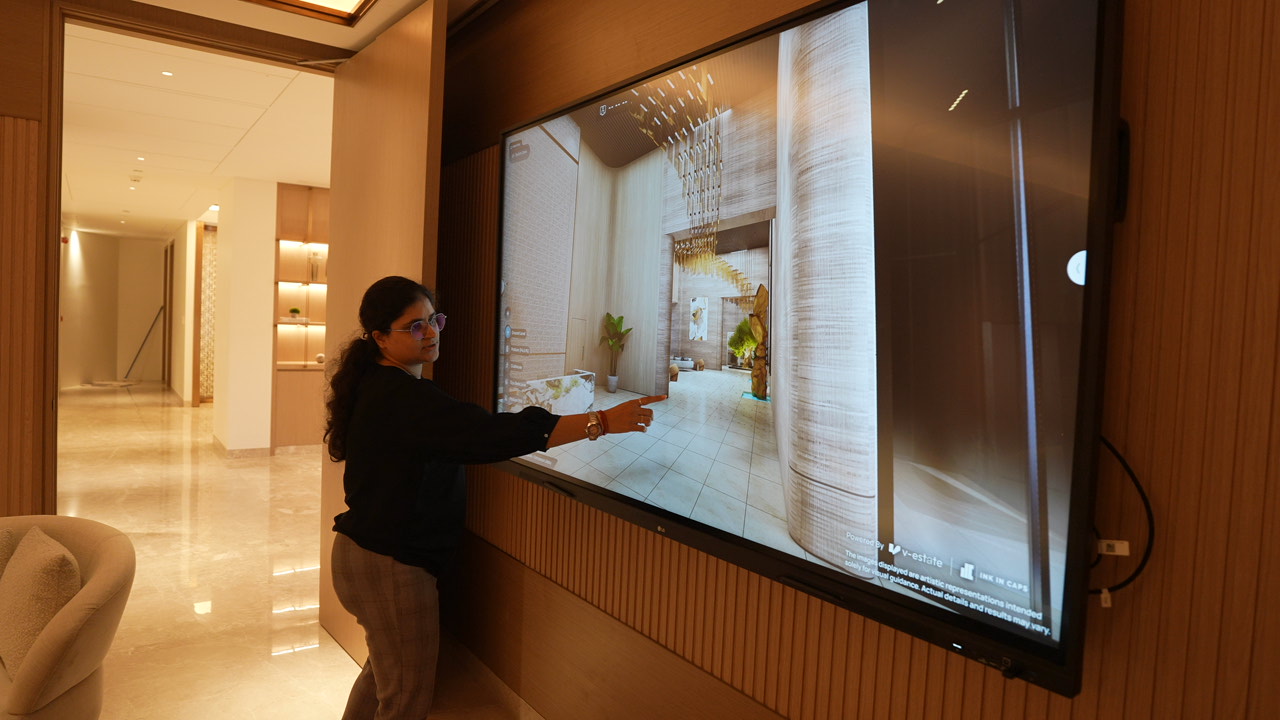
Actual Window Views Address the Biggest Unknown
One of the most underestimated concerns in off-plan buying is the simple question: what will I see from my window every morning and evening?
Buyers want to know if they'll face another building, a park view, or open sky, and they need to understand morning light patterns and evening views.
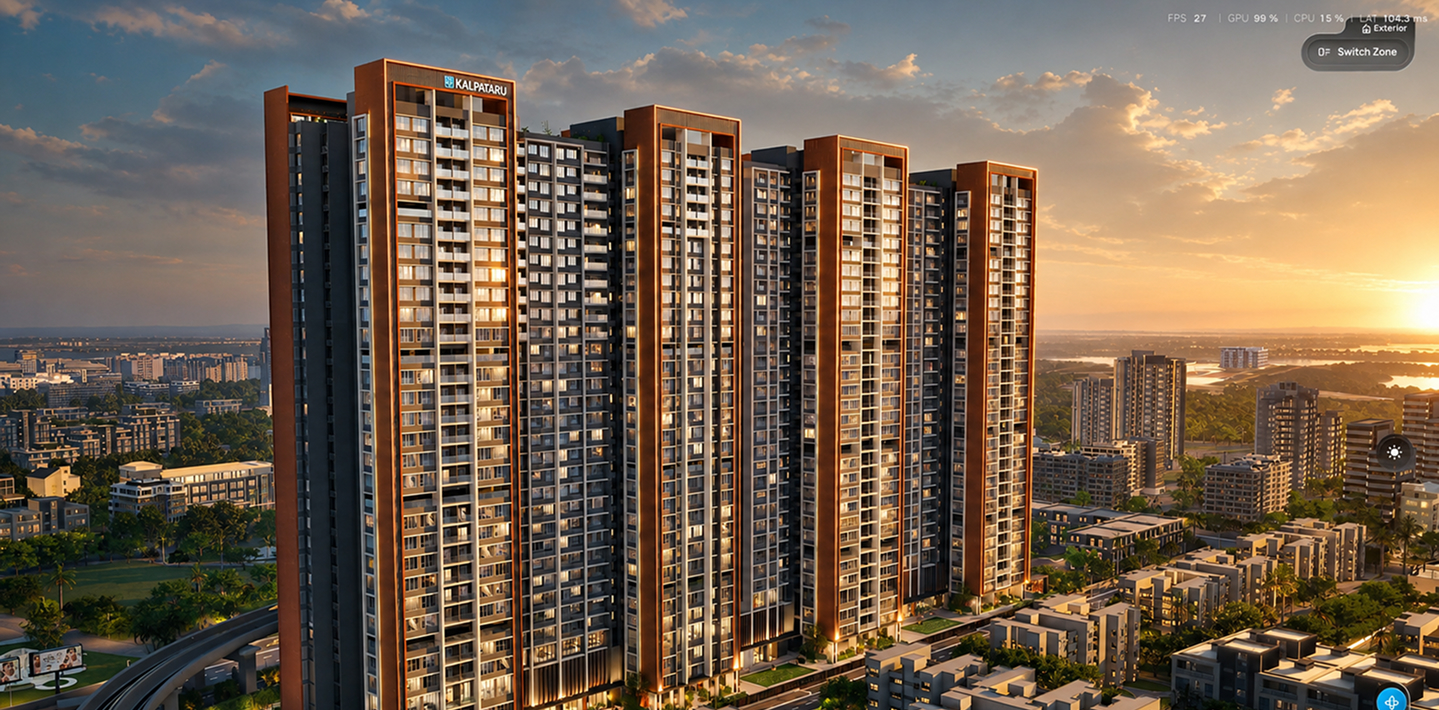
Directional view simulation solves this critical gap by showing buyers the real view from their specific unit based on exact orientation, whether east-facing, west-facing, or any other direction.
This removes a major psychological barrier to commitment that verbal descriptions can never fully address.

Interior Customization Eliminates Post-Booking Surprises
Buyers control design elements in real time, adjusting wall colors and textures, furniture layouts and styles, décor themes and finishes, and spatial arrangements based on their specific lifestyle needs.
They see their version of the home rather than a generic show flat that may not match their unit configuration.
This builds mental ownership before the transaction even happens, reducing post-booking modification requests and complaints that typically arise from unmet expectations.
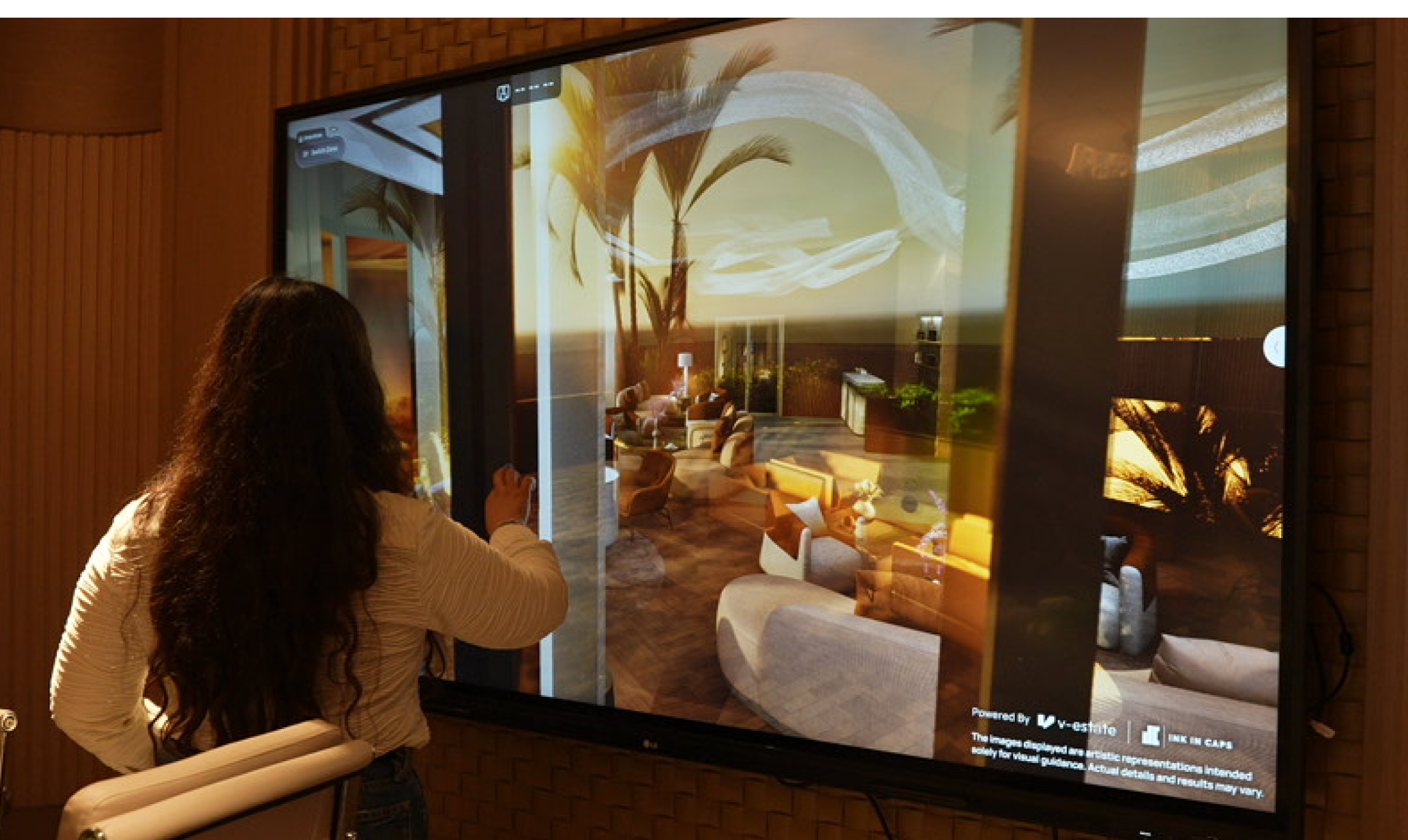
Dynamic Lighting and Weather Conditions Build Long-Term Confidence
A home doesn't exist in a single frozen moment, and buyers understand they'll live in it across seasons, times of day, and varying weather patterns.
They see how natural light enters the space at dawn and creates ambiance through the day, experiencing evening lighting conditions and understanding how the home looks during monsoon seasons.
This depth of understanding directly impacts perceived long-term value because buyers feel like they've already experienced living there across different conditions.
Amenity and Neighborhood Mapping Solves Lifestyle Doubts
Buyers don't just buy a unit in isolation, they buy into a lifestyle and a location that will shape their daily routines.
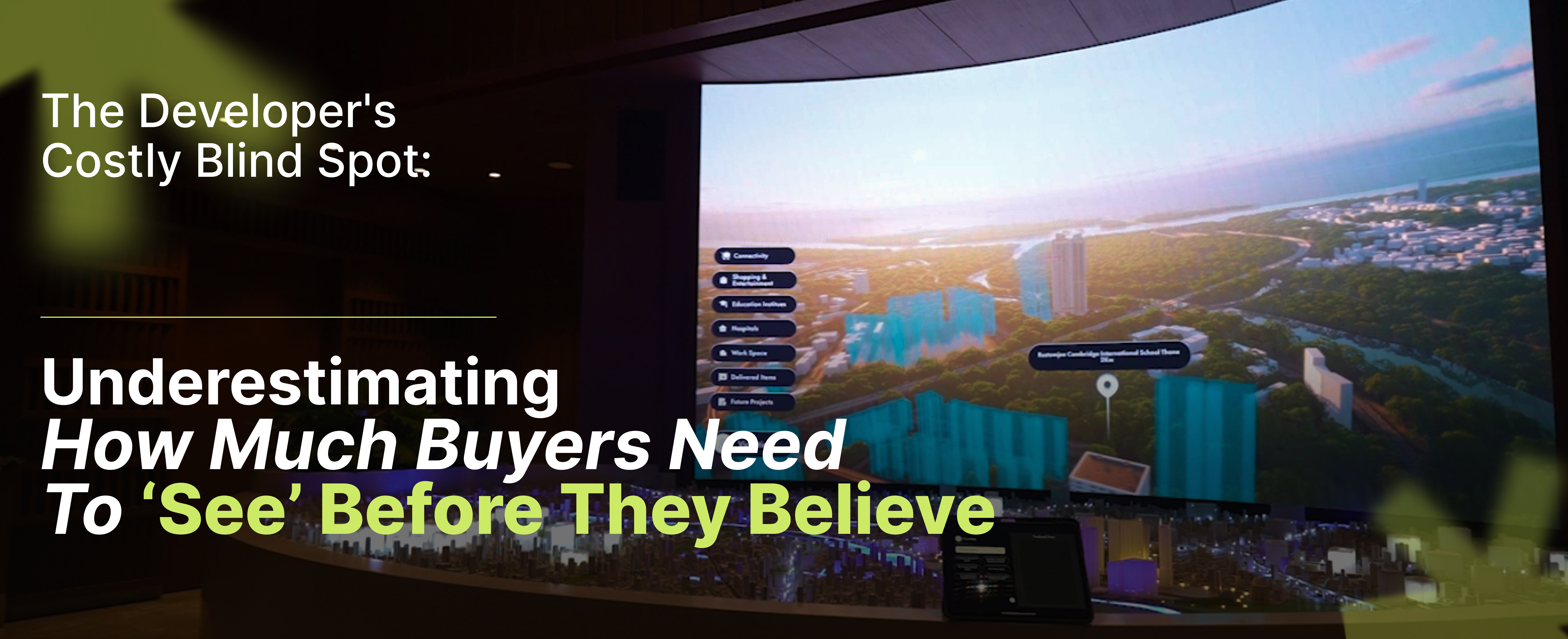
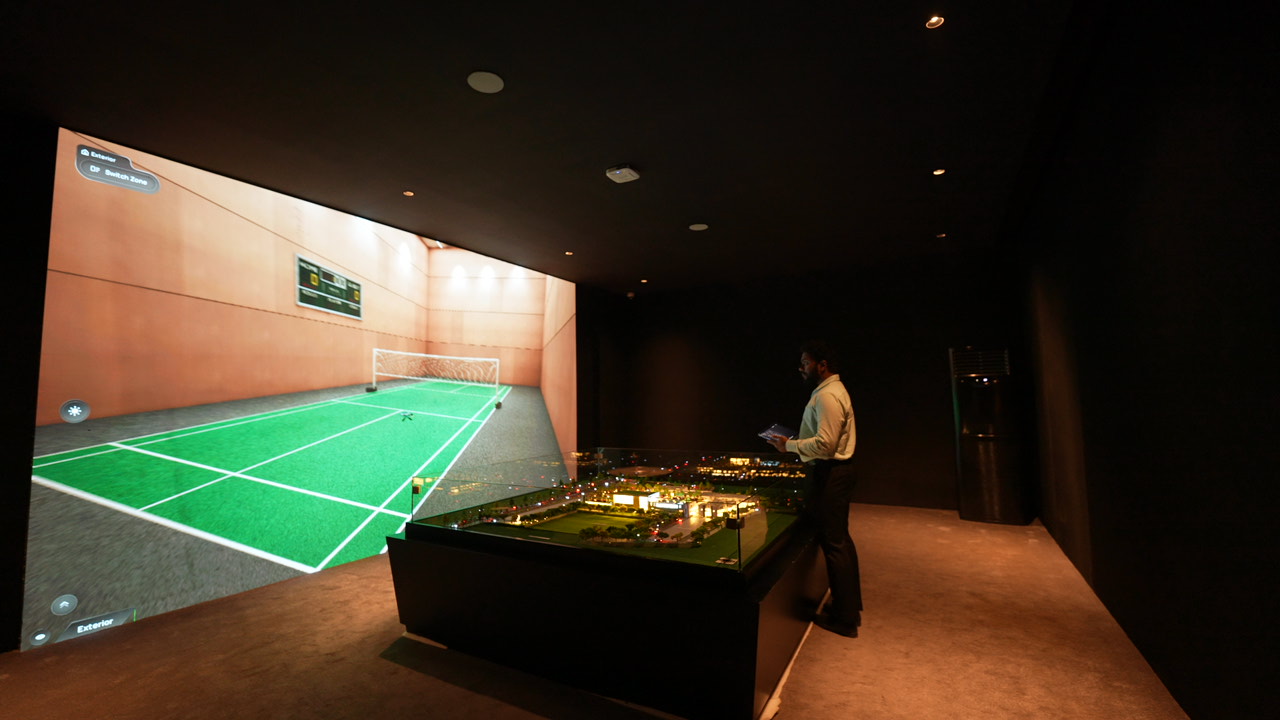
Visual mapping of internal amenities like gyms, pools, and clubhouses, combined with external conveniences including schools, hospitals, and transit hubs, provides complete context.
Nearby and upcoming infrastructure projects are displayed alongside connectivity and accessibility routes that matter for daily commutes.
This answers questions about daily living, convenience, and future appreciation potential in one comprehensive interaction rather than through separate presentations or verbal reassurances.
Why This Matters for Developers Right Now
Reduced decision friction means buyers move faster through the sales funnel when they don't need to decode plans or imagine layouts from scratch.
Higher sales team productivity comes from spending less time explaining basic features and more time closing deals with informed buyers.
Stronger buyer confidence emerges from visual depth that removes perceived risk, especially critical for under-construction inventory where trust is harder to establish.
Operational cost savings accumulate through lower dependency on physical show flats, fewer repetitive site visits, and reduced need for multiple marketing collaterals.
Consistent brand experience ensures every walk-in gets the same level of clarity regardless of which sales person they interact with, eliminating variation in pitch quality.
Market Conditions Demand This Shift
Competition is intensifying across every micro-market while buyer patience is shrinking with each passing quarter.
Customers are more informed than ever, more comparison-driven in their approach, and more cautious about committing to off-plan purchases.
You cannot afford informational gaps at the first point of contact when competitors may be providing clearer visual communication.
Every moment of confusion works against conversion rates and extends sales cycles beyond acceptable timelines.
Structured immersive tools support faster inventory absorption during launch phases, stronger conversion rates when momentum matters most, and premium positioning credibility that justifies pricing.
Transparent customer engagement builds trust while alignment across sales, marketing, and CRM teams improves operational efficiency.
Your sales center becomes a complete decision ecosystem rather than just a presentation space with brochures and floor plans.
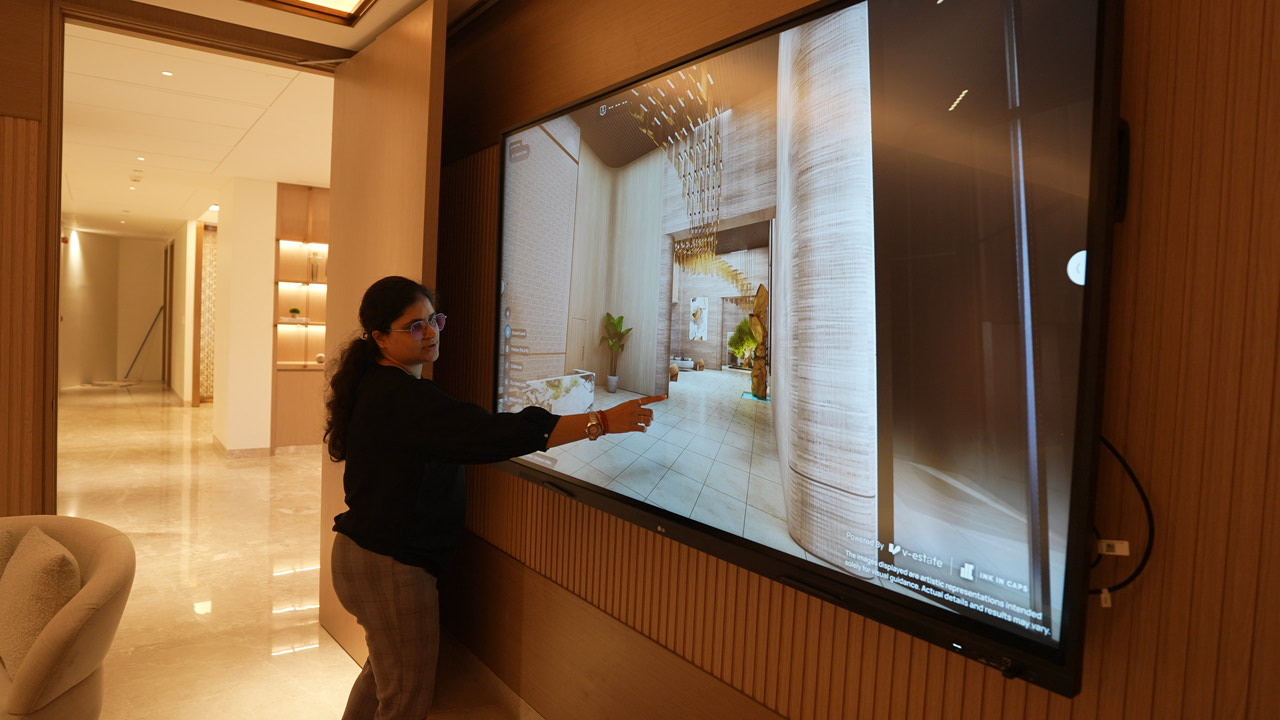
Clarity is Your Competitive Edge
Developers who give buyers more to see will always outperform those who expect buyers to imagine what isn't shown.
Visual clarity reduces resistance at every stage of the buying journey while controlled exploration builds confidence in the purchase decision.
Confident buyers commit faster, reducing your sales cycle length and improving quarterly absorption rates.
If you want to accelerate bookings, reduce objections that derail deals, and create a more informed buyer experience that supports premium pricing, the first step is straightforward.
Remove every point where the buyer is forced to imagine what their home will look like, how it will feel, or what they'll experience daily.
Replace imagination with clarity through immersive visual tools, replace guesswork with visibility into actual conditions, and give them enough to see and enough to believe.
That belief drives decisions, and those decisions drive your sales performance.
Is your sales center equipped to meet today's buyer expectations? If walk-ins are leaving with more questions than commitments, if your team is spending hours explaining what buyers still can't visualize, or if conversion rates aren't matching your project's potential, it's time to close the visual gap. See how an immersive offline sales tool transforms buyer confidence into faster bookings and stronger absorption rates. Let's discuss what clarity could do for your next launch.