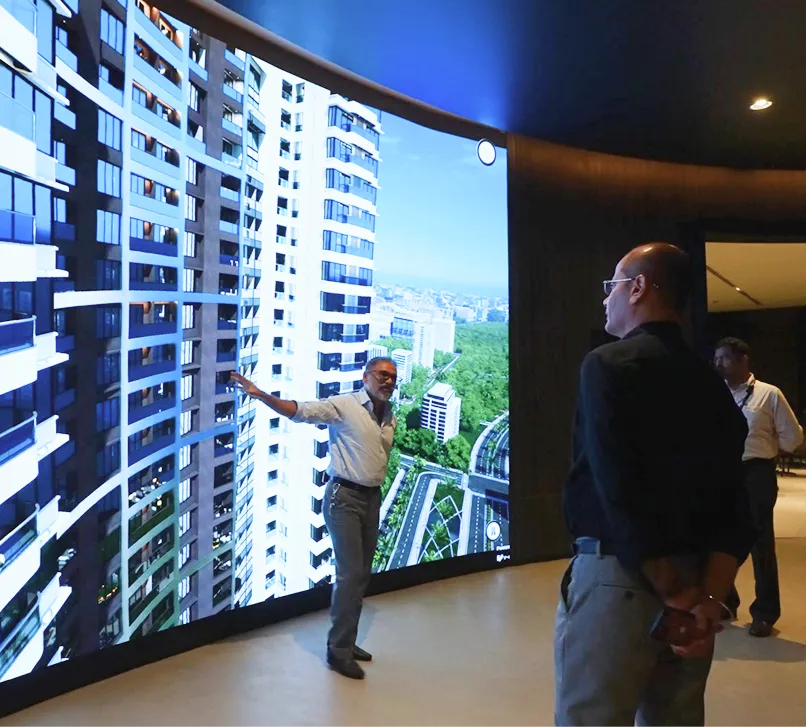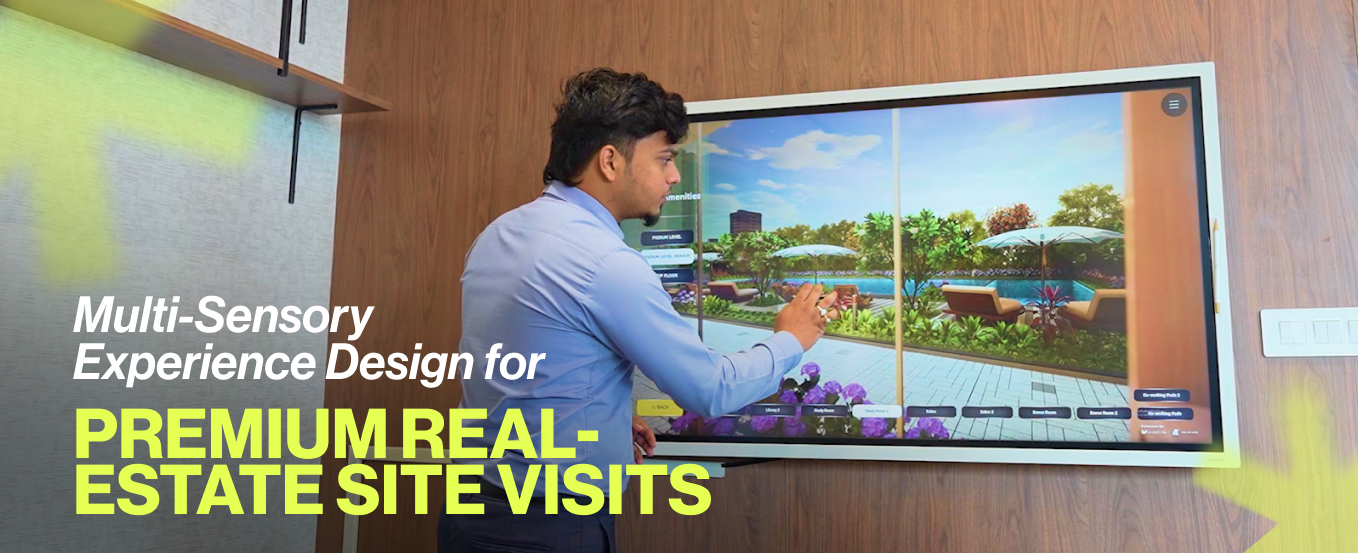
Buyers visit your site once. Their decision hinges on what they experience in those minutes. Static models and verbal descriptions don't cut it anymore. Premium real estate demands precision. Buyers need to see, feel, and understand before committing capital.
The gap between expectation and reality costs developers millions in lost conversions.
The Real Problem: Why Traditional Site Visits Fail to Convert
Site visit conversions in premium segments average below 20%. The culprit isn't the property itself. It's the presentation gap.
Buyers struggle to visualize spatial relationships. Light conditions shift throughout the day—yet presentations remain frozen in time. They can't assess how furniture fits without imagining it. Customization options overwhelm rather than clarify. A buyer sees a unit at 2 PM and imagines it at 7 AM. Two entirely different properties.
Decision fatigue kills deals. Uncertain buyers request repeat visits. Marketing teams spend resources on follow-ups that should have closed on-site. Developers waste capital on uncommitted prospects. Retention plummets when buyers second-guess their choices after leaving.
The cost? Longer sales cycles. Higher acquisition costs. Reduced conversion rates in your most profitable segment.
Moving Beyond Static Presentations
Immersive offline activations change the equation. These aren't digital gimmicks. They're precision tools that replicate real-world conditions on-site.
The strategy combines photorealistic 3D environments with tangible customization controls. Buyers don't imagine—they test. They don't guess—they verify. The confidence gap closes instantly.
Offline systems work without internet dependency. They run reliably at remote sites. No streaming delays. No connectivity issues. Data remains secure on local systems. Your team maintains complete narrative control.
Photorealistic 3D Virtual Show Flats: Precision Visualization
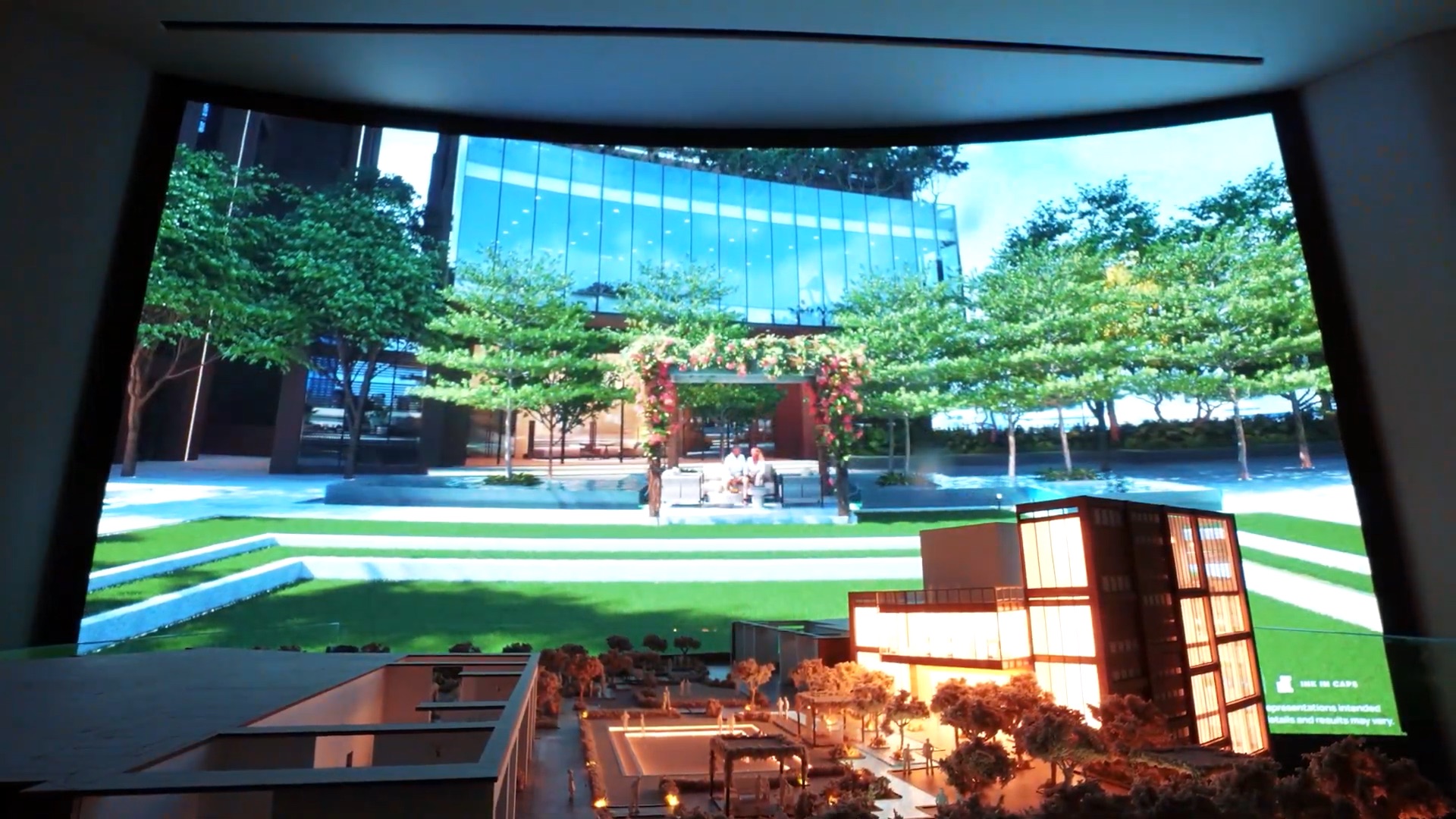
Virtual show flats render properties with architectural accuracy. Every detail matters—window placements, ceiling heights, material finishes, spatial proportions.
Buyers see actual views from their potential unit. The outside world renders in real-time based on GPS coordinates and site data. They visualize evening light filtering through windows. Morning sun exposure becomes clear. Glare issues appear on-screen—before purchase regret sets in.
Lighting behaves like reality. Golden hour warmth appears in kitchens. Night lighting reveals fixture effectiveness. Seasonal variations show year-round ambiance. Monsoon conditions expose drainage patterns. Sunny days highlight glare factors. Fog tests visibility standards.
No guesswork. No imagination gaps. Buyers see exactly what they're purchasing.
Amenity Mapping and Connectivity Intelligence
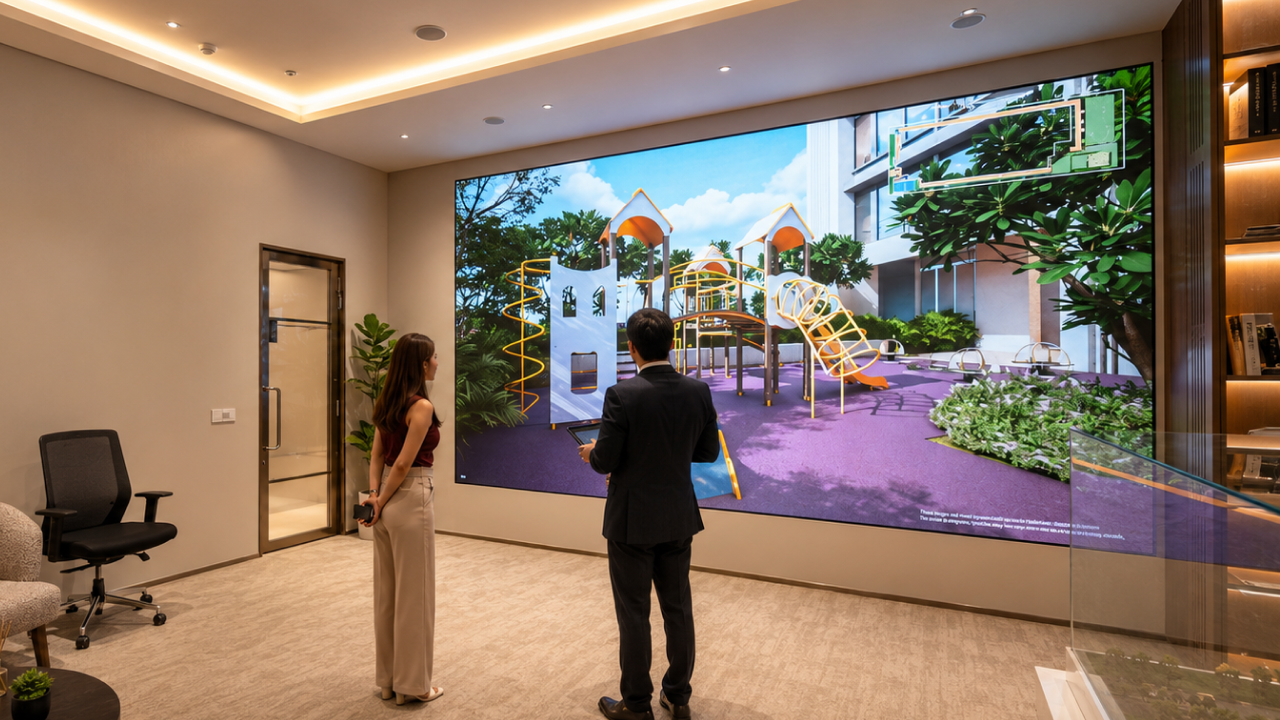
Premium properties aren't about the unit alone. Lifestyle proximity determines actual value.
Interactive maps plot schools, hospitals, commercial centers, parks, and entertainment venues. Current phases appear. Future projects outline development trajectories. Commute routes calculate with traffic patterns. Office proximity measures in minutes, not kilometers.
Buyers see contextual reality. A family assesses school access immediately. Young professionals gauge office commute feasibility. Active buyers identify recreational facilities. Connectivity becomes tangible data, not marketing narrative.
This offline approach keeps information controlled. No internet delays. No data breaches. Analytics compile locally and export for analysis later.
Customization Controls That Reflect Buyer Preferences
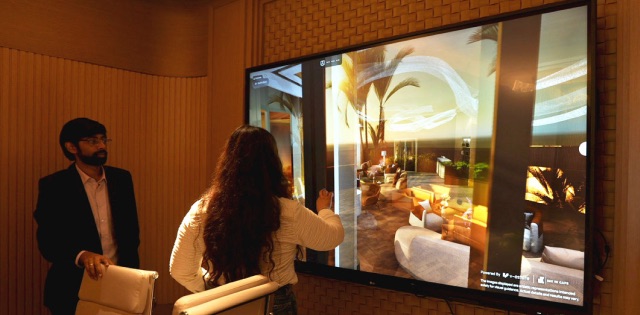
Buyers own the visualization process. This shifts psychology from passive observation to active decision-making.
Wall colors swap in real-time. Matte finishes compare against gloss options. Textures and material variations display instantly. Fabric swatches pair with visual renders—buyers feel quality while seeing placement.
Furniture positioning tests spatial fit. Sofas scale to room dimensions. Layouts adjust to buyer preferences. Clutter reveals poor design choices before purchase. Buyers test configurations that work for their lifestyle.
Dynamic controls unlock layered insights. Lighting sliders transition from dawn through dusk. Weather toggles reveal property performance under different conditions. Seasonal shifts show year-round visual appeal. These aren't aesthetic flourishes—they're risk reduction tools.
Offline Activation Delivers Operational Reliability
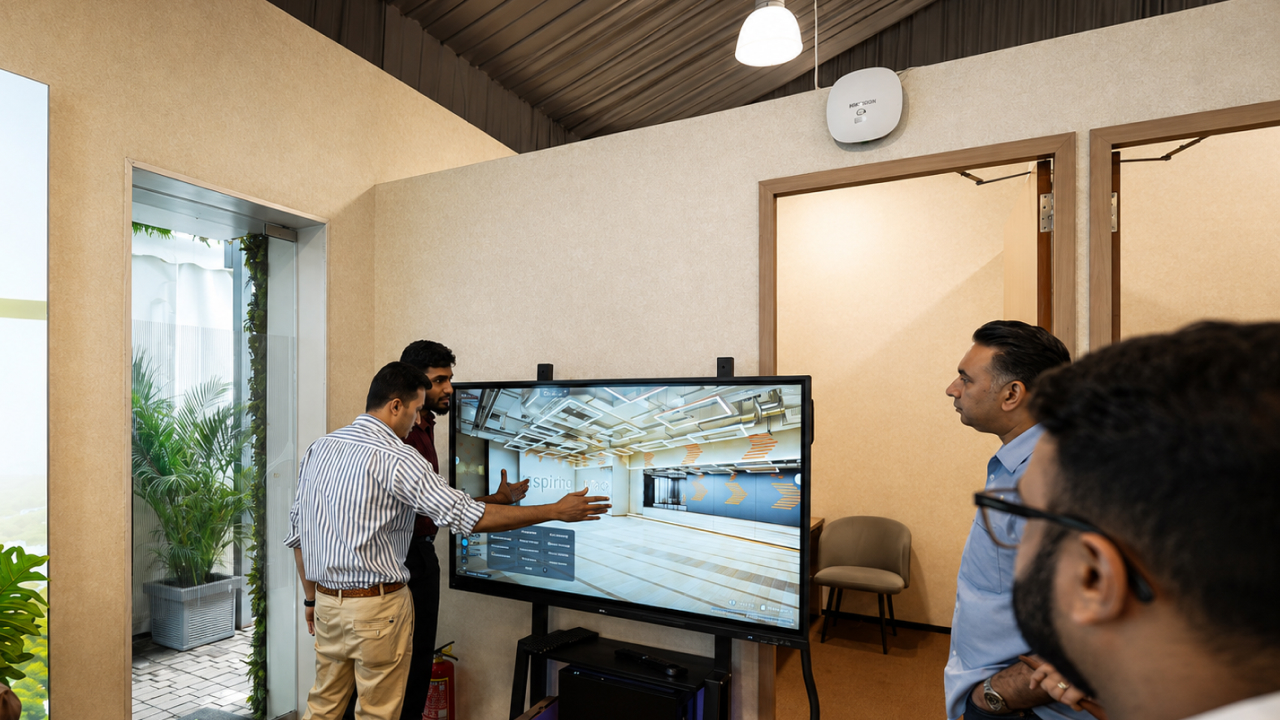
Remote sites, power instability, connectivity gaps—offline systems handle all constraints.
Setup requires minutes. Hardware transports easily to events. Multiple stations scale to high-traffic visits without degradation. Teams train quickly on simplified interfaces.
Local data logging means analytics function independently of network infrastructure. Recording preferences, interaction patterns, and engagement metrics happens automatically. Performance data exports later for refinement.
Your team controls the complete experience. No external dependencies. No surprise outages. No data vulnerabilities.
Conversion Impact and Sales Acceleration
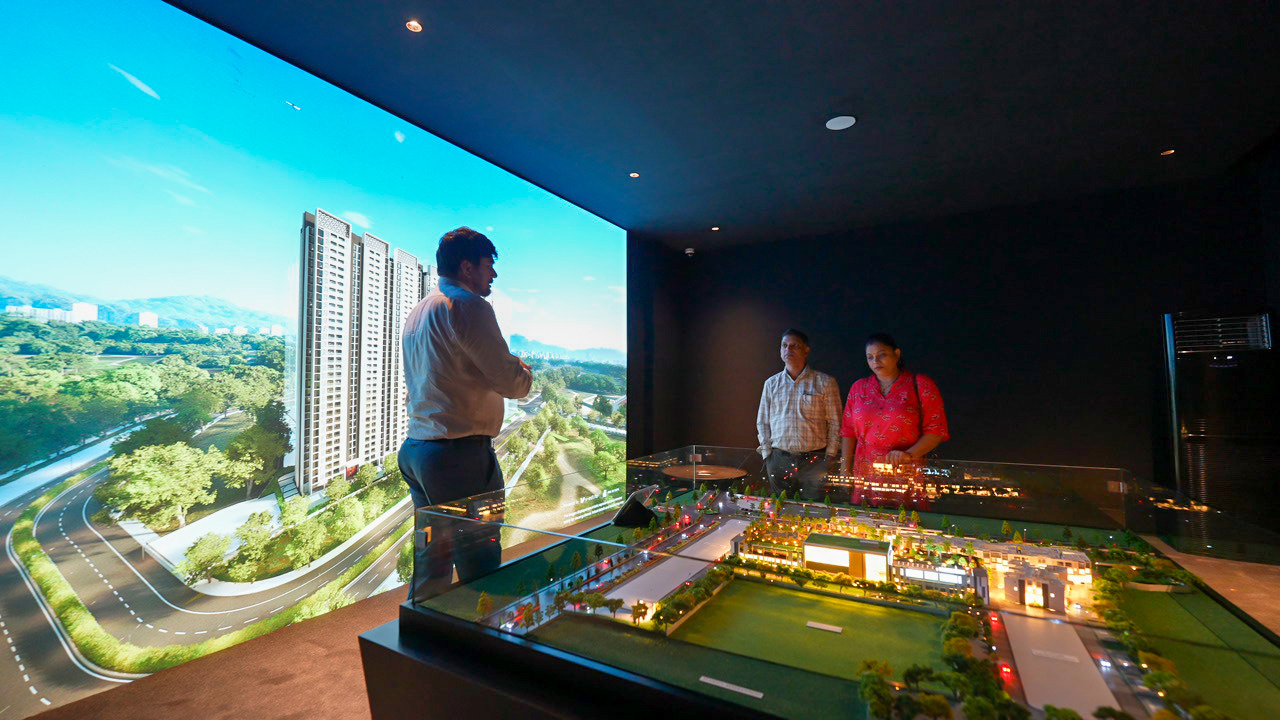
Immersion cuts decision uncertainty dramatically. Conversion rates lift 40% higher compared to traditional presentations.
Repeat site visits drop 30%. Fewer follow-ups required. Sales teams close deals on-site rather than chasing leads. Detailed preference logs enable personalized follow-up communications when needed.
Buyer confidence accelerates timeline compression. From visit to contract closure in single sessions becomes standard. Dwell time doubles. Engagement depth increases. Decision quality improves.
Marketing heads measure concrete engagement metrics. Interaction data refines pitch strategies. Sales teams work from documented buyer preferences rather than memory. Developers allocate resources toward genuinely qualified prospects.
Core Capabilities That Drive Results
Photorealistic 3D rendering captures architectural precision and material authenticity.
Amenity overlay mapping visualizes real connectivity and lifestyle context.
Paint and furniture customization lets buyers test personal preferences instantly.
Dynamic lighting and weather controls reveal property performance across conditions.
Offline operational mode ensures reliable activations without infrastructure dependency.
Local analytics integration provides decision data without external servers.
Premium Projects Demand Differentiation
High-end buyers expect certainty. Multi-sensory offline activations deliver precision at scale.
Developers reduce physical demo costs. Virtual representation eliminates expensive scale models. Marketing alignment improves across buyer journey stages. Sales efficiency increases through on-site conversion.
The competitive advantage compounds. Properties perceived with higher confidence command premium positioning. Buyer satisfaction metrics improve. Referral velocity increases.
This approach solves the core challenge: closing the gap between buyer expectations and property reality—before purchase regret replaces initial excitement.

.jpg)
.jpg)