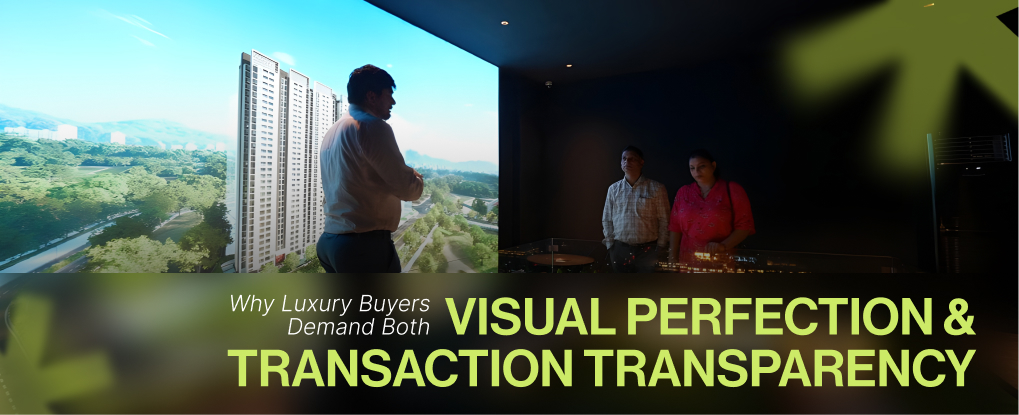
Luxury real estate buyers walk away from deals for two reasons: the property doesn't look right, or the purchase process isn't clear. Fix both, and you close faster. Ignore either, and you watch prospects disappear.
This isn't about buyer psychology. This is about fixing operational gaps that cost developers millions in stalled sales.
Visual Accuracy Sets the Entry Standard
Luxury buyers expect what they see to match what they get. Wood grain texture, natural light fall, exact sightline from a balcony—these details matter. When visuals fail to match reality, trust breaks. When trust breaks, deals die.
Photorealistic 3D show flats eliminate guesswork. Buyers inspect finishes, test furniture arrangements, verify views. Visual accuracy reduces objections during negotiations. It cuts buyer hesitation at contract stage.
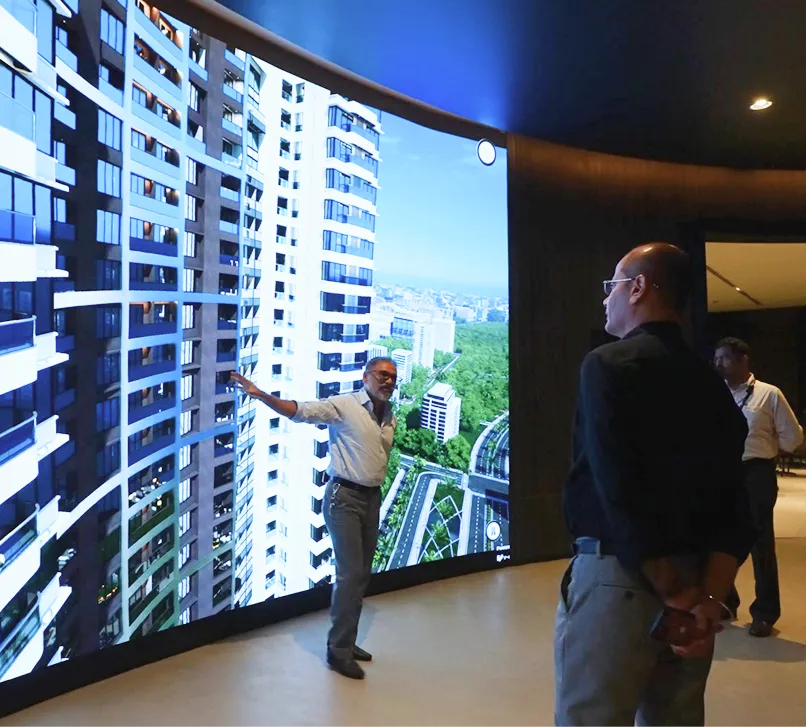
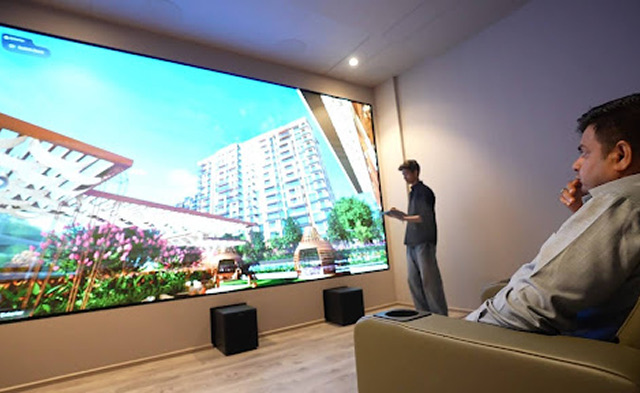
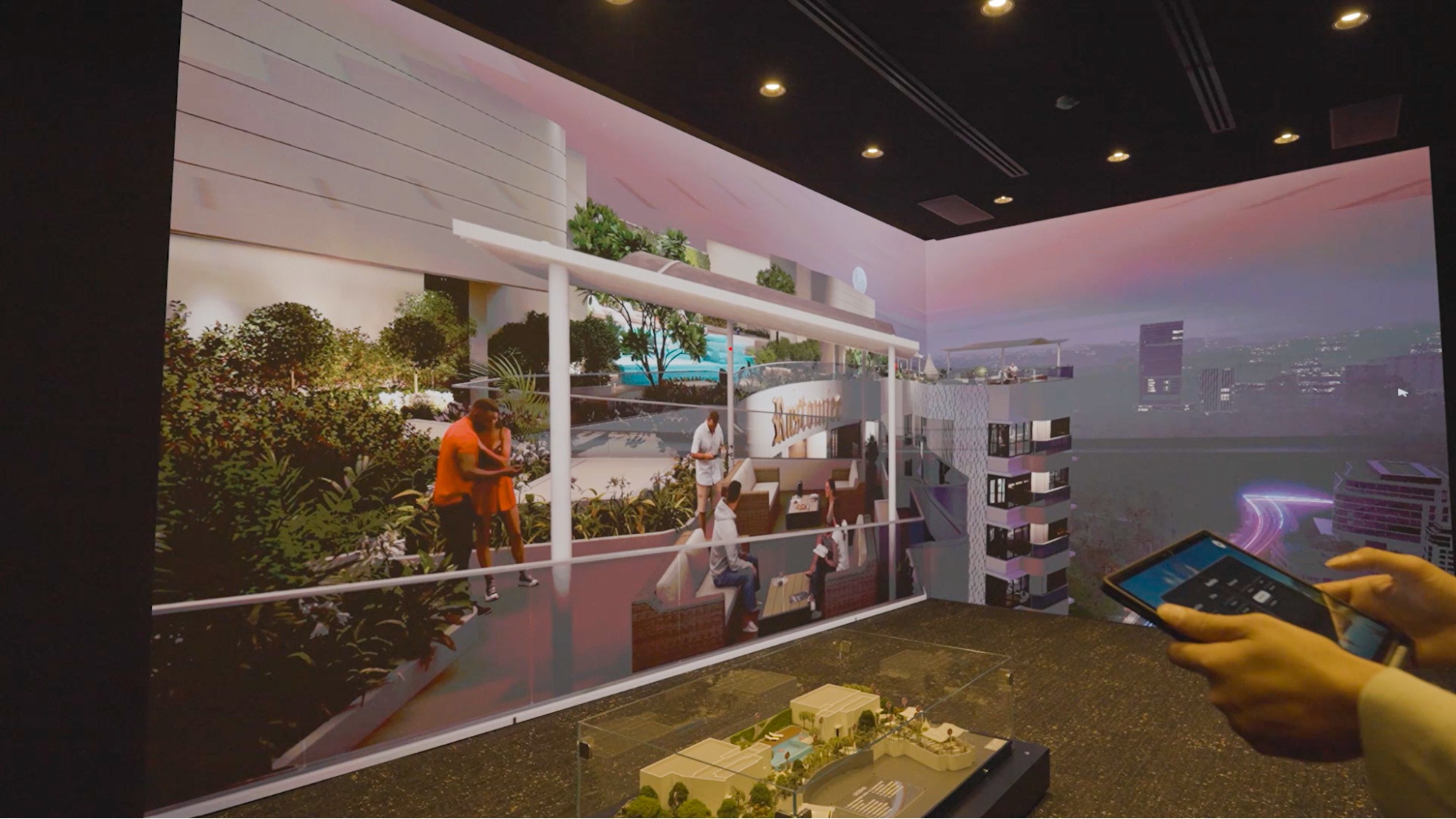
Physical experience centers with high-fidelity 3D environments deliver this accuracy at scale. Prospects walk through units that don't exist yet and make confident decisions. Perceived value increases. Decision time shortens.
Transaction Clarity Converts Interest into Commitment
Visuals create desire. Clear transaction terms convert desire into signed contracts. Buyers need exact unit specifications, payment schedules, completion dates, and variant pricing displayed upfront.
Opacity kills momentum. When buyers wait for answers on inventory status, handover windows, or cost breakdowns, they interpret delay as risk. Transparency removes friction. Clarity shortens sales cycles.
Operational Gaps Developers Face Daily
Marketing and sales operate in silos. Marketing delivers stunning visuals. Sales handles contracts separately. Buyers receive inconsistent information across touchpoints.
Critical details require follow-up calls. Site specifications, timeline confirmations, finish options—everything needs a callback. Buyers see this as disorganization, not diligence.
Specification drift creates disputes. Brochures show one finish package. Contracts list another. Pre-delivery inspections reveal a third version. Cancellations follow.
Offline experience centers sit underutilized. Teams assume interactive tools only work for remote buyers. This ignores the conversion power of in-person activations where visual fidelity meets instant contract clarity.
Connect Visuals Directly to Contract Data
Maintain one master dataset. Finishes, pricing, availability, timelines—everything draws from a single source. Marketing visuals and sales documents pull identical information. When prospects explore a show flat, the same data populates offers and contracts.
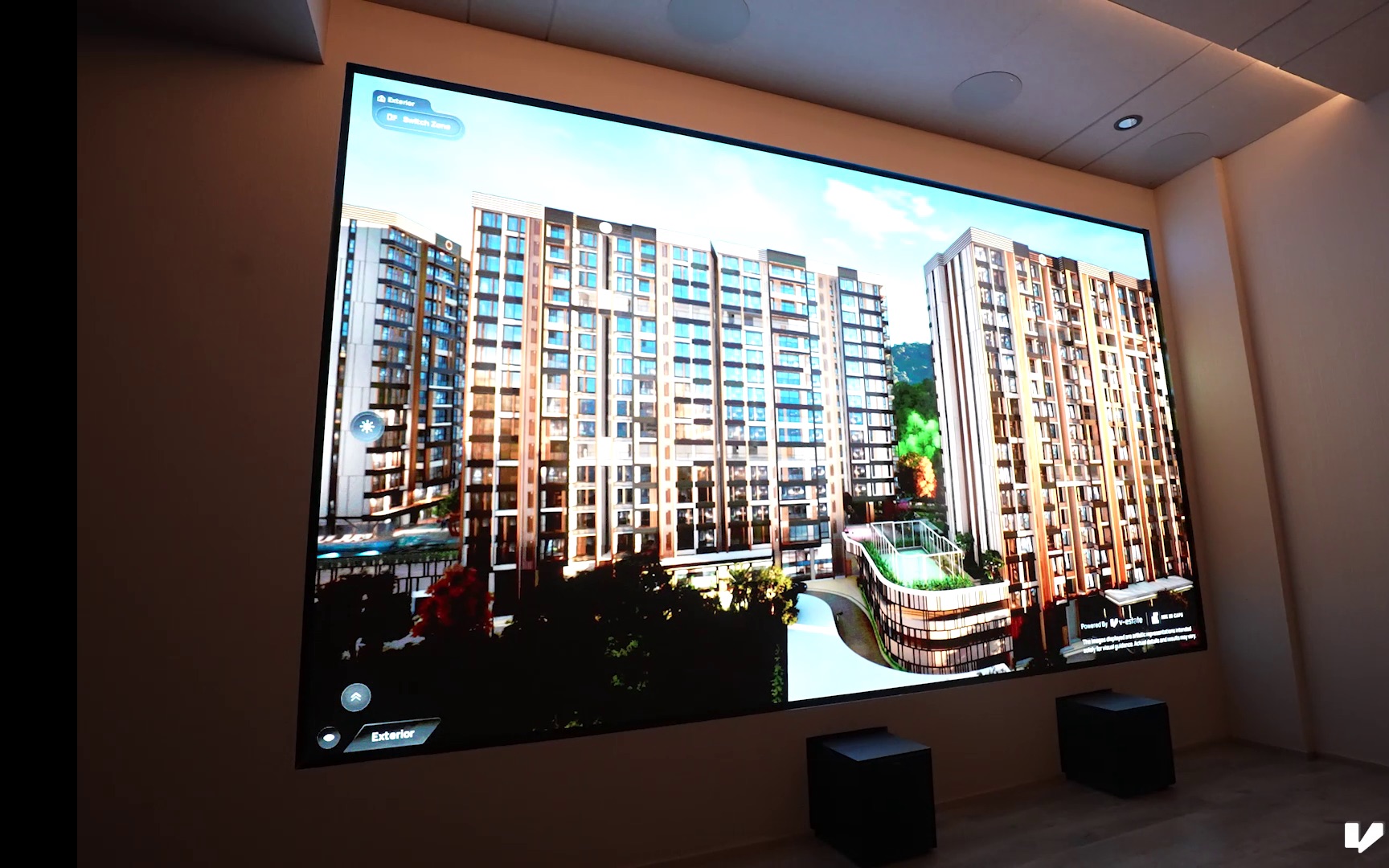
Display specifications at point of visualization. A buyer inspects a unit layout. One click shows the exact cost sheet, finish options, and delivery timeline. This removes guesswork and reduces follow-up questions.
Leverage offline activations properly. Experience centers combine photorealistic environments with on-site sales teams. Buyers examine properties in detail and receive contract-level answers immediately. This combination closes deals faster than any remote-only approach.
Enable Real-Time Customization with Instant Pricing
Let buyers modify layouts, finishes, and views during walkthroughs. They select marble instead of granite. The system recalculates price and shows the exact cost change instantly. No surprises later.
Make every variant visible and confirmable. Buyers toggle between flooring options, wall colors, fixture brands. Each change displays updated pricing and timeline impact. Transparency at selection stage prevents disputes at handover.
Document Commitments Immediately
Generate provisional summaries on the spot. A buyer selects a unit and customizes finishes at your experience center. The system produces a summary with exact specifications, total price, payment schedule, and next steps.
Email it immediately. Print it. Hand it over. Signed summaries reduce buyer churn. Written commitments prevent memory gaps and miscommunication.
Features That Remove Buyer Hesitation
Accurate sunlight simulation across times of day. Buyers see how natural light enters their unit at 7 AM, noon, and 6 PM. This prevents complaints about lighting after possession.
View simulation with external developments mapped. Show existing buildings, upcoming projects, transit routes. Buyers evaluate lifestyle context, not just interior walls.
Proximity mapping for amenities. Display distance to schools, hospitals, metro stations, shopping districts. Overlay future infrastructure projects. Buyers make informed decisions based on complete neighborhood understanding.
Pre-configured response scripts for sales teams. Ensure staff answer tax implications, legal timeline, and handover queries uniformly. Reduces liability. Keeps expectations aligned.
Implementation Steps for Developers
Centralize all property data. Specifications, pricing, availability live in one system.
Equip experience centers with interactive displays. High-resolution 3D environments, not static renders.
Integrate visualization tools with CRM and contract generation. Changes made during demos flow directly into sales documentation.
Enable instant price recalculation. Buyers change finishes, system updates total cost immediately.
Automate document generation. Create and distribute summaries at point of buyer interest.
Train on-site teams thoroughly. Staff must answer legal, financial, and delivery questions—not just design queries.
Business Impact for Leadership Teams
Marketing reduces wasted lead generation. Accurate visuals attract qualified buyers, not window shoppers.
Sales shortens negotiation cycles. Transparency cuts due diligence time in half.
Operations reduces specification disputes. Clear commitments eliminate pre-delivery conflicts.
Finance gains predictability. Faster closures and fewer cancellations stabilize cash flow.
Physical Experience Centers Remain Essential
In-person activations deliver both visual perfection and transaction clarity simultaneously. Buyers experience photorealistic property walkthroughs while sales teams provide immediate contract answers.
This isn't about technology preference. It's about conversion efficiency. Physical experience centers turn interested prospects into committed buyers faster and with fewer disputes than any other channel.
The Bottom Line
Luxury buyers evaluate properties through two lenses: visual accuracy and process transparency. Deliver both at the same touchpoint, and you compress sales cycles while reducing cancellations.
Miss on visuals, and buyers don't connect emotionally. Miss on transparency, and they don't commit financially. Fix both, and you create a buying experience that converts at higher rates with lower friction.