Have you ever watched a potential buyer walk through an empty property, their eyes squinting as they try to imagine where their bed might go or how their favorite armchair would look by the window? That moment of uncertainty can make or break a sale. In today's competitive real estate market, developers need every advantage they can get—and helping clients visualize their future in a property might be the most powerful tool you're not using yet.
Why Visualization Matters in the Buying Journey
When someone purchases a home, they're not just buying walls and floors—they're investing in their future. The bedroom, in particular, represents one of the most personal spaces in any home. It's where we begin and end each day, where we retreat for privacy and comfort.
Research shows that buyers make emotional decisions first, then justify them with logic afterward. When clients can actually see themselves living in a space—down to the color of their bedsheets and the arrangement of their nightstands—that emotional connection forms much more quickly and strongly.
The Visualization Gap in Traditional Sales
Traditional property showcasing has clear limitations:
Empty rooms fail to demonstrate spatial potential
Generic staging lacks personal connection
Floor plans and measurements don't translate well to lived experience
Buyers struggle to envision modifications that would make the space uniquely theirs
This visualization gap leads to hesitation, and hesitation kills deals. When buyers can't confidently see their future in your property, they'll keep looking until they find somewhere they can.
Interactive Technology: The Game-Changer
Modern interactive visualization tools are revolutionizing how developers connect with buyers. These platforms allow potential owners to customize and decorate spaces virtually before making any commitment.
With advanced 3D technology, clients can:
Change wall colors and flooring materials with a click
Place and rearrange furniture to test different layouts
Experiment with lighting options at different times of day
Add personal touches like artwork and decor items
View the space from multiple angles to get a true sense of flow
The result? Buyers who can see exactly how their dream bedroom will look in your property—creating an emotional attachment that dramatically increases closing rates.
Real Benefits for Developers and Clients
For developers, interactive bedroom customization tools deliver concrete advantages:
Faster Sales Cycles: When buyers can visualize themselves in the space, decision-making accelerates.
Reduced Marketing Costs: Virtual staging is more cost-effective than physical staging, especially across multiple units.
Higher Conversion Rates: Properties with visualization tools consistently outperform traditional listings.
Fewer Post-Purchase Regrets: Buyers who can accurately visualize their future space report higher satisfaction after moving in.
For clients, the benefits are equally compelling:
Confidence in Decisions: No more second-guessing about whether furniture will fit or colors will work together.
Personalized Experience: The ability to create a space that reflects their unique tastes and needs.
Realistic Expectations: Clear visualization prevents disappointment after move-in.
Creativity Without Commitment: Freedom to experiment with different options without financial risk.
Implementation Strategies That Work
Forward-thinking developers are implementing visualization technology in several effective ways:
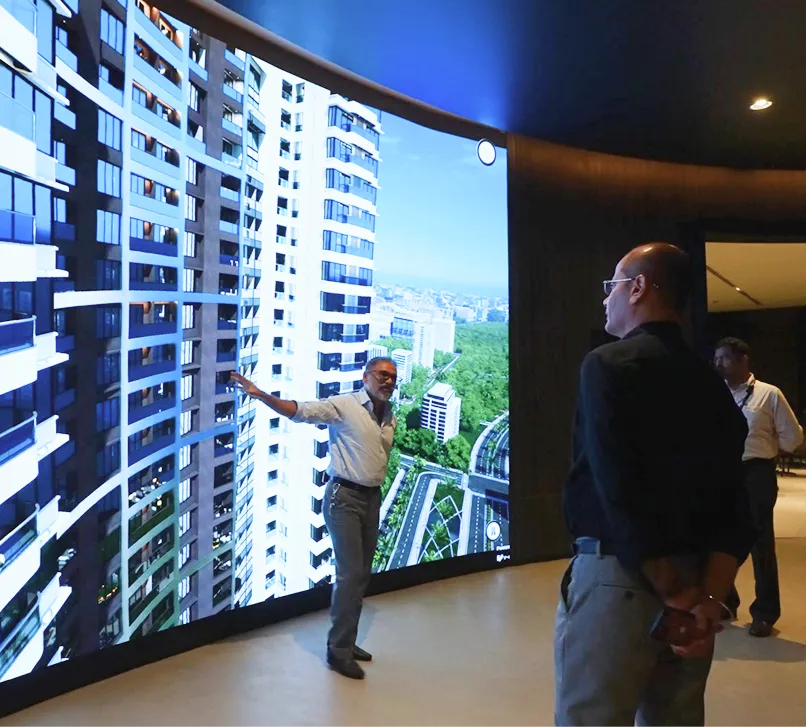
In-Office Experience: Create a dedicated space where clients can work with sales representatives to customize their potential bedroom using large touchscreen displays.
Mobile-Friendly Tools: Offer apps or web platforms that allow prospects to experiment with designs from the comfort of their current home.
Virtual Reality Options: For truly immersive experiences, VR headsets can transport clients into their future bedroom, allowing them to look around and experience the space as if they were already there.
Take-Home Materials: Generate customized PDF renderings that clients can review later, keeping your property top-of-mind even after they leave.
Beyond the Bedroom: Expanding the Vision
While bedroom customization creates strong emotional connections, the same technology can extend throughout the entire home. Kitchen configurations, living room layouts, and even outdoor spaces can all benefit from interactive customization.
The most successful developers create a cohesive visualization journey that follows clients from their first inquiry through to signing day—showing them not just a property, but their future life within it.
Looking Forward: The Future of Property Visualization
As technology advances, expect to see even more sophisticated visualization tools entering the market. AI-driven recommendations, augmented reality furniture placement, and integration with smart home features are all on the horizon.
Developers who embrace these tools now won't just be ahead of the curve—they'll be setting the new standard for client experience in real estate sales.
The Bottom Line
In today's market, helping clients visualize and personalize their dream bedroom isn't just a nice extra—it's becoming essential to competitive success. By bridging the imagination gap with interactive technology, you're not just selling properties faster; you're creating better matches between homes and owners, leading to more satisfied clients and stronger referral networks.
When you empower buyers to see their dreams take shape before they buy, you transform uncertainty into excitement—and hesitation into action.