.jpg)
JP Infra didn't just build another sales office. They engineered a conversion machine that's rewriting the rules of property sales in Mumbai's competitive landscape.
The Million-Dollar Problem Every Developer Faces
Let's be honest about what's broken in real estate sales. Your prospects are exhausted. They've visited seventeen projects, collected forty-three brochures, and still can't decide between properties that all look identical on paper. Meanwhile, your sales team is burning through leads faster than a construction crane burns through diesel.
The brutal reality: Most developers lose 70% of qualified leads because prospects can't visualize their future life in an under-construction project. They're buying blueprints, not homes. They're trusting promises, not experiencing realities.
JP Infra recognized this fundamental disconnect and decided to obliterate it entirely.
Inside JP Infra's Game-Changing Sales Revolution
What Actually Happens When Prospects Enter Their Experience Center
Forget everything you know about property showcasing. JP Infra's approach reads like science fiction, but delivers business results that are painfully real for competitors.
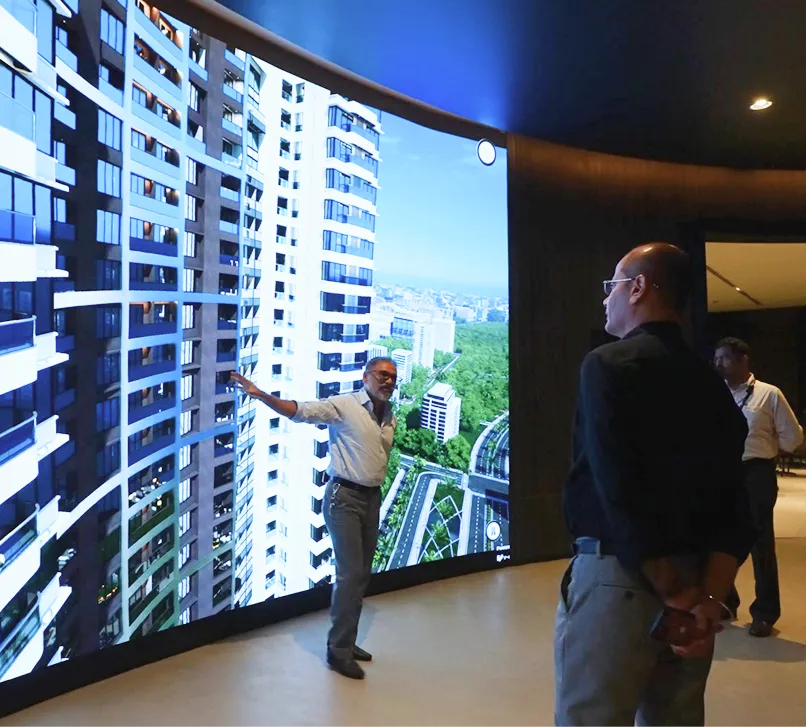
Prospects don't just see their future apartment—they live in it temporarily. Using advanced gaming technology and Unreal Engine rendering, JP Infra created virtual environments so realistic that buyers experience genuine emotional attachment to spaces that exist only in digital form.
Here's where it gets interesting for developers watching from the sidelines:
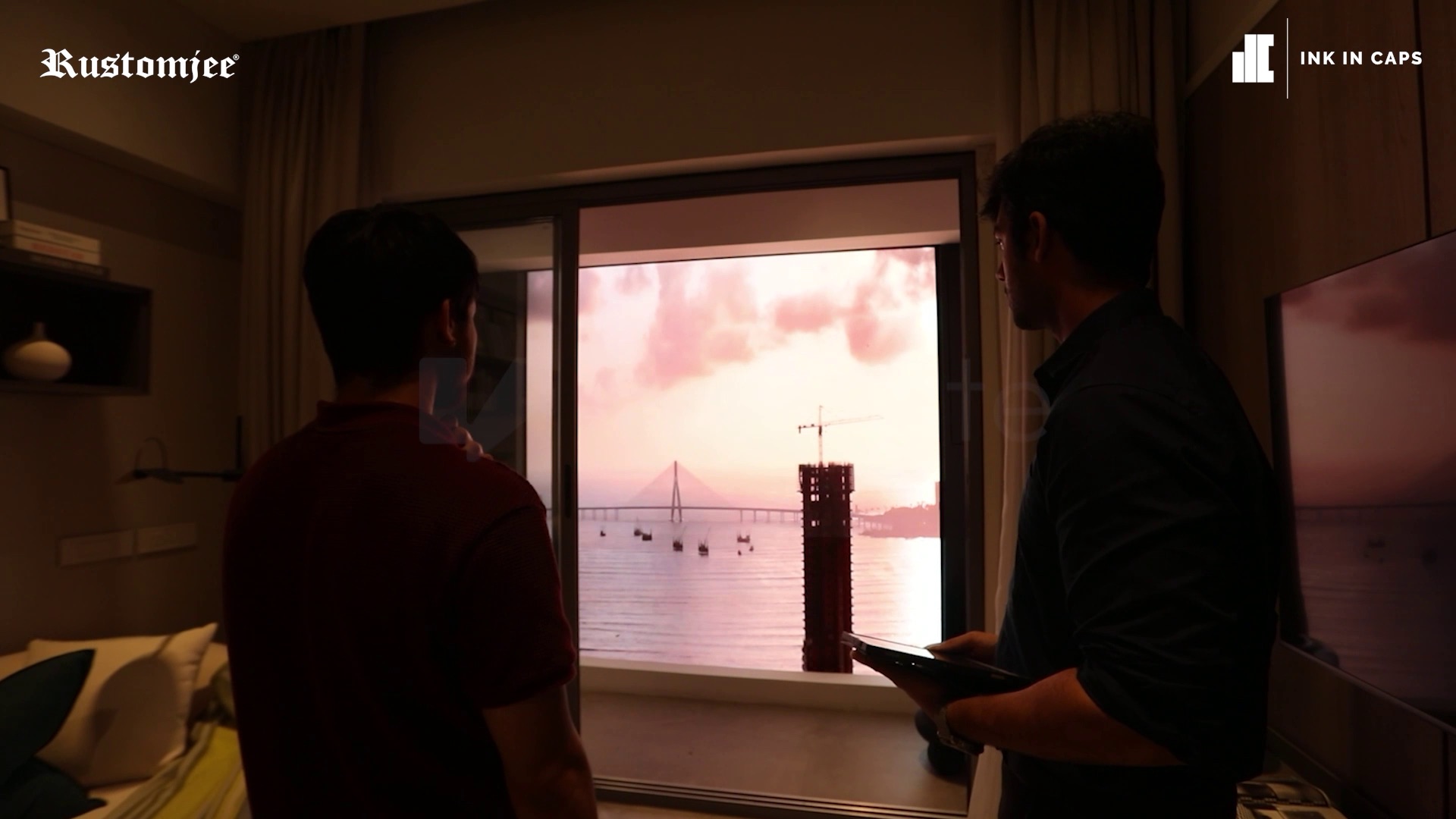
Environmental Storytelling: Buyers control day-night cycles, weather patterns, and seasonal changes in real-time. They watch sunrise paint their bedroom walls golden, experience monsoon rain against their living room windows, and see how winter light filters through their chosen curtains. This isn't visualization—it's temporal property ownership.
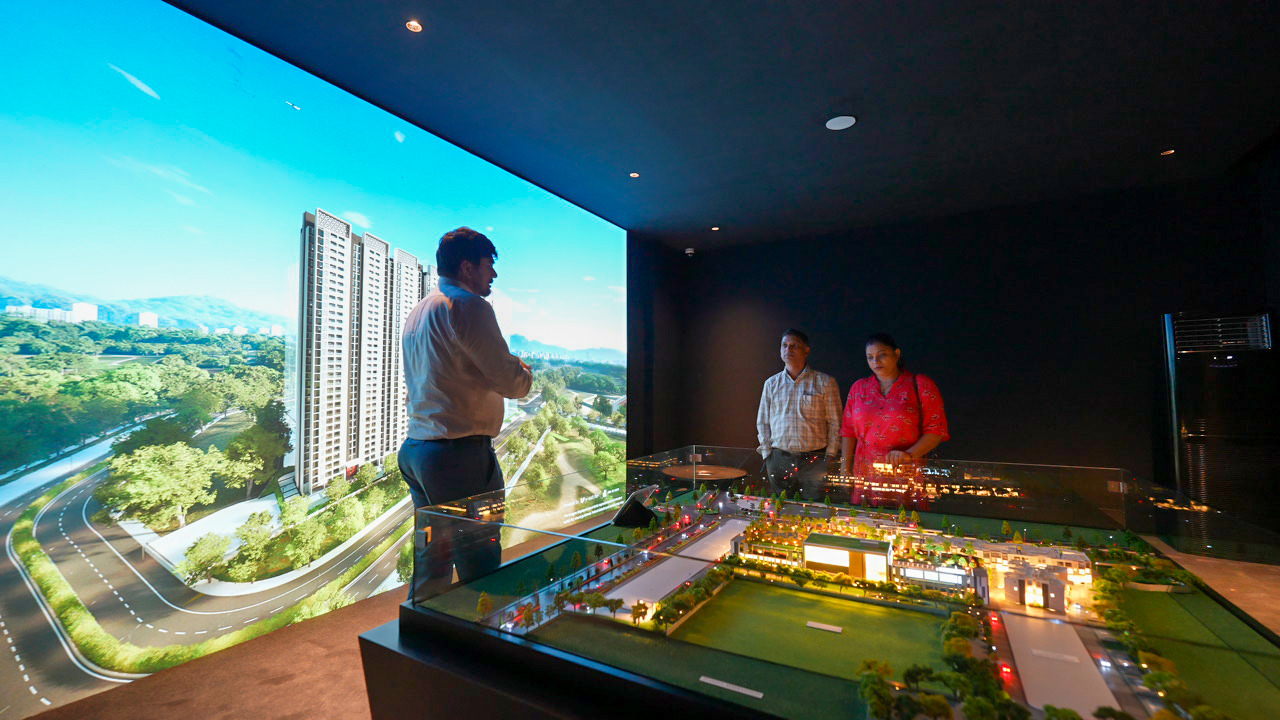
Lifestyle Immersion Beyond Square Footage: Instead of discussing amenities abstractly, prospects walk through them. They experience the morning jog route, feel the community pool ambiance, and understand traffic patterns from their actual floor height. JP Infra layers context into every interaction, making lifestyle tangible rather than aspirational.
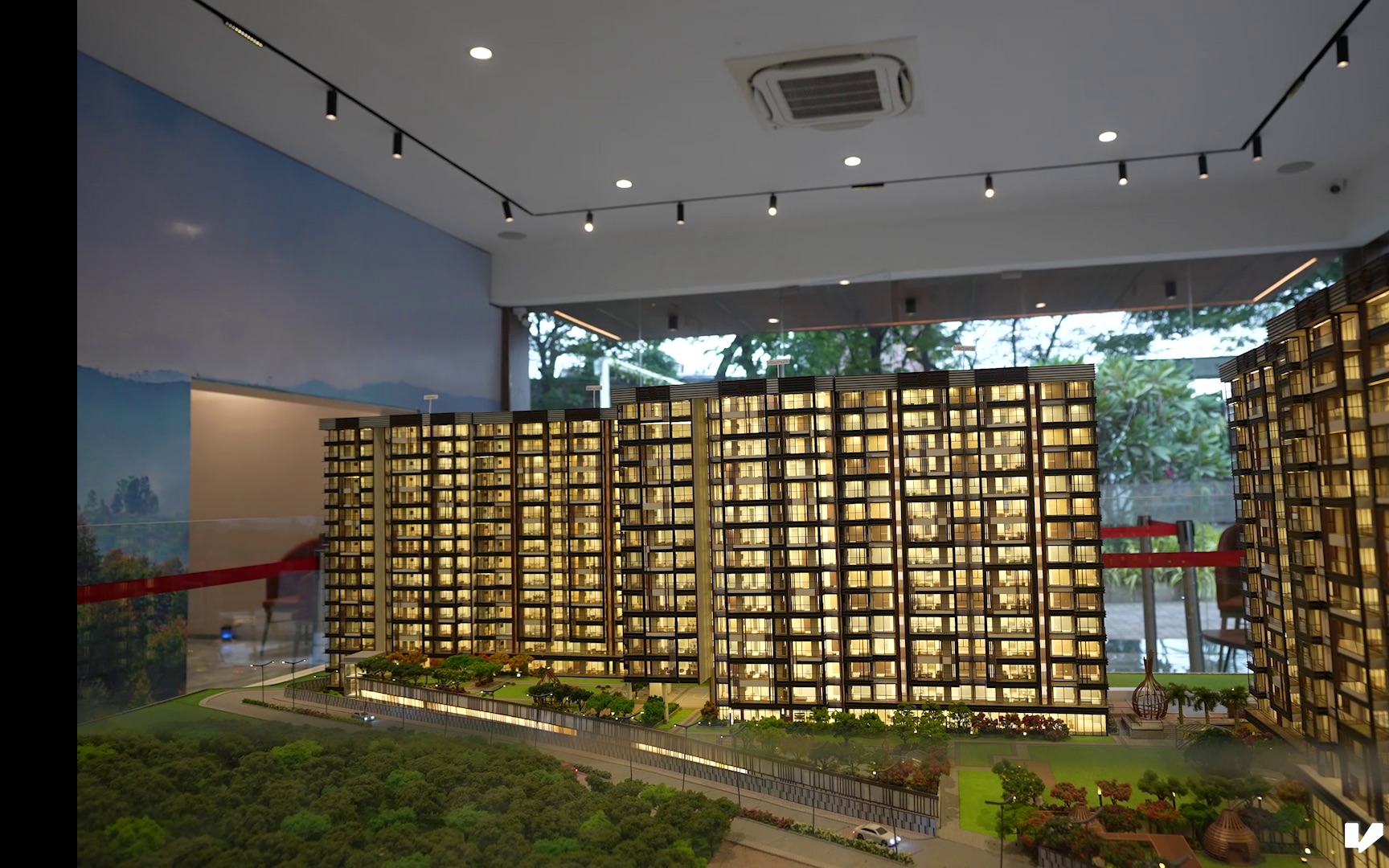
Personalization That Creates Psychological Ownership: Buyers customize paint colors, furniture arrangements, and interior designs while standing in photorealistic representations of their future homes. When someone spends twenty minutes arranging their digital living room, they're no longer prospects—they're homeowners in waiting.
The Numbers Don't Lie: JP Infra's Breakthrough Results
While competitors struggled with traditional sales methods, JP Infra's "Codename StarLife" project achieved something remarkable: over 500 apartments sold at launch. Not pre-registered. Not interested. Actually sold.
This wasn't luck or market timing. This was systematic elimination of purchase friction through strategic technology deployment.
What This Means for Your Bottom Line:
Shortened Sales Cycles: Decisions that previously required multiple site visits now happen in single sessions
Higher Conversion Rates: Prospects arrive at purchase decisions with unprecedented confidence
Reduced Customer Acquisition Costs: Sales teams focus on closing rather than convincing
Improved Profit Margins: Faster inventory turnover and reduced holding costs
Why Most Developers Will Copy This Approach (And How to Do It Right)
The Technology Behind JP Infra's Success
JP Infra didn't achieve these results with standard 3D walkthroughs or virtual reality gimmicks. They deployed enterprise-grade immersive technology that creates genuine emotional experiences.
The foundation requires platforms capable of photorealistic rendering with dynamic environmental controls. V-estate represents precisely this type of solution—enabling developers to create comprehensive virtual property experiences where prospects control their exploration journey completely.
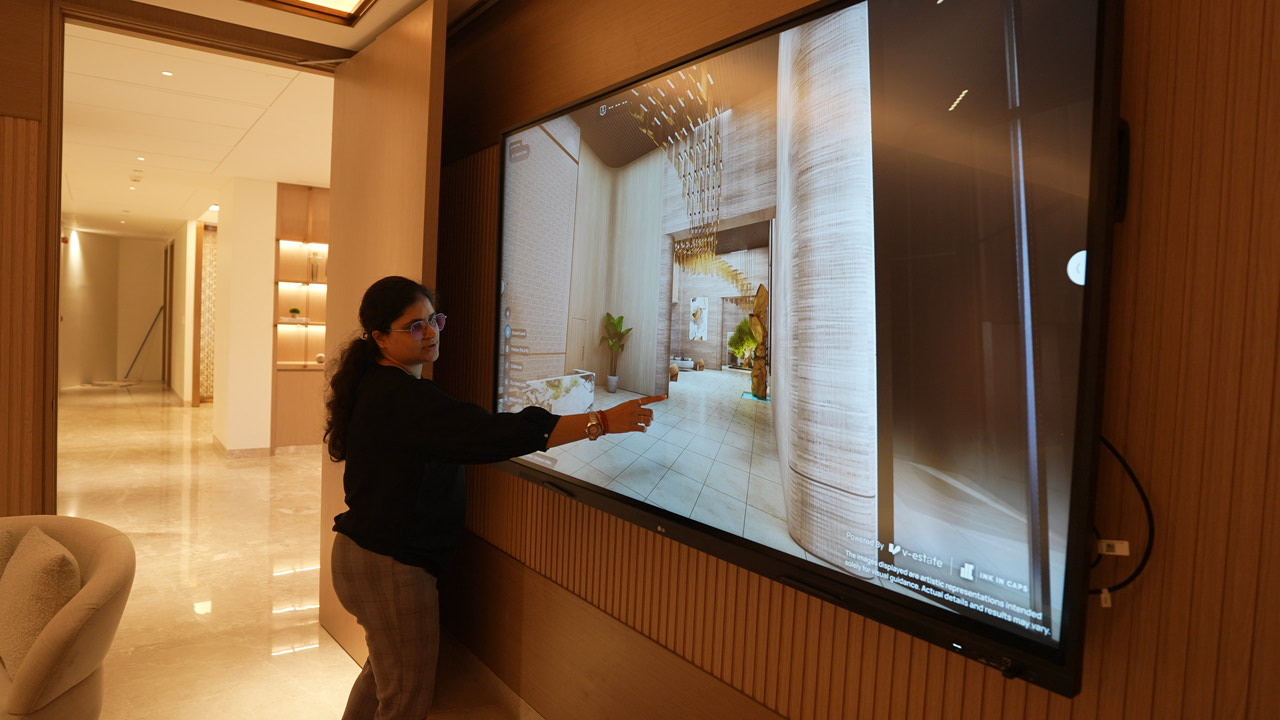
Critical Implementation Elements:
Photorealistic Accuracy: Every surface texture, lighting condition, and spatial proportion must match eventual construction reality. Prospects who discover discrepancies between virtual and actual experiences become negative brand ambassadors overnight.
Dynamic Customization: Buyers need immediate control over personalization options. Paint colors, furniture configurations, and design elements must respond instantly to user preferences without technical delays or system crashes.
Contextual Integration: Properties exist within neighborhoods, not isolation. Successful implementations include connectivity maps, nearby facility tours, and community lifestyle representations that help prospects understand their future daily routines.
Strategic Deployment Framework for Marketing Leaders
Phase 1: Technology Infrastructure Development Establish dedicated experience centers with professional-grade display technology and comfortable environments for extended exploration sessions. Unlike online platforms, effective immersive experiences require physical spaces optimized for prospect engagement.
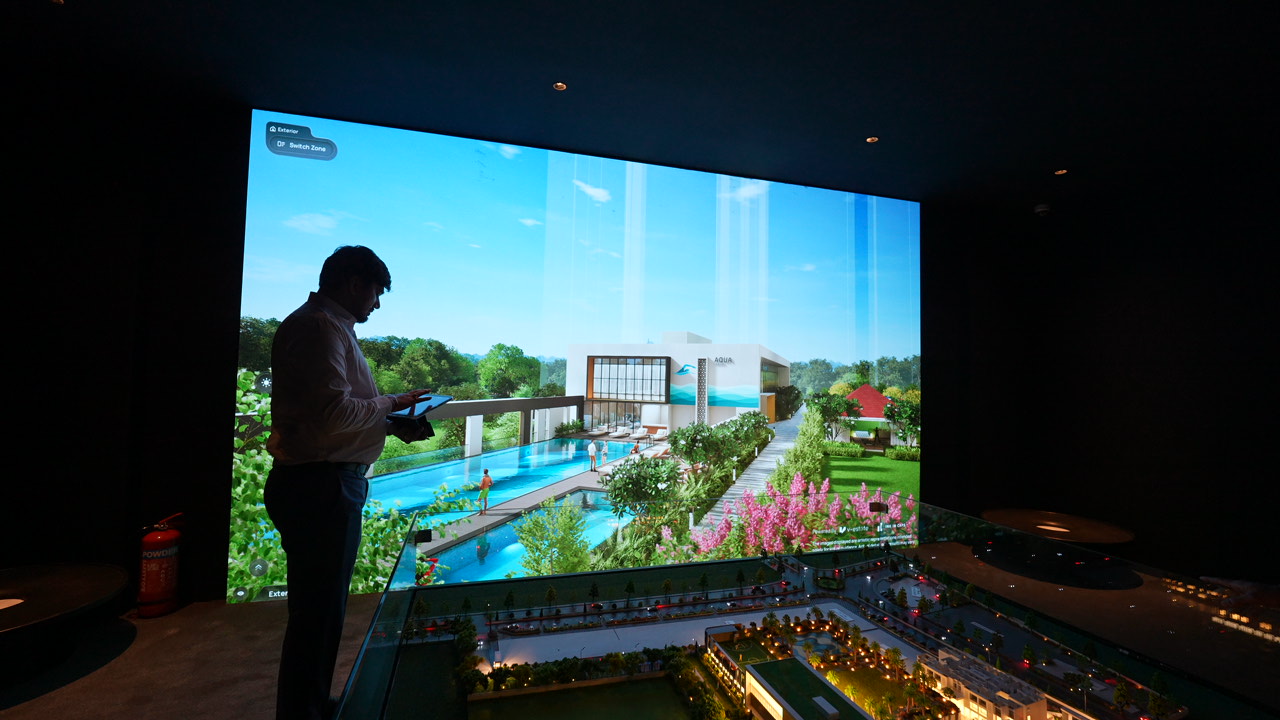
Phase 2: Content Creation Excellence Develop photorealistic property representations that exceed marketing collateral quality. Every apartment variation, amenity space, and community area needs individual digital construction using gaming-industry rendering standards.
Phase 3: Sales Team Transformation Retrain sales professionals from presentation experts into experience facilitators. Success requires understanding when to guide prospects and when to allow independent exploration. Traditional sales techniques often interfere with immersive technology effectiveness.
JP Infra's Competitive Advantage: Beyond Technology to Strategy
Why Their Approach Works When Others Fail
JP Infra understood something most developers miss: buyers don't purchase properties—they purchase futures. The technology serves emotional storytelling, not technical showcasing.
Emotional Trigger Integration: Every interaction reinforces lifestyle aspirations rather than construction specifications. Prospects experience their evening coffee ritual, their children's play routines, and their entertainment preferences within their future homes.
Celebrity Partnership Amplification: JP Infra's collaboration with filmmaker Karan Johar wasn't celebrity endorsement—it was narrative enhancement. When someone with Karan Johar's storytelling expertise validates your vision through association, prospects trust the experience authenticity implicitly.
Market Positioning Through Innovation: In competitive corridors like North Mira Road, technological sophistication becomes brand differentiation. JP Infra positioned themselves as industry pioneers rather than traditional developers, attracting prospects specifically seeking cutting-edge experiences.
Implementation Roadmap for Forward-Thinking Developers
Budget Allocation and ROI Expectations
Smart developers evaluate immersive technology investments against comprehensive customer acquisition costs, not isolated marketing budgets. JP Infra's success demonstrates that initial technology investments generate superior long-term profitability through:
Accelerated Inventory Turnover: Faster sales reduce holding costs and construction financing duration
Premium Pricing Justification: Exceptional buying experiences support higher price points
Referral Generation: Satisfied customers become organic marketing channels
Competitive Moat Creation: Technology barriers prevent easy competitor replication
Risk Mitigation Strategies
Content Quality Insurance: Partner with experienced platforms like V-estate that understand real estate visualization requirements rather than generic VR companies learning through your projects.
User Experience Testing: Conduct extensive prospect testing before full deployment. Interface complexity that frustrates users eliminates conversion advantages entirely.
Sales Process Integration: Ensure immersive experiences complement existing CRM systems and sales methodologies rather than requiring complete operational overhauls.
The JP Infra Blueprint: Your Competitive Response Strategy
JP Infra's success creates industry pressure for comparable experiences. Prospects who experience their technology approach will expect similar sophistication from competitors. This creates urgent strategic decisions for marketing leaders:
Option 1: Match Their Innovation Deploy comparable immersive technology through platforms like V-estate that provide enterprise-grade virtual property experiences with comprehensive customization capabilities.
Option 2: Accept Competitive Disadvantage Continue traditional sales methods while JP Infra captures increasing market share through superior buyer experiences.
Option 3: Differentiate Through Alternative Innovation Develop unique buyer experience enhancements that compete with immersive technology through different value propositions.
Most successful developers will choose Option 1, creating industry-wide transformation toward immersive sales experiences.