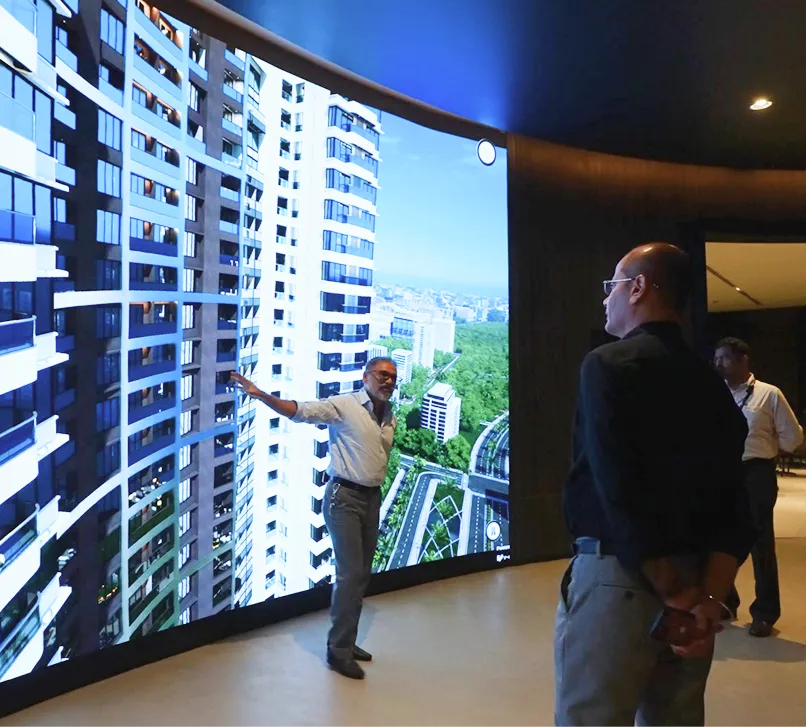
Sales offices aren't converting. Buyers leave without decisions. Pre-construction units remain unclear despite staged show flats and digital brochures. The gap between presentation and purchase decision keeps widening. Developers face extended sales cycles, multiple follow-up visits, and prospects who can't visualize finished units from floor plans alone.
Interactive 3D property platforms deployed in offline experience centers change this. They compress the decision timeline by delivering photorealistic environments that buyers control in real time.
The Conversion Problem in Pre-Construction Sales
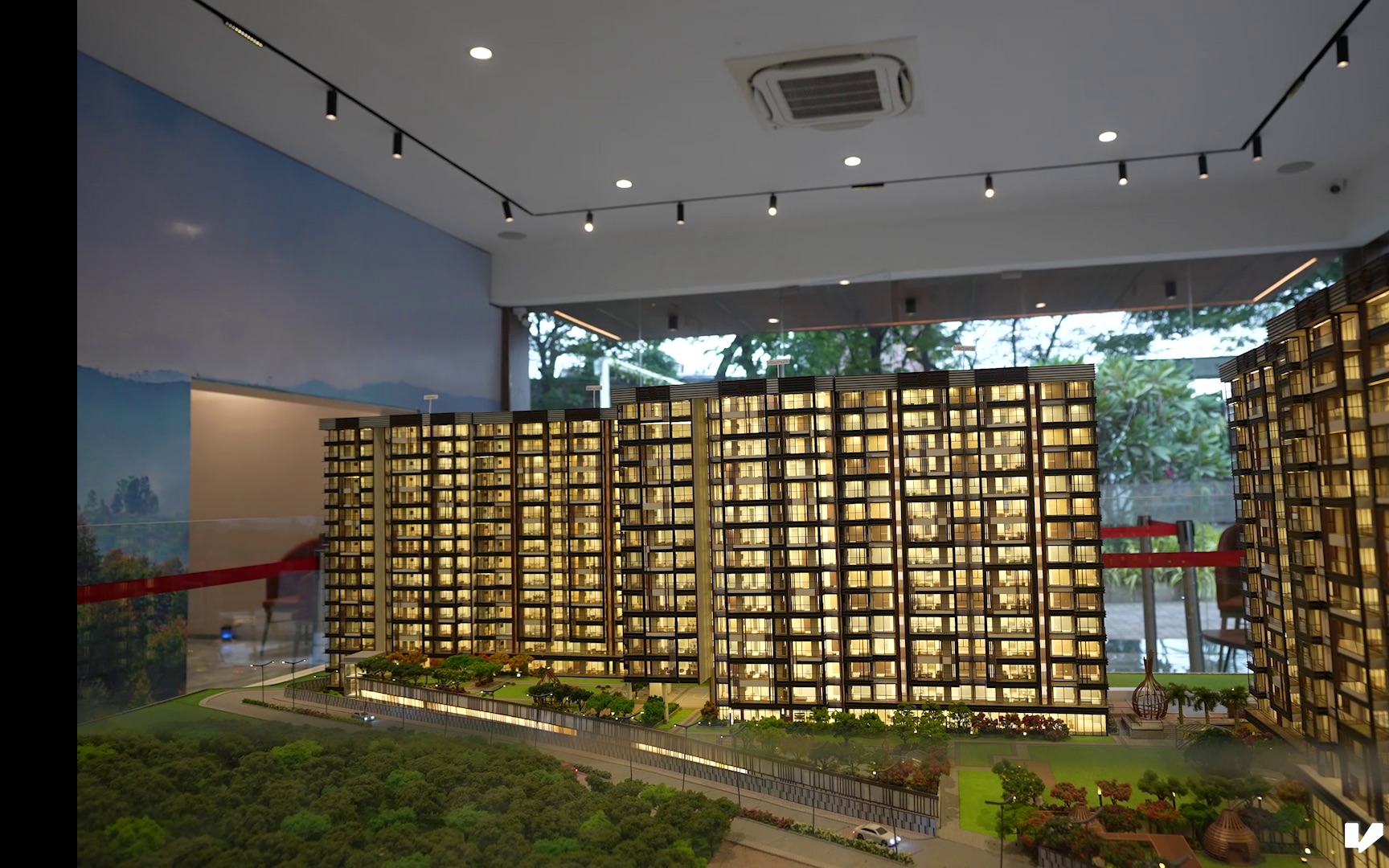
Traditional sales tools fail at a fundamental level. Brochures show static renders. Physical show flats represent one unit configuration. Site visits to under-construction projects reveal concrete shells, not finished interiors. Buyers can't answer basic questions: Will morning light reach the kitchen? Does this furniture layout work? What's visible from the balcony?
This uncertainty stalls decisions. Sales teams schedule second visits, third visits. Buyers compare multiple projects simultaneously. Momentum disappears. Conversion rates drop. The cost per qualified lead climbs.
Developers invest heavily in marketing collateral that doesn't close deals. Beautiful renders sit in PDFs. Show flats consume square footage and capital. Yet prospects still request site visits to incomplete structures. The presentation-to-purchase journey remains broken.
Offline Interactive Platforms as Sales Infrastructure
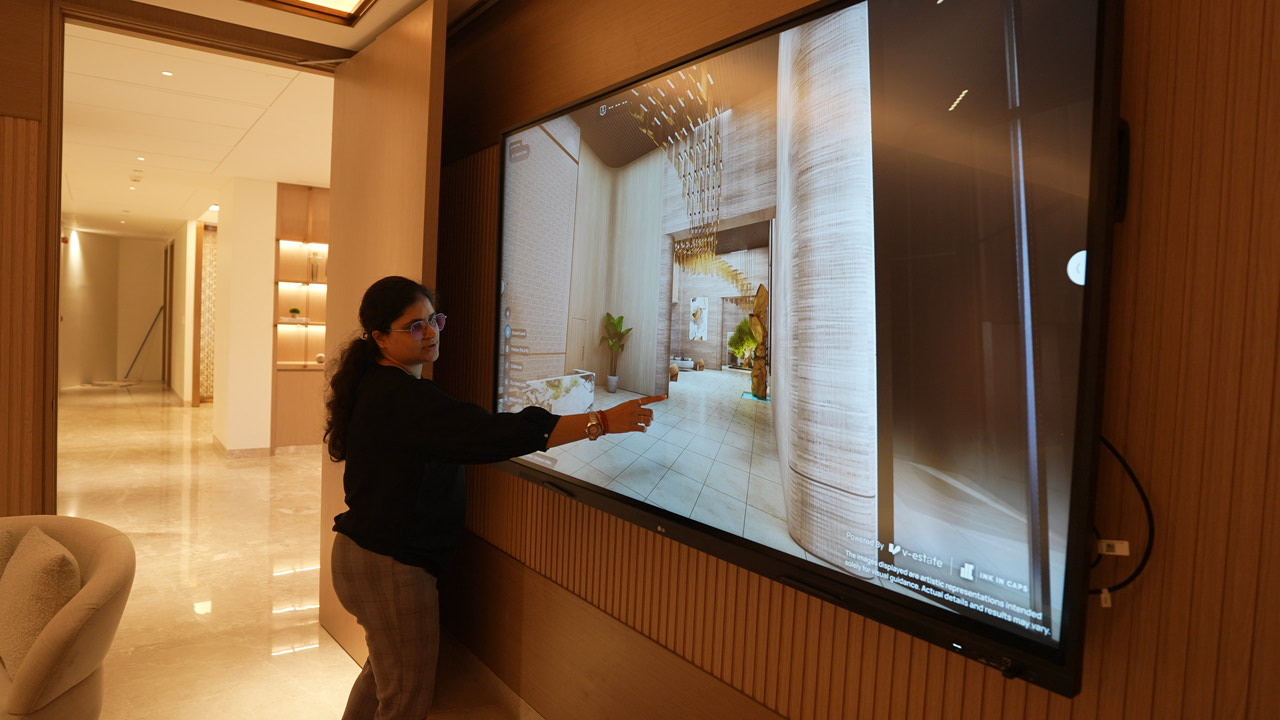
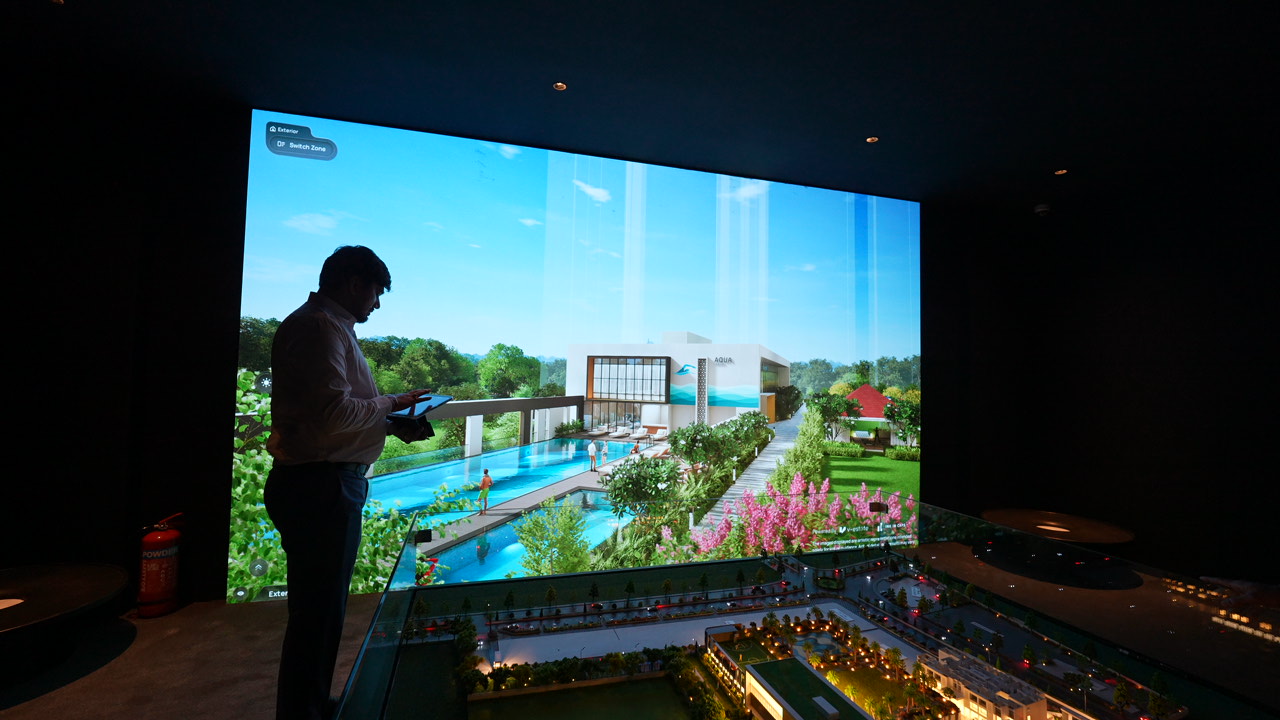
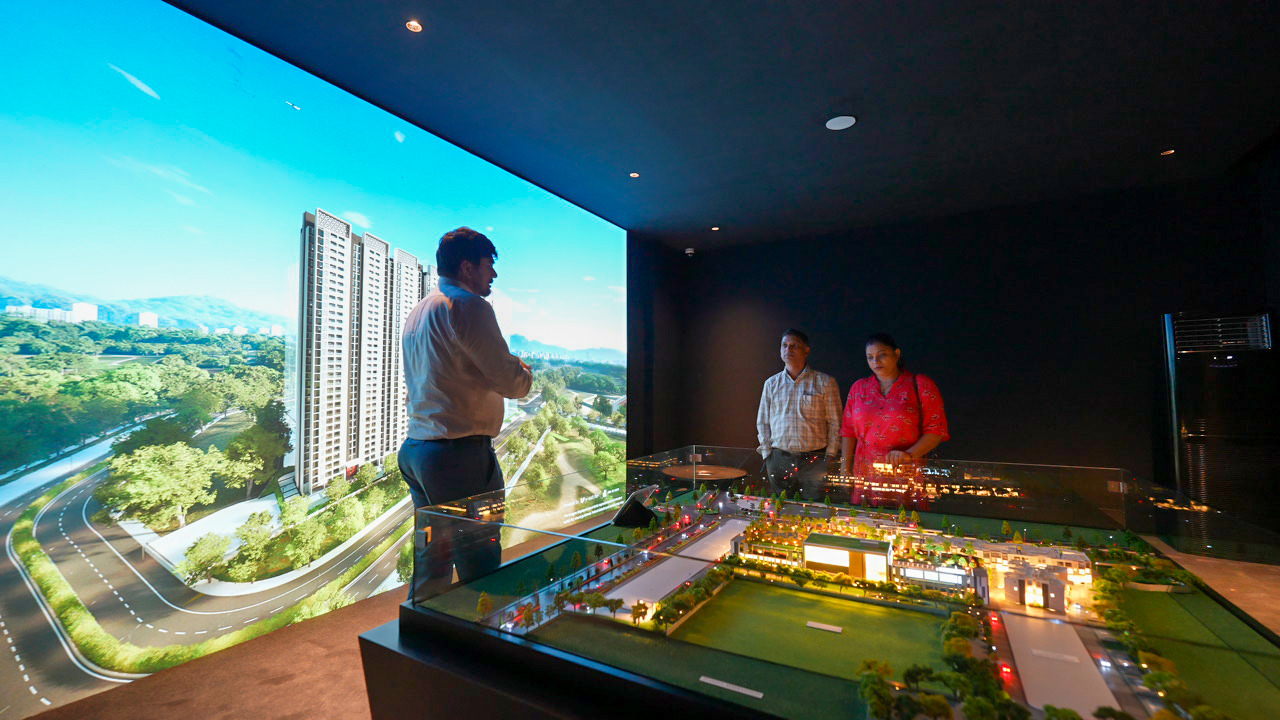
Physical experience centers equipped with immersive 3D walkthroughs solve the visualization problem. These aren't online tours accessed from home. They're dedicated sales environments where prospects engage with large-format displays, touch-enabled kiosks, and multi-screen installations.
The setup works because it's controlled and guided. Sales teams walk prospects through photorealistic unit interiors at scale. Buyers manipulate finishes, furniture, lighting conditions, and time-of-day views. They see accurate sightlines, exterior facades, and surrounding infrastructure. Every question gets answered in one session.
The offline format eliminates technical friction. No bandwidth issues. No device compatibility problems. No learning curve for navigation. The technology recedes; the property becomes tangible.
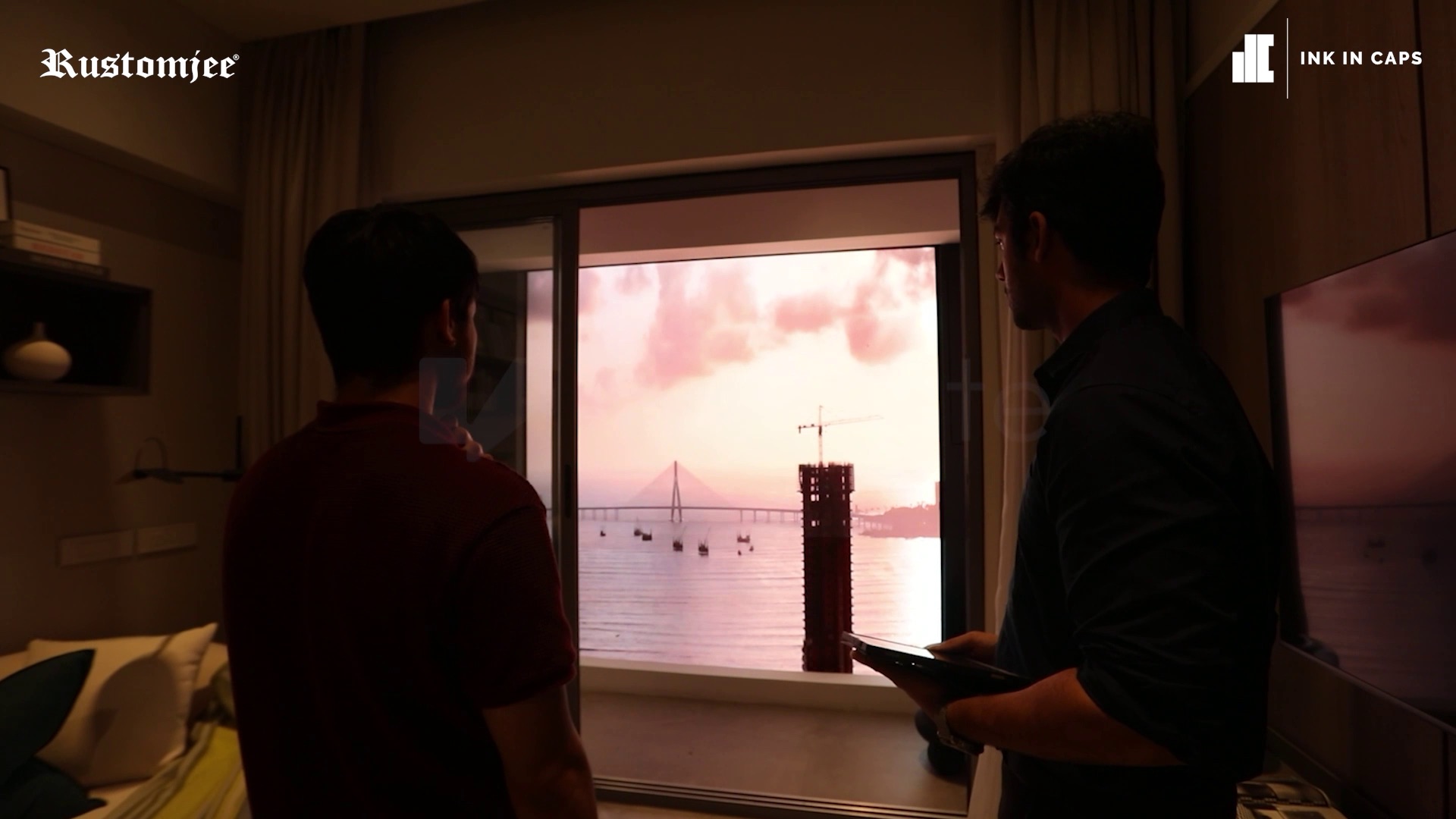
V-estate builds this exact infrastructure. Photorealistic 3D virtual show flats replicate units with architectural precision. Dynamic lighting simulations show morning sun angles and evening shadows. Buyers toggle wall colors, flooring materials, and furniture arrangements in real time. They explore amenity zones and vicinity mapping that displays nearby facilities and upcoming projects.
This isn't virtual reality theater. It's practical sales technology deployed in walk-in centers where human selling still drives conversions.
Measurable Impact on Sales Operations
Faster decision cycles. Prospects who experience immersive walkthroughs make purchase decisions within fewer visits. The clarity provided by interactive 3D environments reduces comparison shopping and repeat consultations.
Lower cost per qualified visit. One comprehensive session in an experience center replaces multiple site visits to under-construction locations. Sales teams spend time with serious buyers who've already visualized their specific unit configuration.
Improved lead quality. Prospects leave with documented preferences: preferred floor, finish selections, furniture layouts. CRM handoffs become precise. Follow-up conversations reference specific customizations explored during the interactive session.
Content reusability across channels. Assets created for experience center displays generate marketing videos, website content, and social media collateral. The investment produces materials for the entire sales funnel.
Core Capabilities That Drive Results
Digital Twin Accuracy
Precise architectural representation ensures buyers trust what they see. Unit dimensions, ceiling heights, window placements, and sightlines match final construction. This accuracy eliminates buyer's remorse triggered by expectation gaps.
Real-Time Customization Controls
Buyers configure units during consultations. They select finishes from available options, arrange furniture, and test color combinations. This active participation builds ownership psychology before contracts are signed.
Environmental Simulation
Dynamic lighting and weather controls answer practical questions. How does natural light move through the unit? What's the view during monsoon? Does the balcony get direct afternoon sun? These details influence purchase decisions more than square footage numbers.
Amenity and Infrastructure Context
Side-by-side mapping shows clubhouses, parks, schools, transit stations, and planned developments. Buyers assess lifestyle convenience and future property value drivers without leaving the sales office.
Multi-Format Physical Deployment
Interactive walls, touchscreen kiosks, and projection setups adapt to different spaces. Launch events use large installations. Permanent sales offices deploy smaller configurations. The technology scales to available real estate.
Implementation Framework for Developers
Start with high-impact inventory. Deploy interactive walkthroughs for premium units and signature towers first. These drive revenue and justify the technology investment immediately.
Keep interface simple. Three to five finish options per category maintain engagement. Overwhelming choice creates decision paralysis. Sales teams should guide exploration, not troubleshoot software.
Train staff on consultative use. Technology supports human selling; it doesn't replace it. Teams learn to frame customization sessions as design consultations, not product demos.
Integrate with CRM systems. Capture interaction data: which units prospects explored, time spent, customizations tested. This intelligence prioritizes follow-up and predicts closure probability.
Measure specific KPIs: Walk-ins to demo interactions. Demo interactions to qualified leads. Qualified leads to bookings. Sales cycle length before and after deployment. Cost per acquisition change.
Search-Focused Positioning for Visibility
Developers search for practical solutions using functional terms: interactive property platform, virtual show flat for developers, experience center activation, photorealistic 3D walkthrough, digital twin for real estate sales.
Content visibility depends on scannable structure. Short paragraphs. Clear subheadings. Bold key phrases. Feature-led descriptions instead of benefit abstractions.
Published case data strengthens credibility. "Reduced sales cycle by X days" carries more weight than "accelerates decision-making." Specific numbers validate claims.
Deployment Readiness Assessment
Match 3D content to architectural drawings before launch. Visual discrepancies destroy trust instantly.
Test hardware under real conditions. Display resolution, touch responsiveness, and multi-user capability must perform consistently during high-traffic events.
Define operational handoff procedures. How do experience center interactions translate to CRM tasks? Who follows up on customization requests? When do prospects receive personalized renders?
Establish measurement baseline. Document current conversion rates, sales cycle length, and cost per lead before deployment. Track changes monthly.
The ROI Justification
Experience centers equipped with immersive property platforms reduce friction at the decision point. Buyers leave with clarity. Sales teams work with qualified, engaged prospects. Marketing assets multiply from single content investments.
For developers managing pre-construction sales and marketing heads accountable for conversion metrics, offline interactive platforms deliver measurable returns through shortened cycles and improved lead quality.
Next step: Schedule a unit-specific assessment. Identify which floor plans and amenity zones produce the strongest conversion impact. Build a prioritized deployment plan with clear ROI projections.
The gap between property presentation and purchase decision is closable. The technology exists. The deployment model works. The question is implementation timeline, not feasibility.
.jpeg)
.jpg)
%20(1).jpg)