When a developer uses traditional sales tools like brochures or floor plans, the buyer gets very limited information. These tools are good to get their attention, but what keeps them engaged is when there is a certain level of immersion. This immersion is achieved when the buyer becomes an active participant instead of being just an observer. And this is where interactive real estate tools come into play.
A recent report on "Consumer Housing Trends" by Zillow suggests that "20% of prospective buyers ranked 3D/Virtual tours most important." So, while floor plans and high-resolution photos are still something that they check first, interactive sales tools are rapidly getting more mainstream, and over the years it will only grow further.
Similarly, another case study by Matterport on “Real Estate by Design sees Dramatic results” found that after the REBD saw improved results after they started using Matterport 3D software, with “Average days on market dropped from 30 to 21 days” and “Average sales price to list price jumped from 93% to 97”. Hence, here is why every developer should start using interactive sales tools no matter the size of their project.
What are Interactive Real Estate Sales Tools?

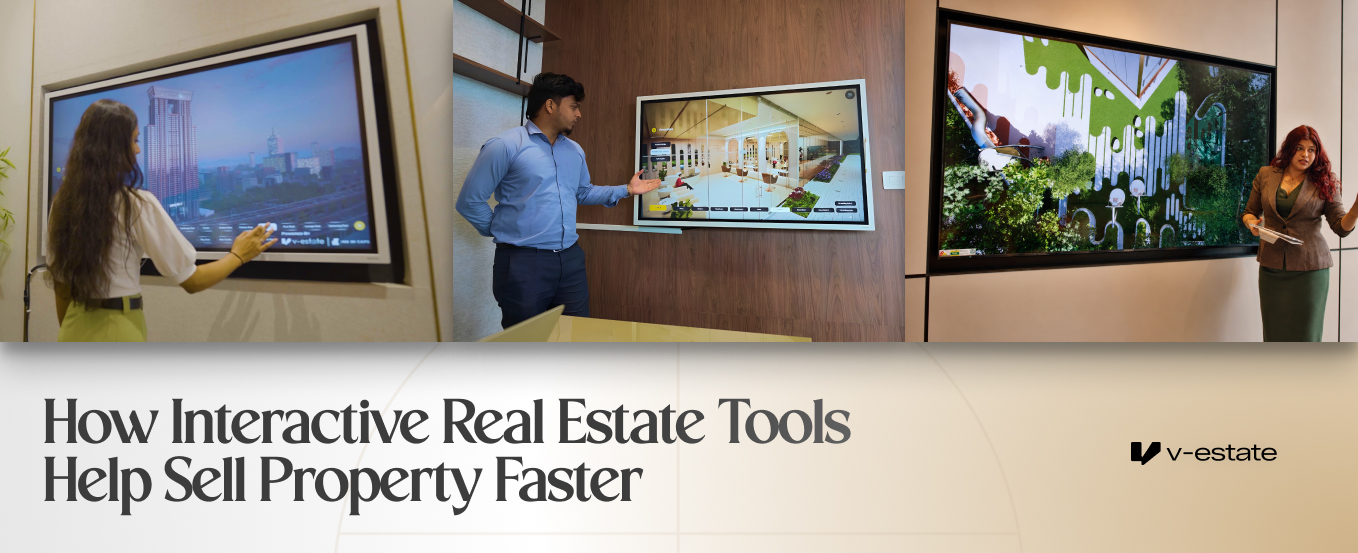
Interactive real estate sales tools, as the name suggests, are "interactive" PropTech or "sales tools" that are used by real estate agents to sell properties faster. These are digital technologies that offer not only better visualization of the property but also give buyers several options to actively engage with it.
What separates these tools from something like a brochure is that they give buyers a lot more control over how they explore the property. Through interactive sales tools, potential buyers and stakeholders get to navigate through apartments, explore amenities, compare layouts, check out the interiors and exteriors, view the neighbourhood, how the property connects to nearby landmarks, and even simulate environmental conditions such as daylight or window views.
These tools are often used for the following projects:
- Residential developments
- Commercial properties
- Luxury real estate projects
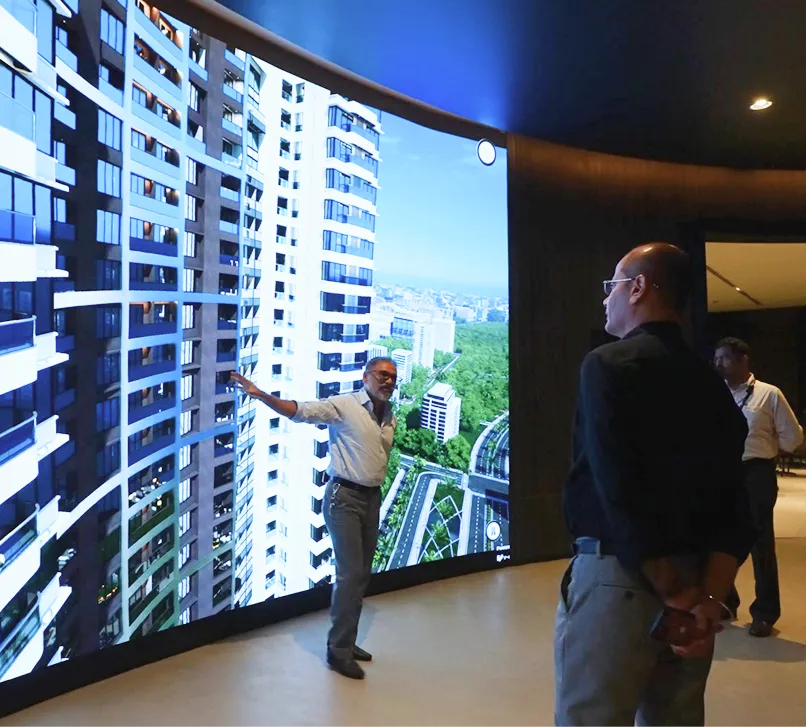
- Property exhibitions and sales galleries
However, regardless of what the scale of a project is, developers use interactive sales tools when they want to make the property exploration experience more engaging and immersive while still keeping it informative.
Interactive Technologies that Reshape the Real Estate Buyer Journey
Digital Twins
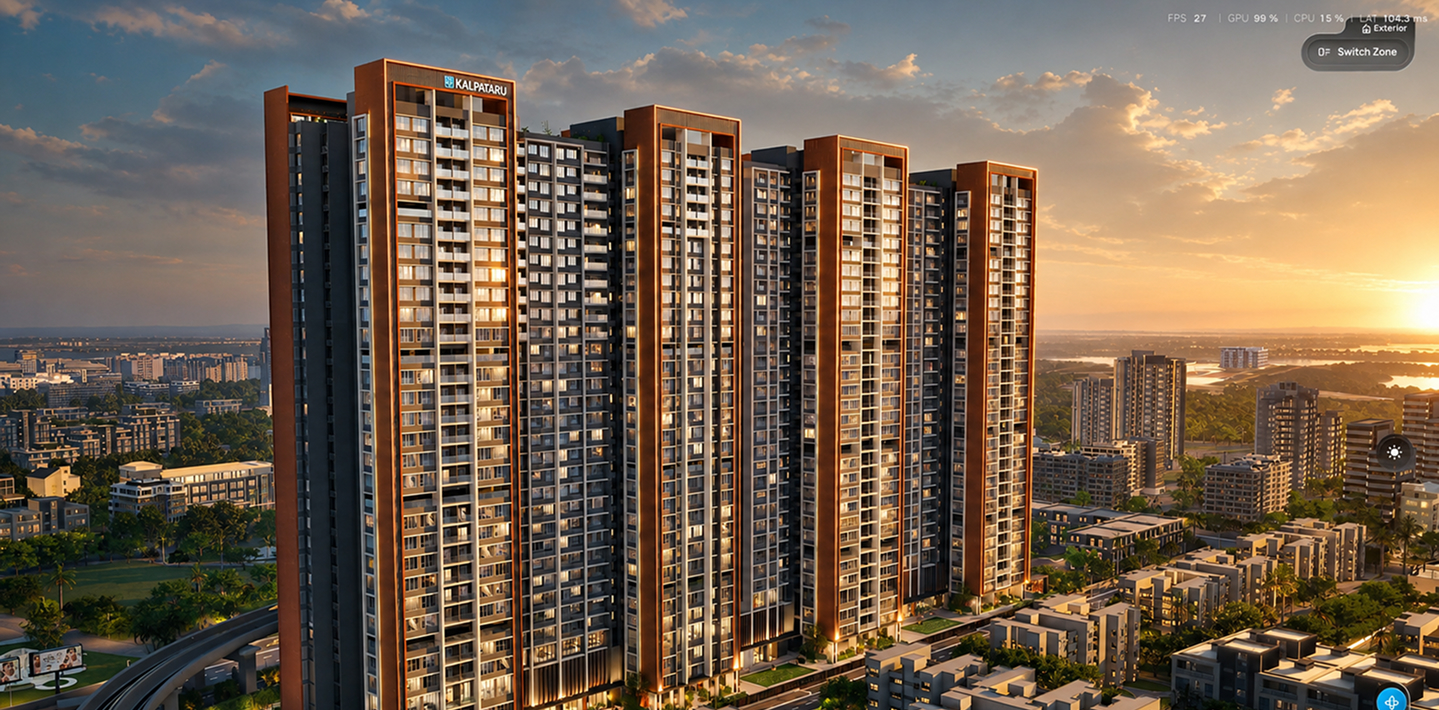
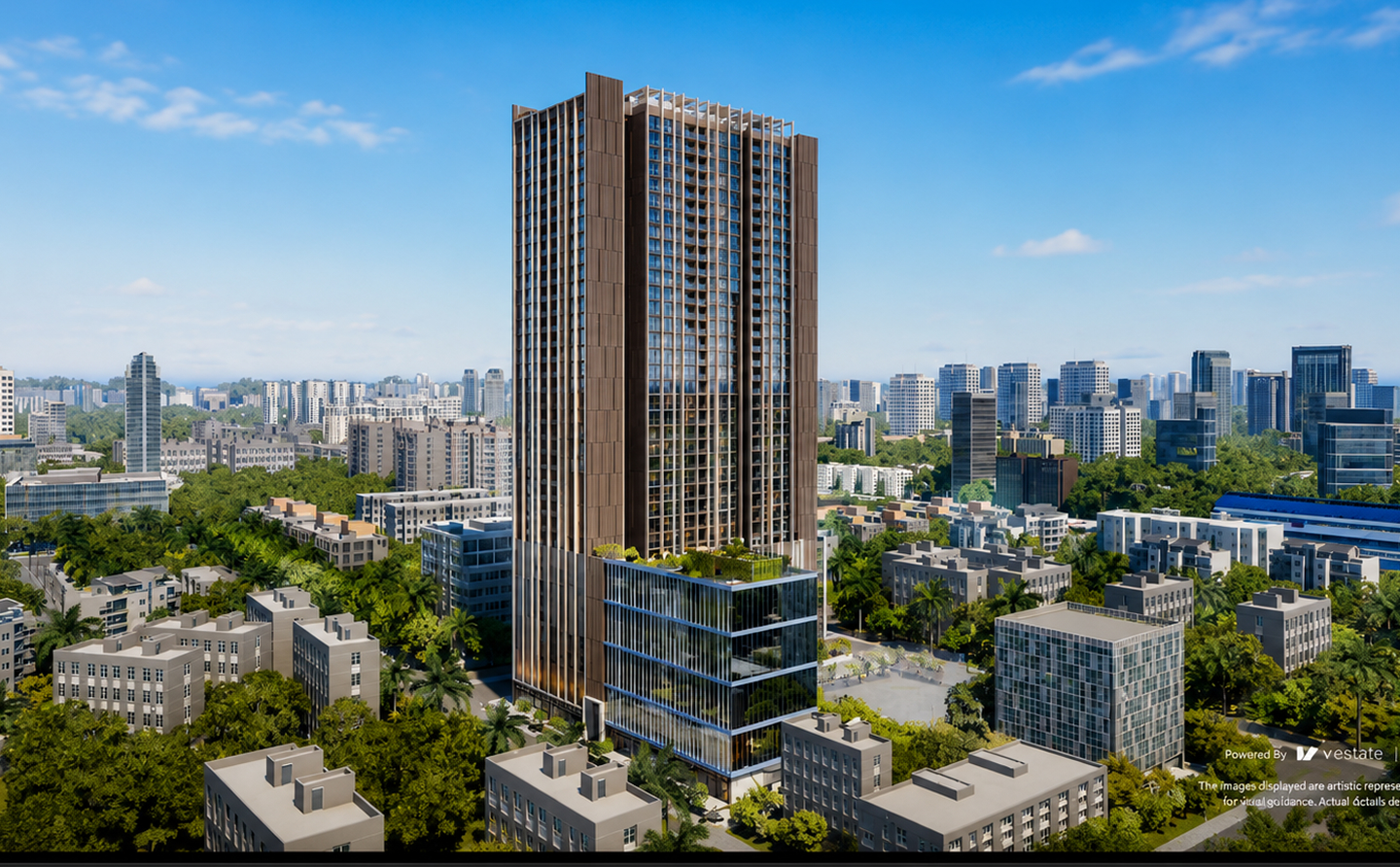
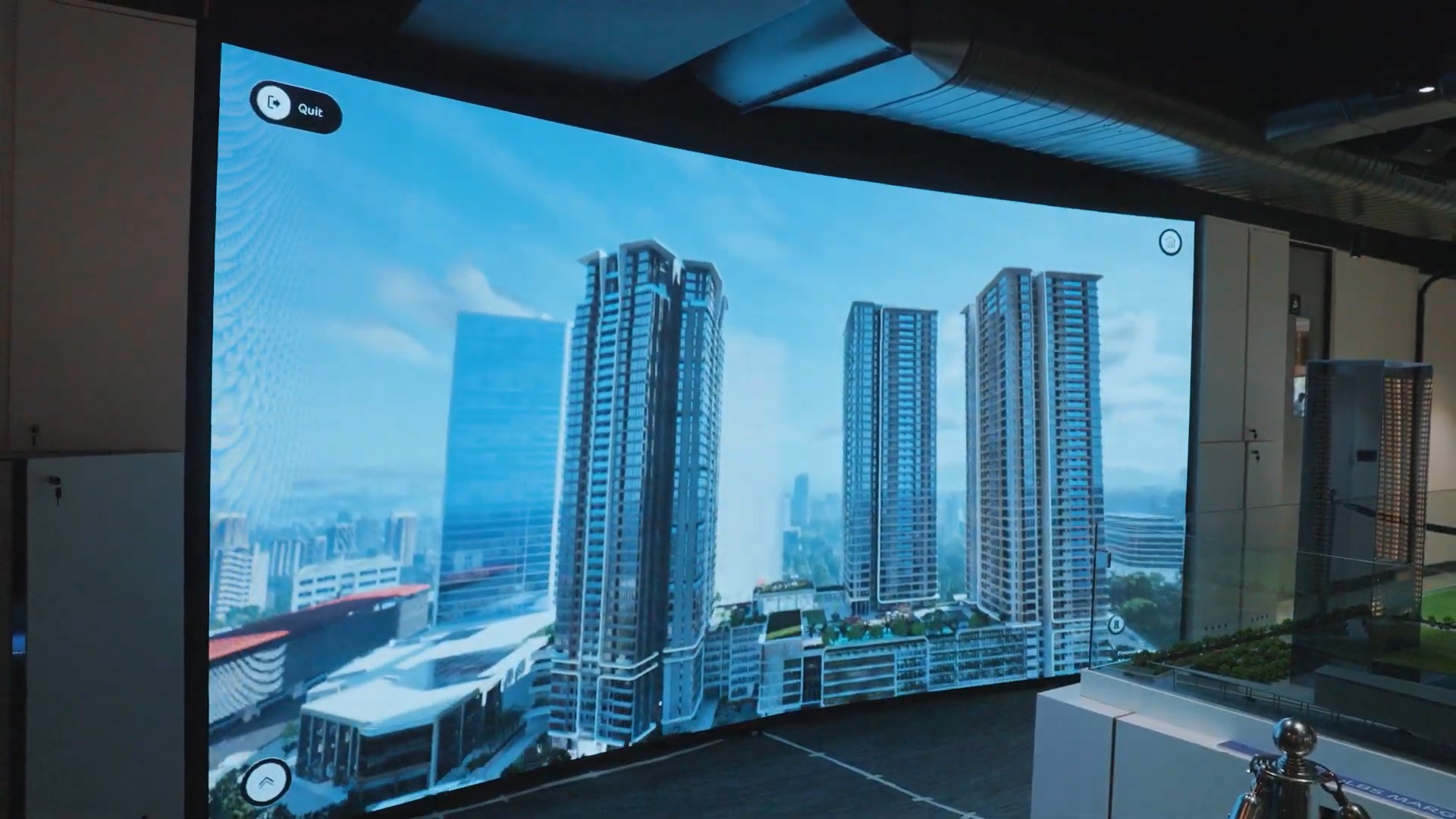
A digital twin in real estate is a digital replica of a real property. It can be created regardless of whether the development hasn't started, the building is under construction, or if the development is over.
The reason digital twins are better than static 3D models is that the former combines architectural data with interactive technologies to give buyers an engaging experience. Thus, they get to navigate towers, amenities, apartments, and common spaces in real time while getting a clear picture of the overall masterplan.
Virtual Property Walkthrough Tours
Virtual Walkthrough tours are another popular use of interactive sales tools. Previously, developers would give buyers video tours. While they are informative, they often fail to grab the buyer or stakeholders' full attention, leading to them missing out on key features of a property. However, this changes with virtual property walkthroughs. Here, the buyer gets to control their exploration journey.
This not only gives them the freedom to check out the different features of the flat at their own pace. But it is also possible to deliver unique experiences to each user, as one person's interest might not be the same as another's. For example, one buyer might be interested in exploring all the amenities the project offers. Meanwhile, another may want to check the balcony of the master bedroom. This isn't possible with video tours as everyone watches the same video. But with interactive virtual tours, buyers get a memorable experience.
Window View Simulation
This is possibly one of the most useful yet underrated features offered by interactive sales tools. Whenever a resident moves into their new home, one of the first things they do is walk up to the window and check out the outside view. This isn't just a feature check; it is something they will be doing daily, at different times of the day, or whenever they feel like. Thus, window view simulation is one of the most important aspects of the home-buying journey because it gives buyer a clear idea of what view to expect from the windows or balconies of their future homes. Through these simulations, they get to:
- Check how the surrounding views would look during the morning, evening, night, or at a custom choice of time for the buyer.
- Simulate the weather to see what a rainy, sunny, cloudy, etc., day would look like.
- See how outside shadows interact with your window or balcony, and how they would interact with the different objects.
IoT-Integrated Scale Model
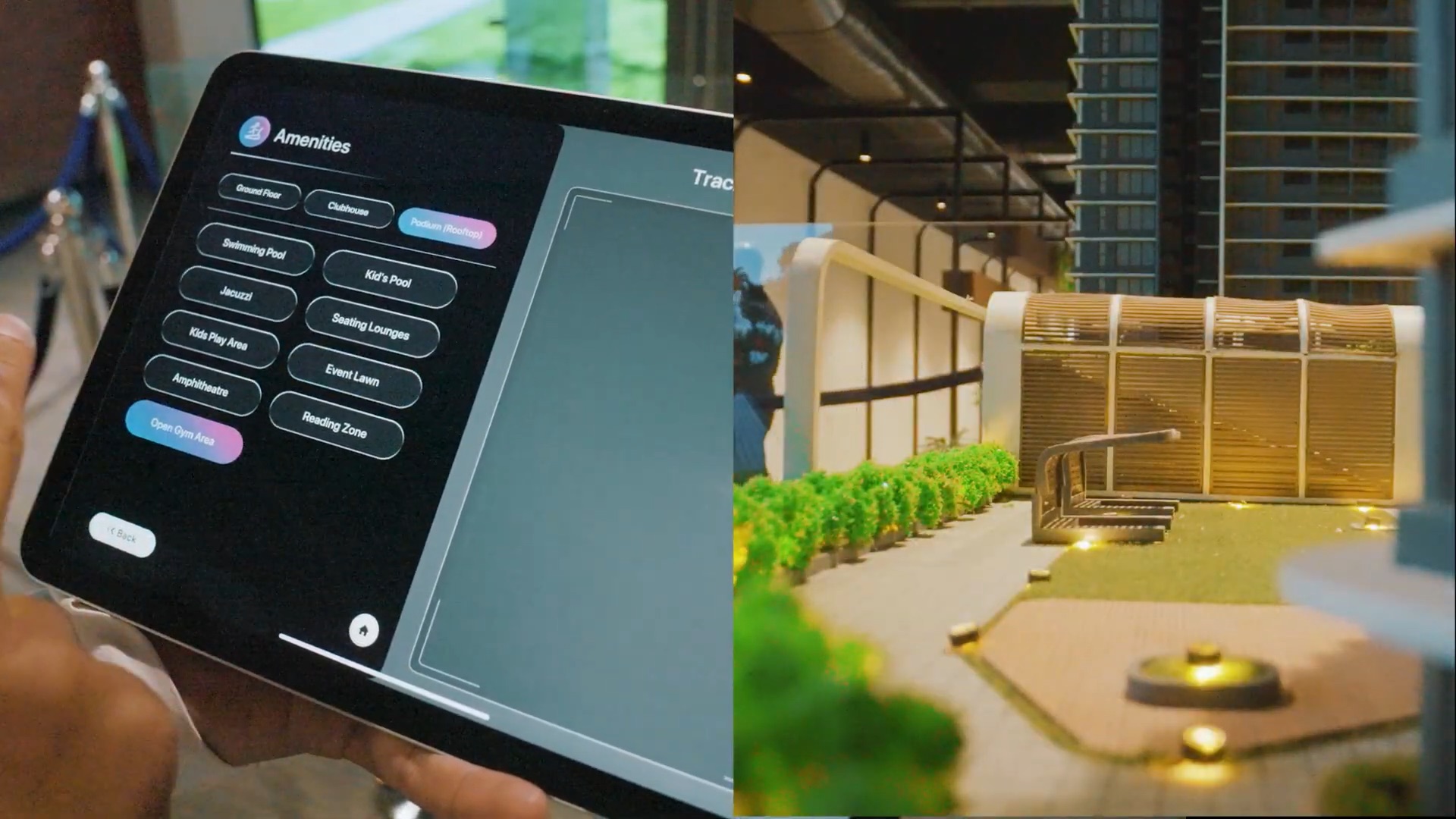
IoT-integrated scale model, as the name suggests, is a physical scale model that consists of IoT (Internet of Things) sensors. It uses these sensors along with various touch points and connected systems to turn the physical model into a smart sales tool. Buyers can then use it to interact with different aspects of the project like towers, amenities, unit configurations, infrastructure, and project highlights. IoT-integrated makes use of physical visualization and digital content in real time to improve the way the buyer explores the property, gives them a clear understanding and builds confidence.
Customization Modules
Customization modules give buyers the means to personalize the property as per their taste. It gives them the features to edit and change floor plans, layouts, furniture, wallpaper color, and more. The goal of these features is to give buyers a chance to design their future home based on their vision. This customization gives them a feeling of ownership, which allows buyers to emotionally connect with the property, further increasing the chances of them going along with the purchase.
How Developers Benefit from Interactive Sales Tools
Here are some of the most common ways developers benefit from interactive real estate tools:
Increased Engagement
Since interactive tools make use of digital twins or virtual tours for showcasing a property. Buyers and stakeholders don't just look at things; they get to interact with them. This allows them to understand the full scope of the project thanks to exploring the interiors, exteriors, amenities, or other highlights of the project from multiple angles. Thus, they get a clear understanding of the property. All of this only becomes possible when the buyer is fully engaged, which isn't really an option when such sales tools aren't used.
Remote Real Estate Marketing
Another major advantage of interactive real estate tools is that they can be made available globally. This removes the physical limitations of a buyer having to visit the site in-person. As such, the developer can make all of the features like accessing digital twins, taking virtual tours, or simulating window views of a flat available remotely. Thus, the buyer can access the property from anywhere in the world, and if the property interests them, they can go ahead with the purchase, which further helps shorten the sales cycles.
Gain Buyer Data
Another reason why it is essential for developers to use interactive sales tools is that they allow them to collect buyers' behavioural data. This could consist of important information like what aspects of a flat the buyer interacted with first, how much time they spent exploring each area, the different features they used, and the things they missed. Developers and property marketers can then use this data to improve their marketing. For example, if there is a good feature that most buyers happen to miss during their exploration, the sales team could bring it up during their pitch to ensure it doesn't go unnoticed. This data can also be used to improve how future projects are set up or marketed.
All of the above benefits help the sales team move beyond traditional marketing solutions and, through interactive sales tools, have access to a singular sales ecosystem. It allows interested buyers to keep exploring properties longer, while remote marketing lets prospects access the property without having to physically visit the site. These interactions generate data like unit preferences, engagement patterns, and more, which helps sales teams identify B2B demand and qualified leads. When these insights are integrated with CRM, sales teams can better track and prioritize high-intent leads.
In conclusion, as smartphones have become common, people have become more comfortable in trying out new technology. Therefore, before even going for a site visit, interested buyers often do their research online about the property. Thus, your integration of interactive sales tools could begin from your project's website itself. The better clarity they have of your project, the more likely they are to go ahead with their purchase.
Ready to Elevate the Interactive Property Experience for Your Buyers?
We at V-Estate have over 8 years of expertise when it comes to delivering interactive real estate tools. Be it window view simulation, digital twins, or virtual walkthroughs, our team of experts has you covered with all your interactive sales tools needs. Book a demo now and together we can make the best possible experience that your buyers will ever have!