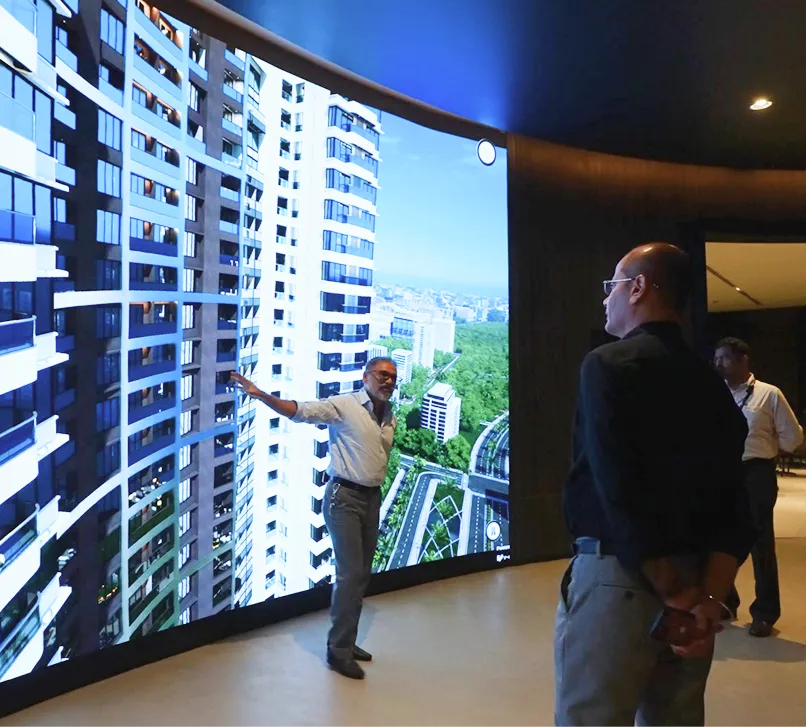
High-value real estate development faces increasing competition, forcing developers to accelerate sales cycles while delivering exceptional client experiences. Traditional property marketing methods, such as static renderings and standard floor plans, are no longer meeting buyer expectations.
The Executive Challenge
For real estate development executives, the stakes couldn't be higher. Market volatility demands faster returns on investment, while buyer hesitation extends sales timelines. This tension creates a fundamental business challenge: how to compress the decision-making cycle without compromising the quality of the client experience.
The data tells a compelling story. Properties that offer immersive visualization experiences see an average 27% reduction in time-to-purchase and a 32% increase in buyer confidence scores. These metrics translate directly to improved capital efficiency and enhanced project profitability.
Beyond Visualization: Creating Decision Catalysts
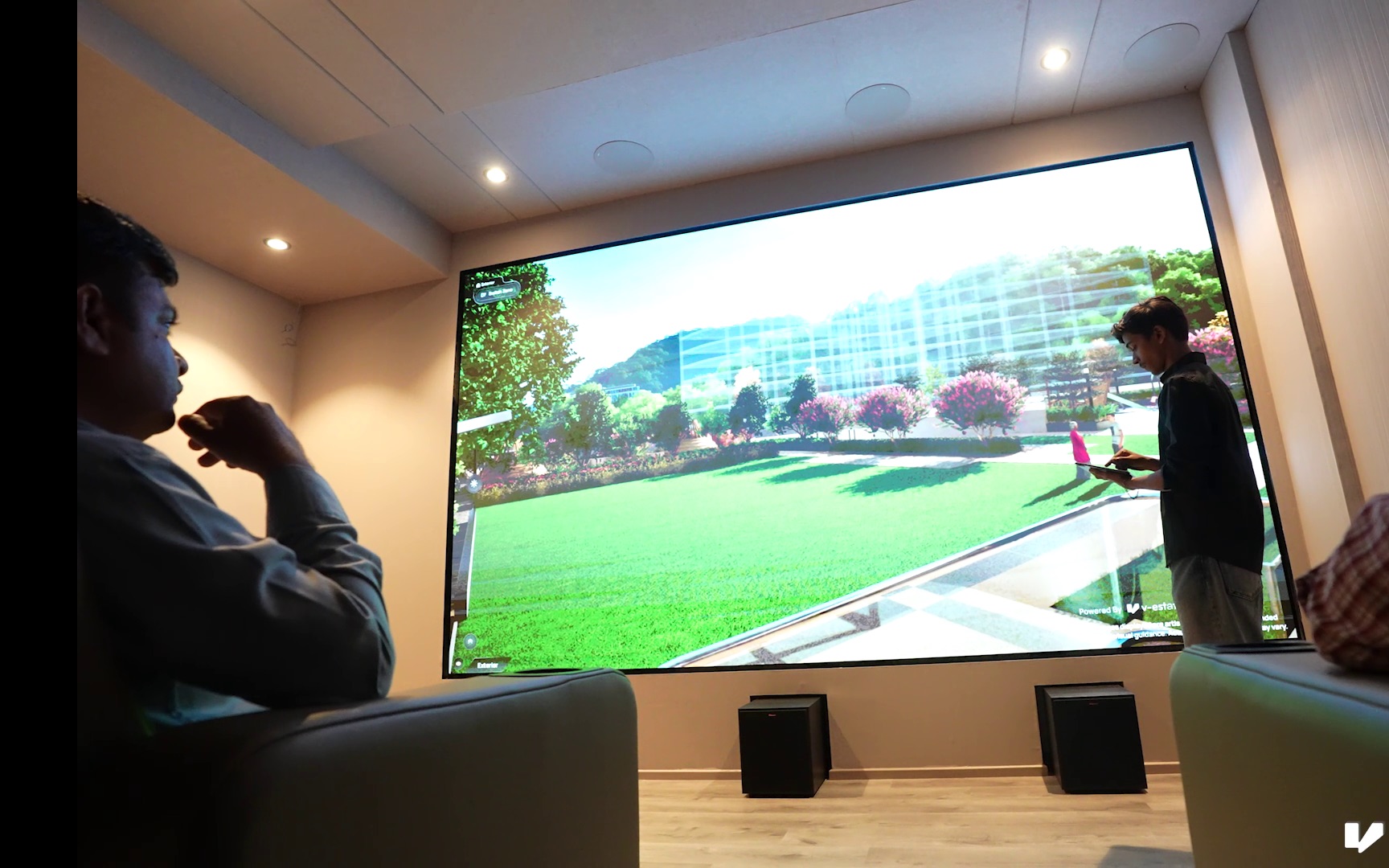
The most sophisticated property development firms have moved beyond basic visualization tools to create comprehensive decision ecosystems. These systems don't merely show properties—they systematically address and eliminate decision barriers.
Consider the strategic advantages:
- Risk Mitigation: When clients can thoroughly explore properties before construction completion, developers minimize costly post-completion modifications
- Capital Velocity: Accelerated pre-sales improve project financing terms and reduce carrying costs
- Premium Positioning: Interactive experiences justify premium pricing through demonstrated value rather than promised potential
- Market Intelligence: Client interaction data provides invaluable insights for future development decisions
The Integration Imperative
For development executives, the implementation challenge extends beyond technology selection. The critical differentiator lies in seamless integration with existing sales workflows and training protocols. The most successful implementations position interactive technologies not as standalone tools but as force multipliers for sales teams.
This integration transforms the sales professional's role from information gatekeeper to strategic advisor. Rather than spending valuable time explaining basic property features, sales teams can focus on addressing sophisticated buyer concerns and negotiating favorable terms.
Measurable ROI: The Executive Case
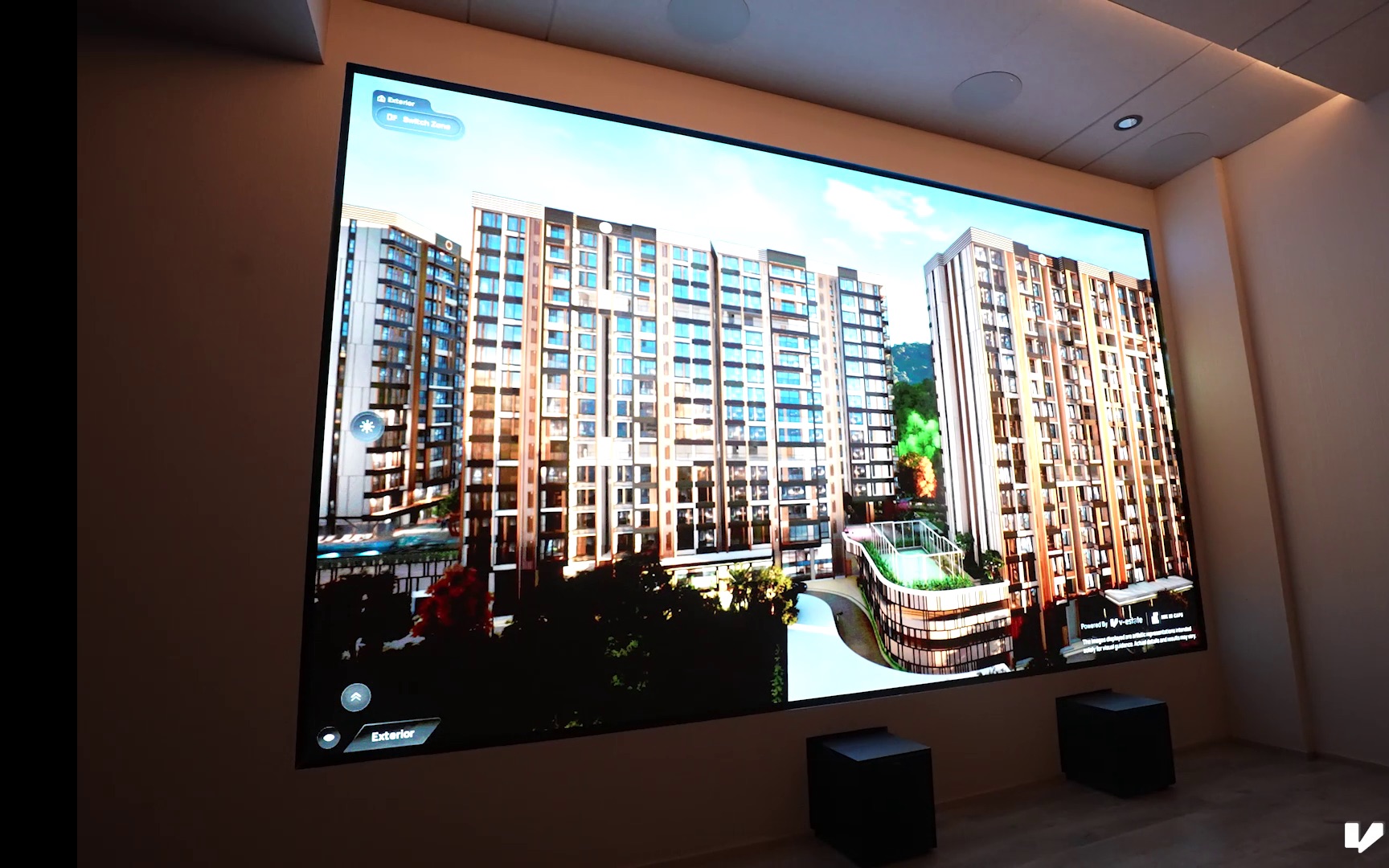
The business case for interactive property experiences rests on measurable returns across multiple dimensions:
- Conversion Optimization: Average conversion rates from qualified prospect to buyer increase by 18-24%
- Price Preservation: Negotiation concessions decrease by an average of 8% when buyers engage deeply with interactive property experiences
- Marketing Efficiency: Customer acquisition costs decrease as virtual experiences extend geographic reach without proportional marketing expenditure
- Brand Differentiation: Development firms leveraging advanced visualization secure measurable advantages in brand preference studies
Implementation Considerations for Development Executives
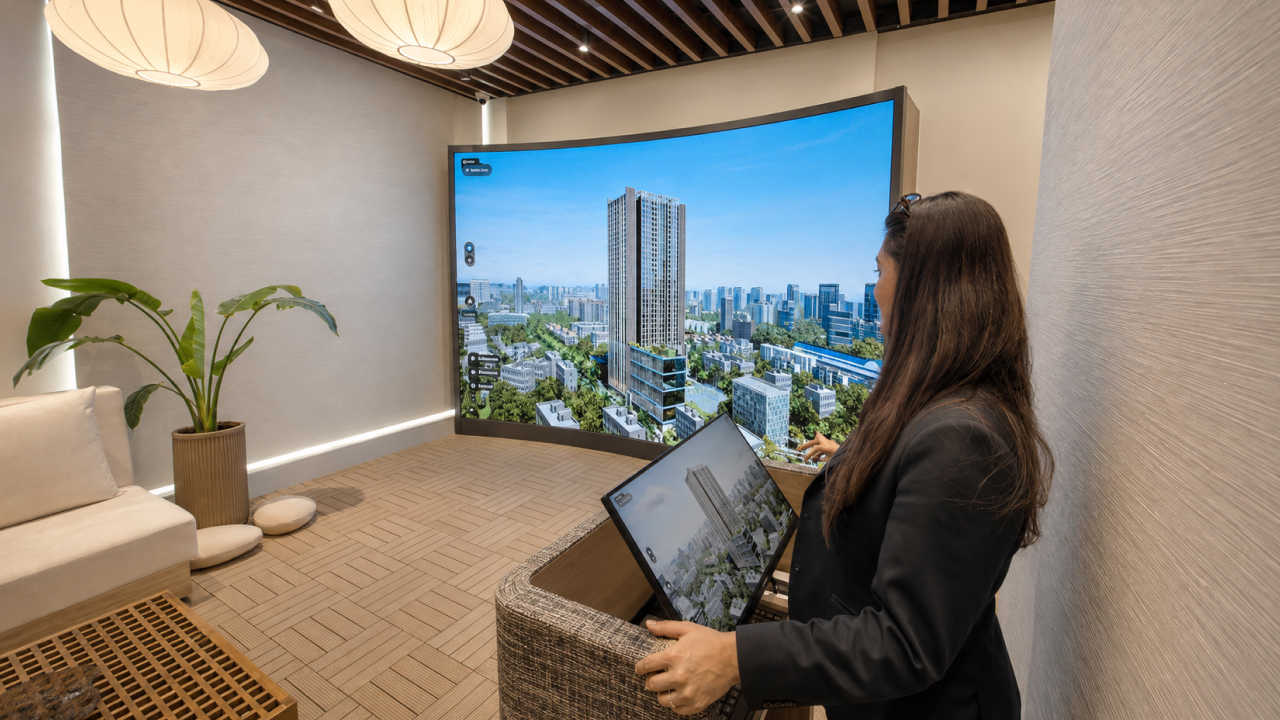
For decision-makers evaluating interactive property solutions, several strategic considerations emerge:
- Scalability Architecture: The solution must scale across multiple development projects without proportional cost increases
- Integration Capabilities: Seamless connection with existing CRM and sales management systems maximizes organizational adoption
- Data Capture Mechanisms: The platform should generate actionable analytics to inform future development decisions
- Customization Parameters: The system must allow for brand-consistent experiences across diverse property portfolios
- Update Protocols: As development plans evolve, the platform must accommodate efficient updates to maintain accuracy
Strategic Positioning Within the Development Lifecycle
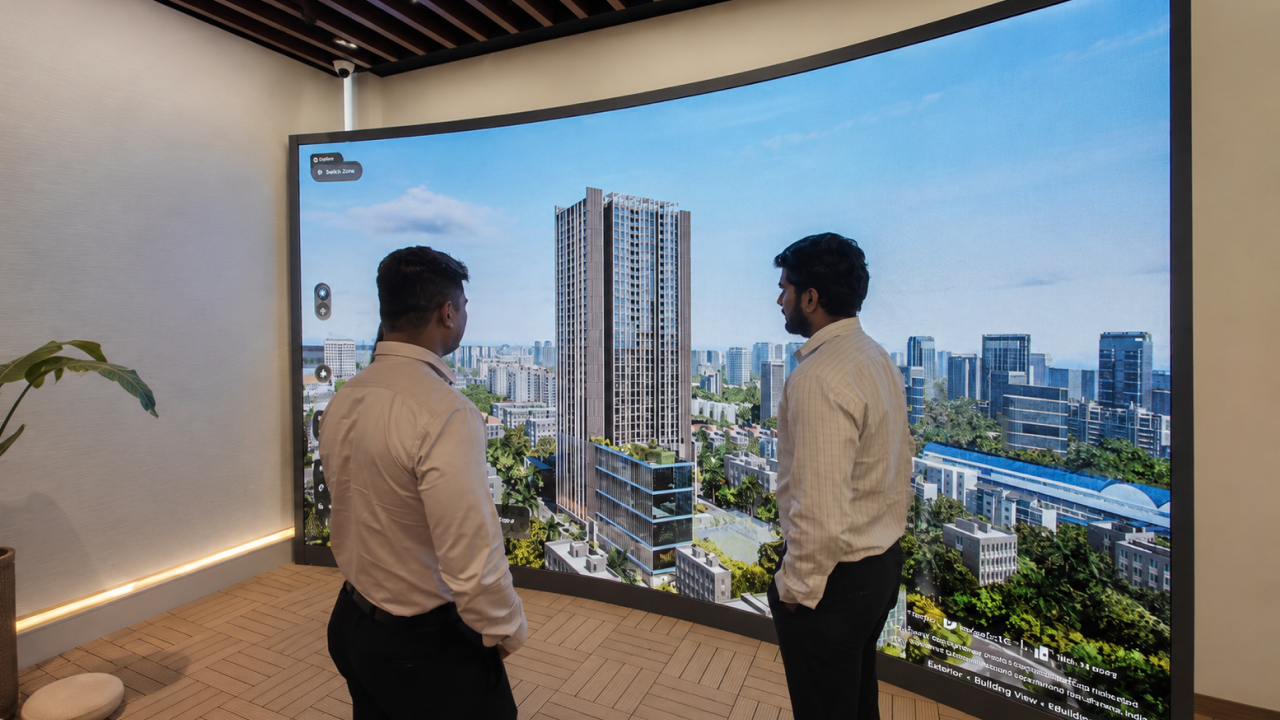
The most sophisticated development organizations deploy interactive experiences strategically throughout the development lifecycle:
- Pre-Development: Validate concept appeal with target markets before finalizing designs
- Early Sales: Accelerate pre-construction commitments through immersive visualization
- Construction Phase: Maintain buyer enthusiasm and reduce cancellations during extended construction periods
- Portfolio Management: Create consistent experiences across diverse property types and locations
The Competitive Imperative
As interactive property experiences transition from innovation to expectation, development firms face an increasingly binary competitive landscape. Early adopters capture disproportionate market share while establishing technological leadership positions that late followers struggle to overcome.
For development executives, the strategic question has shifted from whether to implement interactive property experiences to how quickly and comprehensively they can be deployed to maintain competitive positioning.
By embracing this transformation, forward-thinking real estate developers don't merely sell properties—they create decision environments that accelerate sales while enhancing client satisfaction, ultimately delivering superior returns across their development portfolio.