Sales momentum in real estate is fragile.
When buyers cannot fully grasp the product, commitment stalls.
This gap becomes sharper in large, phased developments—where scale is complex, timelines extend over years, and the finished product exists only as a promise. Even with a strong brand and healthy demand, hesitation appears when clarity breaks.
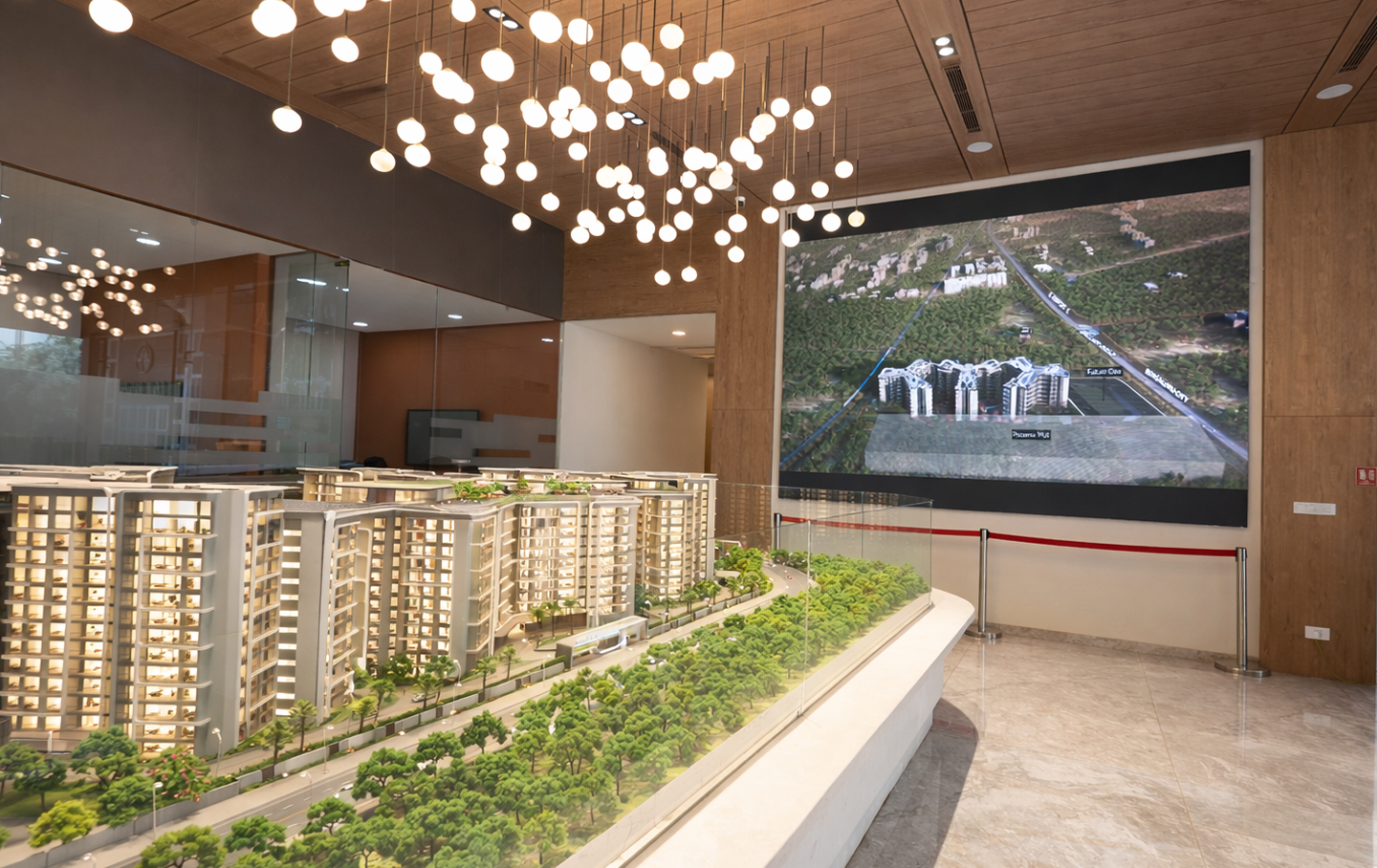
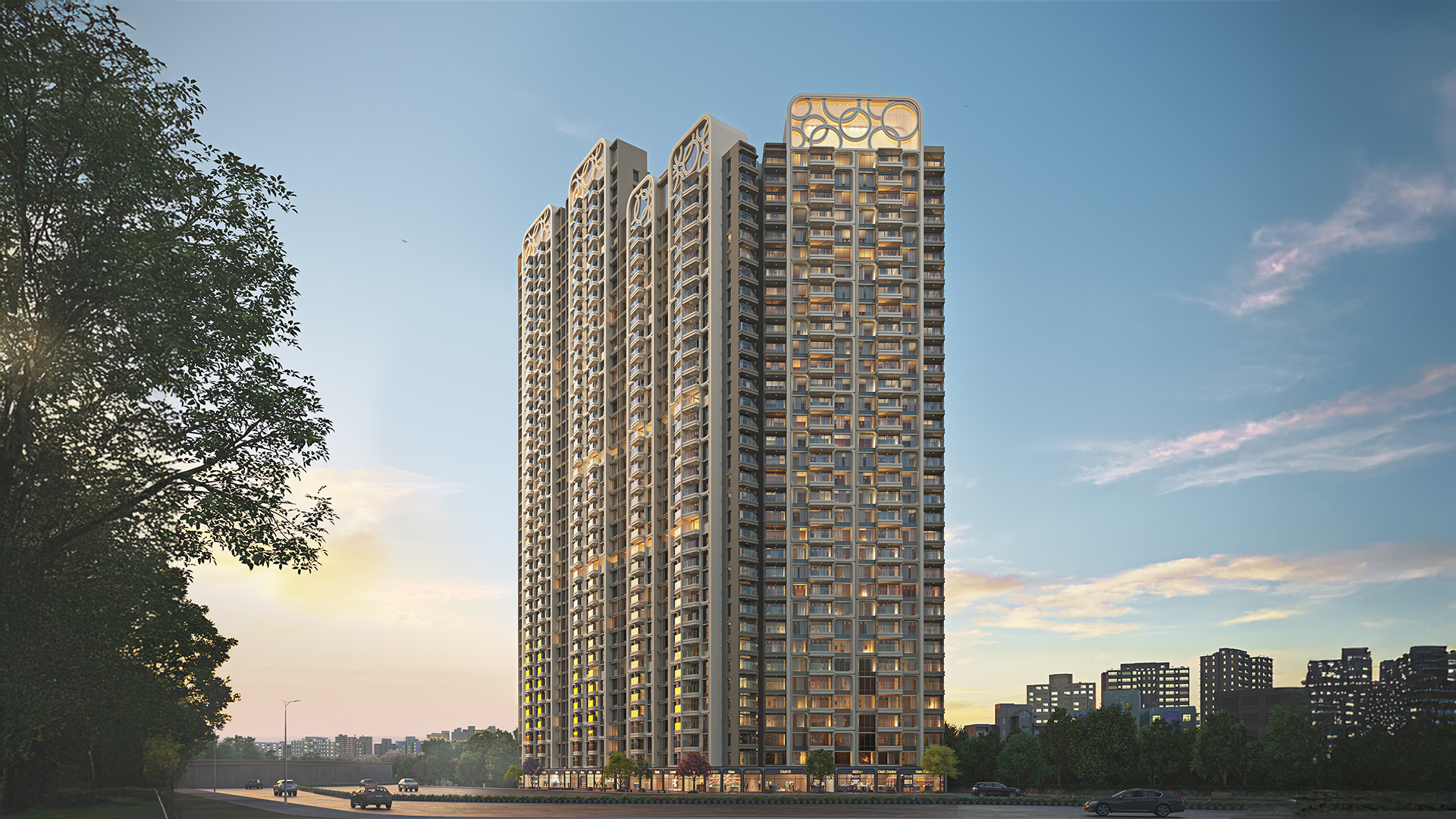
For its debut project in Thane, L&T Realty faced this exact moment. A five-tower residential development. Multiple phases. A location shaped by urban connectivity and the natural edge of the Yeoor Hills.
The challenge was not selling aspiration. It was enabling informed decisions early without overload, approximation, or interpretation. This is where L&T Realty adopted an interactive sales system built on experiential real estate technology, designed to replace fragmented explanations with structured understanding.
The Core Sales Challenge: Scale Without Confusion
In traditional sales environments, buyers are asked to assemble meaning themselves. Brochures explain one aspect. Scale models explain another. Verbal explanations attempt to bridge the gaps.
For a five-tower, phased development, this approach creates friction:
Buyers struggle to understand how current launches connect to future phases
Scale is explained verbally instead of being seen and verified
Location advantages remain abstract rather than contextual
Unit layouts are imagined rather than clearly evaluated
Each unanswered question delays conviction.
L&T Realty’s requirement was clear: one system that could explain everything—clearly, consistently, and at sales speed.
The Strategic Shift: From Explanation to Comprehension
L&T Realty did not need more visuals. They needed a single interactive sales system that could carry the entire project narrative with precision.
The mandate was clear:
Communicate scale without overwhelming buyers
Present future phases without confusion or dilution
Keep performance flawless despite complex 3D assets
Equip sales teams with a consistent, repeatable tool
The answer was a purpose-built V-Estate interactive platform designed to support real-world sales conversations, not presentations.
One System. Four Anchors. Total Clarity
Instead of adding more touchpoints, the sales journey was rebuilt around four anchors. Each anchor addressed a specific buyer hesitation. Together, they formed a single, continuous decision environment.
These anchors did not decorate the experience center. They structured it.
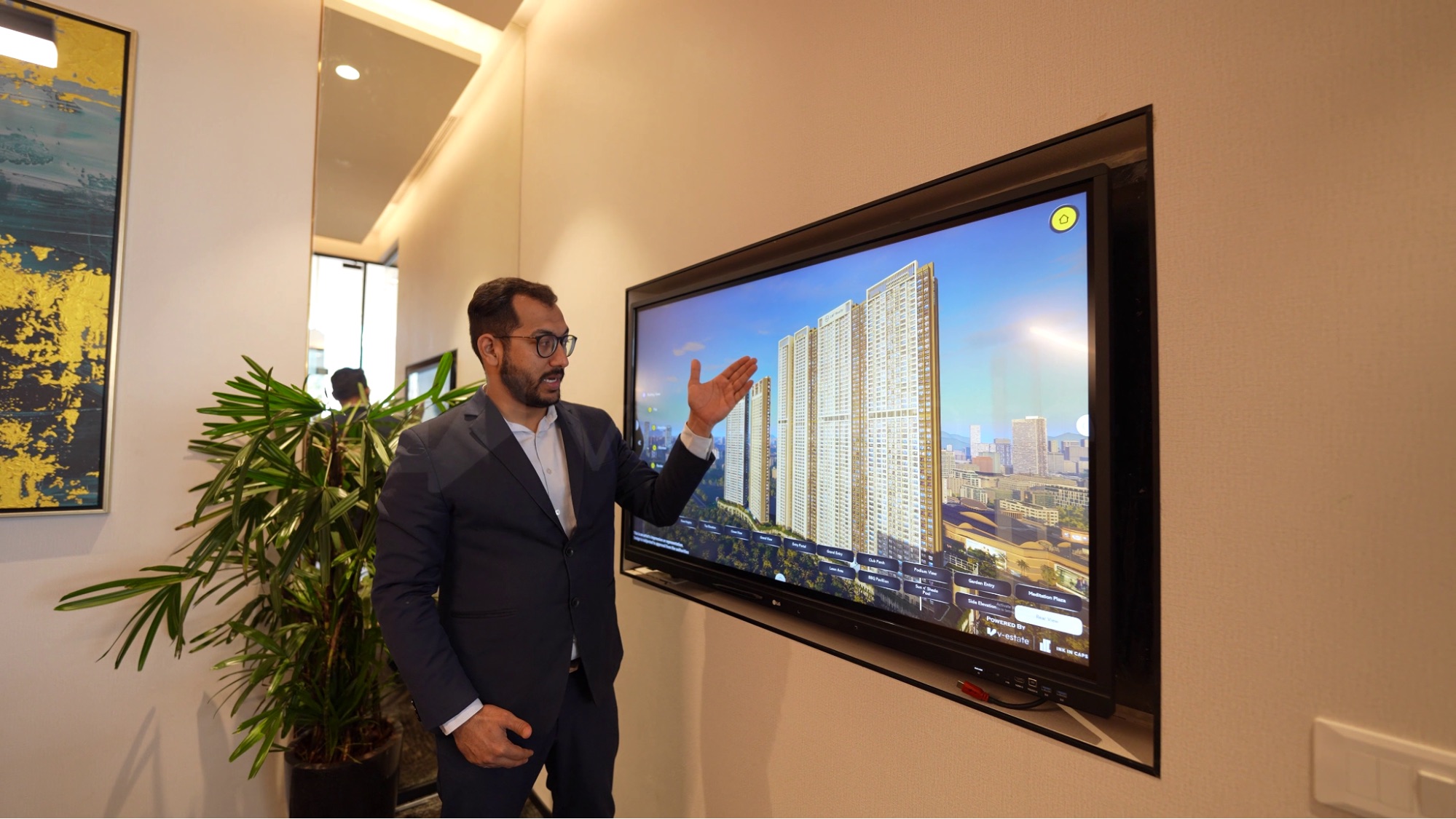
Anchor 1: Masterplan Visibility That Ends Guesswork Early
The first anchor established complete spatial understanding from the start.
Through interactive exterior visualization, buyers explored the entire five-tower master plan in real time. They could see building placement, height relationships, open spaces, and orientation toward the surrounding landscape without relying on explanation.
This ensured that every buyer conversation began from the same factual baseline.
Commercial Impact:
Buyers understood the full development before discussing individual units
Future phases were communicated clearly without diluting the current launch
Sales teams avoided repetitive explanations around scale and sequencing
Early clarity removed early hesitation.
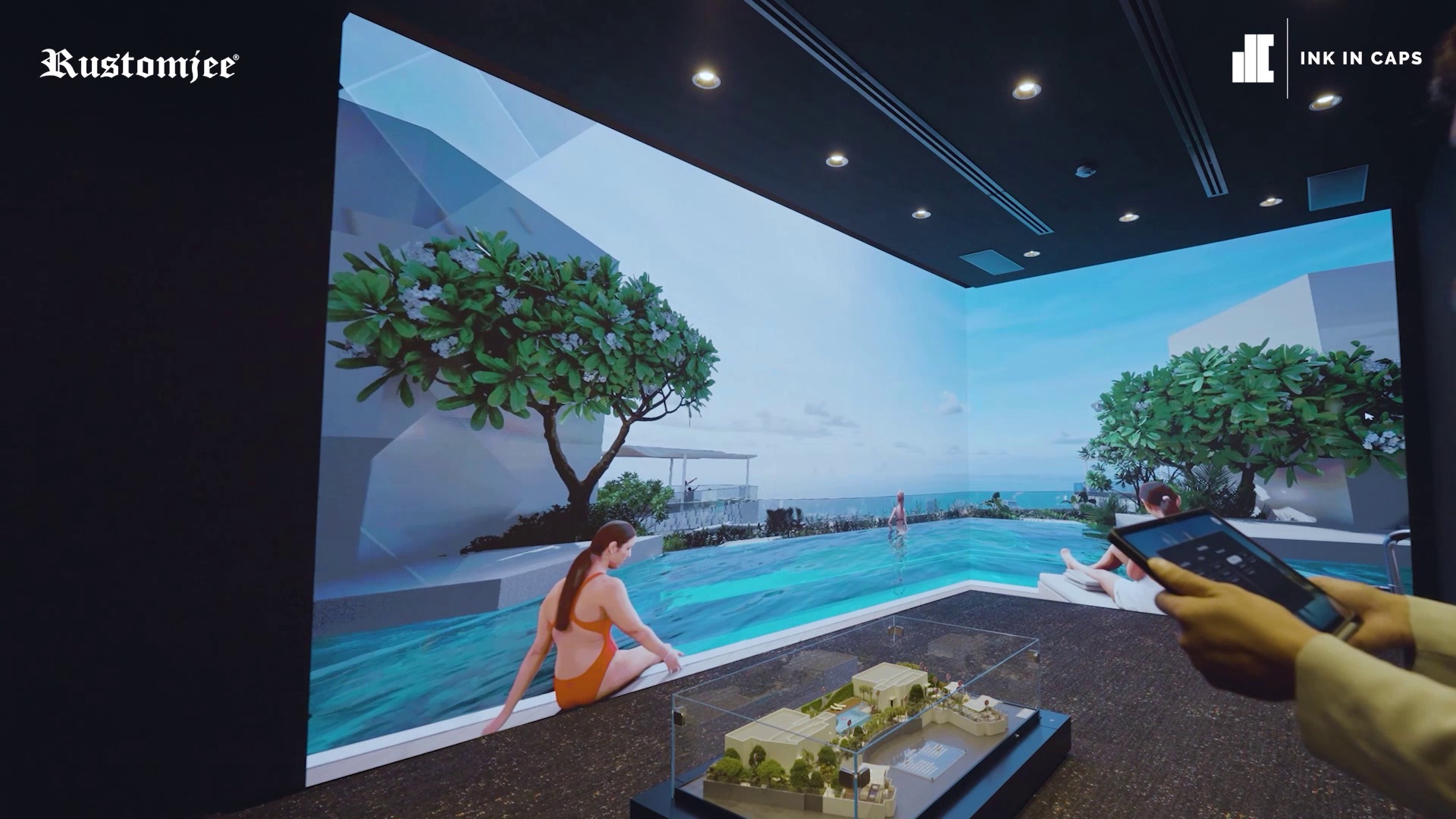
Anchor 2: Lifestyle Comprehension Without Overstatement
Amenities influence emotion, but confusion around scale and usability often weakens belief.
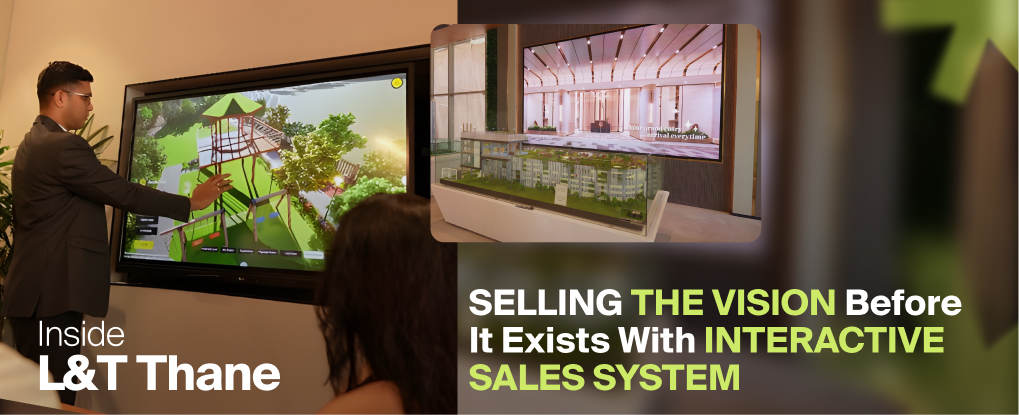
The second anchor enabled buyers to explore amenities through interactive walkthroughs that focused on proportion, flow, and intent. Buyers navigated lifestyle spaces independently, absorbing details at their own pace.
The experience remained grounded and factual—no exaggerated storytelling, no forced narrative.
Commercial Impact:
Buyers evaluated amenities based on understanding rather than assumption
Lifestyle discussions became specific and outcome-focused
Emotional alignment was built on realism, not promise
Belief strengthened because nothing felt overstated.
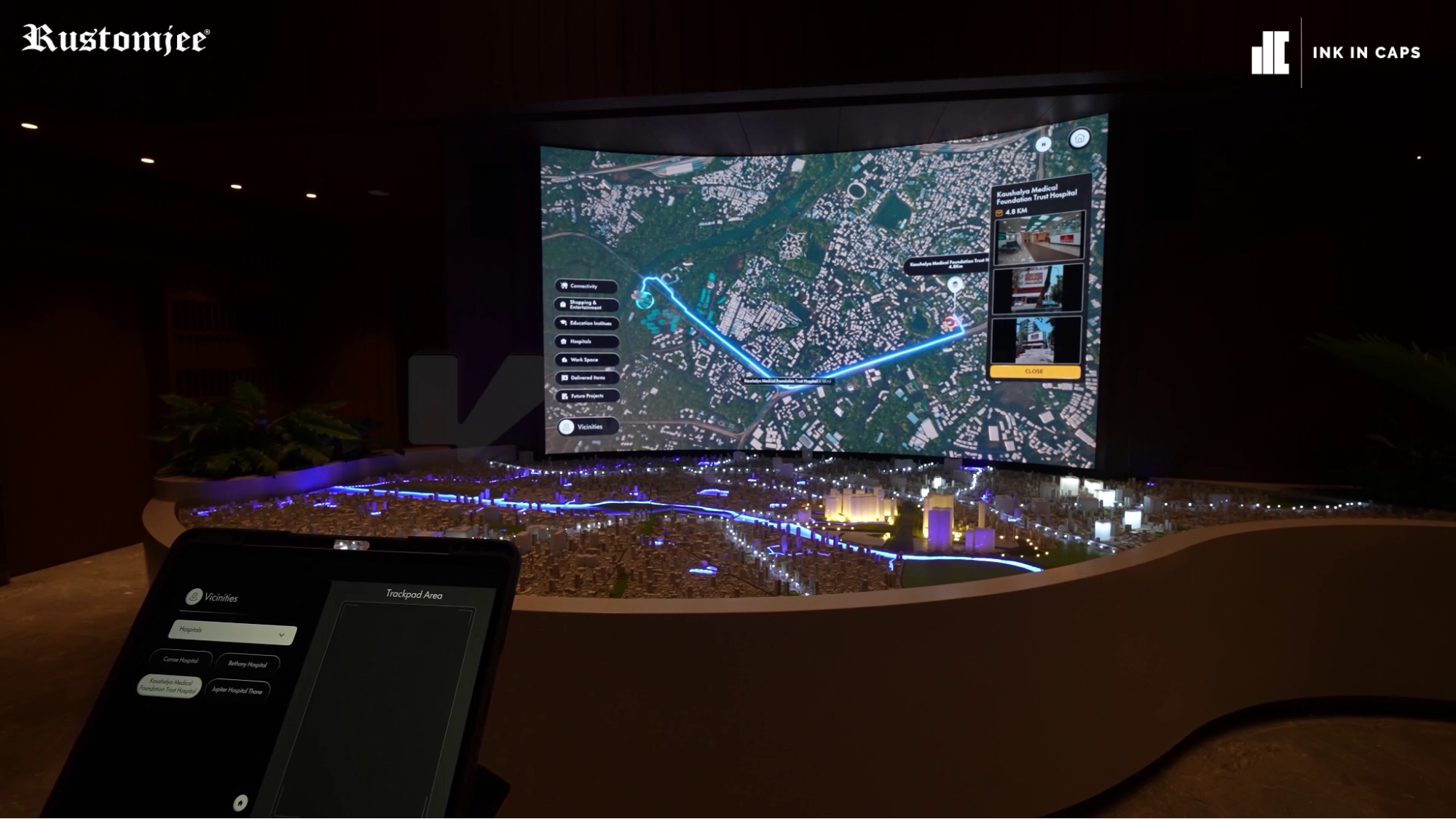
Anchor 3: Location Context That Strengthens Value Perception
Location sells only when buyers understand it in context.
The vicinity mapping anchor presented connectivity, infrastructure, landmarks, and natural surroundings within one interactive environment. Instead of remembering distances, buyers understood travel logic, access patterns, and long-term relevance.
This reframed location from a claim into a visual reference.
Commercial Impact:
Faster resolution of connectivity-related objections
Clear understanding of how the project fits into its surroundings
Stronger long-term value perception anchored in real geography
Location discussions became decisive instead of exploratory.
Anchor 4: Interior Clarity That Enables Informed Commitments
Interior understanding is where many sales conversations stall.
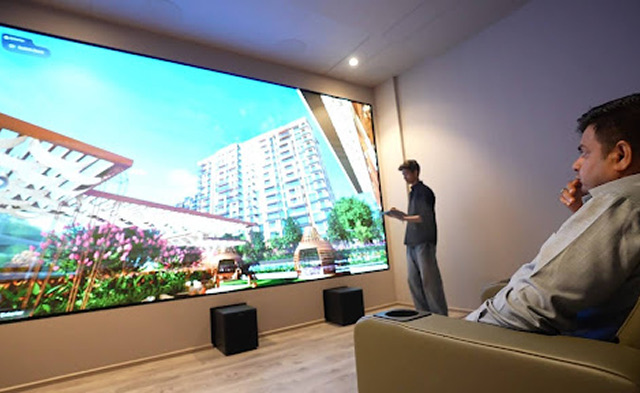
The final anchor allowed buyers to move through homes virtually, evaluate layouts, understand circulation, and compare configurations without mental effort. Spatial relationships were clear. Room proportions were evident. Choices felt informed.
This anchor directly supported decision readiness.
Commercial Impact:
Fewer follow-up visits required for layout clarification
More precise buyer questions during commercial discussions
Smoother transition from exploration to evaluation
Curiosity matured into informed decision-making.
Built for Real Sales Environments, Not Demonstrations
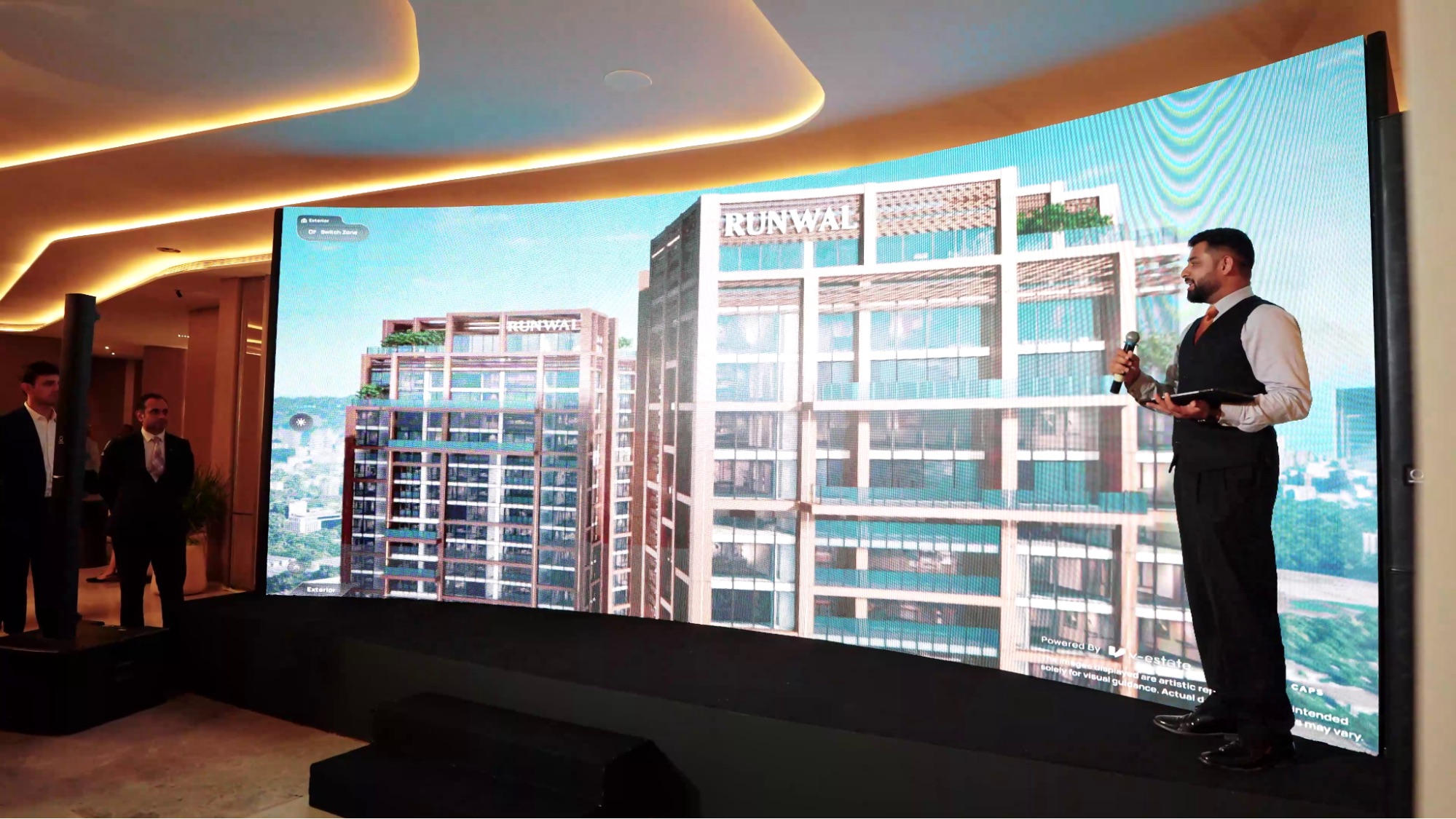
Experiential real estate technology fails when performance fails.
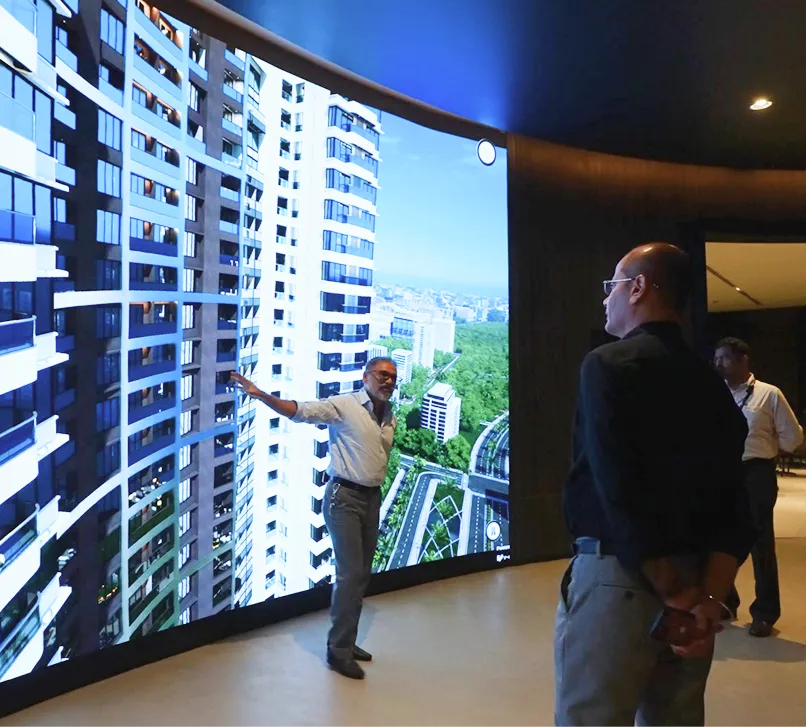
This system was optimized for real-time interaction across large-format touchscreens, handling complex 3D environments without lag or disruption. Sessions remained smooth, responsive, and reliable—critical for long sales conversations.
Execution priorities included:
Stable performance despite large-scale architectural assets
Intuitive navigation requiring minimal facilitation
Consistency across repeated demos and multiple users
Dependable systems build trust. Trust accelerates decisions.
Extending the Experience Beyond the Sales Gallery
Sales momentum cannot remain confined to a physical space.
To support remote prospects and international buyers, the interactive system was extended through a web-based platform that preserved core functionality while optimizing performance for online access.
This enabled:
Continuous buyer engagement beyond scheduled visits
Consistent narrative delivery across channels
Better alignment between marketing outreach and on-ground sales
The experience scaled without losing clarity.
The Shift Inside L&T Realty’s Sales Engine
The interactive sales system became a foundational part of the project’s sales journey.
Its impact was visible across multiple dimensions:
Buyers clearly understood a complex, phased development within a single visit
Present and future phases were communicated without ambiguity
Sales teams delivered consistent explanations independent of individual style
Buyer conversations shifted from clarification to evaluation
Most importantly, buyers reached decisions with conviction grounded in understanding, not assumption.
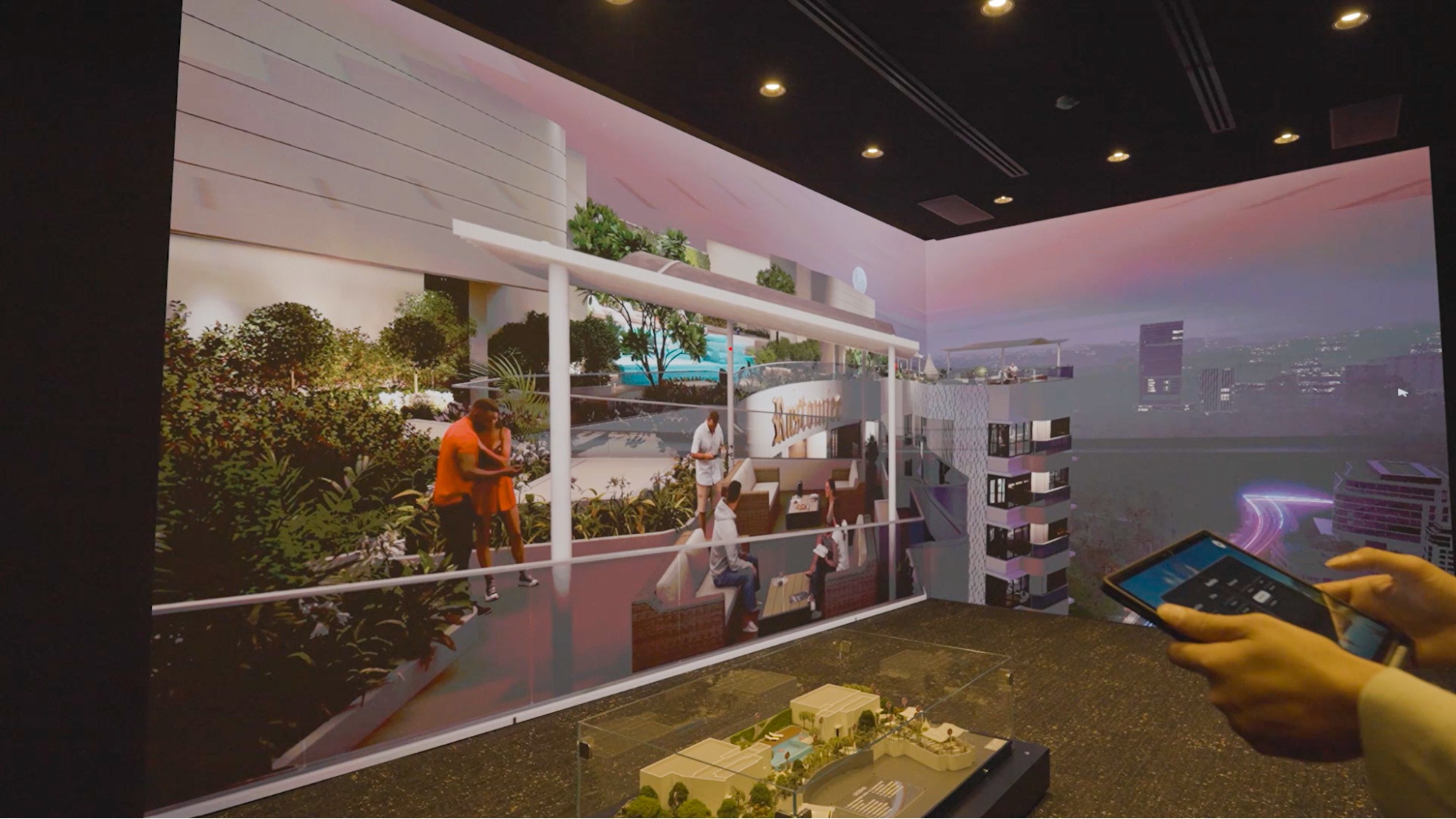
The New Baseline for Real Estate Developers
This case reinforces a fundamental shift in real estate sales.
Experiential real estate technology is not a visual upgrade. It is decision infrastructure.
When built correctly, it:
Reduces cognitive load for buyers
Shortens explanation cycles for sales teams
Improves the quality of commercial conversations
Protects brand credibility in complex developments
L&T Realty’s deployment demonstrates how structured interactive systems translate architectural vision into buyer clarity—without hype, jargon, or persuasion.
The Takeaway: Experiential Systems Create Conviction
Buyers do not commit because they are impressed. They commit because they understand.
V-Estate builds interactive sales systems that replace fragmented storytelling with structured clarity—systems that help buyers explore, evaluate, and decide with precision.
If your project involves scale, phasing, or long-term vision, static tools will slow you down.
Build a system that helps buyers see clearly and decide decisively. Reach out to V-Estate to design an experiential sales journey engineered for real conversions.
.jpg)