.jpg)
Real estate developers face a persistent challenge: converting interested prospects into qualified leads who actually purchase properties. Traditional marketing methods often fall short, leaving potential buyers confused, unengaged, or unable to visualize themselves in the space. The solution lies in creating immersive, customizable virtual experiences that transform how buyers interact with properties.
The Reality of Modern Property Buyers
Today's property buyers arrive with higher expectations and shorter attention spans. They want immediate access to information, personalized experiences, and the ability to explore properties on their own terms. Static brochures and generic property listings no longer suffice when buyers can access virtual experiences that feel almost as real as physical visits.
The traditional property viewing process creates friction. Buyers must coordinate schedules, travel to locations, and often struggle to visualize how a space might look with their preferred finishes or furniture. This disconnect between expectation and reality leads to longer sales cycles and higher dropout rates.
Creating Photorealistic Virtual Environments
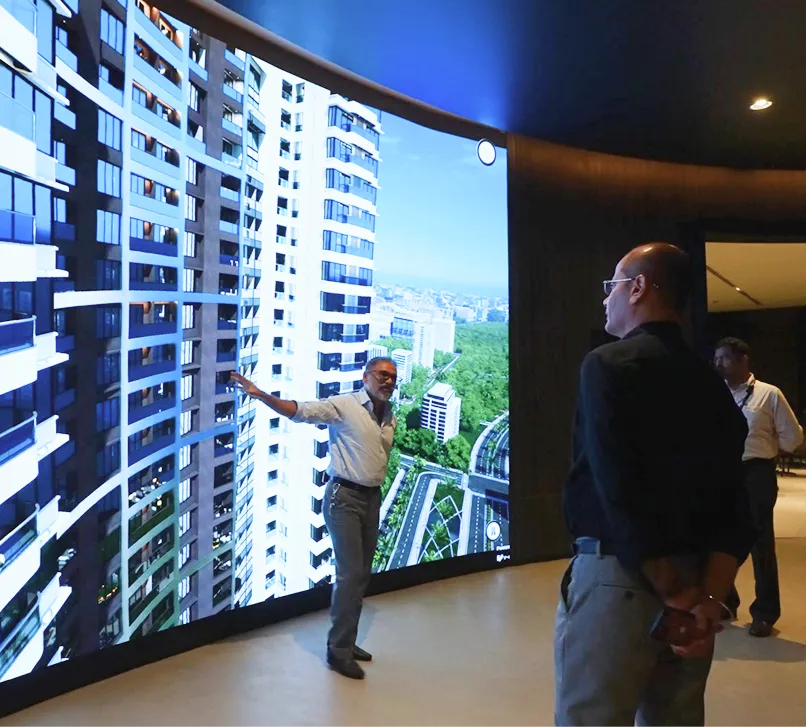
The foundation of effective lead conversion starts with creating photorealistic 3D virtual environments that capture every detail of a property. These aren't simple 360-degree photos but fully rendered spaces that show minute details like natural light patterns, shadow movements, and even the view from specific windows at different times of day.
When buyers can sit virtually in a living room and see exactly how the evening sun illuminates the space while they imagine sipping their coffee, they develop an emotional connection that static images cannot create. This emotional engagement directly translates to higher conversion rates because buyers can genuinely envision their future lifestyle in the space.
Empowering Buyer Customization
The most powerful aspect of modern virtual property experiences is customization capability. Buyers no longer need to rely solely on their imagination to see how a space might look with different paint colors, flooring options, or furniture arrangements. Interactive customization tools let them experiment with various design elements in real-time.
This level of personalization serves multiple purposes. It keeps buyers engaged longer, gives them a sense of ownership over the space, and helps them make more confident purchasing decisions. When buyers can visualize their dream home down to the last detail, they're more likely to move forward in the sales process.
Comprehensive Amenity and Location Integration
Smart developers understand that buyers don't just purchase a property—they buy into a lifestyle. Virtual experiences should showcase not only the property itself but also nearby amenities, connectivity options, and upcoming developments that enhance the location's value proposition.
Mapping out schools, shopping centers, transportation hubs, and recreational facilities within the virtual experience helps buyers understand the complete picture of their potential new neighborhood. This comprehensive approach addresses common buyer concerns about location and convenience before they become objections.
Dynamic Environmental Controls
One of the most impressive features of advanced virtual property experiences is dynamic lighting and weather controls. Buyers can experience how a property looks during different seasons, times of day, and weather conditions. This feature addresses a common buyer concern: "What will this place feel like during winter?" or "How bright is the morning light in the bedroom?"
These environmental controls help buyers make more informed decisions and reduce post-purchase regret, leading to higher customer satisfaction and referral rates.
Streamlining the Lead Qualification Process
Virtual property experiences generate valuable data about buyer behavior and preferences. When integrated with customer relationship management systems, this data helps developers identify and prioritize high-quality leads more effectively.
Buyers who spend significant time customizing spaces, exploring multiple rooms, and experimenting with different design options demonstrate higher purchase intent than those who briefly browse and leave. This behavioral data allows sales teams to focus their efforts on the most promising prospects.
Building Trust Through Transparency
Transparency builds trust, and virtual experiences provide unprecedented transparency in property marketing. When buyers can explore every corner of a space, understand the exact layout, and see realistic representations of finishes and fixtures, they develop confidence in the developer's credibility.
This transparency reduces the gap between buyer expectations and reality, leading to fewer complaints, cancellations, and disputes during the sales process.
The Future of Property Sales
The real estate industry is moving toward more immersive, personalized, and accessible sales experiences. Developers who embrace these technologies now position themselves ahead of competitors who rely on traditional marketing methods.
Virtual property experiences aren't just a marketing tool—they're a fundamental shift toward customer-centric sales processes that prioritize buyer needs, preferences, and convenience. This approach naturally leads to higher conversion rates, improved customer satisfaction, and stronger long-term business relationships.
The question isn't whether virtual property experiences will become standard in real estate marketing, but how quickly developers will adopt these tools to stay competitive in an evolving market. Those who act now will capture the advantages of early adoption while building the expertise needed to refine and optimize these powerful lead conversion tools.