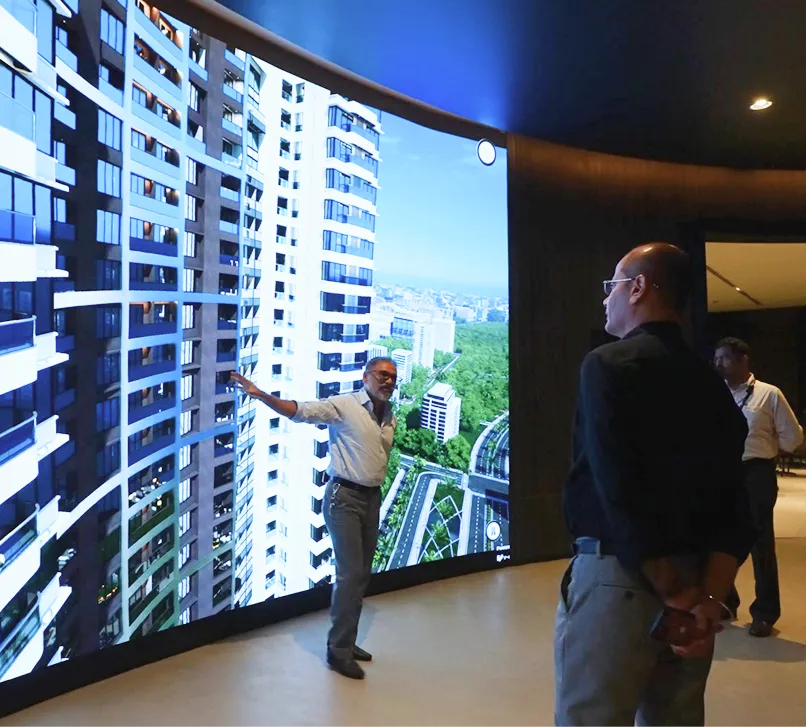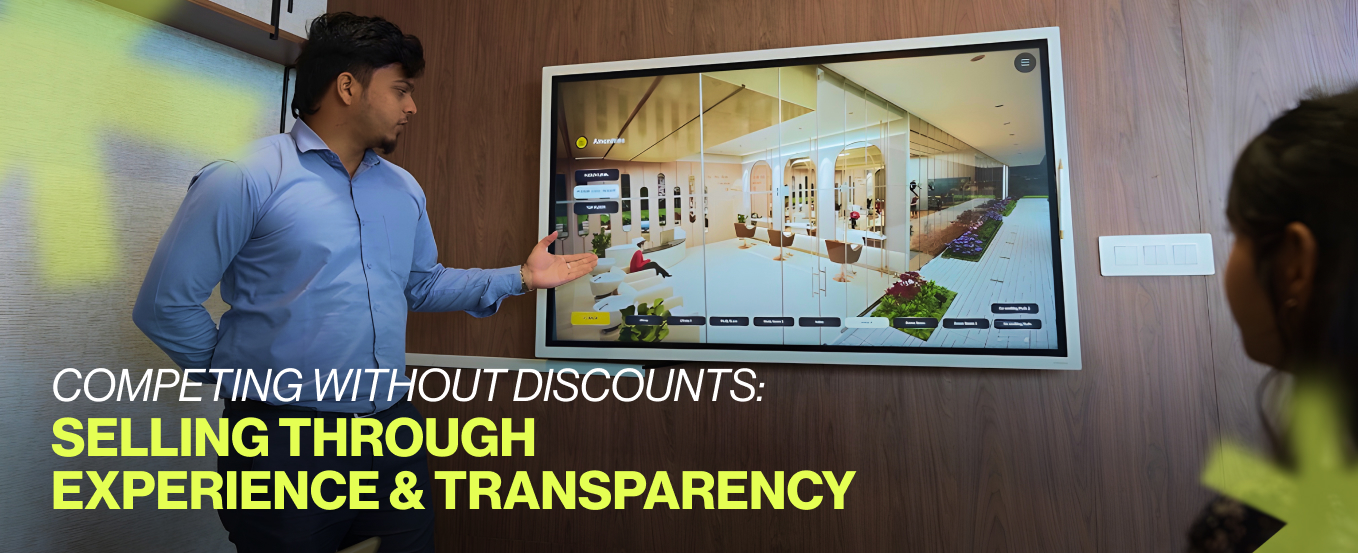
Discounts drain margins. Real estate developers know this truth. Yet pressure mounts. Inventory sits. Buyers demand answers before commitment. Competing on price alone signals weakness. Selling through transparency and immersive experience builds sustainable advantage.
The market has shifted. Buyers research online, yet crave tactile proof. Traditional offline activations fail to deliver. Static brochures blur specifications. Generic pitch decks are confusing. Sales teams repeat tired talking points. Lead conversion stalls. Developers lose control over property narratives. Time, cost, and credibility erode simultaneously.
This problem demands a solution that bridges the gap between initial interest and buying conviction. Offline sales activations remain the decisive moment. The location matters. The presentation matters. The tools you deploy determine outcomes.
The Discount Dependency Trap
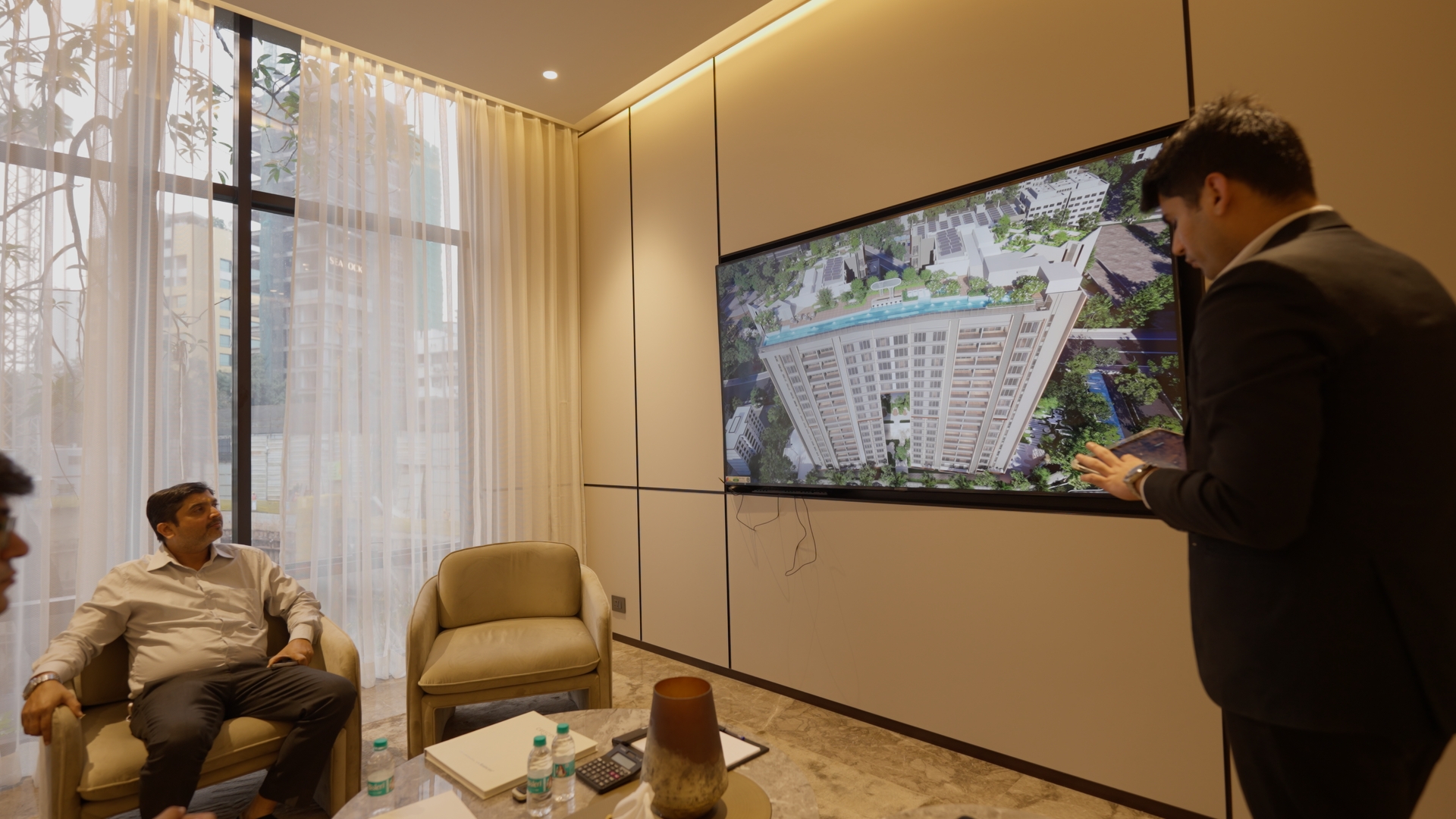
Most developers fall into predictable patterns. Inventory accumulates. Conversion rates drop. The instinctive response: cut prices. Discounts become reflex, not strategy.
Margins suffer. A 10% discount on a ₹50 lakh property is ₹5 lakhs in lost revenue. Multiply across units and projects. The financial impact compounds. Sales velocity might increase short-term, but buyer expectations reset permanently. Next launch requires steeper cuts.
Marketing heads track the consequences. Lead quality deteriorates. Discount-seeking buyers lack commitment. Post-purchase satisfaction scores drop. Retention weakens. Referral value disappears. You've traded long-term brand equity for short-term velocity.
Competitors flood the market with similar strategies. Price wars commoditize luxury. Differentiation erodes. Developers become interchangeable. Sales cycles lengthen. Customer acquisition costs spike. Profitability becomes fiction.
The real issue? Buyers lack sufficient confidence to justify premium pricing. They don't understand what they're paying for. Lifestyle benefits remain abstract. Connectivity value stays vague. Transparency deficits drive discount dependency.
Where Offline Activations Fall Short
Sales events host hundreds of prospects. Yet conversion rates remain disappointing. Why?
Physical show flats are static. A painted wall looks one way under showroom lights. Actual residents see it under morning sun, evening lamps, cloudy skies. Buyers imagine. Developers hope. Reality disappoints upon handover.
Amenity communication suffers. A brochure shows pool dimensions. A prospect cannot visualize the experience. How does the poolside feel at 6 PM when families gather? What's the actual view from the gym? Context vanishes from digital materials. Developers resort to hype language. Skepticism deepens.
Connectivity details bore prospects. Charts listing nearby schools and hospitals lack relevance. Buyers want to know: how many minutes to my office by car? Which routes are congested during peak hours? Are upcoming metro lines actually happening? Vagueness breeds doubt.
Customization requests create friction. A buyer asks: can I paint this wall terracotta? Can I fit my sofa here? Sales reps answer: "We'll check with the design team." Decision momentum dies. Buyers leave uncertain. Follow-ups lose steam. Deals stall.
Lead data collection is minimal. Most offline activations capture names and phone numbers. Real insights—preferences, priority features, budget confirmation—get lost. Follow-up calls become generic. Personalization disappears. Conversion rates reflect this carelessness.
The Real Estate Experience Standard Has Changed
Buyers expect control. They expect clarity. They expect realism.
Luxury car showrooms let buyers sit in vehicles, adjust mirrors, and test acceleration simulators. Tech firms showcase prototypes. Property developers still hand out printed brochures. The gap is stark.
Premium buyers—your target audience—visit multiple projects. They compare rigorously. Precision and honesty determine selection. Vague promises and generic tours get forgotten. Projects that eliminate doubt win deals.
Offline activation is where trust compounds. It's your moment to demonstrate competence and transparency. Everything else is speculation.
Offline Immersion: Realistic Property Visualization
Photorealistic 3D environments eliminate guesswork. Buyers see actual window views—not artist renderings, not assumptions. They sit virtually at their future dining table. They observe how afternoon light enters the living room. They notice the balcony breeze pattern. They check sightline angles. Details sell properties.
Customization happens instantly. Change wall paint color. Test furniture arrangements. Adjust lighting scenarios. Buyers experience ownership decisions in real-time. No waiting. No second-guessing. No surprises after handover.
Dynamic lighting and seasonal controls matter more than most realize. A unit facing west needs sun management. Does the developer understand this? Buyers see. Thermal comfort impacts satisfaction. Winter light versus summer glare. Morning brightness versus evening ambient. These details compound into lifestyle quality.
Offline activation gains enormous power here. Prospects physically present with sales reps can explore independently. Reps answer specific questions, not deliver scripted pitches. Conversation becomes consultative. Trust builds naturally.
Amenity and Connectivity Context Transforms Decision-Making
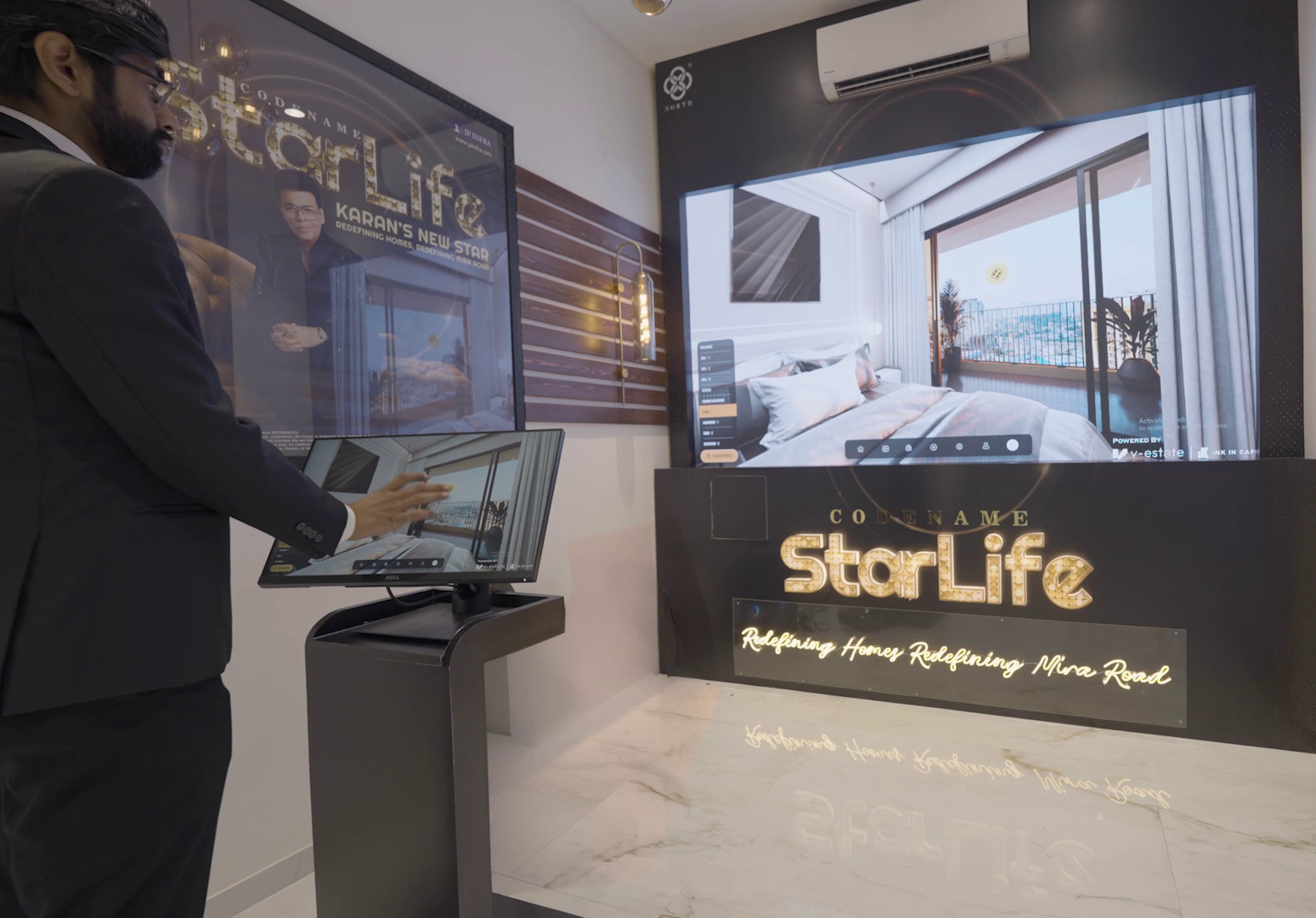
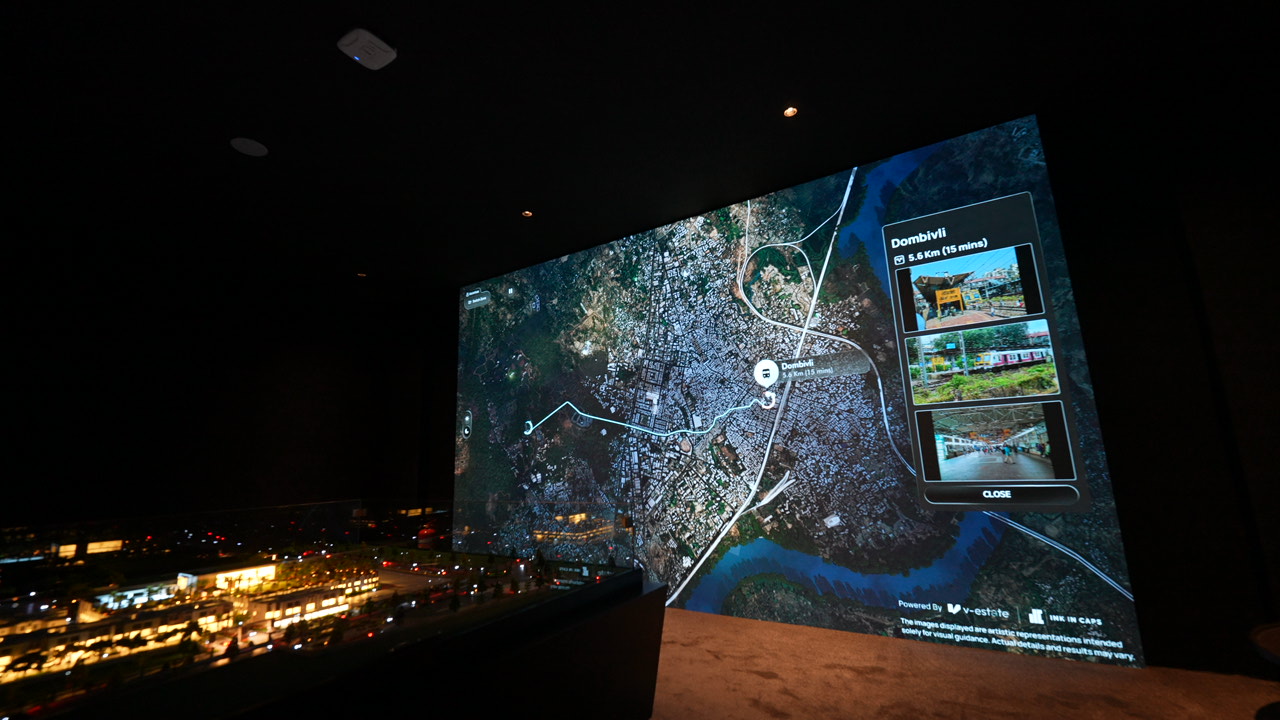
Showing a project in isolation is incomplete. Buyers purchase lifestyle, not just real estate. Context matters profoundly.Nearby amenities deserve visualization, not listing. Schools appear with actual distance metrics. Hospitals show accessibility routes. Parks display recreational patterns. Buyers grasp convenience tangibly. The abstract becomes concrete.
Current and upcoming projects deserve honest mapping. What projects compete for parking? Which ones add neighborhood vibrancy? Developers who showcase the full context gain credibility. Hiding competitive projects signals weakness. Transparency wins.
Connectivity remains the unspoken deal-breaker. Commute times affect daily life quality more than many property features. Accurate transit information. Current traffic patterns. Planned infrastructure additions. Buyers respect developers who provide verified data. Projections without evidence breed skepticism.
Lead Quality and Sales Efficiency Multiply
High-engagement offline activations generate superior leads. Prospects who visualize their property deeply show higher conviction. They self-qualify through exploration. Hesitant buyers reveal doubt early.
Sales teams close deals faster when buyers have already visualized ownership. Objections diminish. Post-sale regret drops. Customer satisfaction increases measurably. Referrals generate naturally.
Cost benefits compound. Reducing physical staging requirements saves capital. Simplifying sales cycles compresses time-to-close. Minimizing post-handover disputes protects reputation. Margins improve without cutting prices.
Data captured during offline activations reveals customer priorities. Which amenities attract attention most? Which customizations matter most? Sales strategies refine based on real behavior. Marketing messages align with actual buyer motivation.
Relevance for Developers and Marketing Leadership
This approach works across segments. Luxury towers demand precision. Affordable housing needs mass appeal. Commercial complexes require detailed planning visualization. The transparency principle remains constant.
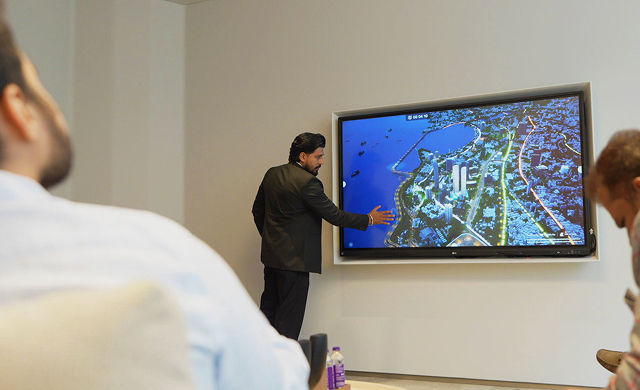
Marketing heads integrate this into activation workflows seamlessly. Sales teams train quickly. Technology becomes invisible. The experience becomes the asset.
Offline activation remains the decisive moment. Deploy tools that eliminate friction. Empower buyers to visualize confidently. Demonstrate transparency relentlessly. Build trust systematically.
Competing without discounts becomes possible. Margins defend themselves when buyers understand true value. Experience and transparency are your competitive moat.
Launch your next offline activation with immersive property visualization. Shift from price-based competition to experience-based selling. Contact the team for a consultation on implementing transparent, immersive property experiences tailored to your project profile and buyer segment.
Your margin improvement starts with buyer confidence. Build that systematically.