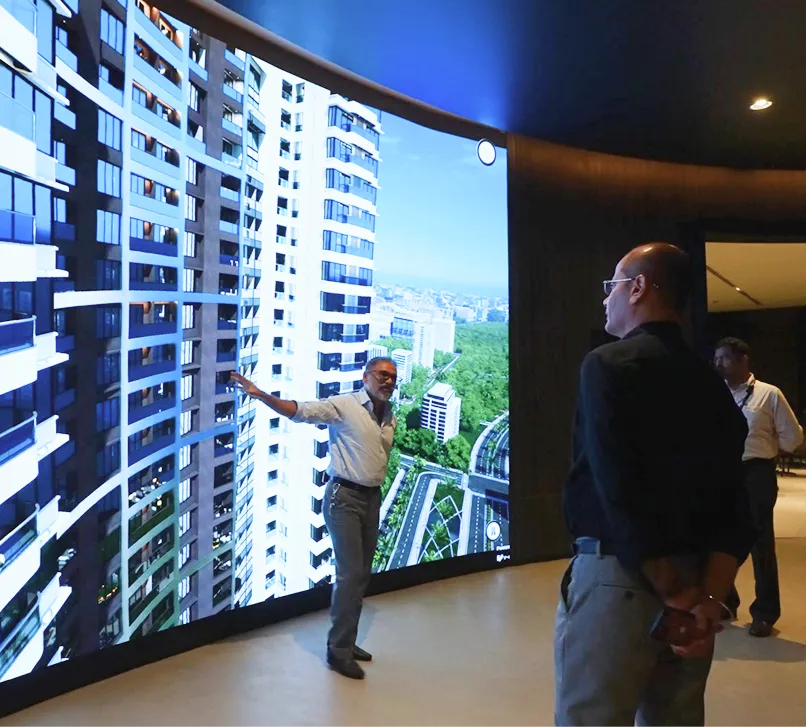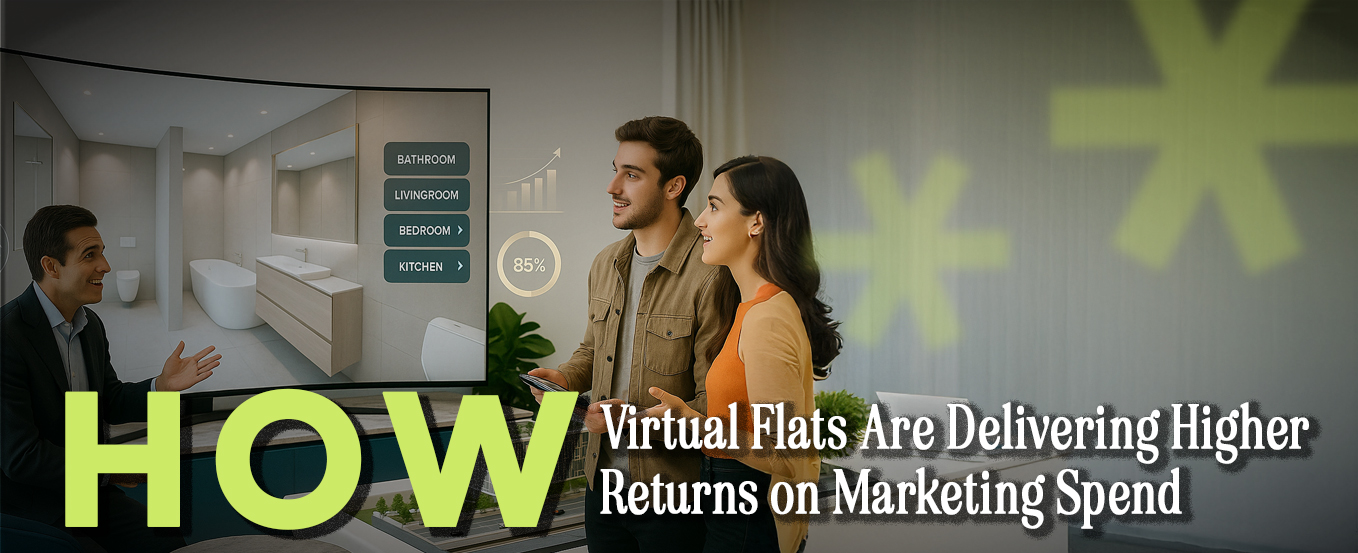
Real estate developers face mounting pressure to maximize every marketing dollar while competing in an increasingly crowded marketplace. Traditional marketing approaches—physical staging, printed brochures, and static photography—are proving inadequate for today's digitally-savvy buyers who expect immersive, interactive experiences before making significant investment decisions.
The solution lies in embracing virtual flat technology, which is fundamentally transforming how developers showcase properties and engage potential buyers. This shift isn't just about keeping up with trends; it's about solving critical business challenges that directly impact profitability and market competitiveness.
The Financial Burden of Traditional Marketing Methods
Most developers struggle with the escalating costs of conventional property marketing. Physical staging alone can drain thousands from budgets for each property, with ongoing expenses for furniture rental, maintenance, and frequent updates to keep spaces looking fresh. Add the costs of professional photography, printed materials, and repeated site visits, and marketing expenses quickly spiral beyond sustainable levels.
Traditional approaches also create time-related challenges. Properties languish on the market for extended periods, accumulating carrying costs including mortgage payments, property taxes, utilities, and maintenance expenses. These holding costs eat directly into profit margins, making faster sales cycles essential for maintaining healthy returns.
Revolutionary Cost Efficiency Through Virtual Solutions
Virtual flat technology addresses these financial pain points head-on. Instead of spending thousands on physical staging for each unit, developers can create compelling virtual environments for a fraction of the cost. This technology eliminates ongoing rental fees, maintenance expenses, and the logistical headaches of coordinating physical staging across multiple properties.
The cost savings extend beyond staging alone. Virtual tours reduce the need for countless in-person showings, saving time for both sales teams and potential buyers. Staff can focus their efforts on qualified prospects who have already experienced the property virtually, improving productivity and reducing operational overhead.
Accelerated Sales Cycles Drive Profitability
Properties showcased through virtual flat technology consistently demonstrate shorter time-to-sale periods. When buyers can thoroughly explore properties remotely, they arrive at purchase decisions more quickly. This acceleration significantly reduces carrying costs, which compound daily and can substantially impact overall project profitability.
The ability to showcase properties before construction completion provides additional advantages. Developers can begin marketing efforts earlier in the development timeline, securing pre-sales that improve cash flow and reduce financial risk throughout the project lifecycle.
Enhanced Buyer Engagement Creates Quality Leads
Virtual environments capture buyer attention more effectively than traditional marketing materials. Interactive experiences keep potential customers engaged longer, allowing them to develop emotional connections with properties. This deeper engagement translates into more serious inquiries and higher-quality leads.
The technology also expands market reach beyond geographical limitations. Out-of-town buyers can experience properties thoroughly without traveling, opening new customer segments that were previously difficult to reach through conventional marketing approaches.
Premium Pricing Through Superior Presentation
Virtual flat presentations enable developers to showcase properties at their absolute best. Perfect lighting, optimal furnishing arrangements, and the ability to demonstrate various configuration options help buyers envision the full potential of their investment. This enhanced presentation capability often supports premium pricing strategies.
Buyers who experience properties through high-quality virtual tours develop stronger confidence in their purchase decisions. This confidence reduces price negotiations and supports asking price achievement, directly improving profit margins per unit sold.
Multi-Channel Distribution Maximizes Exposure
Virtual assets integrate seamlessly across digital marketing channels. The same virtual tour can enhance website experiences, social media campaigns, email marketing efforts, and online listing platforms. This versatility maximizes the value derived from initial content creation investments.
Social media platforms particularly favor interactive content, and virtual property tours generate higher engagement rates than static images or traditional video content. This increased engagement improves organic reach and reduces paid advertising costs required to achieve marketing objectives.
Data-Driven Optimization Improves Performance
Virtual platforms provide detailed analytics about buyer behavior and preferences. Developers can track which property features generate the most interest, how long buyers spend exploring different areas, and where they typically exit the experience. This data enables continuous optimization of both virtual presentations and actual property designs.
Understanding buyer behavior patterns allows for more targeted marketing efforts. Resources can be allocated toward the most effective channels and messaging strategies, improving overall marketing efficiency and return on investment.
Scalability Advantages for Growing Businesses
Virtual marketing assets can be easily replicated and customized across multiple properties and projects. Once initial templates and processes are established, creating virtual experiences for new developments becomes increasingly efficient and cost-effective.
This scalability is particularly valuable for developers managing multiple projects simultaneously or those planning expansion into new markets. Virtual capabilities can be deployed quickly without the logistical challenges associated with physical staging and traditional marketing setup.