.jpg)
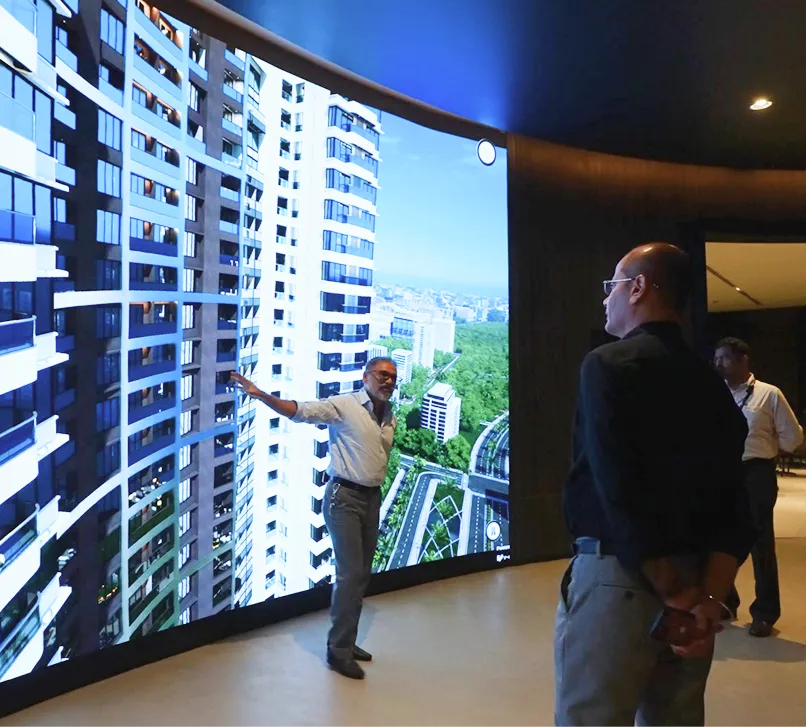
For years, real estate developers have faced a persistent hurdle: floor plans and square footage alone rarely close a deal. Today’s buyers aren't just looking for four walls; they are searching for a community that aligns with their aspirations. Yet, many marketing campaigns still focus on the building, ignoring the neighborhood ecosystem that actually drives the decision to buy.
This disconnect leads to longer sales cycles and lost leads. To increase sales velocity, developers must stop selling a product and start presenting an experience.
Why Traditional Location Marketing Fails Buyers
In most sales galleries, the "location" section is a static map with a few pins or a vague mention of "excellent connectivity." This fails because it lacks context.
Buyers can’t visualize their daily routine. They can't see where they’ll grab their morning coffee, the route they’ll take for an evening jog, or how safe the walk to school is for their children.When buyers are left to guess, they hesitate. This information gap is where sales are often lost to competitors who paint a clearer picture of the neighborhood.
Understanding What Vicinity Mapping Actually Solves
Vicinity mapping is a strategic way to demonstrate neighborhood value by turning abstract data into tangible scenarios.It isn’t just about pinning landmarks on a map; it’s about answering the buyer's unspoken question: "What will my life look like here?"
By implementing high-quality vicinity mapping, developers see:
Faster Decision-Making: Buyers can instantly assess if the lifestyle fits their needs.
Higher Lead Quality: Marketing attracts people who are genuinely interested in that specific neighborhood character.
Reduced Objections: Clear data about the surroundings removes uncertainty during negotiations.

Building Vicinity Mapping Around Buyer Segments
A generic map is a missed opportunity. Different buyers have different priorities, and your vicinity intelligence should reflect that:
For Families: Highlight "kid-friendly" infrastructure. Don't just mark a school; show the safe walking path and the proximity of pediatric clinics and parks.
For Young Professionals: Focus on time-efficiency. Emphasize transit hubs, co-working spaces, gyms, and late-night dining. Show them how the location optimizes their work-life balance.
For Retirees: Prioritize accessibility and wellness. Highlight pharmacies, quiet walking trails, and community centers.
Case Study: The 15-Minute Neighborhood Success
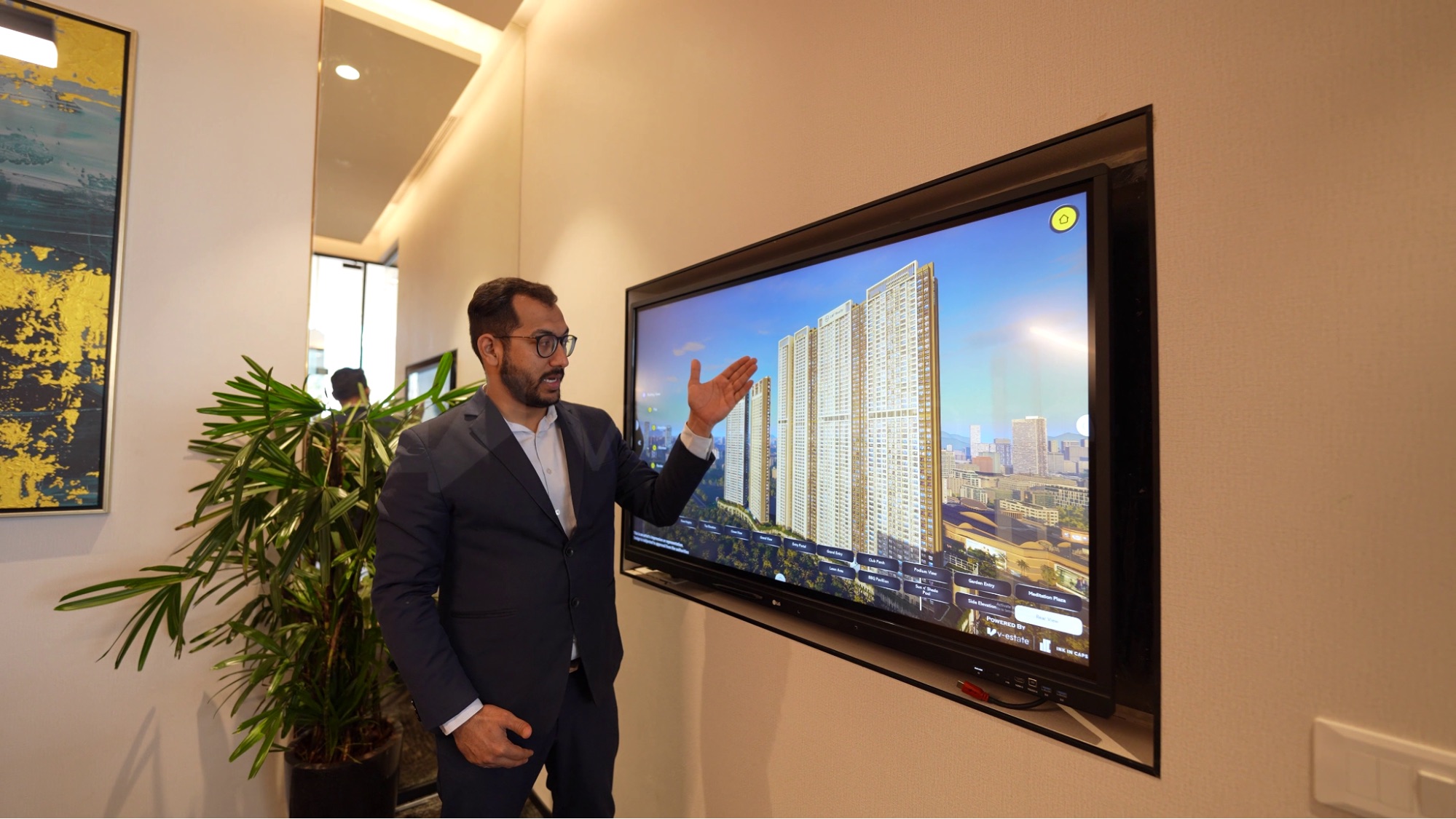
A developer in a high-traffic urban area struggled to justify premium pricing for small units. By using interactive property tour software to highlight a "15-minute lifestyle radius"—showing exact walking paths to organic grocers, transit, and healthcare—they shifted the narrative from "small space" to "unbeatable convenience." This resulted in a 20% increase in conversion rates from first-time visitors.
Creating Vicinity Maps That Actually Influence Decisions
To make a map effective, you must organize information so it is easy to digest:
Layered Categories: Group amenities into sections like "Education," "Wellness," and "Retail." This prevents visual clutter.
Visual Hierarchy: Use consistent iconography. A green tree icon for a park is instantly recognizable and easier to process than text.
Meaningful Context: Instead of just marking a "Mall," include what’s inside—does it have a high-end cinema or a specific grocery chain?
Temporal Data: Mention the frequency of trains during rush hour or the timing of a local weekend market to show the neighborhood's rhythm.
Integrating Vicinity Intelligence Into the Sales Experience
The map shouldn't just sit on a website; it should be an active part of the sales conversation.
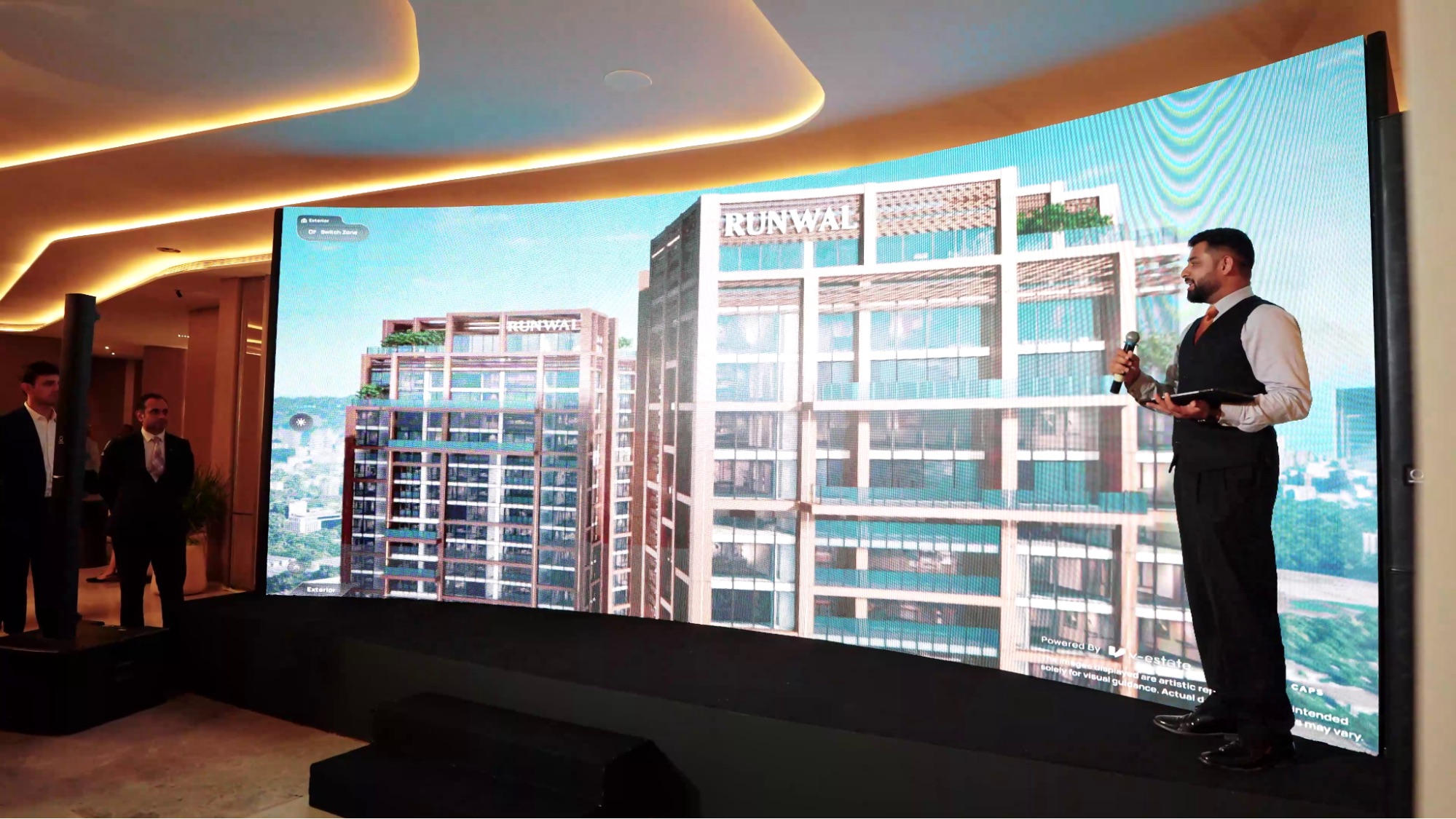
Using tools like vestate, sales teams can provide an interactive experience where buyers "walk" through the neighborhood virtually. In the sales gallery, instead of pointing at a wall, a consultant can help a buyer explore actual distances and upcoming infrastructure projects. For remote buyers, this level of detail is critical—it builds the trust needed to commit to a property they haven't visited in person.
Writing About Location in Ways That Create Emotional Connection
Language is the bridge between data and emotion. Avoid tired clichés like "centrally located." Instead, describe the experience.
Weak: "The property is near several cafes."
Strong: "Start your Saturday with a five-minute stroll to the local bakery, known for the best sourdough in the city."
When you describe a "day in the life," the buyer stops evaluating a building and starts imagining their future.
Making Vicinity Mapping Work Across Marketing Channels
To maximize impact, your vicinity strategy must be consistent:
Website: Embed interactive maps directly on the main page so exploration is seamless.
Social Media: Use neighborhood insights to target specific groups (e.g., targeting parents with "Top 5 Parks near [Property Name]").
Email Nurture: Send tailored guides. A "Commuter’s Guide" for professionals and a "School District Overview" for families.
The Compounding Effect on Sales Velocity
When you sell a lifestyle through targeted vicinity mapping, you create a sense of certainty. Buyers feel informed, sales teams feel empowered, and the property stands out in a crowded market.
Ultimately, you aren't just selling a gateway to a home—you are selling a gateway to a better daily experience. That shift in perspective is what transforms interest into a signed contract.
Ready to transform how you present your properties?
Explore how V-Estate can help you build an immersive, lifestyle-driven sales experience today.