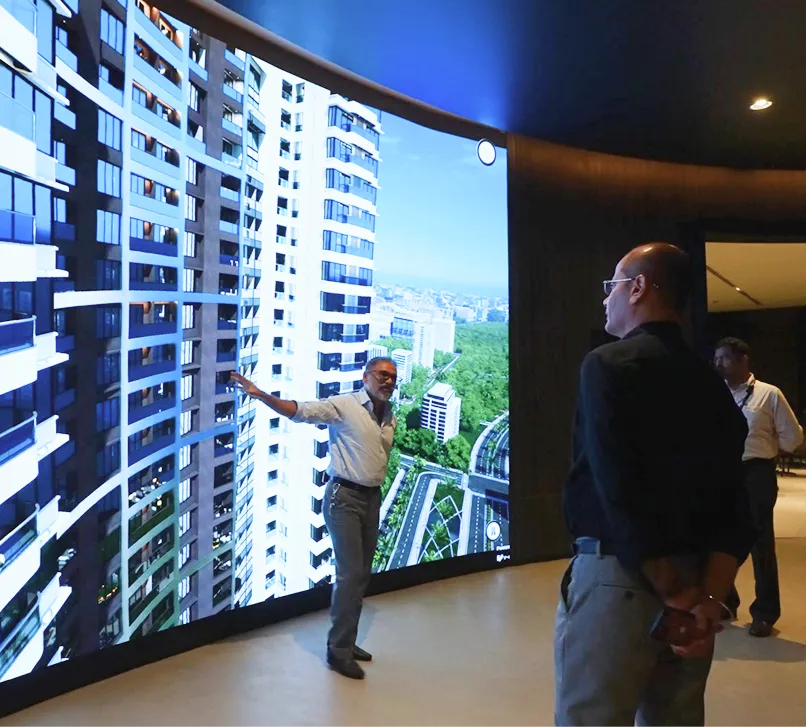
Every experienced developer knows that moment when a promising buyer's eyes glaze over mid-presentation. You're explaining your latest residential project, sharing floor plans, amenities, location benefits, and pricing structures—but somewhere between the third amenity and the financing options, you've lost them.
The harsh reality? Most property presentations fail because they dump information rather than solve problems. Today's buyers, whether they're first-time homeowners or seasoned investors, don't want to be educated about every detail of your development. They want to understand how your project addresses their specific needs and concerns.
Understanding Your Buyer's Mindset
Before you schedule that presentation meeting, step into your buyer's shoes. They're not just purchasing square footage—they're making one of the most significant financial and emotional decisions of their lives. Their mind is racing with questions: Will this location appreciate in value? How will this property fit their lifestyle? Can they actually afford the monthly payments?
The successful developer recognizes these underlying concerns and structures their presentation accordingly. Instead of leading with construction specifications or amenity lists, start by acknowledging what keeps your buyer awake at night. Are they worried about commute times? Concerned about resale value? Anxious about neighborhood safety?
Research shows that buyers make emotional decisions first, then justify them with logic. Your presentation should follow this natural decision-making process.
Creating a Problem-Focused Structure
The most effective property presentations follow a simple framework that mirrors how buyers actually think:
Current Situation Assessment: What challenges is your buyer facing with their current living situation? Perhaps they're outgrowing their current space, dealing with a lengthy commute, or struggling to find quality schools nearby.
Solution Alignment: How does your project directly address these specific pain points? If they're concerned about commute times, highlight the nearby metro connectivity. If they're worried about their children's education, showcase the reputed schools within walking distance.
Future State Visualization: Help them see their life in this new space. This isn't about listing amenities—it's about painting a picture of their improved daily routine, their weekend relaxation, their family gatherings.
The Power of Selective Information Sharing
Here's where most developers make their biggest mistake: they share everything they know about the project. Floor plans, elevation drawings, construction timelines, soil reports, government approvals—the works.
Your buyer doesn't need to know everything. They need to know what matters to them.
If you're presenting to a young family, focus on child-friendly spaces, school proximity, and family amenities. Skip the detailed investment projections unless they specifically ask. If you're dealing with an investor, lead with location appreciation potential, rental yields, and market comparables. The swimming pool specifications can wait.
This selective approach isn't about hiding information—it's about respecting your buyer's time and mental capacity.
Making Complex Information Digestible
Real estate projects involve complex information: pricing structures, payment plans, legal documentation, construction timelines. The challenge is presenting this complexity without creating confusion.
Visual storytelling becomes your strongest tool here. Instead of explaining the payment schedule verbally, show a simple timeline graphic. Rather than describing the location advantages, display a map highlighting key connectivity points. When discussing floor plans, use walkthrough visualizations that help buyers understand space flow naturally.
Consider how virtual property tours have revolutionized this aspect of presentations. When buyers can virtually walk through spaces, examine views from different windows, and visualize furniture placement, they grasp the property's potential without getting bogged down in technical drawings.
Building Confidence Through Transparency
Today's property buyers are more informed and skeptical than ever before. They've likely researched your company, checked reviews, and compared multiple projects before sitting down with you. They're looking for reasons to trust you—or reasons to walk away.
Confidence comes from addressing concerns before they're raised. If your project has a longer construction timeline, explain why and how this ensures better quality. If the pricing is higher than comparable projects, demonstrate the value differences clearly. If there are upcoming infrastructure projects in the area, share how these will benefit residents.
This proactive transparency prevents the presentation from derailing when difficult questions arise later.
Engaging Without Overwhelming
The best property presentations feel more like conversations than sales pitches. Instead of talking at your buyers, create opportunities for them to engage with the information actively.
Ask targeted questions: "What's most important to you in your next home?" or "How do you typically spend your weekends?" Their answers will guide you toward the aspects of your project that matter most to them.
Encourage them to explore. If you're using interactive presentation tools, let them navigate through different spaces at their own pace. When they can control the experience, they feel more invested in the outcome.
The Follow-Up Strategy
Your presentation shouldn't end when the meeting does. The most successful developers understand that buying decisions often happen after the formal presentation, during quiet moments when buyers discuss options with family members or review materials privately.
Provide selective follow-up materials that reinforce your key messages without overwhelming. A simple one-page summary highlighting how your project addresses their specific concerns works better than a comprehensive brochure covering every project detail.
Include clear next steps and make it easy for them to re-engage when they're ready to move forward.
Results That Matter
When you master the art of focused, buyer-centric presentations, several things happen simultaneously: presentation meetings become shorter and more productive, buyers ask more relevant questions, decision timelines accelerate, and most importantly, conversion rates improve significantly.
The goal isn't to share everything you know about your project. The goal is to help your buyers confidently envision their future in your development. Sometimes, less truly is more.